



















The history of Hindi cinema features many luminaries, but few combined towering screen presence with profound personal humility like Prithviraj Kapoor. While he commanded the silver screen in grand imperial roles, his deepest passion remained rooted in the travelling theatre. Even after earning widespread fame across the country and gaining a prestigious nominated seat in the Rajya Sabha, he flatly refused to isolate himself from his troupe, consistently choosing to ride in unreserved third-class rail coaches alongside his fellow performers.
Leaving Law Studies for the Stage
Prithviraj Kapoor was born on November 3, 1906, in Samundri, a town in Punjab that is now part of Pakistan. His father, Basheshwarnath Kapoor, served as an officer in the police department. From early childhood, young Prithviraj developed an intense passion for stage productions and live drama. After finishing his foundational schooling in Punjab, he moved to Peshawar to pursue higher studies. It was during his student days in Peshawar that the lure of drama completely captured his attention. While he had initially enrolled to study law, the overwhelming pull of dramatic acting convinced him to abandon legal studies entirely and commit to the stage.
Early Struggles in Mumbai and the Dawn of Talkies
Driven by the ambition to turn his artistic passion into a lifelong calling, he arrived in Mumbai in 1928. Breaking into the film industry was a grueling task, and he faced prolonged struggles before securing work. He started by accepting small, uncredited and minor roles, steadily working his way into the notice of filmmakers. His first breakthrough came with the 1930 silent film Cinema Girl. Just a year later, in 1931, he secured a role in India's landmark first sound motion picture, Alam Ara. His commanding, resonant voice and imposing screen stature immediately captured the audience's attention and established him as a serious talent.
From New Theatres in Kolkata to Sohrab Modi's Sikandar
Kapoor's acting career soon took him eastward to Kolkata, where he collaborated with the reputed New Theatres studio and appeared in several acclaimed cinematic projects. His work in the film Vidyapati won praise from moviegoers and critics alike. His major career-defining milestone arrived in 1941 when director Sohrab Modi cast him as the titular emperor in the historical drama Sikandar. The role established him as an actor of unmatched gravitas. Over subsequent decades, he delivered memorable performances in major productions such as Awaara, Dahej, and K. Asif's cinematic masterpiece Mughal-e-Azam.
Founding Prithvi Theatres to Champion Social Causes
Despite enjoying enormous success in mainstream commercial cinema, Kapoor never allowed his bond with live stage performance to weaken. He strongly believed that high-quality theatrical productions should not be reserved solely for elite metropolitan audiences, but should travel directly to ordinary citizens across India. Acting on this conviction, he founded his own travelling repertory company, Prithvi Theatres, in 1944. The troupe launched with an adaptation of the classic drama Shakuntala. It subsequently produced and staged socially conscious plays including Deewar, Pathan, Ghaddar, Aahuti, and Paisa. These productions went well beyond standard entertainment, directly tackling serious contemporary dilemmas such as family breakdown, extreme poverty, the trauma of national partition, and the critical importance of Hindu-Muslim unity.
16 Years, 112 Cities, and 2,662 Stage Performances
Managing an independent touring theatre company across mid-twentieth-century India demanded immense logistical grit and personal endurance. The cast and crew had to transport their sets, props, and personal belongings from one district to another by train. Over its 16-year operational span, Prithvi Theatres staged a total of 2,662 performances across 112 different towns and cities. Remarkably, Prithviraj Kapoor personally performed the central lead role in every single one of those 2,662 shows. He insisted on sharing every hardship of the road with his cast, steadfastly refusing special luxury accommodations or private travel arrangements.
Rejecting VIP Perks as a Rajya Sabha Member
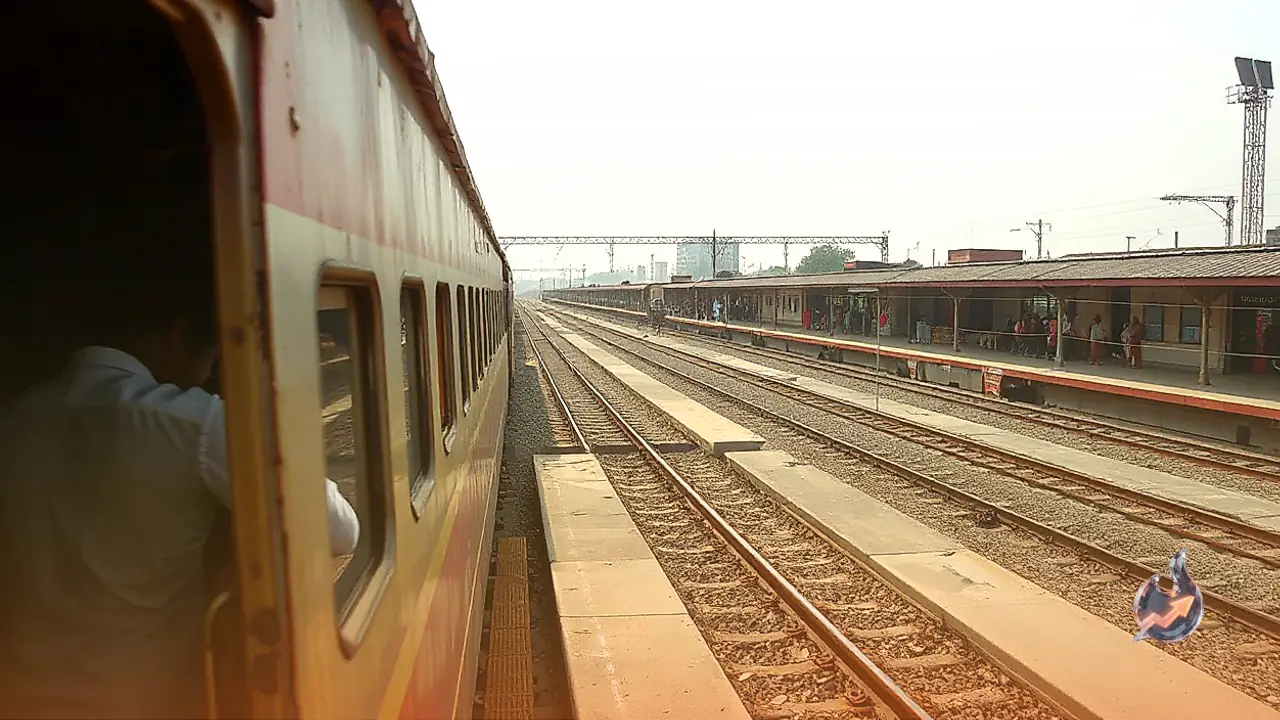
In 1952, he received national recognition with a nomination to the Rajya Sabha, the upper house of the Indian Parliament, serving as a parliamentarian until 1960. Although his parliamentary status entitled him to first-class train compartments, official protocol, and VIP travel perks, he deliberately turned them down whenever he traveled for theatre tours. Instead, he continued to purchase third-class train tickets so he could sit, eat, and travel alongside his stage actors and stagehands. For Kapoor, institutional titles and personal comforts were meaningless if they meant distancing himself from the ensemble that made his theatre possible.
One Rupee Fee for Mughal-e-Azam
Kapoor's depiction of Emperor Akbar in the grand epic Mughal-e-Azam remains one of the most celebrated performances in Indian cinematic history. Despite investing years of intense physical and emotional labor into the monumental project, he accepted a purely symbolic fee of just 1 Rupee for his role in the film. The decision underscored his philosophy that true cinematic and theatrical art was a service to culture rather than an avenue for personal enrichment.
National Accolades and Final Days in a Juhu Cottage
By 1960, severe health issues began to take a toll on his stamina, forcing Prithvi Theatres to conclude its exhausting touring schedule. Over his lifetime, his singular contributions to Indian arts received high honors. In 1954, he was honored with the Sangeet Natak Akademi Fellowship. The Government of India conferred the Padma Bhushan upon him in 1969, followed by the nation's highest film honor, the Dadasaheb Phalke Award, in 1971. In his later years, he gradually withdrew from cinema and moved into a humble cottage, known as Prithvi Jhopda, situated near Juhu beach with his wife. He had initially taken the property on lease, after which his son, actor Shashi Kapoor, bought it outright for his parents. On May 29, 1972, Prithviraj Kapoor passed away in Mumbai after battling cancer.