




















The legendary romance between top 1970s and 1980s actress Sharmila Tagore and former Indian cricket captain Mansoor Ali Khan Pataudi continues to fascinate people decades later. Their wedding was surrounded by massive controversy regarding religion, with Sharmila converting to Islam and adopting the name Ayesha to marry Mansoor. The decision drew immense public discussion and even death threats at the time. Now, years later, their daughter Saba Ali Khan has spoken candidly about her mother's religious conversion and explained why it was deemed necessary back then.
The Necessity for Grandmother Approval and Legal Recognition
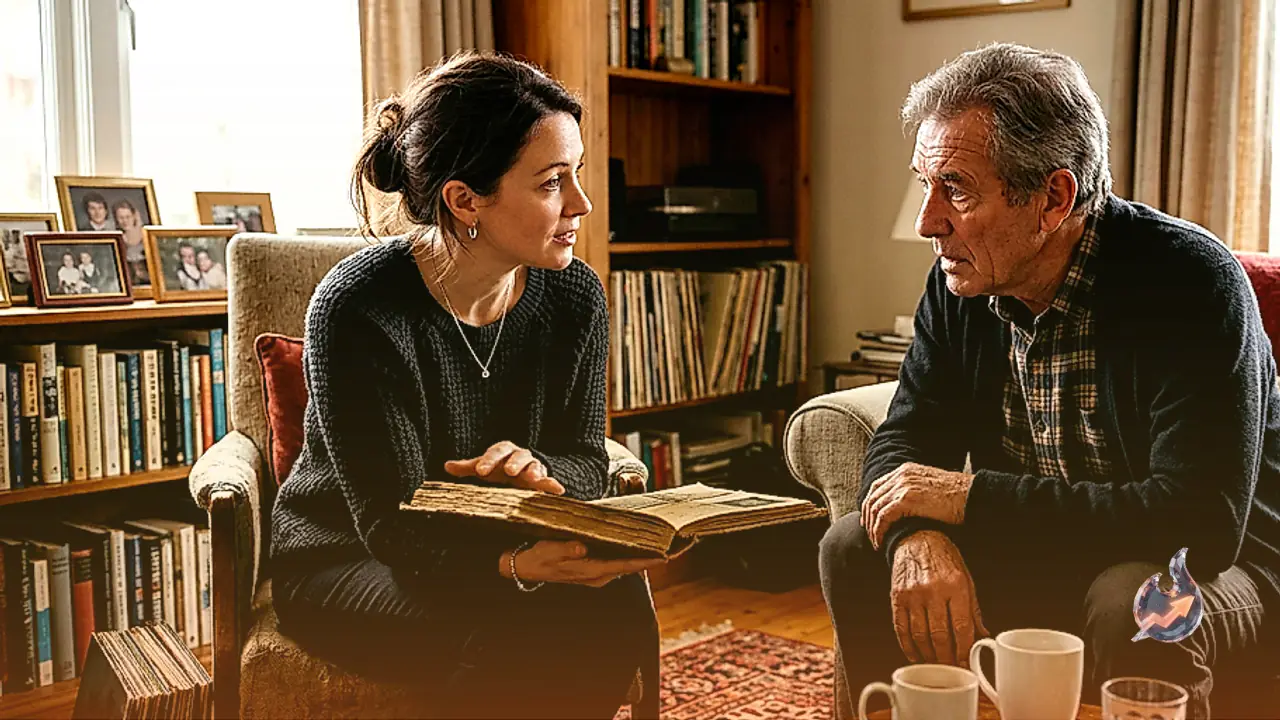
In a recent interview with Siddharth Kannan, Saba Ali Khan addressed multiple questions concerning her parents' marriage. She explained that according to the family traditions and religious beliefs of that era, it was considered essential for Sharmila Tagore to embrace Islam for the wedding to take place. According to Saba, if her mother had not changed her religion, her paternal grandmother would never have agreed to the alliance. Saba noted that conversion was a requirement that gave the marriage legal standing and ensured the children were considered legitimate, making it a necessity rather than a choice where alternative paths could be explored.
Preserving Cinematic Identity and Personal Freedom
Saba further stated that despite accepting Islam and adopting the name Ayesha, Sharmila Tagore did not have to compromise her cinematic identity. Mansoor Ali Khan Pataudi was broad-minded and progressive, never pressuring Sharmila to quit acting or alter her name. According to Saba, her father always respected his wife's career and choices, never asking her to change her name on her passport or other official documents, allowing her to continue working under the name audiences knew her by.
An Inclusive and Liberal Household Environment
Saba emphasized that the conversion did not affect her mother's personality or professional life, as she remained as independent about her work and identity as before. During the interview, Saba also discussed the religious atmosphere within her household, noting that her parents never forced any single religion upon their children. While Saba follows Islam herself, everyone at home enjoyed the freedom to live according to their own personal beliefs and preferences.
Celebrating Multiple Festivals Together
In the Pataudi household, festivals like Holi and Diwali were celebrated with the exact same enthusiasm and joy as Eid. Saba shared that her parents always granted her and her siblings the liberty to choose their own paths in life, quoting that their parents always gave them the freedom to live according to their own choices. Saba's insights make it clear that while religious conversion was treated as a mandatory condition for the marriage at the time, the couple maintained an open, tolerant, and liberating environment regarding faith and personal freedom within their family.