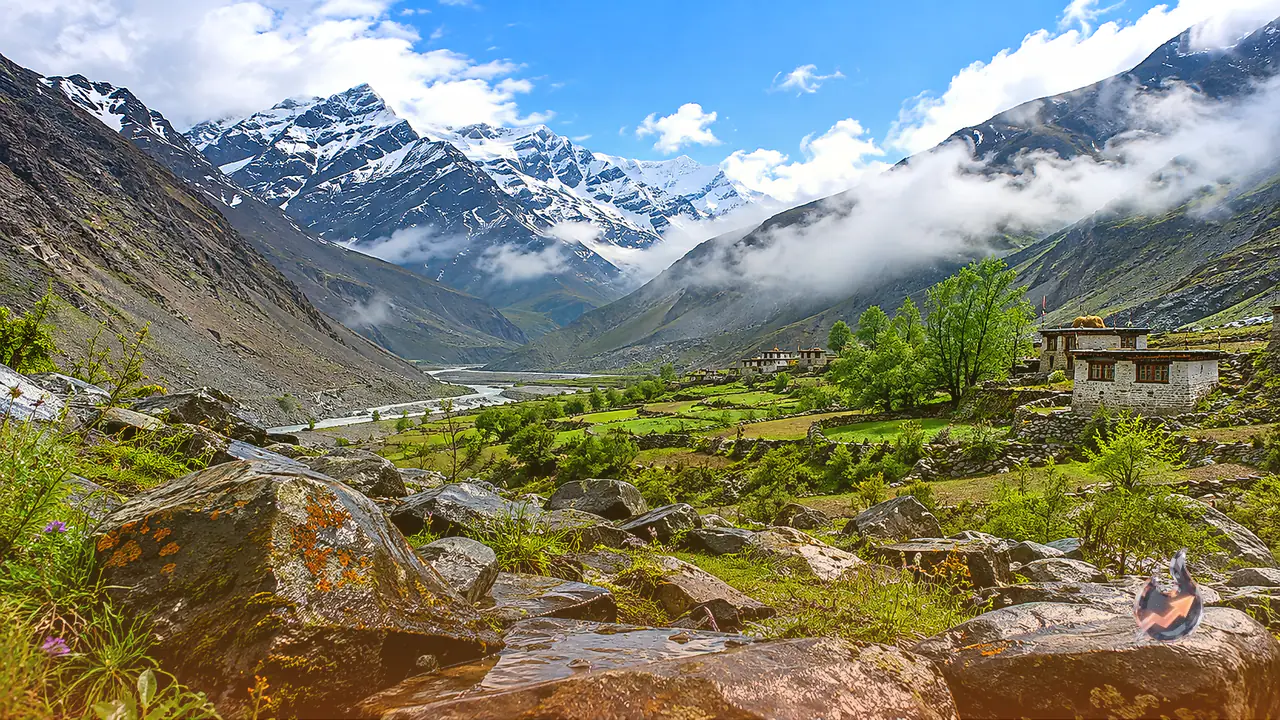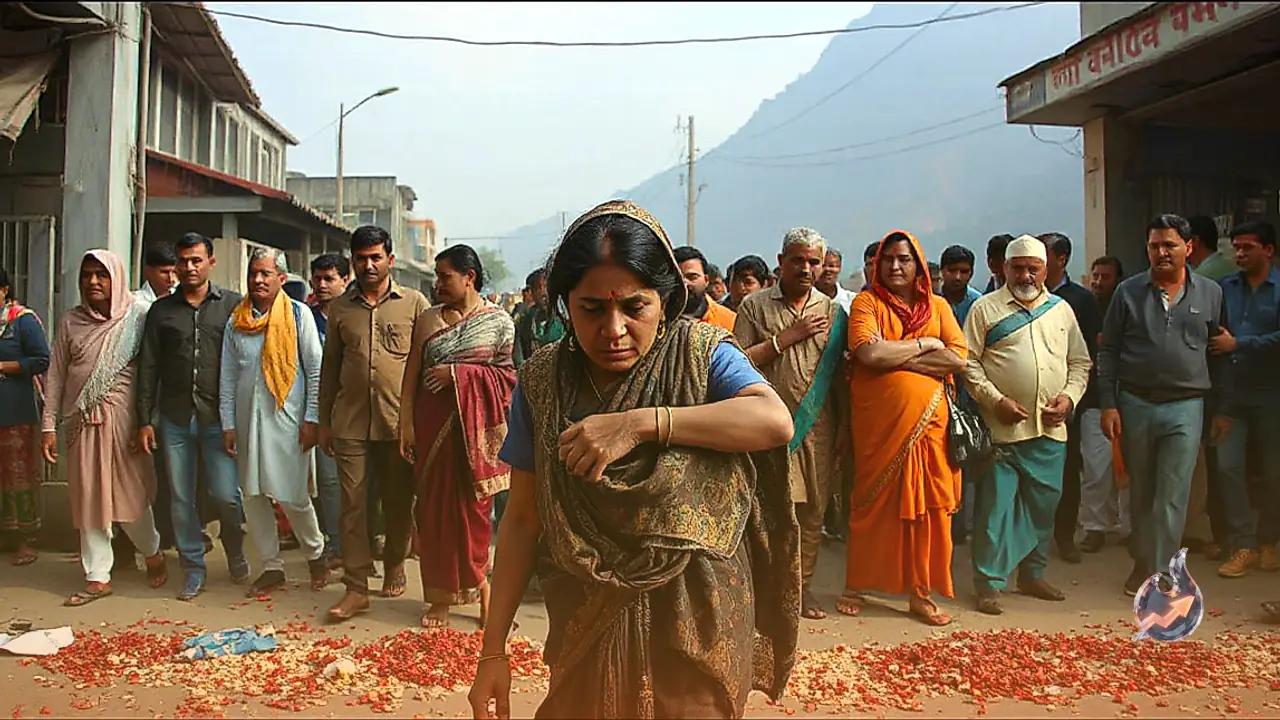
















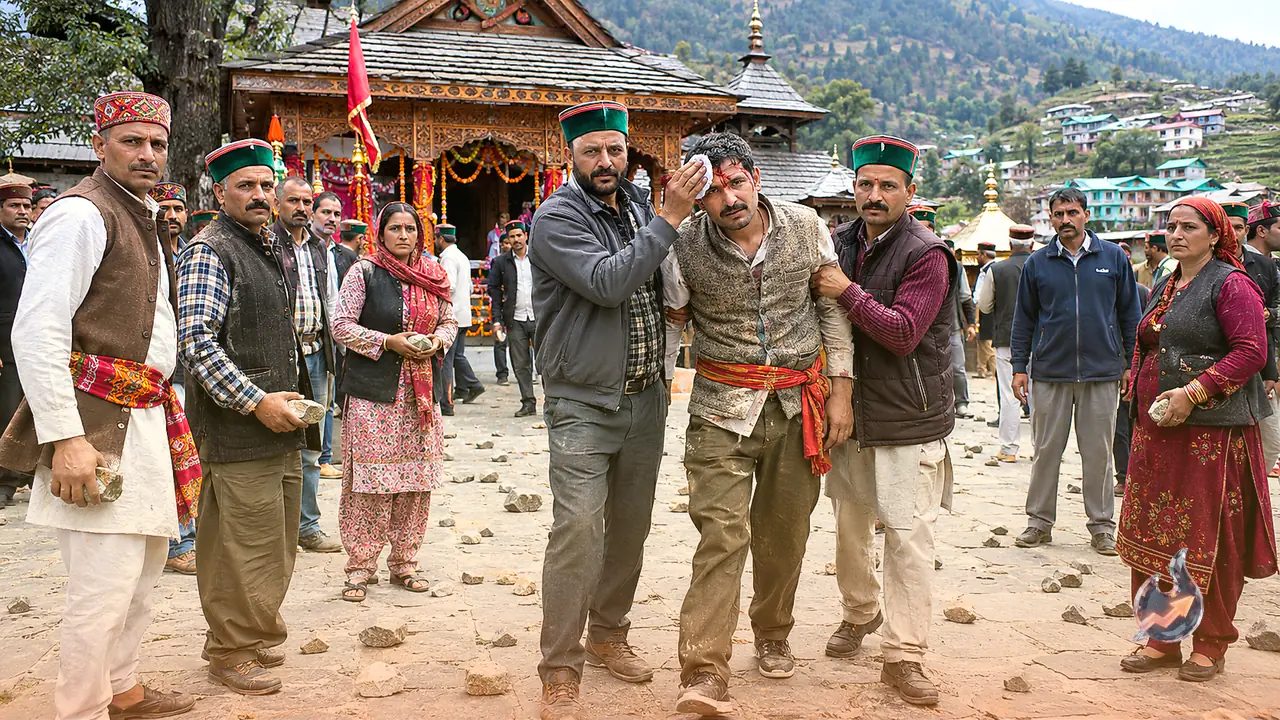

Located around 26 kilometers away from Himachal Pradesh's capital Shimla, the village of Dhami witnesses a truly unique tradition on the day immediately following Diwali. While the rest of the nation engages in festive celebrations and Bhai Dooj preparations, this region comes alive with a dramatic exchange of stones between two groups. In this age-old custom, getting injured and shedding blood is not viewed as a defeat or an injury, but rather as a sign of supreme fortune and the divine blessings of Goddess Bhadrakali.
Eighteen-Minute Clash Unfolds in Halog Village
This year, the traditional stone pelting fair in Halog village saw the two rival factions engaged in combat for approximately 18 minutes. The moment 30-year-old Mahesh Verma, belonging to the Jamogi khund group, was struck by a stone and began to bleed, the hostilities were immediately halted. Following this, the sacred blood drawn from Verma was used to perform a ceremonial blood-tilak for Goddess Bhadrakali.
Religious Rituals Mark the Opening of the Event
The stone-pelting fair commenced on November 9 with a series of formal religious rituals in Halog village. Led by the Dhami royal family, the proceedings began with prayers offered to the village deity, Dev Kurgun, followed by the worship of Lord Narasimha. Once all traditional religious formalities were concluded, Jagdeep Singh, the head of the Dhami royal family, inaugurated the fair by throwing the very first stone.
Afternoon Onset and the Sudden Conclusion of Play
The stone pelting officially commenced at 3:36 PM, and within moments, stones began flying from both opposing sides. This intense activity continued unabated for roughly 18 minutes as onlookers gathered around the grounds witnessed the historic spectacle. Finally, at 3:54 PM, Mahesh Verma of the Jamogi khund sustained an injury from a stone, causing him to bleed. The moment the blood appeared, the game was brought to an immediate halt.
Smiles Despite Injury as Participants Feel Fortunate
The man whose blood was utilized for the ritual tilak of Goddess Bhadrakali is Mahesh Verma, a resident of Gori village who works as a key-man in the Jal Shakti Department under the Shimla Municipal Corporation. Notably, despite suffering an injury from the stone impact, Verma's face displayed sheer happiness rather than any sign of distress. Within this tradition, bleeding from a strike is considered a direct blessing from Goddess Bhadrakali, making the injured person feel immensely fortunate. Verma received immediate first aid on-site before being transferred to a hospital.
A Queen's Intervention Replaced Human Sacrifice
A fascinating and historical legend underpins the Dhami stone-pelting fair. Jagdeep Singh, a descendant of the Dhami royal family, elaborated on the origins, traditions, and lore of the event. According to Singh, ancient times saw the practice of human sacrifice performed to ensure regional peace and prosperity. A queen belonging to the Dhami princely state strongly opposed this inhumane practice, successfully replacing human sacrifice with the custom of applying blood drawn from the stone-pelting event as a divine mark for the goddess.
The game stops instantly the moment someone bleeds from a stone strike. To this day, every individual who has shed blood has never complained of pain or injury, instead considering themselves deeply fortunate. The primary objective during the stoning is not to settle personal scores, but to keep a centuries-old tradition alive. Participants engage in the event in a true sporting spirit rather than harboring any mutual animosity.
Tradition Survived Even Through the Pandemic Years
Another remarkable feature of the Dhami stone fair is that it did not completely cease even during the strict nationwide lockdowns enforced during the COVID-19 pandemic. While large public gatherings were unfeasible at that time, a small group of individuals ensured that the religious rites were properly fulfilled. According to Jagdeep Singh, he personally anointed Goddess Bhadrakali with his own blood during that period, performing all rituals with just two or three people present. Devendra Kumar Bharadwaj, the chief priest of the Narasimha temple located within the royal court, notes that the tradition has endured for centuries, strictly adhering to ancestral rules to this day.
Large Crowds Gather to Witness the Historic Heritage
Every year, massive crowds flock from Halog and surrounding villages to witness this extraordinary fair. Young participants display immense enthusiasm for taking part, while elders regard the practice as an invaluable heritage passed down through generations. Although times and eras have changed, the Dhami stone fair remains an enduring symbol of local identity and cultural devotion.