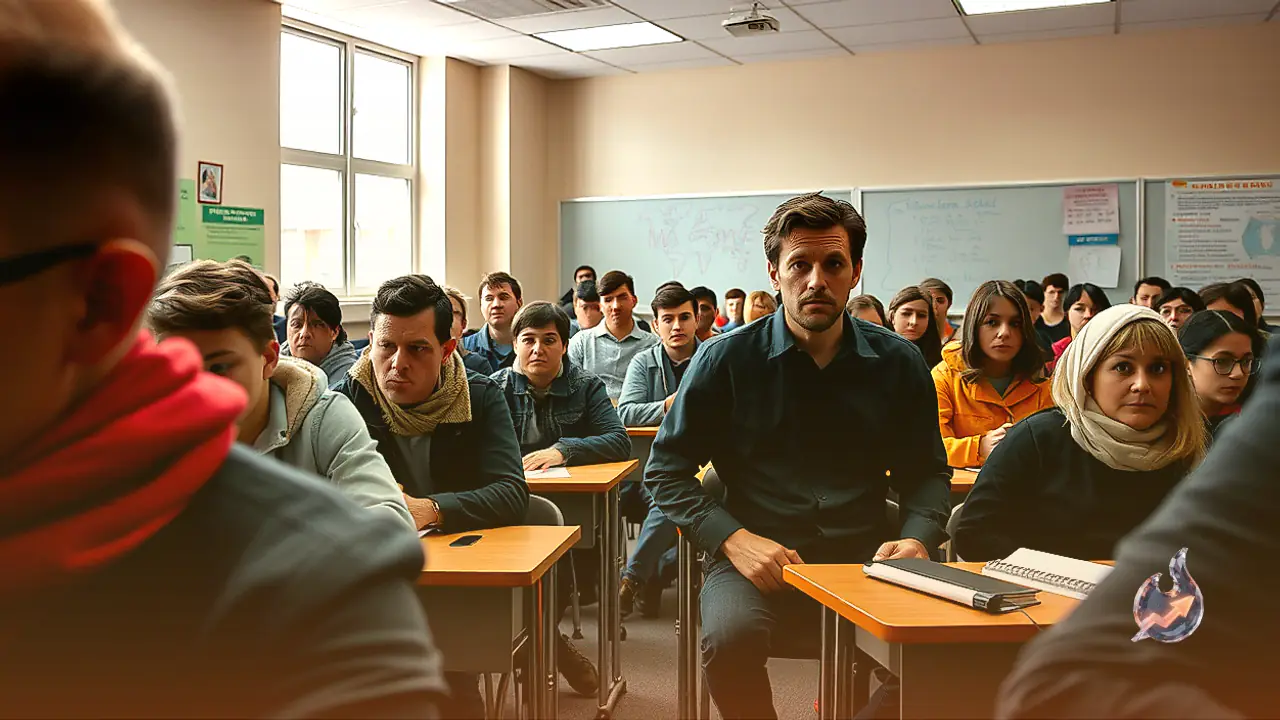








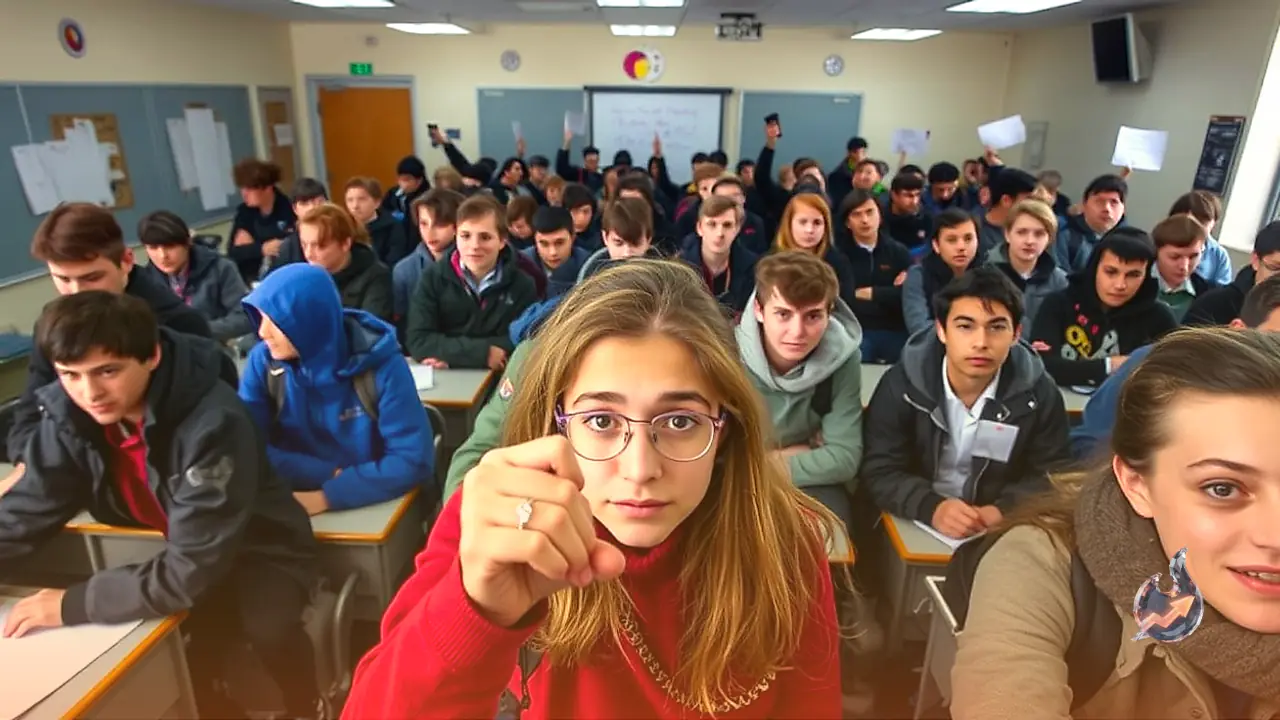














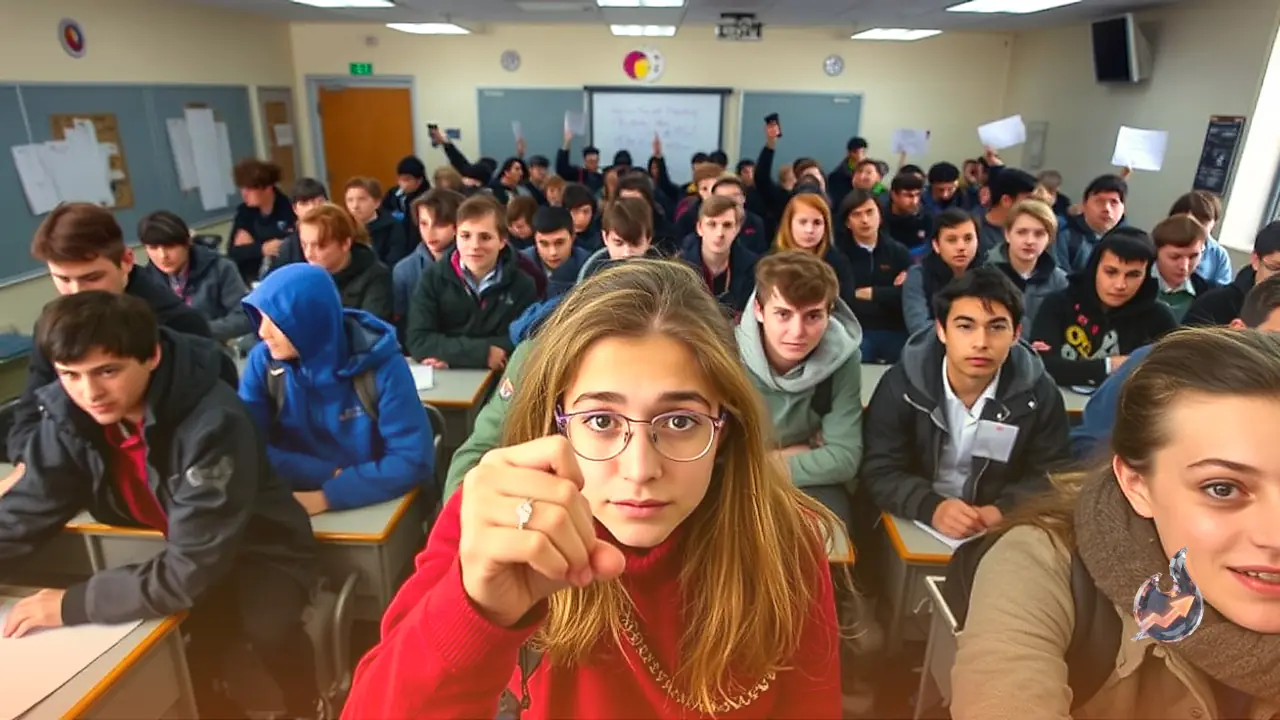

A wave of student demonstrations across France took an intense turn on Friday as hundreds of thousands of school pupils mobilized against the government. Demanding urgent improvements in education standards and physical infrastructure, demonstrators clashed with law enforcement in several towns. Protesters set fires around academic properties, locked campus gates, and damaged school equipment while raising slogans. Police resorted to tear gas shells and baton charges to disperse crowd gatherings, leading to the detention of more than 2000 students. The clashes left hundreds of pupils and teachers injured, alongside over 300 wounded police personnel.
Crisis Cabinet Assembly and Closure of Over 550 Campuses
The rapid escalation forced the Prime Minister of France to summon an emergency crisis meeting to review public order. As tensions mounted nationwide, the administration cancelled all scheduled ministerial tours to keep officials focused on resolving the situation. In an effort to prevent further unrest, administrative authorities ordered more than 550 high schools to shut down until subsequent directives are issued. Security deployments remain heavy around educational hubs as regional administrations attempt to restore regular functioning.
Discontent Originating in Paris Spreads Across the Nation
The current wave of disruption began on September 21 in Paris before gaining traction throughout regional departments. What started as localized gatherings has expanded into nationwide participation involving schools, institutes, and universities. This massive public disturbance follows an earlier agrarian protest in January this year, when French farmers took to the streets and drove tractors toward parliament to voice their grievances. The sudden surge of youth anger on urban streets has placed renewed pressure on state authorities.
Demands for Air Conditioning, Revised Timetables, and Modern Infrastructure
Demonstrators insist that their grievance is not an aversion to education itself, but rather a fight against uncomfortable school conditions. Students argue that daily academic hours are excessively long and must be curtailed. Classroom environments during warmer periods lack cooling systems, prompting urgent demands for the government to install air conditioning across all learning spaces. Furthermore, participants highlighted that many school structures have become visibly aged and require complete structural modernization. Students also raised objections regarding teaching quality, urging the removal of educators who enforce excessive strictness or fail to deliver lessons adequately.