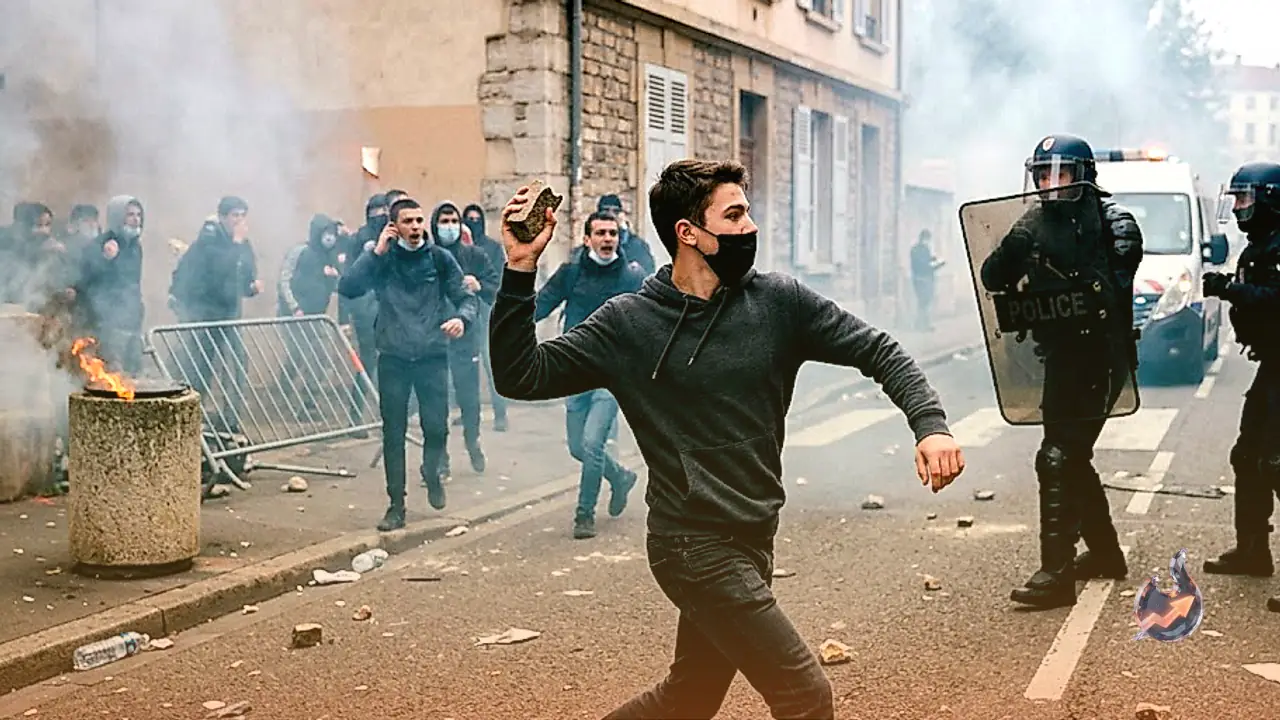
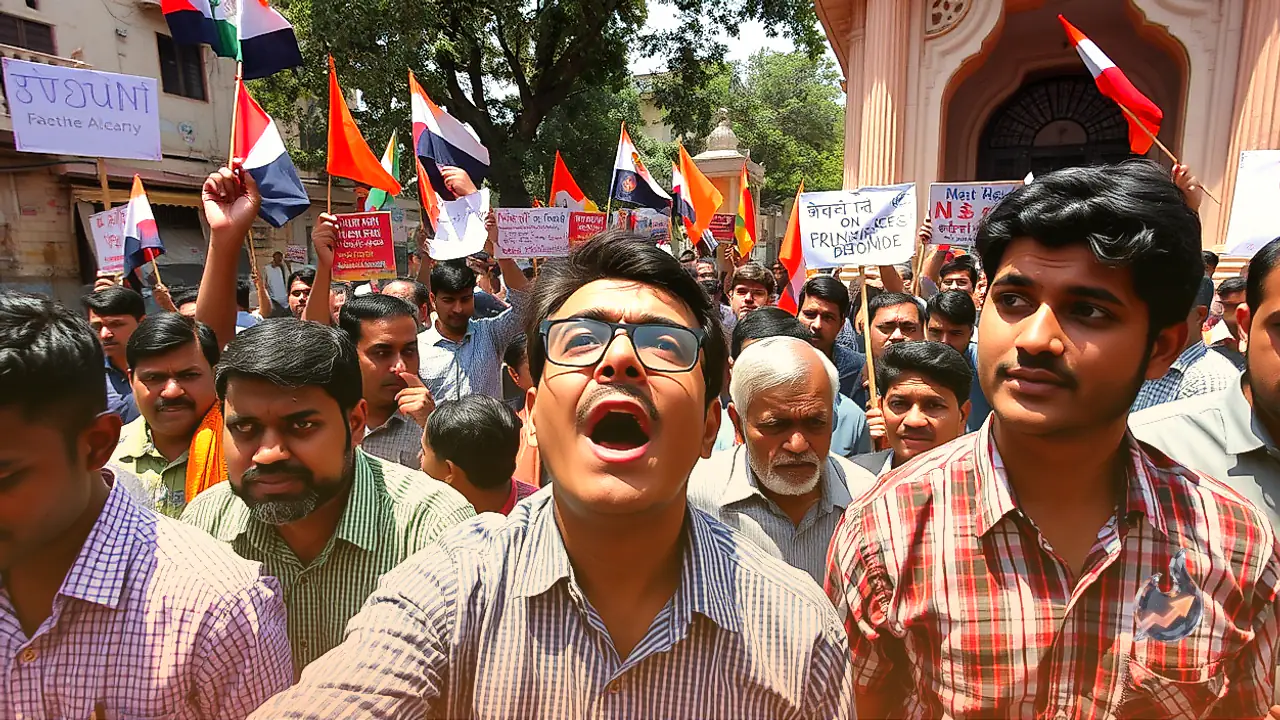





















A wave of fierce teenage demonstrations over education austerity has paralyzed secondary schools across France, thrusting the administration of President Emmanuel Macron into an acute political crisis. Originating nearly a fortnight ago in the economically disadvantaged district of Seine-Saint-Denis north of Paris, the rebellion has rapidly escalated into a nationwide confrontation. With hundreds of educational facilities barricaded, widespread closures enforced, and street skirmishes erupting between youths and security personnel, the government finds itself navigating high-stakes social turbulence with national presidential elections just months away.
The Shadow of Historic Student Movements
In French political life, few developments rattle the corridors of power as intensely as masses of young people occupying the boulevards. Ever since the transformative upheavals of May 1968, famously characterized by President Charles de Gaulle as widespread chaos, successive administrations have regarded youth mobilization with immense caution. The apprehension stems from the amorphous and decentralized nature of student groupings, which frequently lack formal hierarchies or authorized delegates with whom ministers can negotiate. Furthermore, school protests act as an unpredictable accelerant, regularly drawing in labor confederations and broader civic coalitions dissatisfied with prevailing economic conditions.
Public sentiment in France typically leans toward compassion when teenagers voice grievances regarding their learning conditions. Consequently, if police tactical interventions result in grievous harm or fatalities among minors, the administrative fallout can be catastrophic. With an impending electoral calendar narrowing the window for political error, ministers are acutely aware that heavy-handed tactics could catalyze a far larger insurrection. This volatile dynamic has left state authorities experiencing profound anxiety as teenage unrest spreads outward from metropolitan peripheries.
Arson, Property Devastation, and Mounting Casualties
While the initial atmosphere among the high schoolers blended agitation with street excitement, confrontations over recent days have produced severe violence and extensive material destruction running into millions of euros. Thursday marked the apex of the turmoil thus far, featuring blockades across hundreds of lycées where students aged 15 to 18 complete their secondary diplomas. By Friday, despite modest stabilization in select sectors, approximately 400 lycées remained shut down entirely to ensure the personal safety of pupils and administrative personnel. Simultaneously, university campuses have begun staging solidarity actions, expanding the geographic footprint of the strike.
Physical destruction has been substantial in multiple urban centers. In the western city of Nantes, a fire completely gutted the principal assembly hall of a major lycée, while localized blazes targeting school gates and refuse barricades were lit across the country. Addressing the mounting disorder, Education Minister Édouard Geffray confirmed that 65 educational employees, including 40 headteachers, have sustained injuries. Geffray observed that the majority of assaulted educators reported that the individuals confronting them were outside agitators rather than their own enrolled pupils.
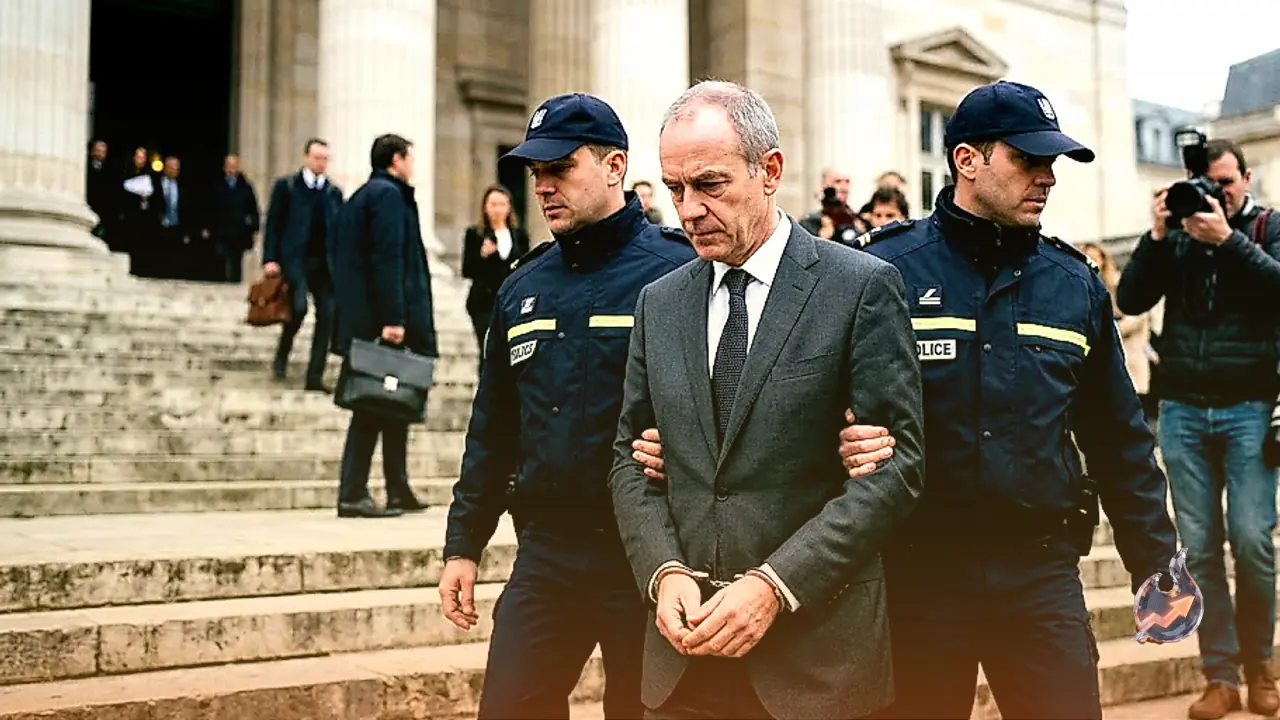
State security agencies have also absorbed significant casualties, with approximately 300 police personnel and firefighters receiving medical treatment for injuries sustained during blockades and skirmishes. Law enforcement officers have taken roughly 2,000 individuals into custody, the overwhelming majority of whom are underage youths. Conversely, youth collectives have released extensive rosters detailing severe police brutality against demonstrators, noting that two adolescents have suffered devastating eye trauma while another lost several teeth during street encounters.
Fiscal Retrenchment Collides With Crumbling Infrastructure
Resolving the unrest would present logistical hurdles under ordinary circumstances, but broader fiscal constraints have exacerbated the impasse. Student demands, while broad and informal, center on structural funding deficiencies across state academies. Youths are calling for expanded teacher recruitment, reduced class sizes, modernized school structures, and improved physical infrastructure. In principle, broad segments of French society concur with these grievances, viewing street agitation for state resources as an established civic mechanism that governments routinely tolerate. Public education standards have faced visible strain, driven by prolonged budget pressures.
However, the capacity of the state to disperse discretionary funding has evaporated. Prime Minister Sébastien Lecornu recently presented his forthcoming national budget framework, emphasizing rigorous fiscal austerity. Lecornu has pledged to slash €54bn (£46bn) from overall state expenditure, signaling a determined break from historical patterns of deploying treasury disbursements to suppress industrial unrest. Given this uncompromising financial retrenchment, school demands for upgraded insulation in refectories or additional campus medical nurses are almost certain to remain unfulfilled by the central executive.
Accusations of Left-Wing Co-optation and Urban Politics
Beyond classroom grievances, ruling centrists and right-leaning politicians argue that the unrest is being systematically steered by hard-left strategists to foment electoral instability. Opponents have pointed directly toward the France Unbowed party (LFI) and its standard-bearer, Jean-Luc Mélenchon. Prominent LFI figures have frequently stood alongside protesting youths at picket sites. In one contentious episode, Bally Bagayoko, the mayor of the Parisian suburb of Saint-Denis, faced severe backlash after declaring that political violence could occasionally possess legitimacy.
These allegations gained further traction following the disclosure of a confidential evaluation compiled for the Paris police prefecture regarding the outbreak in Seine-Saint-Denis. The assessment concluded that high schoolers were being actively guided by hard-left student union operatives and political factions affiliated with LFI. Intelligence analysts warned that escalating local hostilities served as an operational strategy designed to heighten social friction and establish ideological dominance ahead of national ballots. In corroborating this evaluation, analysts highlighted the conspicuous presence of older non-student militants, the non-specific nature of policy slogans, the display of Algerian and Palestinian banners, and coordinated calls to encircle municipal police precincts.
Generational Ballots and Polarization
The LFI apparatus has forcefully rejected claims of orchestration, maintaining that it merely extends legitimate solidarity to an organic youth struggle. In a public intervention on Thursday, the 75-year-old Mélenchon urged demonstrators to repudiate violent conduct, stating that physical clashes merely advance the objectives of political adversaries. Nonetheless, rival political strategists contend that Mélenchon is executing a calculated mobilization effort as he seeks to secure a berth in the decisive second-round runoff of the upcoming presidential election, where he is anticipated to confront Marine Le Pen of the hard right.
Polling indicators show that Mélenchon commands formidable loyalty among French youth, capturing approximately 40% backing among citizens aged 18 to 24. This demographic appeal is particularly potent across densely populated, multi-ethnic suburban banlieues, where his public discourse surrounding cultural convergence and a transformed republic finds a receptive audience. Yet young demographics also exhibit the highest rates of electoral abstention in French civic life. Maintaining an active, visible presence alongside student demonstrators serves as an enduring mechanism to keep young voters politically engaged ahead of polling day.
Nevertheless, bridging that enthusiasm into an outright executive victory remains an uphill task, as general runoff projections consistently show Mélenchon trailing Le Pen by wide margins. Should that confrontation materialize, France faces an era of profound institutional volatility, with current high school blockades serving as an ominous prelude to deeper national fissures.