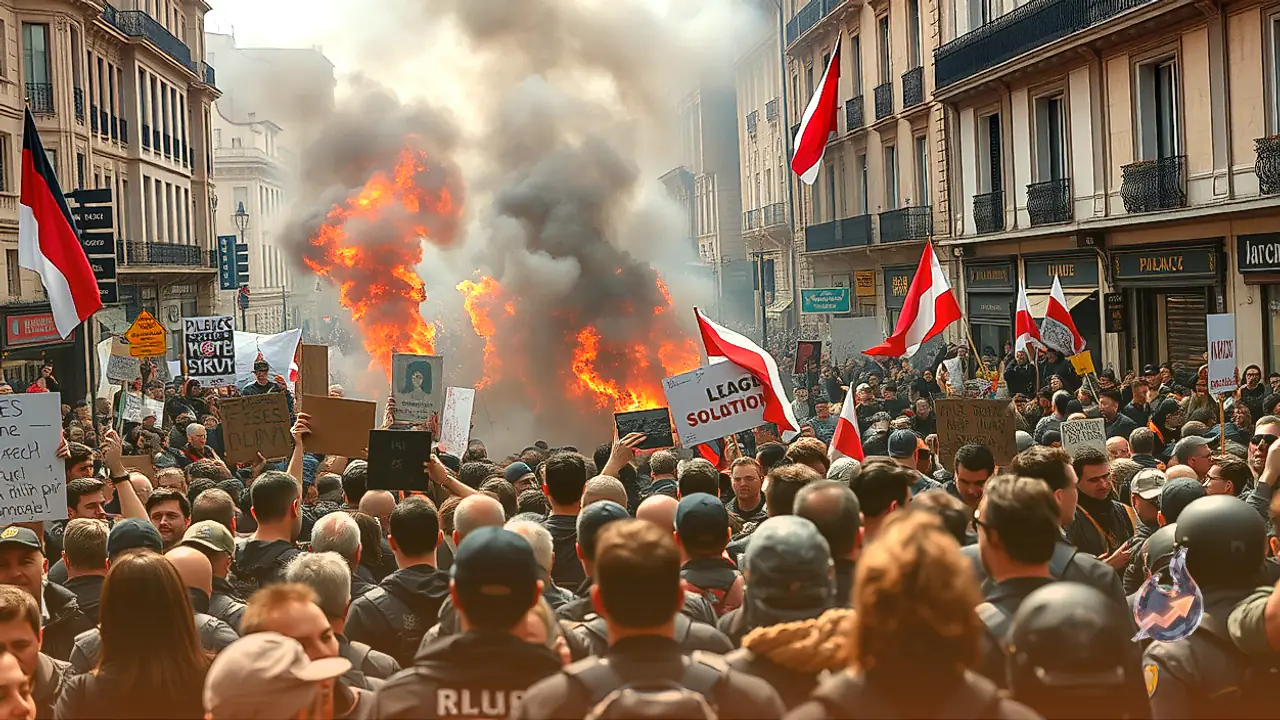



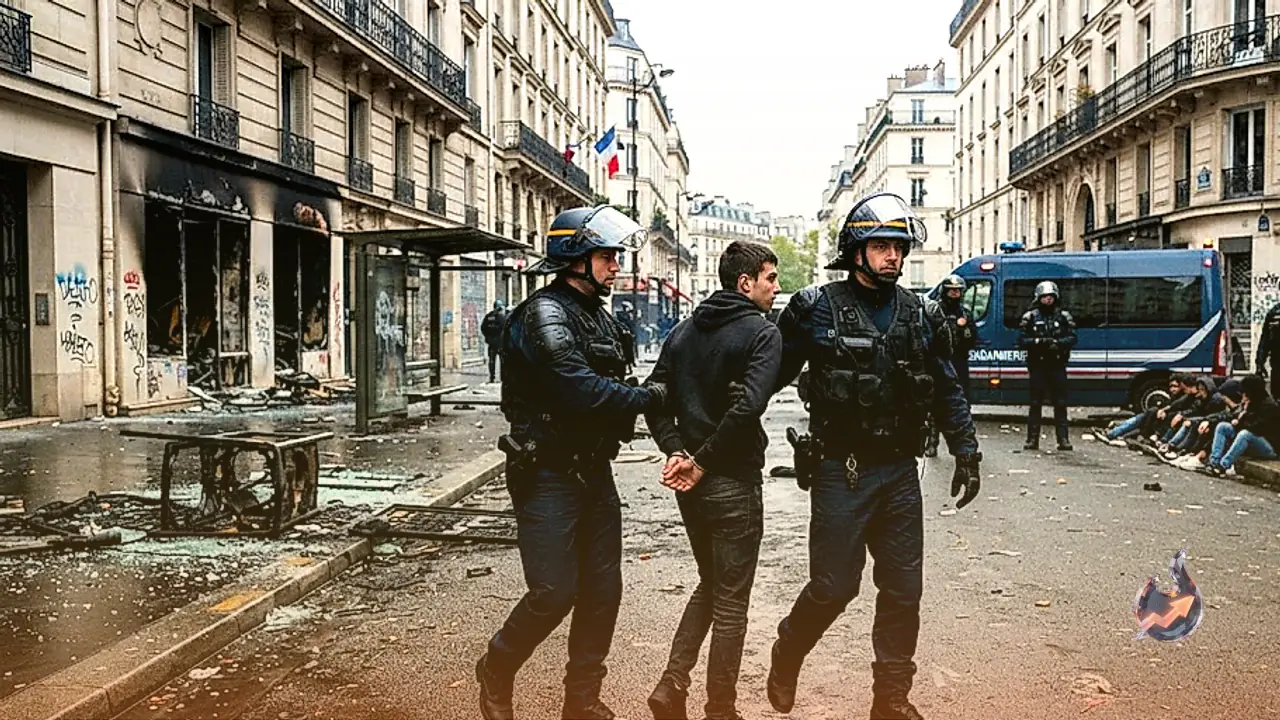

















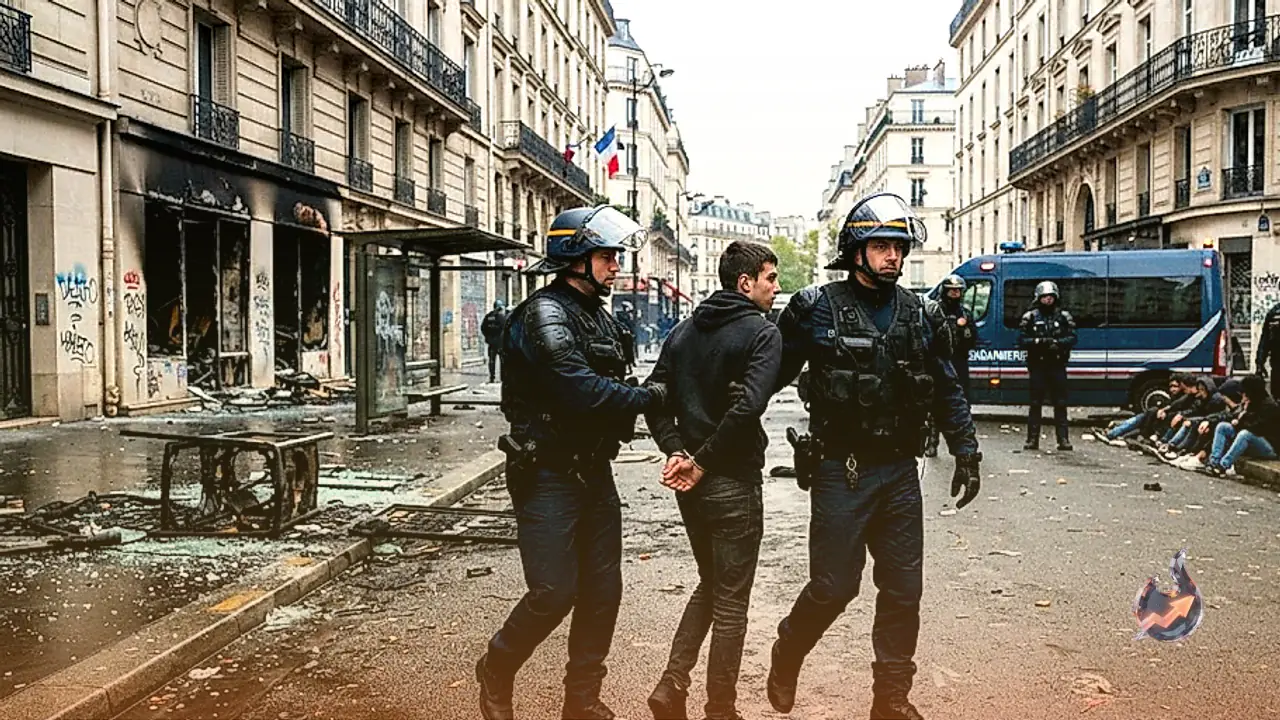

Law enforcement authorities across France have launched sweeping operations against demonstrators following three straight days of severe public unrest, looting, and widespread arson. Police forces have arrested more than 2,400 individuals so far, with an overwhelming 2,000 arrests taking place on Sunday alone. In the wake of escalating disorder, French President Emmanuel Macron delivered a resolute address, stating firmly that individuals responsible for destroying infrastructure and ransacking businesses will face immediate legal consequences and will be held directly responsible for covering the damages.
President Macron Denounces Extreme Violence and Looting
Speaking on the escalating national crisis, President Emmanuel Macron warned that violent actors would face the full weight of the legal system. He stated that demonstrators linked to ultra-left organizations, accompanied by groups of opportunistic agitators, unleashed uncontrolled chaos across several French metropolitan areas, spanning both the mainland and overseas territories. During the events of Saturday, October 17, commercial establishments were plundered, private shops were targeted, and essential municipal buildings sustained severe damage.
President Macron reiterated that the nation's judicial framework functions in the public interest and understands civic demands for stability. He emphasized that every crime committed against the state and its citizens will be met with decisive legal prosecution. Those who inflicted devastation will be made to pay out of their own pockets, individuals involved in theft will be required to return or compensate for stolen goods, and those attempting to destabilize the republic will be held accountable before the courts.
Damage Recovery Measures Targeting Agitators
In response to the widespread destruction, French authorities have initiated a policy enforcing personal financial recovery against identified rioters. This strict enforcement policy closely resembles the legal framework introduced by Uttar Pradesh Chief Minister Yogi Adityanath, where individuals participating in public destruction are compelled to reimburse the state for property damage. The French administration has underscored that public revenue will not bear the cost of arson and wreckage; instead, ongoing forensic scrutiny, video analysis, and digital tracking are being utilized to pinpoint every individual perpetrator and enforce restitution.
Destruction of Historic 143-Year-Old Limoges City Hall
Among the most serious incidents of the unrest was the severe damage inflicted on national heritage sites. In Limoges, located outside Paris, rioters set fire to a prominent nineteenth-century city hall. The structure, which was 143 years old, had remarkably survived two global wars without suffering such destruction. The arson attack on this landmark civic complex has sparked widespread public anger and highlighted the violent turn taken by parts of the demonstration.
Mass Mobilization Across 148 Nationwide Locations
Official records indicate that approximately 550,000 demonstrators took part in rallies across the country, with total turnout estimates rising as high as 800,000 people. The widespread mobilization occurred following formal protest calls by organized labor unions, student federations, and various activist groups. Demonstrations were held across 148 distinct locations throughout France.
Despite trade union organizers intending civic demonstrations, masked agitators infiltrated the crowds, resulting in hostile confrontations with security personnel. In multiple districts, aggressive groups attacked and chased police vehicles, while shopping centers and street-level retail outlets were ransacked. The wave of unrest extended well beyond central Paris, prompting ongoing national security operations to restore civic peace and enforce strict judicial proceedings against those taken into custody.