

















In a small green meadow nestled within the Gredos mountains west of Madrid, a couple of dozen cows graze quietly, the rhythmic clang of their neck bells breaking the mountain silence. At first glance, the pasture looks peaceful, yet the blackened trunks of surrounding pine and oak trees tell a very different story. The scorched landscape remains the stark aftermath of an enormous wildfire that tore through the valley just weeks ago, reshaping an entire community.
Farmer Juan Ángel Izquierdo, whose family has worked these lands for 200 years, admits that he had never witnessed anything of that scale. The late-July blaze merged with two neighbouring fires to ravage roughly 80,000 hectares, or around 200,000 acres, becoming the single largest fire disaster on official Spanish records. The flames obliterated more than two-thirds of Izquierdo's pasture, killing 12 of his 85 cattle, while another eight animals were so badly injured that they had to be euthanised. To make matters worse, his entire winter supply of gathered hay burned to ash.
Mounting Pressure on Agriculture and Farming Communities
Summers in rural Spain have turned increasingly stressful for agricultural workers as seasonal temperatures continue to climb. Rainfall has grown scarce, the rainy period shuts down earlier in the year, and cooler autumn conditions arrive much later than historical patterns suggest. For farmers on the ground, persistent heat and parched fields mean that fire is an ever-present reality. Izquierdo explains that while one tries not to dwell on the threat, any report of a fire in an adjacent district immediately brings the dread of being the next target.
Wildfires represent just one facet of a broader climate crisis that has extracted a heavy human and economic toll across the Iberian peninsula. Ernesto Rodríguez Camino, president of the Spanish Meteorology Association, points out that the greater frequency and ferocity of such blazes stem directly from the accumulation of greenhouse gases in the atmosphere, fueled by the worldwide consumption of fossil fuels. Scientific studies have concluded that extreme heat episodes and the severe wildfires that follow them are now 40 times more probable in Spain than in the pre-industrial era.
The political leadership has echoed these warnings in urgent terms. Socialist Prime Minister Pedro Sánchez placed the nation directly on the frontline of the planetary crisis during a visit to the southern province of Almería, where a single wildfire caused 15 deaths, declaring unequivocally that the climate emergency claims human lives. Data from the European Forest Fire Information System indicates that approximately 300,000 hectares of land have been consumed by fire across Spain this year alone, accounting for roughly half of all burned territory within the European Union. Over the past 40 years, Spain has seen annual fire damage exceed 200,000 hectares eight times, with three of those devastating years occurring since 2022.
Agricultural insurer Agroseguro calculated that 16,000 hectares of arable crops had been wiped out by mid-August, dealing a painful blow to the country's food and agricultural sector, which makes up 9% of national GDP. In response to the massive disaster near Madrid, regional authorities in Castilla y León announced financial compensation packages ranging from €5,500 ($6,300; £4,700) to €25,000 ($29,000; £21,000) per claimant, scaled according to verified damage. Yet Izquierdo calculates that such payments will fail to recover even half of the material devastation he experienced.
Tourism Adapts to Unprecedented Heatwaves
For more than half a century, dependable summer sunshine has anchored Spain's thriving tourism industry. Sun-soaked coastal resorts across the Mediterranean shoreline and destinations throughout the Balearic and Canary Islands have positioned the nation as a global holiday powerhouse. Around 100 million international travelers are expected to visit the country this year, solidifying its rank as the second most-visited nation on Earth, trailing only France.
However, excessive thermal stress is beginning to strain that traditional economic pillar. Economist María Dolores Sánchez, co-author of a sector analysis, observes that during heatwave conditions, overnight visitor stays decline across surveyed destinations, accompanied by lower booking numbers from core source markets. Because travel and hospitality account for 13% of Spain's GDP, she warns that severe weather disruptions could erode the country's competitive standing over the medium term.
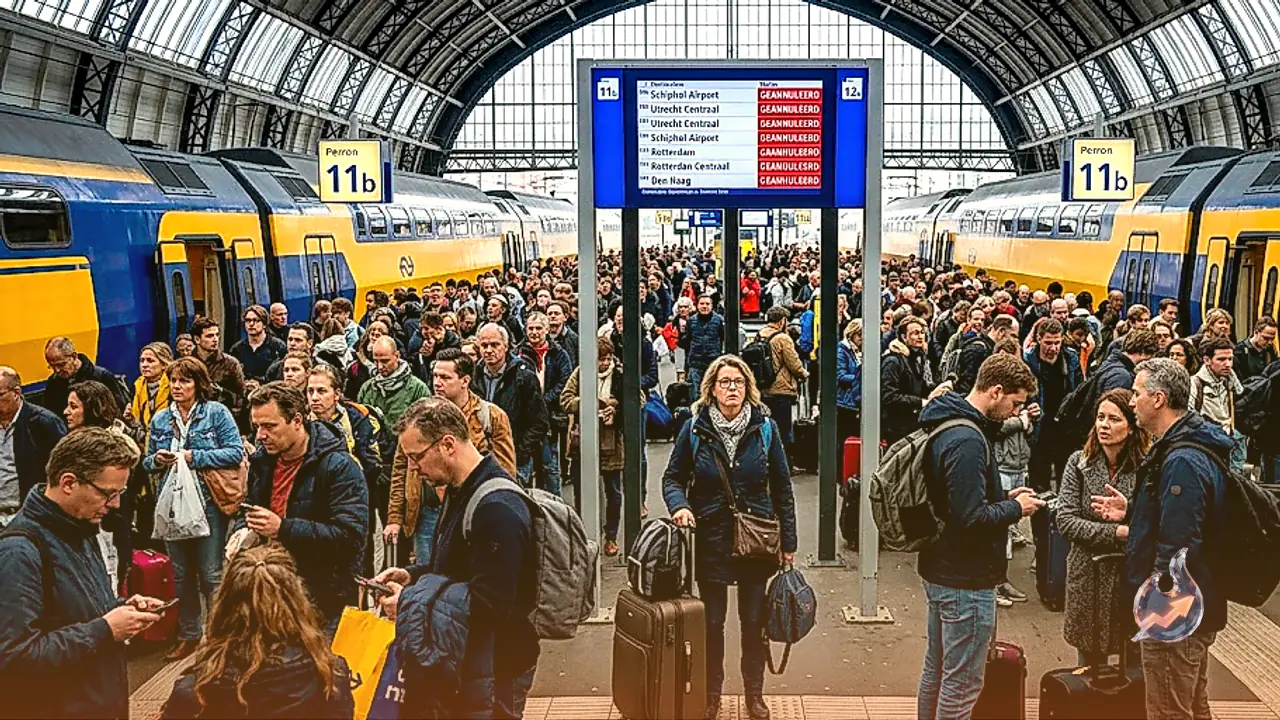
Inland cultural hubs feel the brunt of this shift acutely. The historic city of Toledo, perched on the plains of Castilla-La Mancha southwest of the capital, draws millions with its medieval architecture and winding streets as an alternative to beach resorts. Yet this summer proved punishing, as Spain recorded an unprecedented 61 days of official heatwaves extending into early September, pushing Toledo's daytime thermometer above 40C on repeated occasions.
Diego Esteban, a tour guide with Visit Toledo, notes that conducting historical walking tours in midsummer has become an endurance test, demanding quick adjustments from workers and residents alike. When guiding summer groups, Esteban schedules regular rests, provides bottled water, and routes groups through shaded streets and under archways. Nevertheless, he advocates for municipal investments in public drinking fountains and added urban canopy to protect pedestrians.
The extreme heat is already rewiring tourist calendars. Spring and autumn now witness sharp increases in travel demand as visitors seek milder weather, while domestic holidaymakers increasingly favor cooler destinations in the northern provinces, driving a domestic leisure trend aimed at escaping the southern furnace.
Drought, Catastrophic Floods and Economic Transformation
Severe water scarcity has delivered another harsh blow. In 2024, following three consecutive years of record-low precipitation, the northeastern region of Catalonia enacted emergency water conservation decrees, mandating a 25% cut in industrial water intake and an 80% slash for agricultural irrigation. Subsequent downpours eventually allowed regional authorities to rescind those emergency rules, but the prolonged dry period left enduring scars on local businesses and farms.
The deadliest environmental disaster in modern Spanish memory struck in October 2024, when catastrophic flash floods inundated eastern Spain, devastating the Valencia region and killing 237 people. Meteorological research collective Climatoc-Lab described the disaster as a clear manifestation of global warming warping the earth's hydrological cycle, resulting in sudden, violent deluges. The Valencia Chamber of Commerce estimated direct structural and commercial damage at €4.5bn, with thousands of commercial facilities submerged, some utterly destroyed and others sidelined for months during complex rehabilitation efforts.
Laura Llácer Álvarez, manager of the Fepeval industrial park federation in Valencia, described the catastrophe as an all-encompassing blow that wrecked livelihoods, disrupted corporate operations, and took an immense toll on ordinary citizens. Spain's unique topography and Mediterranean location leave it uniquely exposed as global temperatures continue to rise. In its 2024 Climate Risk Index, independent environmental group Germanwatch ranked Spain the 20th most affected country worldwide, placing it just behind developing nations such as Nigeria and Mali.
Despite the escalating damage, some economic analysts suggest that climate disruption could catalyze structural renewal if managed strategically. Julián Cubero, head of climate change economics at BBVA Research, emphasizes that shifting ecological realities alter how societies manufacture goods, direct investment capital, and consume services. While heat dampens day-to-day labour productivity, Cubero argues that accelerating the transition toward a decarbonised, green economy can generate higher-value employment. In his view, inaction guarantees an economic slowdown, but proactive adaptation presents a genuine opportunity to reinvent the nation's productive framework.