




















Six days after a catastrophic high-speed railway collision claimed at least 69 lives and left dozens injured in Toledo province, Spain's Transport Minister Oscar Puente has resigned from his post. Addressing a protracted and contentious session in the Congress of Deputies on Tuesday evening, Puente acknowledged the gravity of the disaster and took full political responsibility. The fatal accident, which occurred south of Madrid, has triggered widespread public shock and mounted unprecedented scrutiny over safety protocols across the Iberian nation's modern railway network. Beyond stepping down from the cabinet, Puente also confirmed his total withdrawal from the candidate lists for the upcoming legislative elections.
Parliamentary Announcement and Political Accountability
The announcement arrived at the conclusion of an intense parliamentary debate where Oscar Puente had presented newly proposed rail safety mechanisms while fielding relentless criticism from opposition lawmakers. Facing persistent questions over administrative oversight, Puente stated that in a country like Spain, a transport minister cannot remain in office after two such catastrophic accidents occur in less than a calendar year. Emphasizing the necessity of institutional integrity, he made it clear to lawmakers that his departure was absolute. Alongside relinquishing his ministerial portfolio, he removed his name from the electoral lists for the imminent legislative ballots, choosing to step away from national politics amid the fallout.
Chain of Events Near Urda in Toledo Province
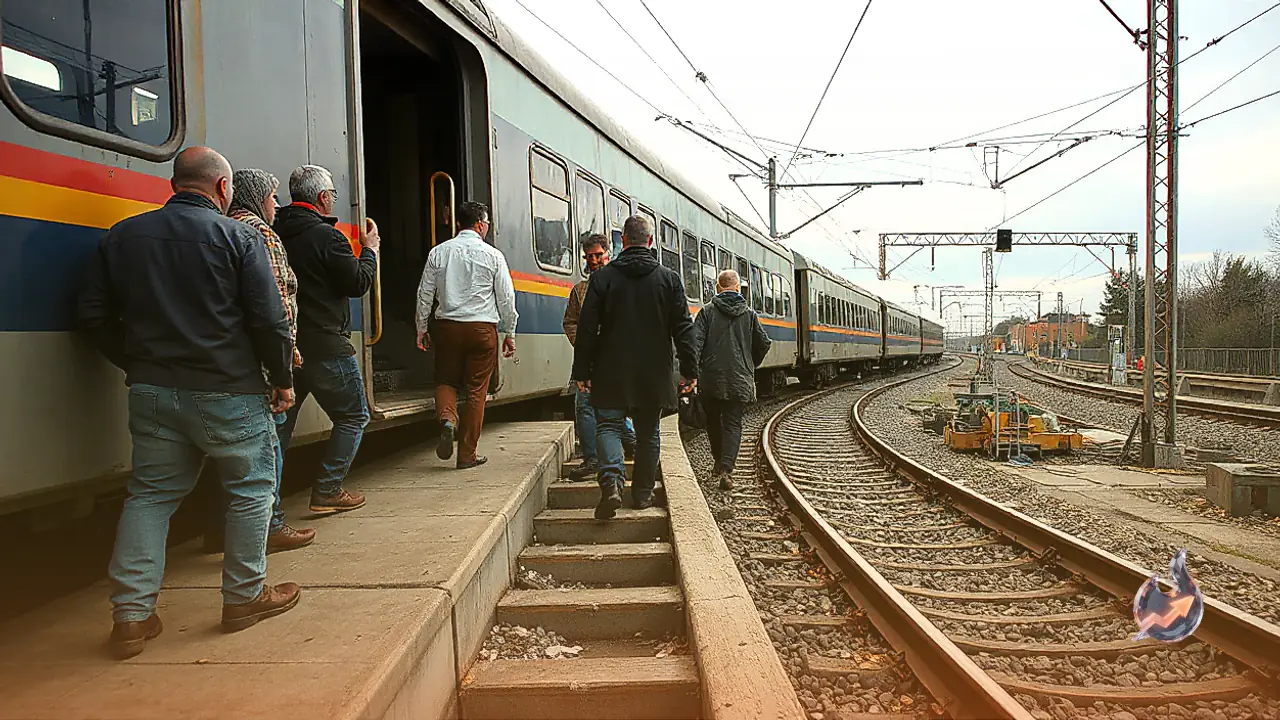
According to operational data provided by ADIF, the state agency overseeing Spain's railway infrastructure, the tragedy unfolded on a Wednesday morning near the town of Urda in Toledo province. Two high-speed services carrying hundreds of passengers were traveling in the same direction along the vital corridor linking Madrid to the southwestern city of Seville. A commercial passenger service operated by private carrier Iryo had come to a halt on the tracks between two rural settlements. A following train run by state-owned operator Renfe collided directly into the rear of the stationary Iryo train. The severe impact crushed the rear carriages and derailed two wagons, resulting in the instant deaths of dozens of commuters inside the wreckage.
A Dark Milestone in European Rail Safety
The collision on 28 October stands as Spain's deadliest railway disaster since 2013 and ranks among the most severe train crashes in Europe's contemporary history. Compounding public fury is the troubling reality that this marks the country's second fatal crash of identical nature this year. In January, another high-speed crash on the exact same transit corridor in southern Spain resulted in 46 fatalities. Remarkably, both collisions involved passenger services operated by the very same commercial entities, state railway Renfe and private company Iryo. The occurrence of two deadly rear-end collisions along high-capacity lines within ten months has cast serious doubt on automated braking systems, track detection, and dispatcher communication across the regional network.
Implications for Infrastructure and Governance
Throughout his final appearance before the congressional chamber, Puente attempted to defend planned technical interventions aimed at rectifying vulnerabilities on high-speed tracks. However, critics argued that early warnings and structural weaknesses highlighted during the January inquiry had not been addressed swiftly enough to prevent the 69 deaths in Toledo. With Puente's departure, Spain's governing administration faces urgent pressure to conduct an independent overhaul of signaling systems and operational oversight. Restoring commuter confidence across the high-speed rail network has now become a critical operational and electoral test for the transport department.