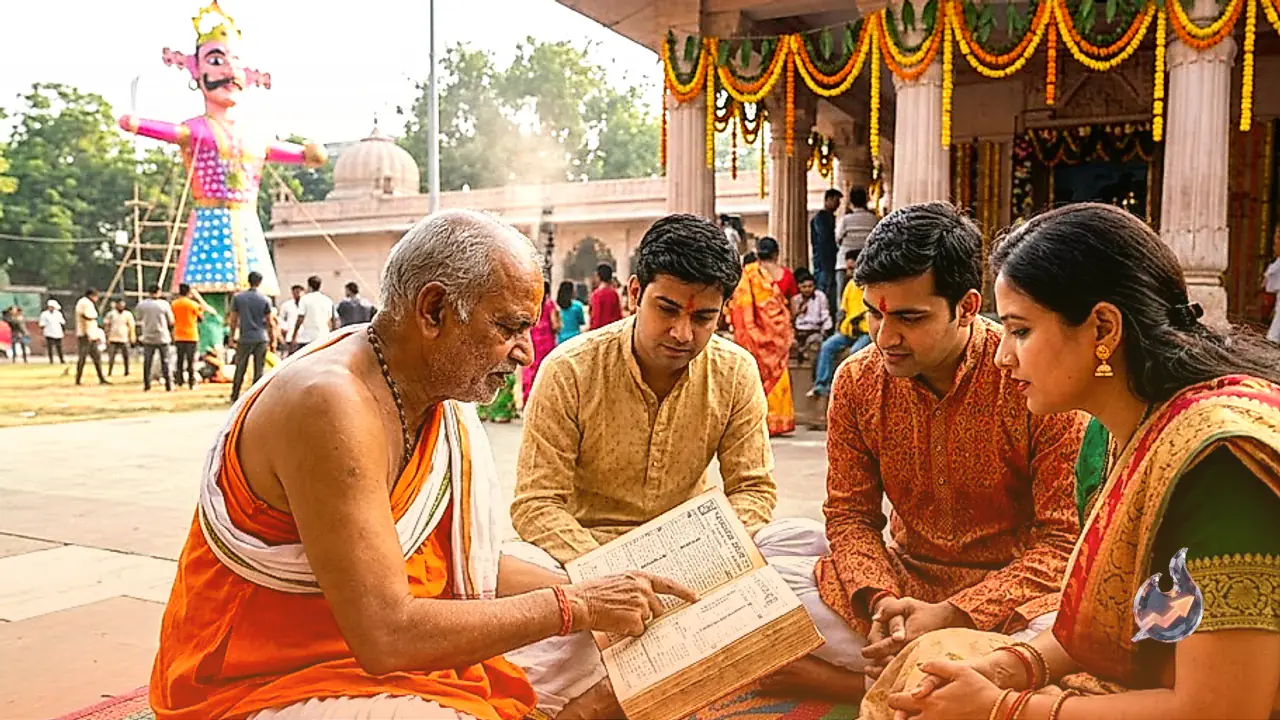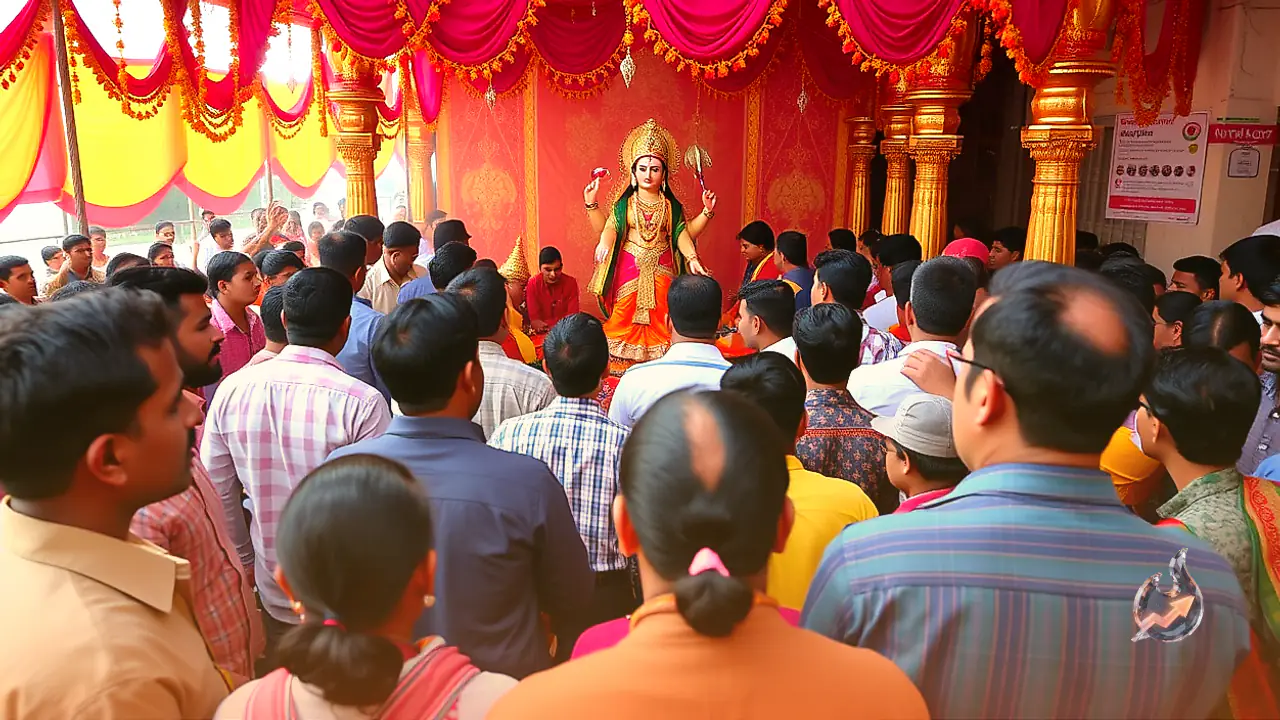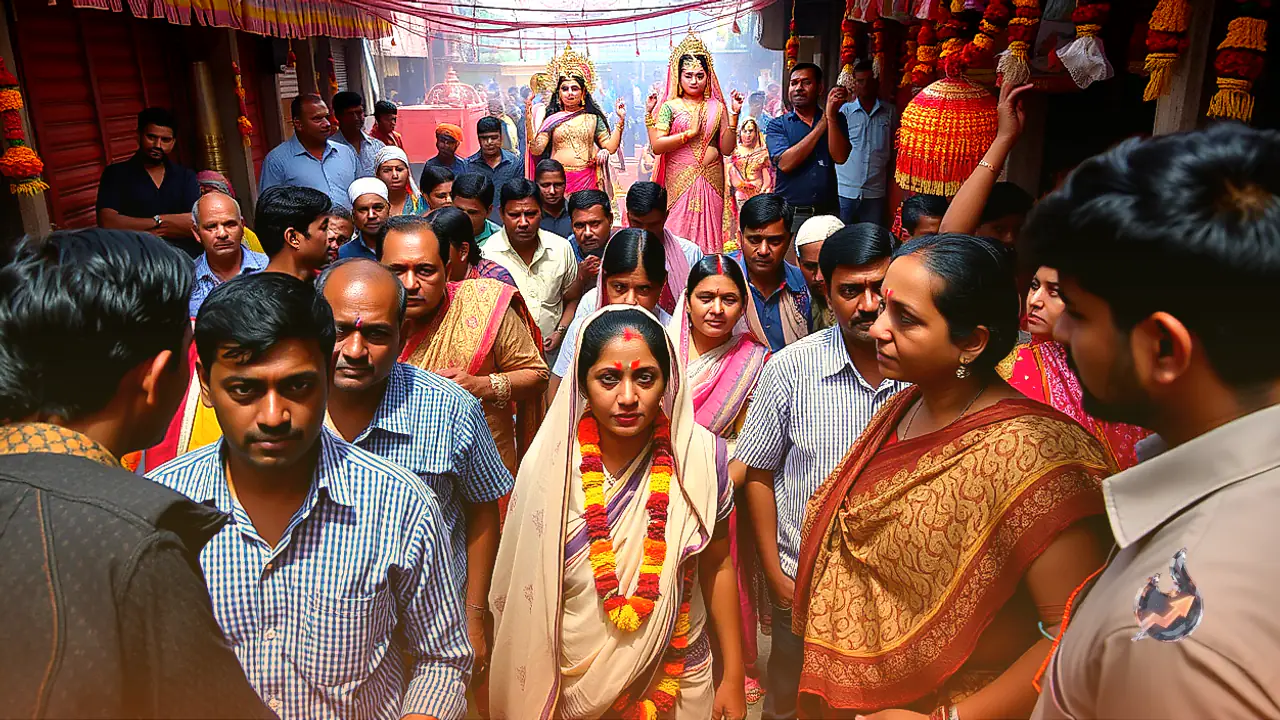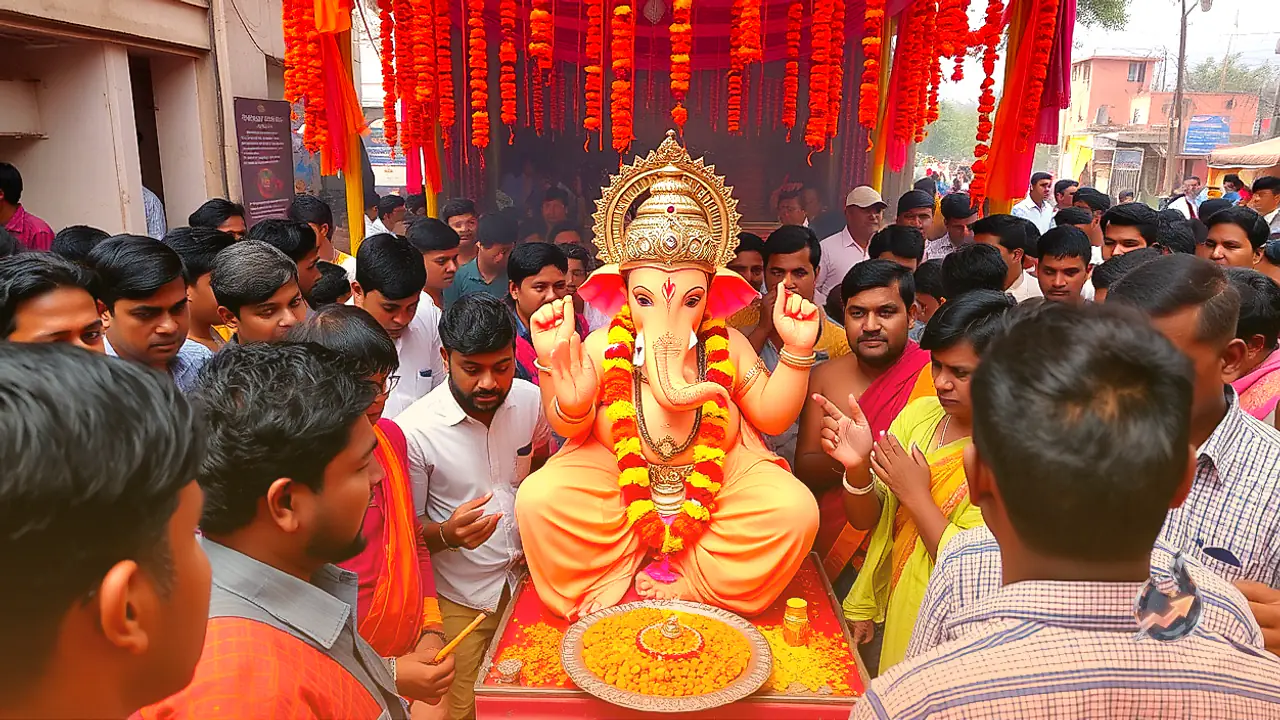

















Raksha Bandhan 2026 will be celebrated across India on Friday, August 28, bringing clarity to families preparing for the sacred festival that honours the enduring bond between brothers and sisters. The annual celebration involves traditional rituals including the tying of the ceremonial Rakhi thread, exchanging gifts, and sharing festive sweets. This year, because the Shravan Purnima tithi spans over two consecutive calendar days, questions had arisen regarding the exact calendar day for conducting the rituals. Based on the traditional Indian Panchang calculations governed by the sunrise principle, Friday, August 28 stands as the designated date for observing all major Raksha Bandhan rituals. Individuals planning family travel, festive shopping, and home gatherings are advised to schedule their primary events around this confirmed date.
Understanding the Shravan Purnima Tithi Timeline
The festival of Raksha Bandhan is observed on the Purnima, or full moon day, of the Hindu lunar month of Shravan. In 2026, the Shravan Purnima tithi is calculated to begin at 9:08 am on Thursday, August 27, and will draw to a close at 9:48 am on Friday, August 28. In Vedic calendar tradition, when a lunar tithi extends across two solar days, the day on which the tithi is present during sunrise, known as the Udaya Tithi, is universally accepted for festival observances. Since the full moon tithi remains active at sunrise on August 28, the day of Friday is established as the principal date for Raksha Bandhan, even though the tithi officially begins on the morning of August 27.
Rakhi Tying Ceremony Shubh Muhurat and Delhi Timings
For sisters and brothers preparing to perform the traditional ritual, adhering to the auspicious time window is a vital part of the celebration. In Delhi, the official shubh muhurat for tying Rakhi on August 28, 2026, extends from 5:57 am in the early morning until 9:48 am. This offers a dedicated window of 3 hours and 51 minutes for completing the ceremonial tying of the thread, applying the traditional tilak, offering sweets, and exchanging blessings. Because local sunrise times and astronomical factors vary across different regions, the precise muhurat can experience minor variations outside the national capital region. Families located in other cities or overseas are encouraged to consult local Panchang timings corresponding to their specific geographic coordinates.
Bhadra Kaal Analysis and Inauspicious Hours
Checking the Bhadra Kaal timing is a standard practice during Raksha Bandhan preparations, as traditional belief holds that performing auspicious ceremonies during Bhadra should be strictly avoided. In Vedic astrology, Bhadra is considered an inauspicious duration during which holy rites such as tying Rakhi are paused. For Raksha Bandhan 2026, Bhadra commences on Thursday, August 27, alongside the start of Purnima tithi, but it fully concludes prior to sunrise on Friday, August 28. Consequently, the morning ritual window on August 28 is completely free from the shadow of Bhadra. Families adhering to classical customs can proceed with the morning ceremonies without any astrological impediments.
Cultural Significance and Festive Preparation Guidelines
Beyond its astrological calculations, Raksha Bandhan remains a cornerstone of Indian cultural heritage, celebrating mutual protection, affection, and family unity. On the morning of August 28, traditional preparations begin early with the assembly of the puja thali containing ritual items such as vermilion, rice grains, sweets, and decorative Rakhi threads. Given that the Purnima tithi concludes at 9:48 am on Friday morning, completing the core rituals during the early morning hours ensures compliance with traditional guidelines. Families organizing travel and festive meals can structure their day efficiently around this early ritual timeframe, ensuring a seamless and joyful celebration.