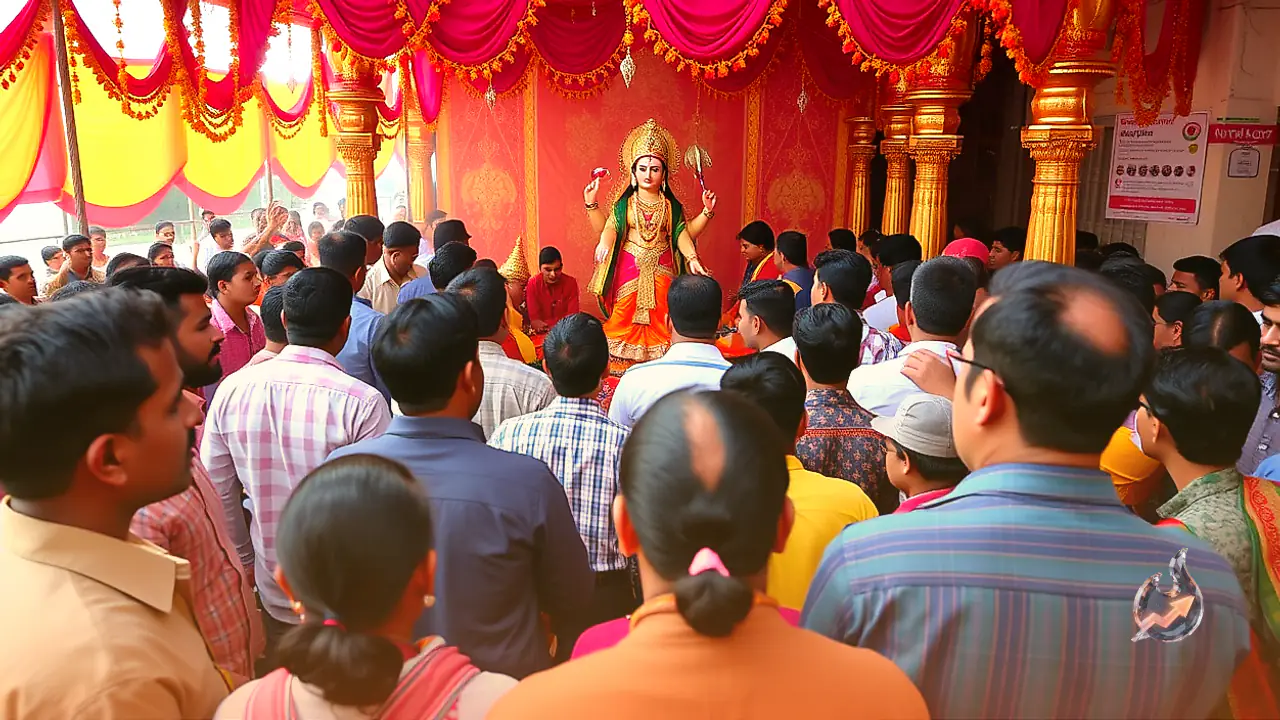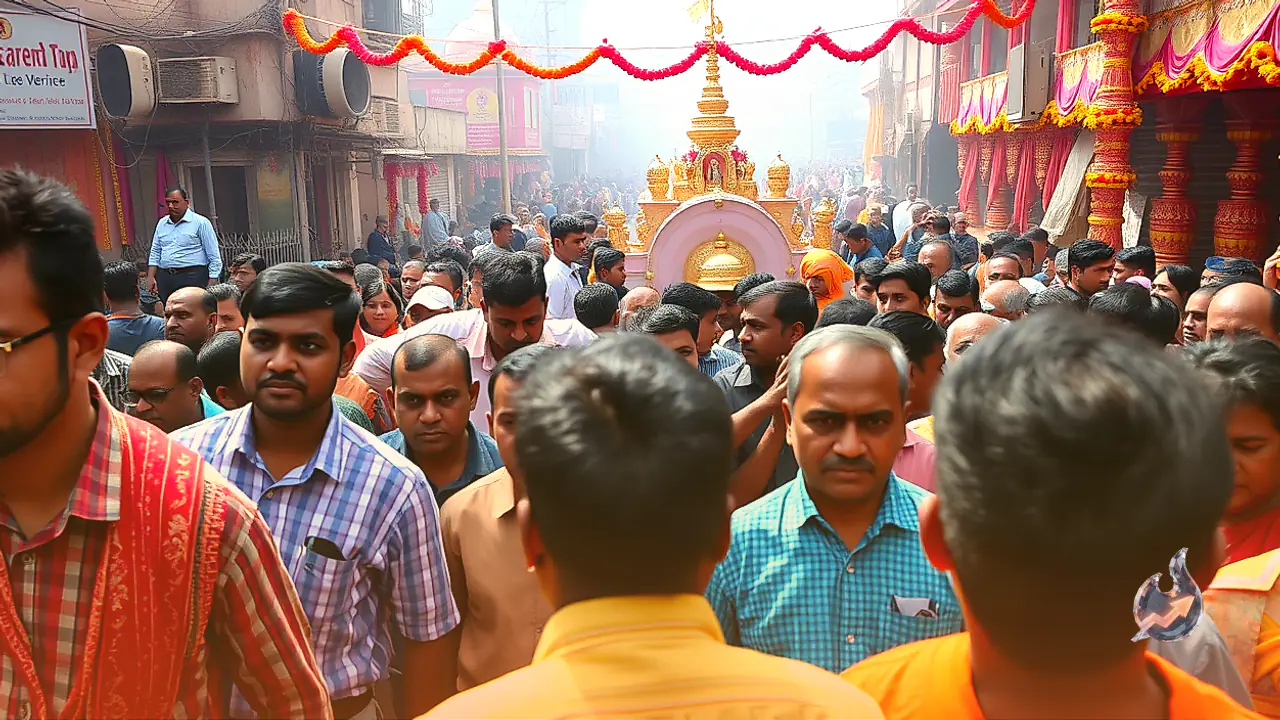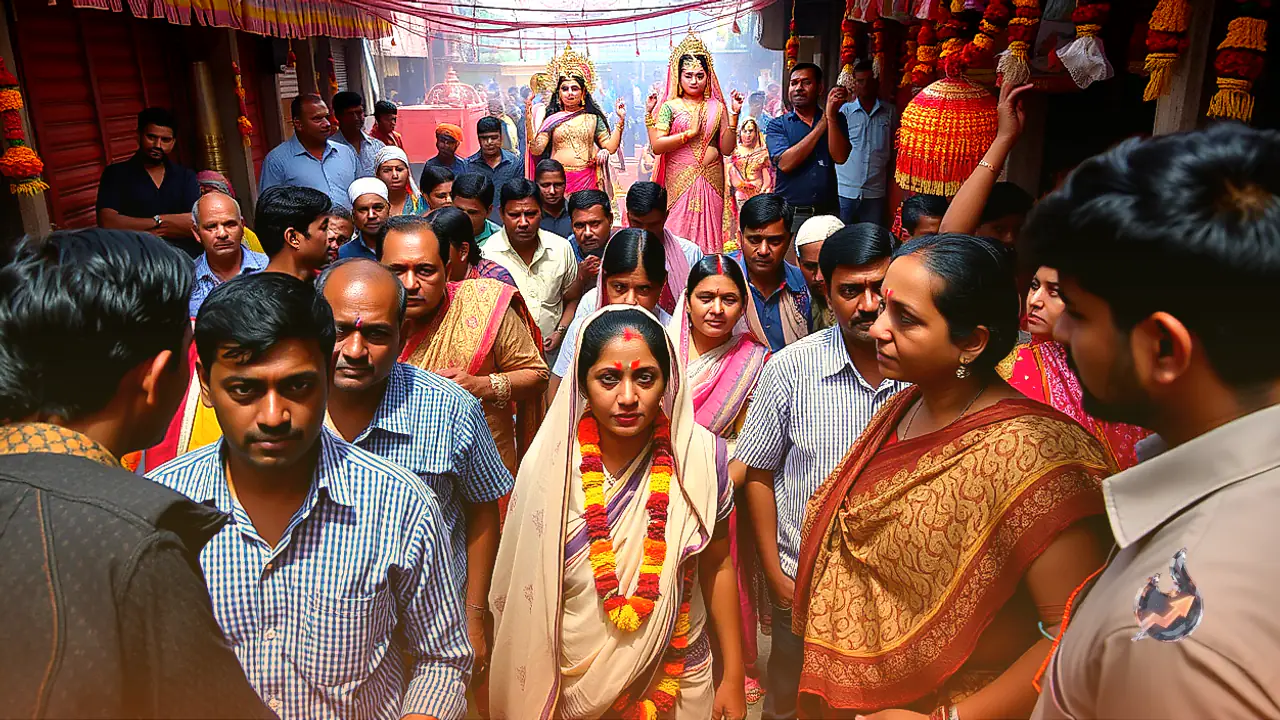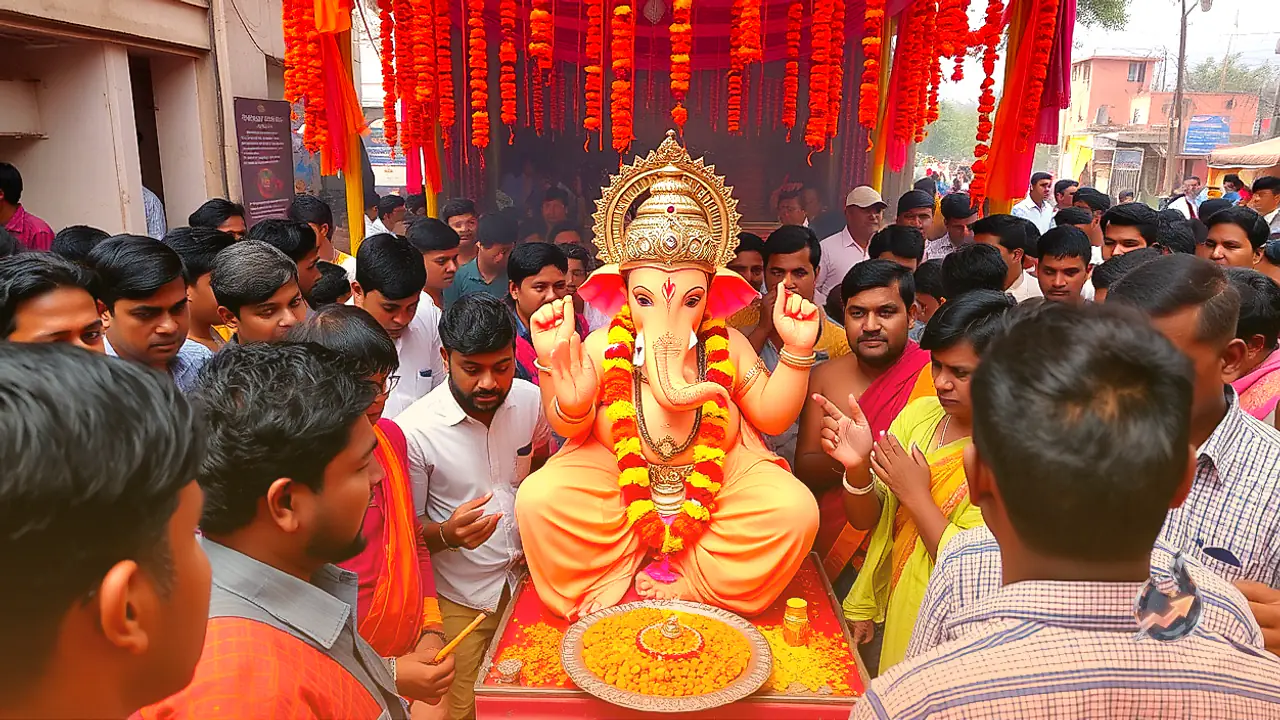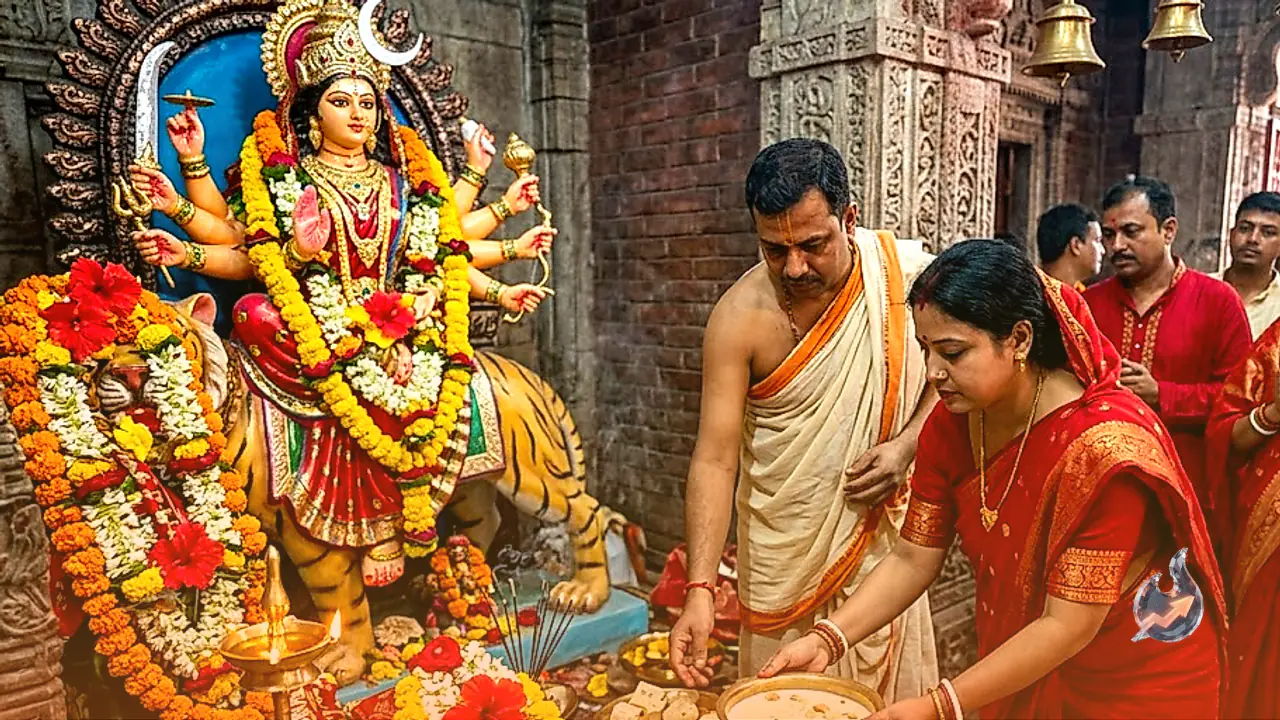




















Vijayadashami stands as one of the prominent festivals in Sanatan Dharma, widely regarded as the ultimate symbol of the victory of righteousness over unrighteousness and good over evil. Dussehra is observed to commemorate Lord Rama vanquishing Ravana. While the burning of effigies remains a widespread practice, many regions also observe the tradition of worshipping weapons. Understanding why weapons are honoured on this day reveals deep-rooted religious beliefs and historical connections.
Date and Timings of Dussehra
Vijayadashami falls on the Dashami Tithi of the Shukla Paksha in the month of Ashwin, immediately following the nine days of Shardiya Navratri. According to the panchang, the Dashami Tithi begins on October 20 at 12:50 PM and concludes on October 21 at 2:11 PM, leading to the celebrations taking place on October 20, along with the burning of Ravana effigies across various parts of the country.
Auspicious Muhurat for Ravana Dahan
During Vijayadashami, the Pradosh Kaal and the time of sunset are considered the most auspicious periods for Ravana Dahan. As per the calendar calculations, sunset on October 20 will occur at 5:47 PM. Consequently, the favourable window for burning the effigy runs from 5:47 PM to 8:23 PM.
Significance of Weapon Worship
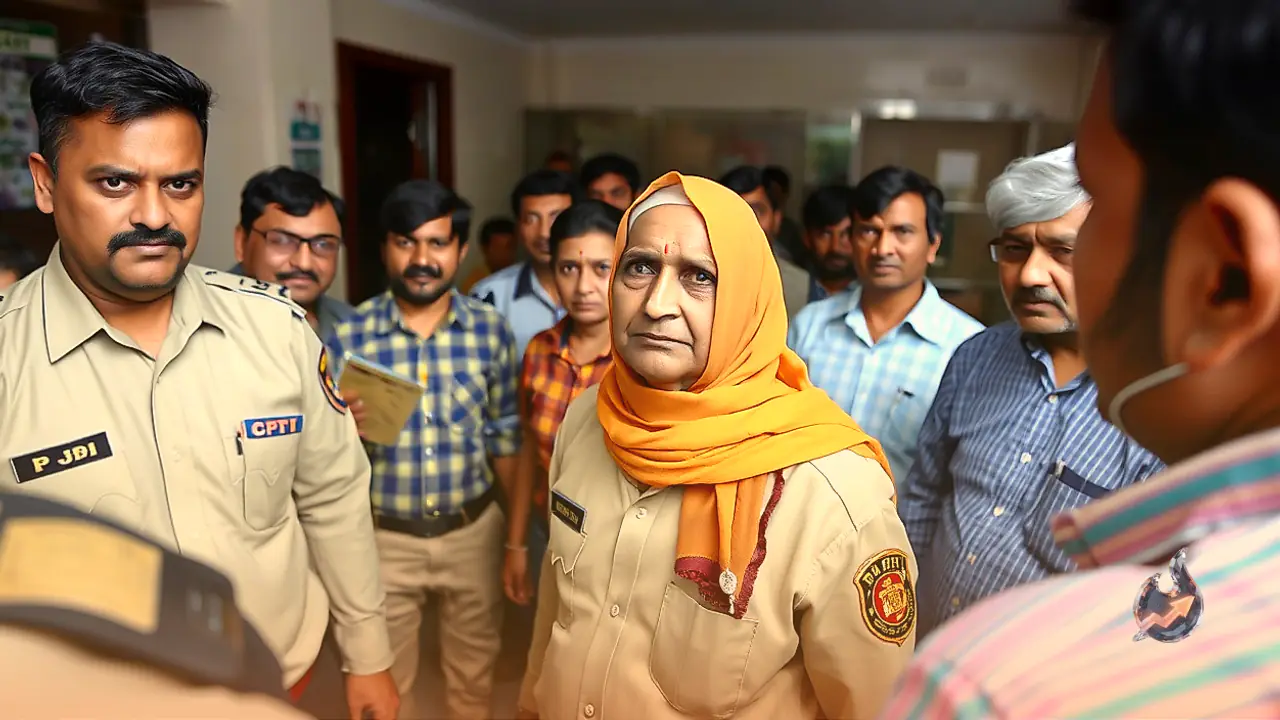
Within Sanatan tradition, weapons are never viewed merely as instruments of violence. Instead, they represent power, courage, self-defence, and the safeguarding of righteousness. The underlying philosophy of weapon worship dictates that strength must be utilised strictly against injustice and for the protection of virtue. This explains why soldiers, police personnel, and security officials worship their arms on Vijayadashami, while artisans, farmers, and workers similarly revere their professional tools.
Connection to the Mahabharata Era
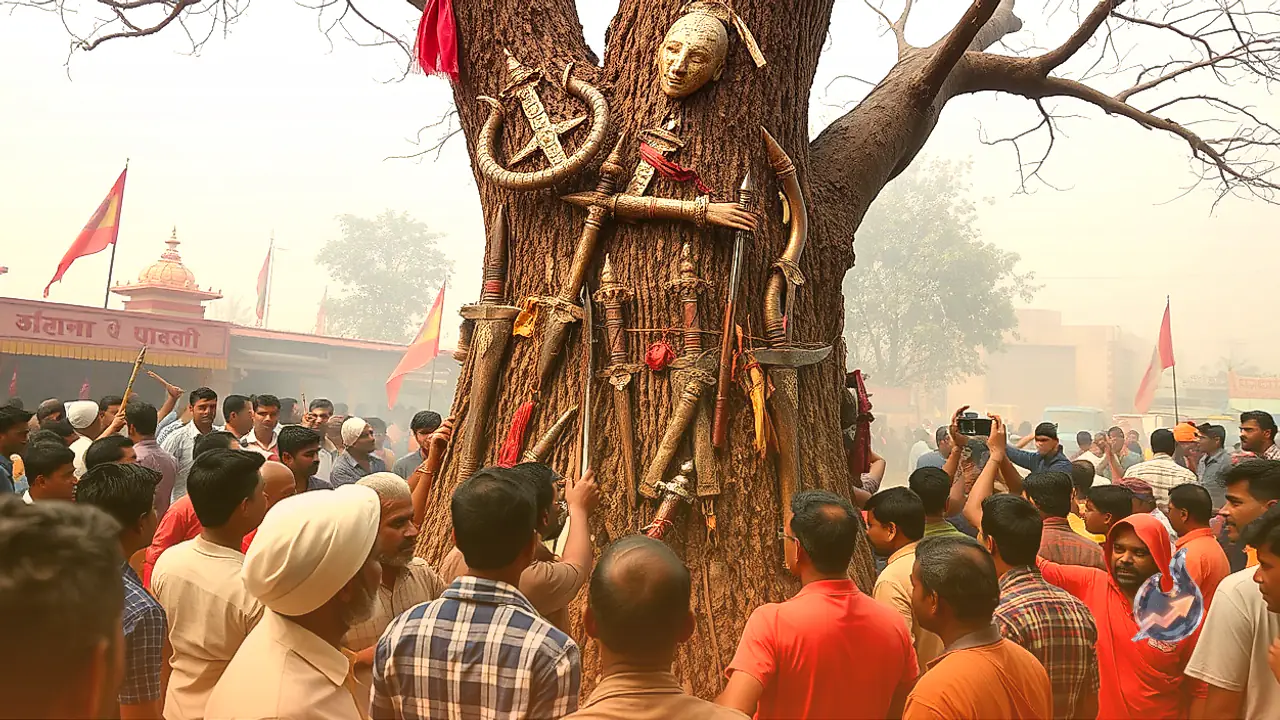
The practice of weapon worship is frequently linked back to the events of the Mahabharata. According to religious traditions, the Pandavas concealed their weapons beneath a Shami tree during their period of exile in disguise. Following the completion of their exile, Arjuna retrieved his weapons from this very tree to confront the Kaurava army and defend the kingdom of King Virata. This historic event is associated with the Dashami Tithi of Ashwin Shukla Paksha, which inspires communities in numerous regions to worship the Shami tree and weapons on Vijayadashami.
Victory of Lord Rama and Goddess Durga
Vijayadashami also shares a profound connection with Lord Rama's decisive triumph over Ravana, terminating adharma. Similarly, the texts of Devi Mahatmya describe Goddess Durga slaying Mahishasura. Both narratives convey the powerful message of overcoming injustice and negative forces. Combined with these sentiments, weapon worship serves as a solemn vow to use power justly and righteously.
Worship of Aparajita and Shami
The rituals of Vijayadashami also involve heading towards the northeast direction to worship the Aparajita plant and seeking the darshan of the Shami tree. Religious lore considers these acts to be auspicious omens closely tied to triumph and success.