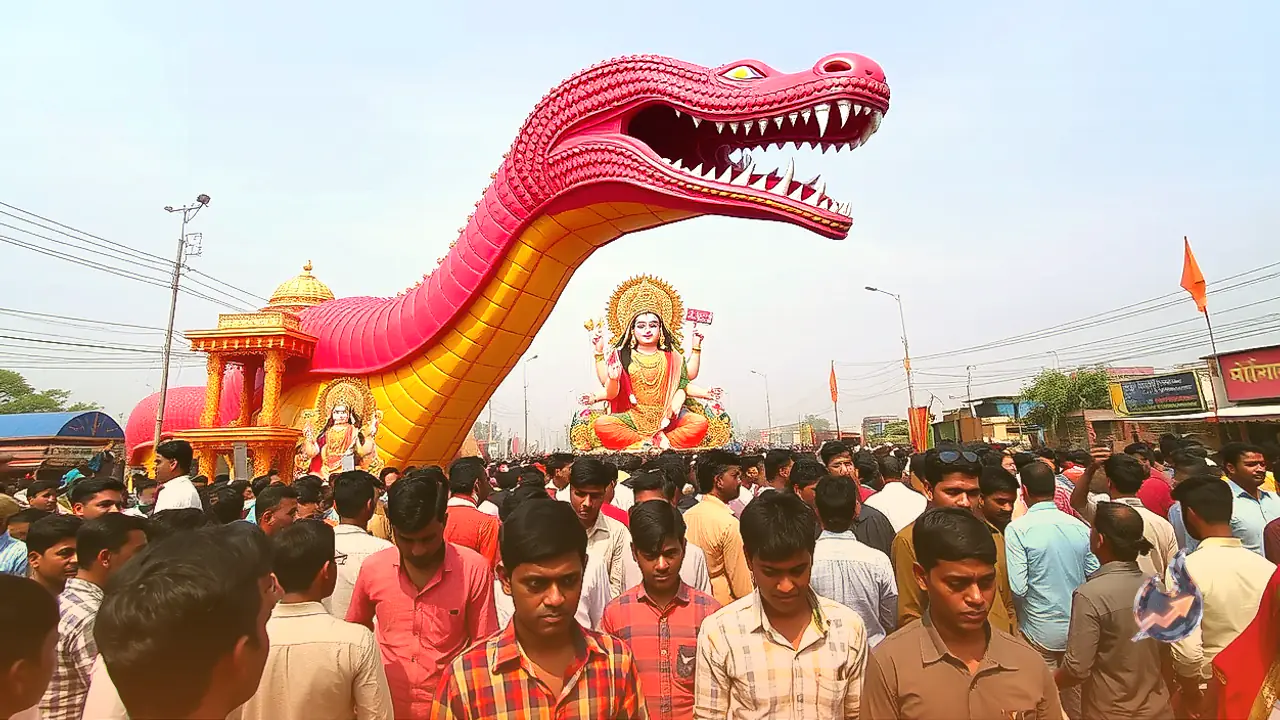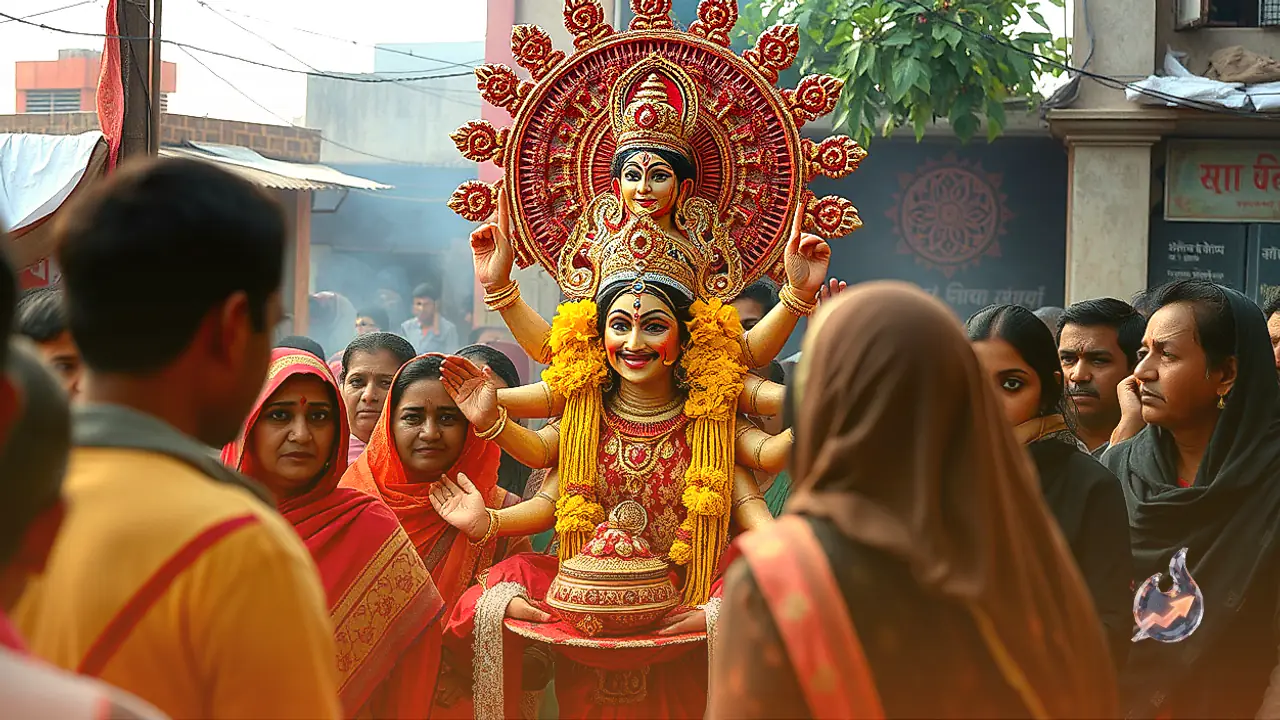

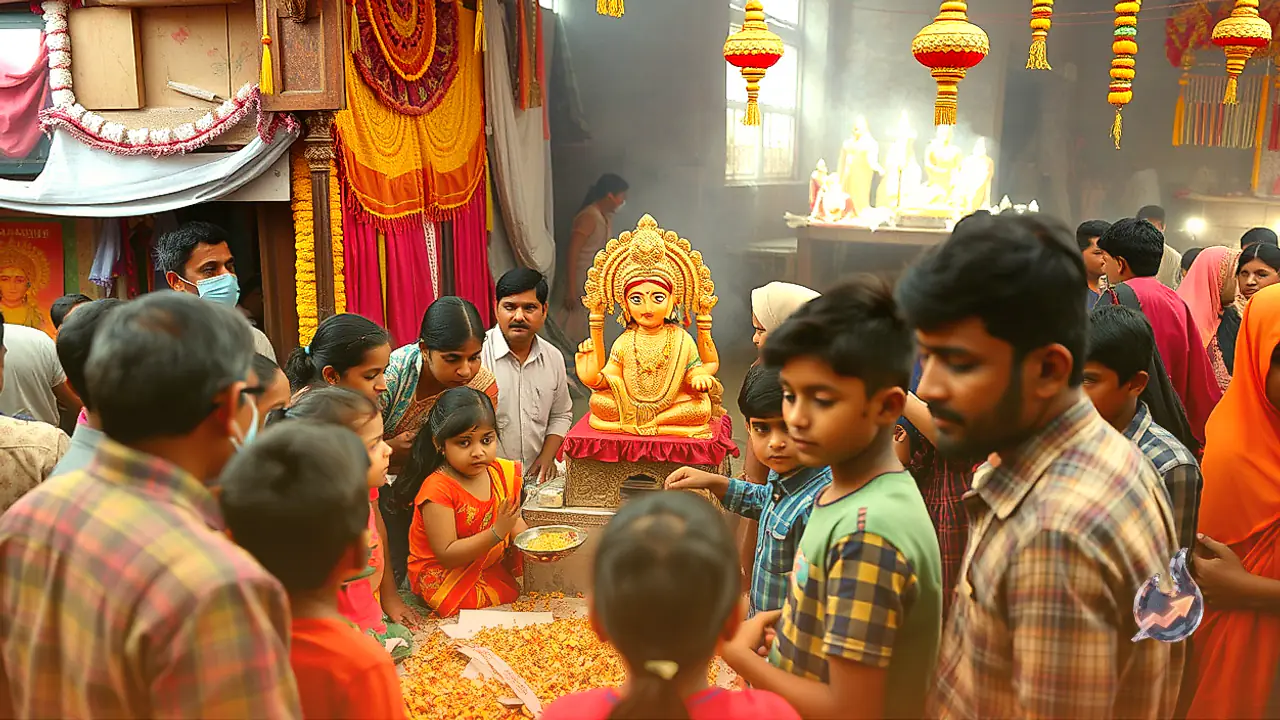















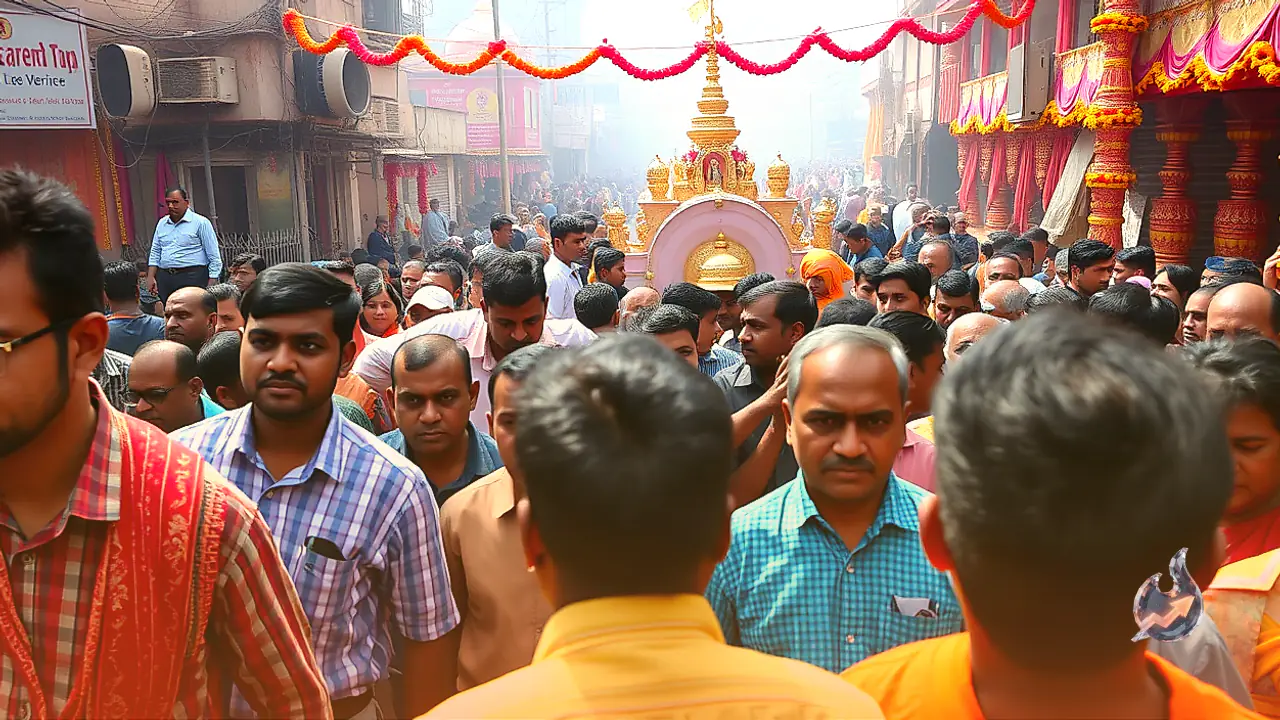

Vijayadashami, which celebrates the triumph of righteousness over malice and virtue over evil, is observed annually on the Dashami tithi of the Shukla Paksha in the month of Ashwin. In the year 2026, the calendar alignment creates significant confusion among devotees, as the tenth lunar day stretches across two consecutive calendar dates. Discussions have emerged regarding whether the festival should be observed on October 20 or October 21. To determine the most appropriate day for festivities, one must consider both the specific planetary hours designated for worship and the evening period assigned for effigy burning.
Commencement and Conclusion of the Dashami Tithi
According to the Hindu calendar, the Dashami tithi of Ashwin Shukla Paksha commences on Tuesday, October 20, 2026, at 12:50 PM. The tithi will conclude the following day, October 21, at 2:11 PM. Under ordinary traditional conventions, Hindu festivals are frequently determined by the sunrise tithi, known as Udaya Tithi, which would indicate October 21 as the primary day. However, scriptural guidelines for Vijayadashami place decisive emphasis on the presence of the tithi during Aparahna, Vijay Muhurat, and the evening Pradosh Kaal, which makes the afternoon and evening of October 20 central to the festival rituals.
Auspicious Windows for Vijay Muhurat and Afternoon Worship
Performing religious ceremonies, conducting weapon worship, and starting new ventures during the Vijay Muhurat on Dussehra is regarded as exceptionally auspicious. The planetary positions on October 20 offer distinct windows for these sacred observances during the afternoon hours.
- Vijay Muhurat: The precise period extends from 1:59 PM to 2:45 PM on October 20.
- Aparahna Puja Time: The broader afternoon worship window runs from 1:14 PM to 3:30 PM on October 20.
Sacred lore holds that Lord Ram initiated his decisive march against the demon king during the Aparahna period, establishing a long-standing tradition where ventures undertaken in this timeframe are believed to attain complete success.
Timings for Ravan Dahan and Evening Observances
A core cultural ritual of the celebration involves the burning of massive effigies representing Ravan, Kumbhakaran, and Meghnad at dusk. Scriptural directives require this burning ritual to take place during Pradosh Kaal, which begins immediately after sunset while the Dashami tithi remains active. On October 20, the Pradosh Kaal begins at 5:47 PM. Because the tenth lunar day is ongoing at this hour, public effigy burnings can be suitably scheduled for the evening of October 20, though regional customs and local panchang variations often guide community event committees in setting exact times. Additionally, the auspicious Nishita Muhurat is marked from 11:41 PM on the night of October 20 until 12:31 AM on October 21.
Culmination of Shardiya Navratri and Spiritual Meaning
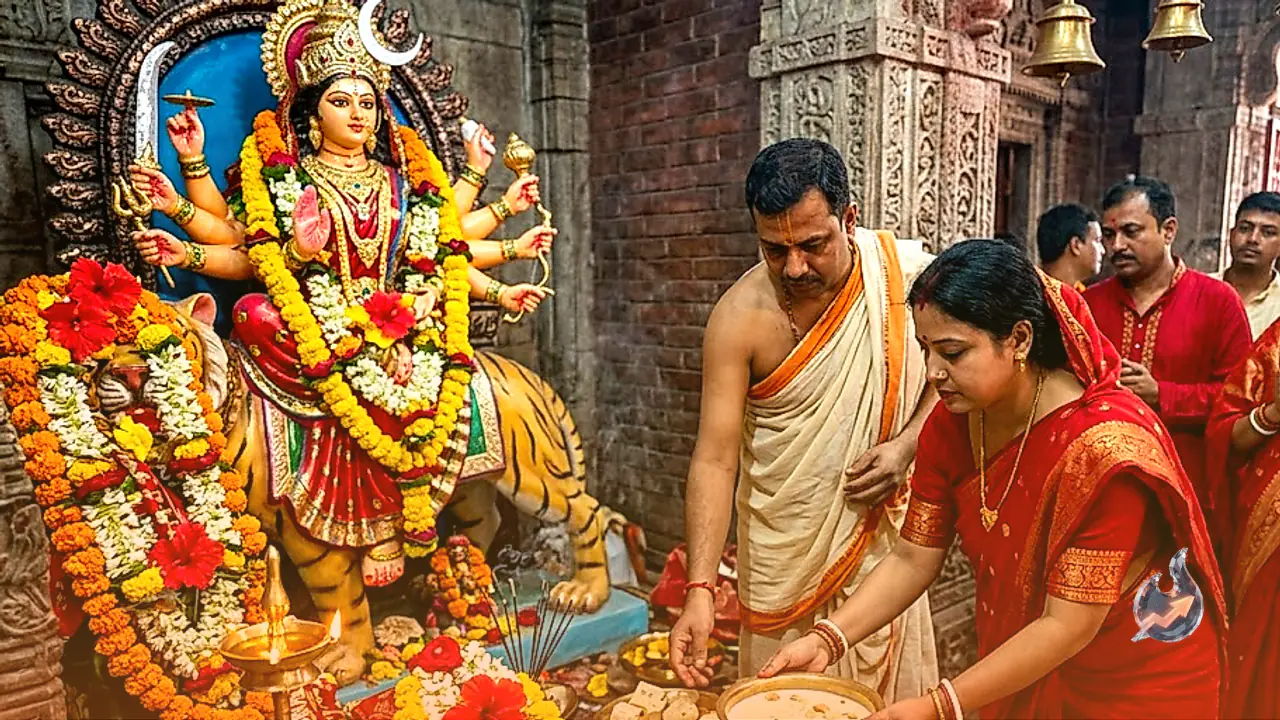
Beyond the theatrical re-enactment of mythic battles, Vijayadashami marks the formal conclusion of the nine-day Shardiya Navratri observance. Devotees who observed strict fasting regimens during the Navratri period conduct closing rituals, offer concluding prayers, and perform the parana to conclude their fast on Dashami. Classical narratives commemorate two grand victories on this date: the defeat of Ravan by Lord Ram and the slaying of the demon Mahishasura by Goddess Durga after a protracted contest. Consequently, the festival stands as an enduring call for individuals to conquer ego, greed, and wrongdoing within themselves while committing to righteous conduct.