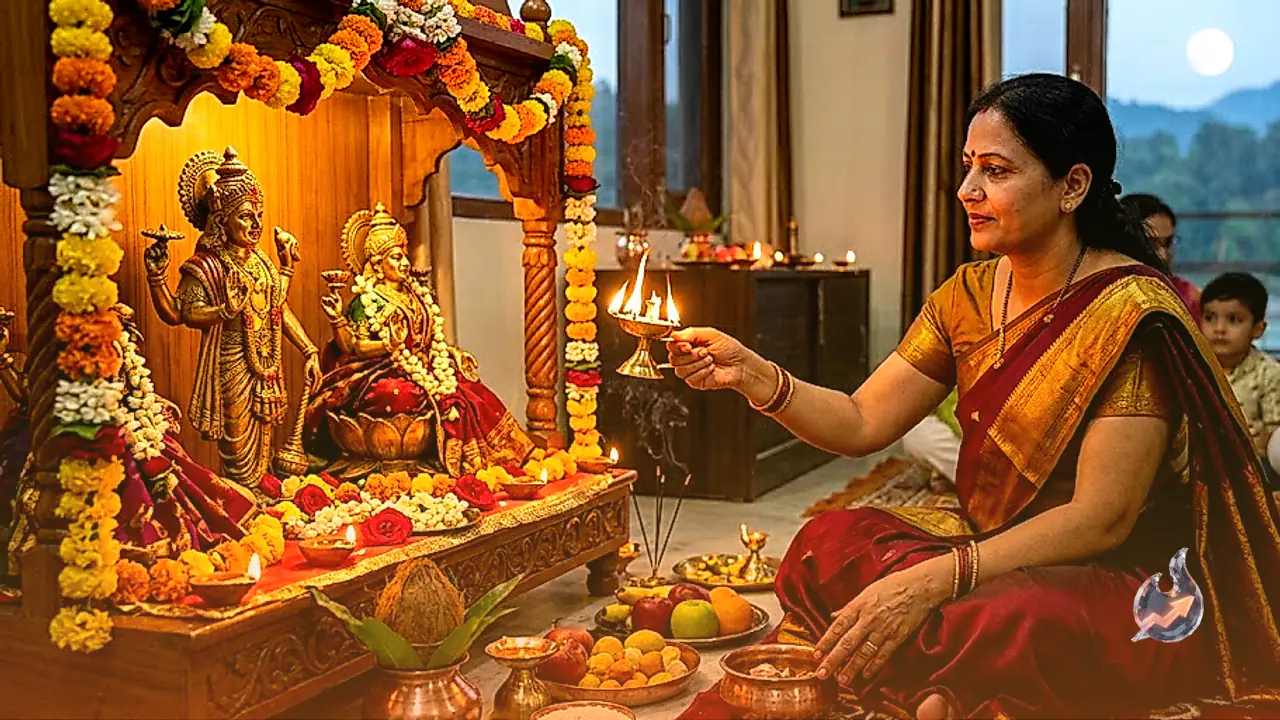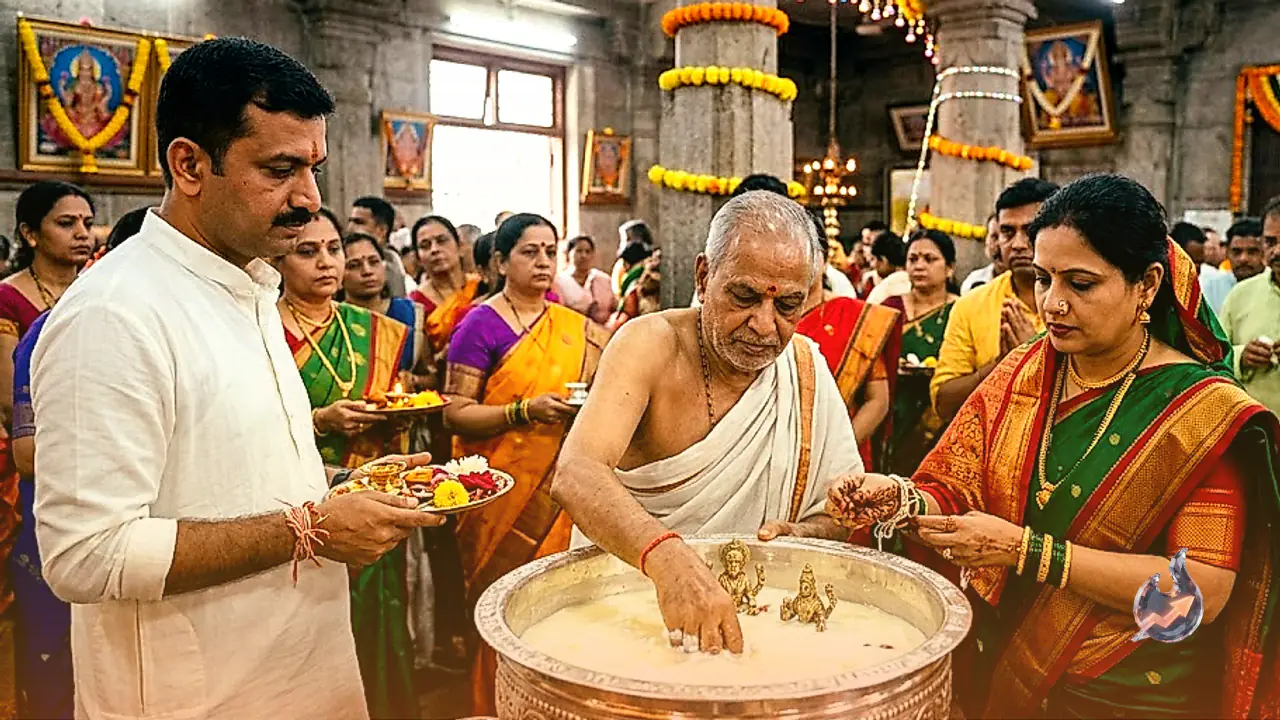






















In Hindu spiritual tradition, Bhadrapada Purnima holds profound significance as a day of solemn worship, sacred immersion, and philanthropic acts. Falling on September 26, 2026, this auspicious full moon day also marks the official commencement of Pitru Paksha, the fortnight dedicated entirely to honoring departed ancestors. Devotees dedicate this day to revering Lord Vishnu and Goddess Lakshmi through structured prayers, meditation, and continuous chanting to invite prosperity and spiritual peace. Because this date coincides with the gateway into the ancestral homage period, it requires strict adherence to traditional lifestyle codes, ethical conduct, and dietary disciplines.
Prescribed Observances and Rituals for Bhadrapada Purnima
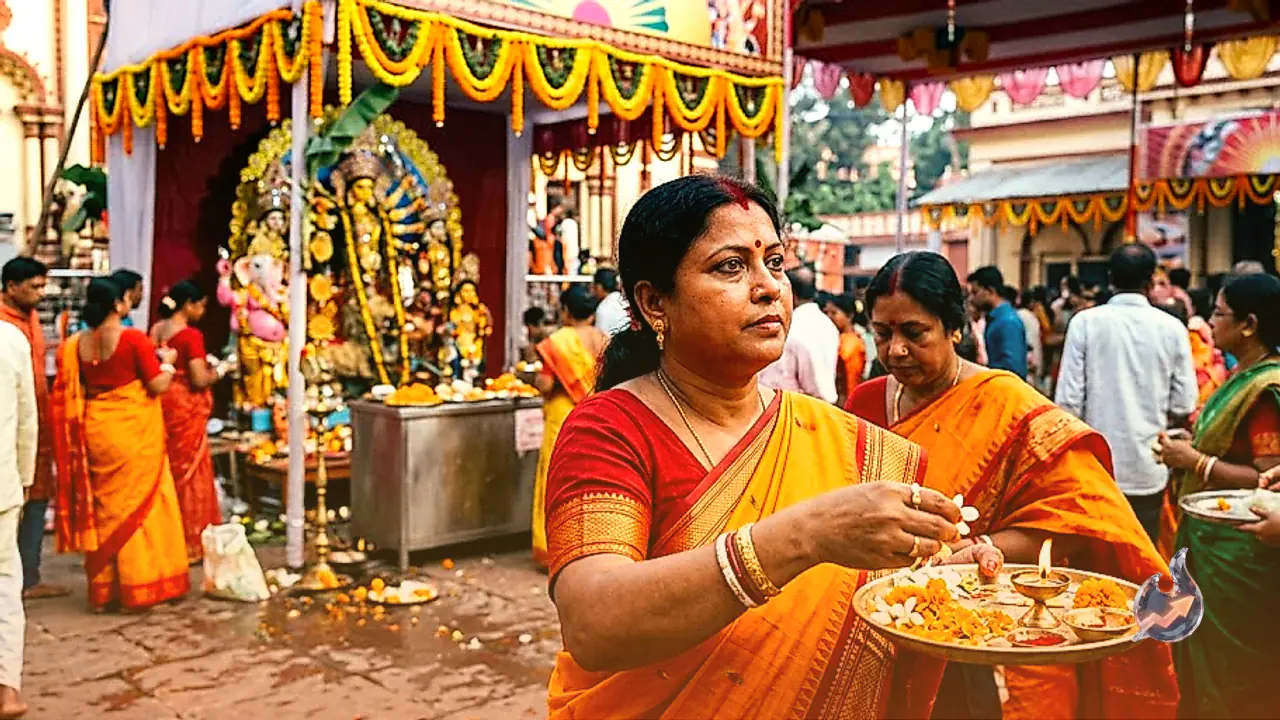
On the morning of the full moon, spiritual custom calls for rising early to clean the entire home and personal prayer sanctuaries thoroughly. After completing an early bath, worshippers don clean clothing to offer ceremonial prayers, meditation, and sacred chants to Lord Vishnu and Goddess Lakshmi. Taking a holy dip in the sacred waters of the Ganges or any venerated local river is regarded as deeply meritorious. Sharing resources with less fortunate community members is an integral duty of the day, making the generous distribution of grains, funds, and clean garments to needy individuals highly recommended. Maintaining absolute tranquility at home, avoiding hostile arguments, and consuming strictly sattvic food are considered paramount throughout the day.
Grooming and Behavioral Prohibitions
Because the sacred fortnight of Pitru Paksha begins concurrently on Bhadrapada Purnima, traditional injunctions strictly restrict certain grooming practices and lifestyle habits. Engaging in family disputes, using harsh words, or displaying disrespect toward elders is considered severely discordant with the spiritual atmosphere of the day. Grooming activities such as cutting hair, trimming beards, and clipping nails are completely prohibited during Purnima and throughout the entire duration of Pitru Paksha. Devotees seeking personal grooming are advised to finish trimming their hair or beard well before the arrival of this date. Furthermore, consuming intoxicating substances, tobacco, and tamasic dishes is strictly forbidden.
Essential Guidelines for Pitru Paksha Tarpan and Panchbali
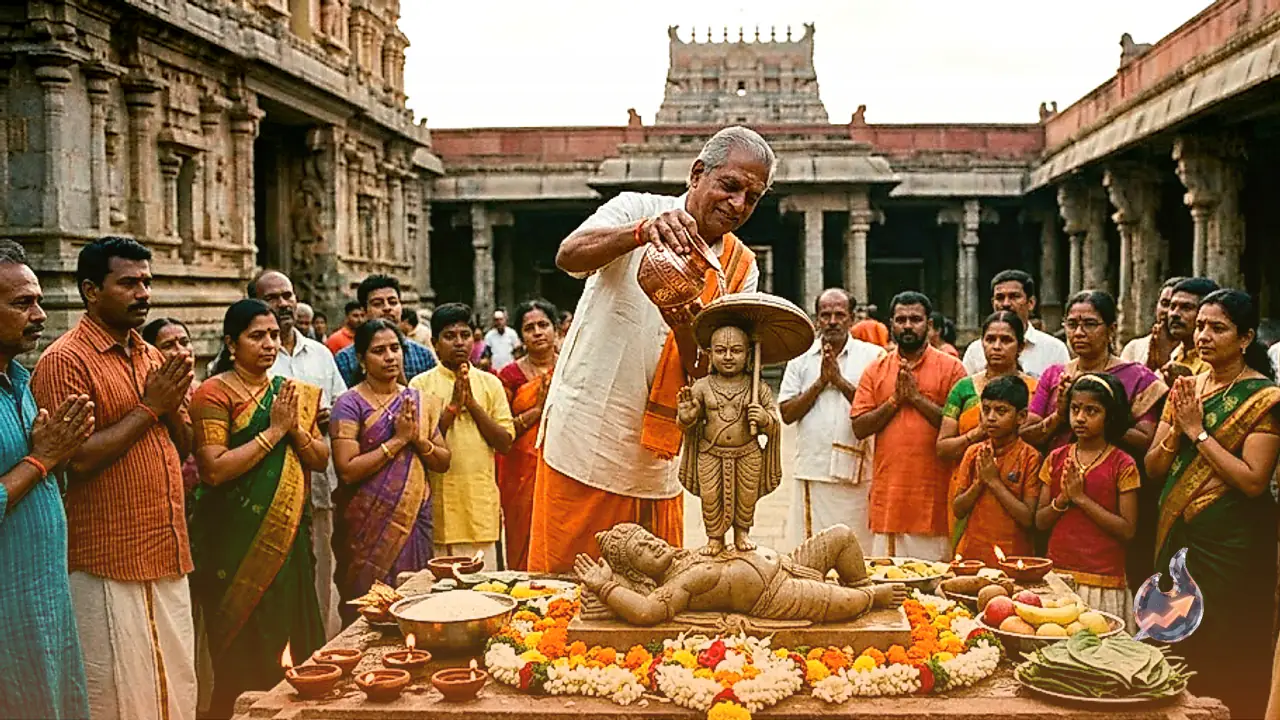
Pitru Paksha focuses predominantly on the performance of shraddha rites, pinda daan, and water offerings known as tarpan to satisfy ancestral spirits and secure their lasting blessings. Throughout these fifteen days, celebratory occasions, major auspicious milestones, and the purchase of brand new assets are traditionally deferred. The dietary regimen excludes all forms of non-vegetarian food including meat, fish, and eggs, along with root vegetables such as onions and garlic, alongside complete alcohol abstinence. A cornerstone of this period is universal hospitality: no needy individual arriving at the front door should ever be turned away empty-handed. Kindness must be extended to wandering animals and birds, particularly cows, dogs, and crows, which should never be harmed or neglected. During ritual tarpan performed daily or on an ancestor specific death anniversary, the practitioner must wear kusha grass while facing southward and offer a blend of clean water, black sesame seeds, fresh milk, and holy Gangajal. On dedicated shraddha days, once the memorial meal is cooked, practitioners must unfailingly set aside the introductory Panchbali portions for the cow, crow, dog, gods, and ants prior to household consumption.