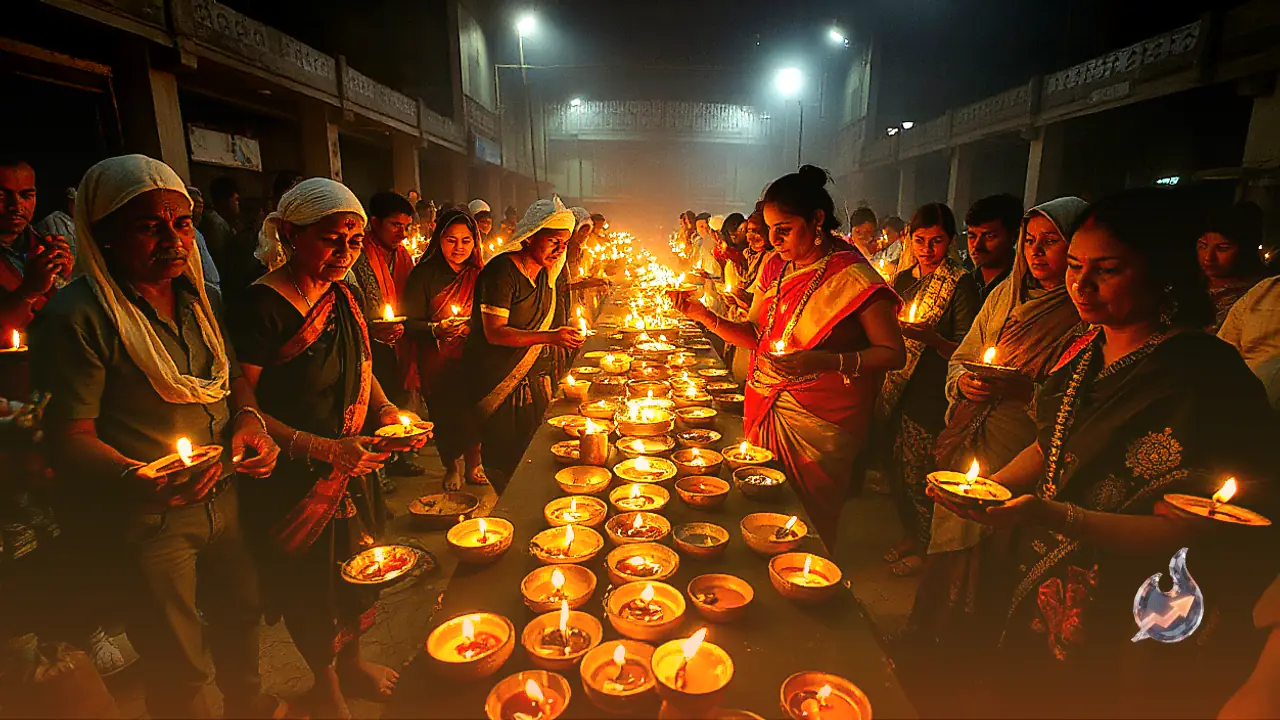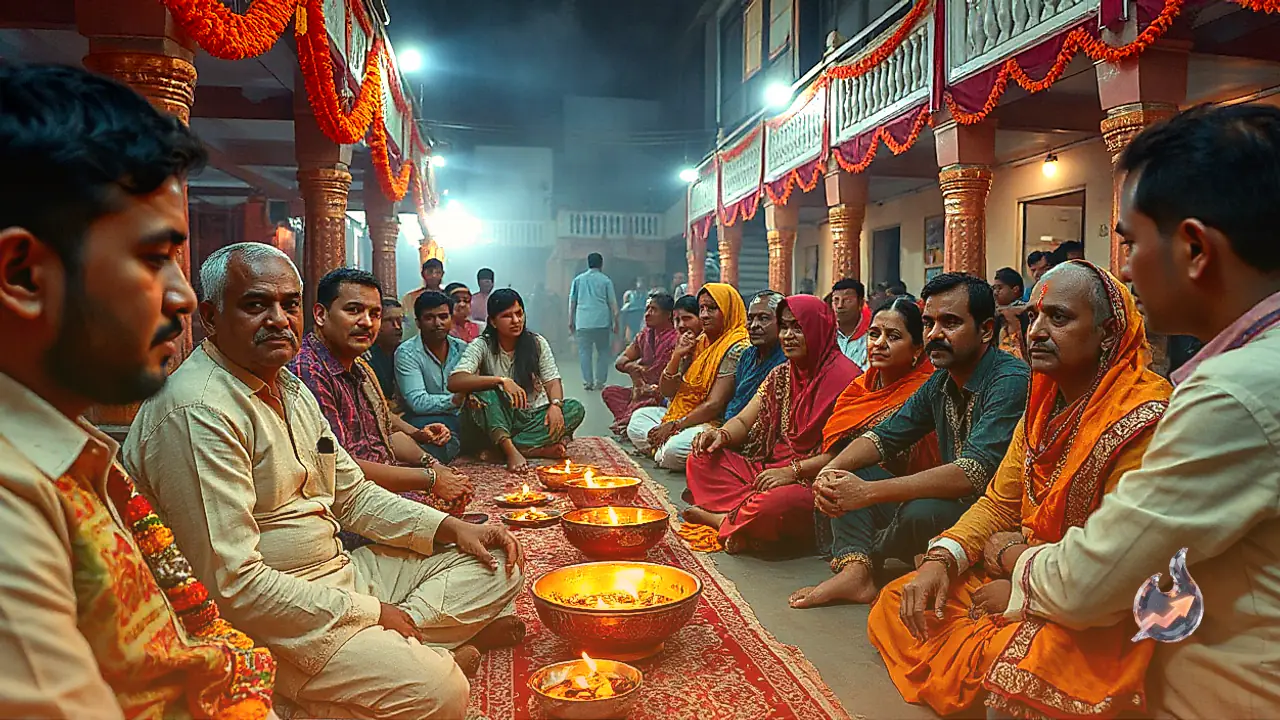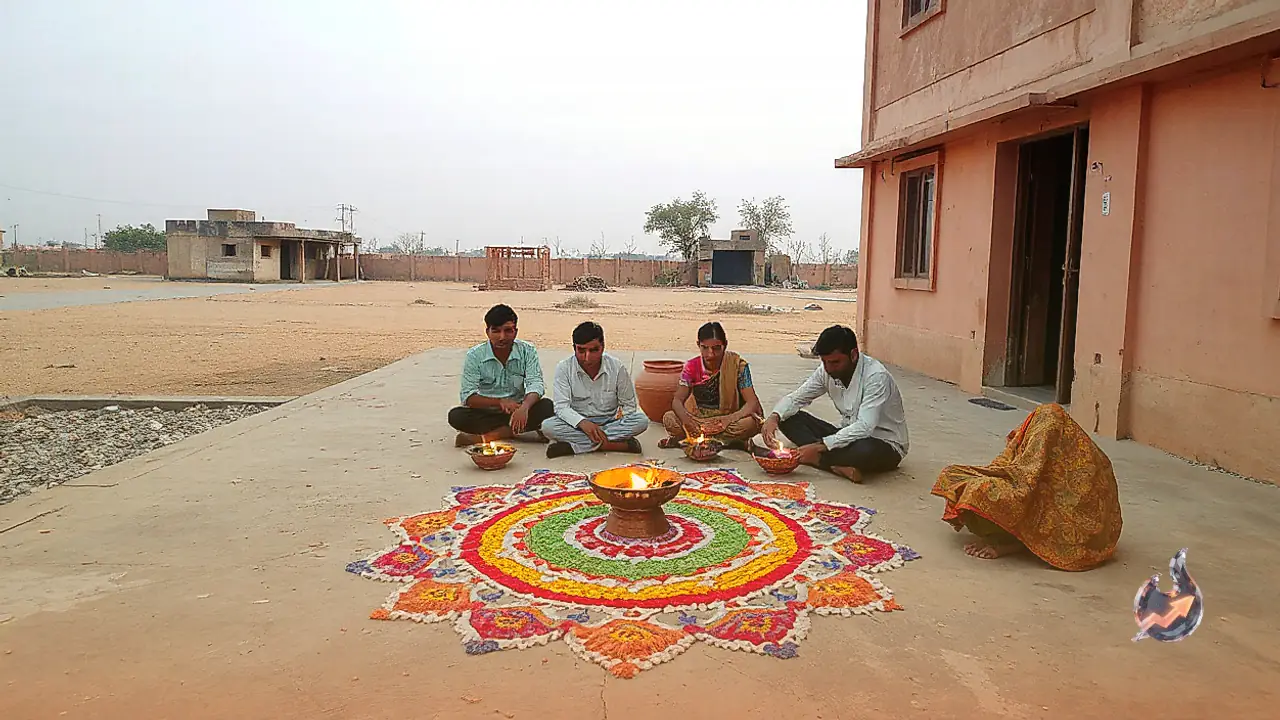

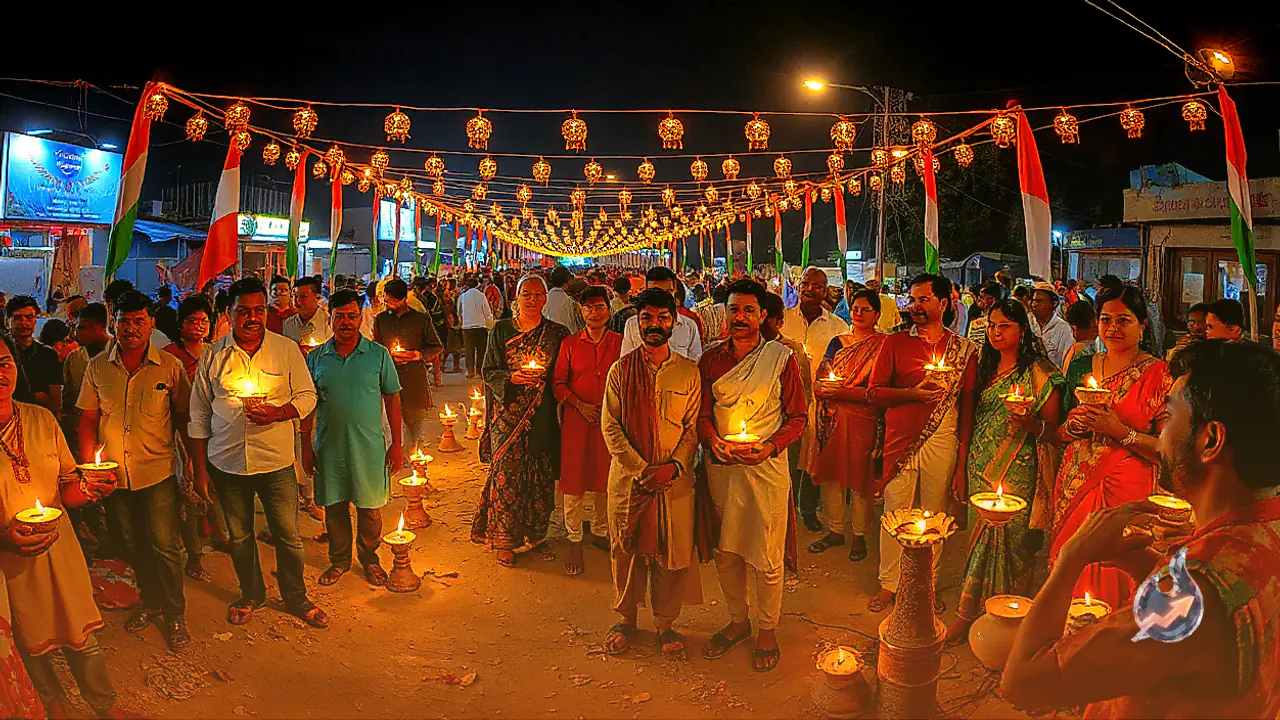















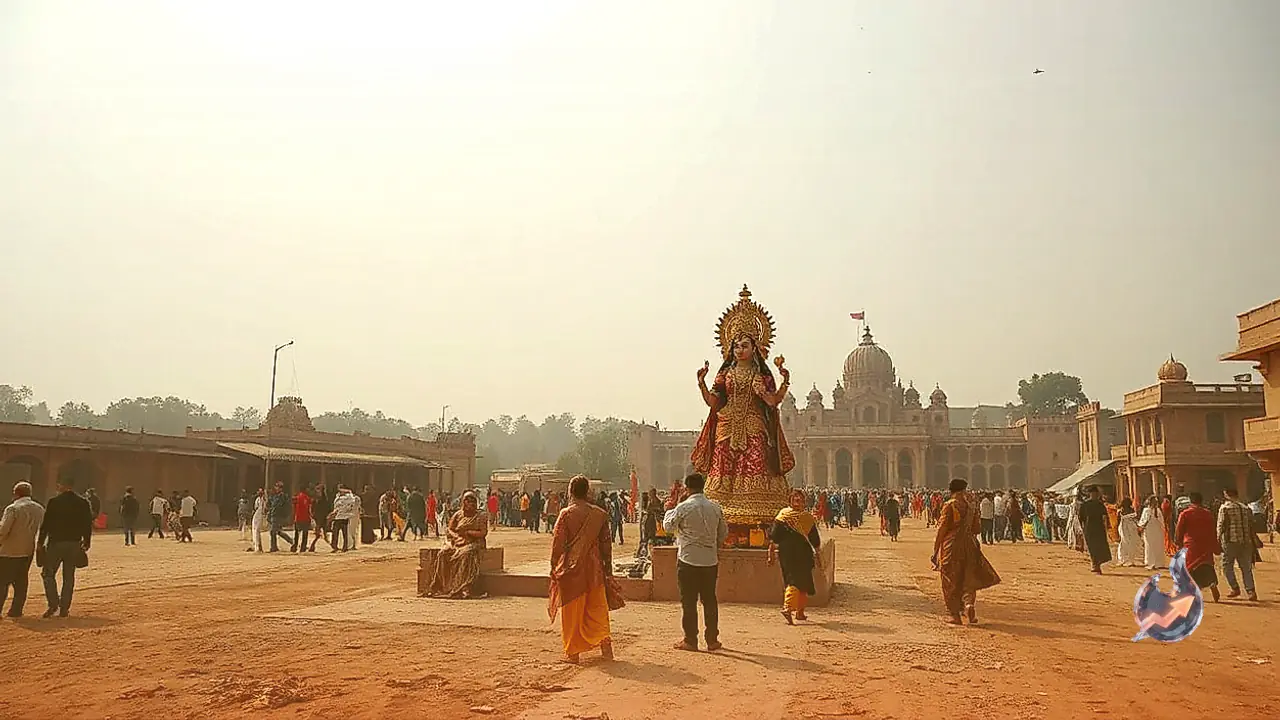

Today, on November 8, 2026, Diwali is being celebrated with immense enthusiasm. This festival of lights is widely known as Deepawali and involves traditional Lakshmi-Ganesh worship. Every year, the festival falls on the new moon night, or Amavasya, of the Kartik month. On this auspicious day, rituals are performed to worship not only Goddess Lakshmi but also Lord Ganesh, Kuber Dev, Goddess Saraswati, and Lord Rama. According to religious traditions, worshipping Lord Ganesh and Goddess Lakshmi on Diwali brings continuous prosperity and wealth into the household throughout the entire year. Let us explore why Lakshmi worship holds such prominence on this day and what Puranic tales lie behind the celebration of Deepawali.
The Legend of Lord Rama Return to Ayodhya
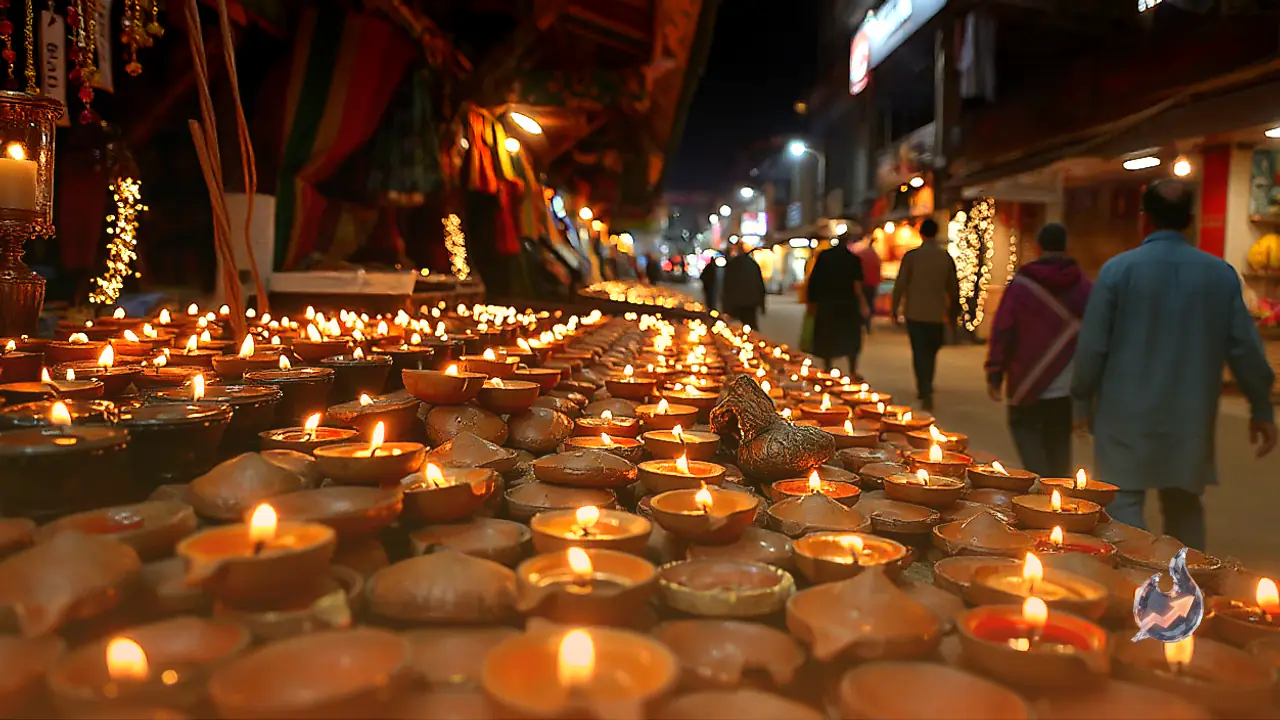
According to ancient religious beliefs, Lord Rama vanquished the demon king Ravana in the Treta Yuga and returned to Ayodhya on the night of Kartik Amavasya accompanied by Goddess Sita and his brother Lakshman. They had completed a rigorous exile lasting 14 years. To celebrate the joyous return of Lord Rama and to welcome him back, the residents of Ayodhya illuminated the entire kingdom with earthen lamps. Tradition holds that people have been lighting lamps to celebrate Diwali ever since that historic day.
The Churning of the Ocean and Goddess Lakshmi Birth
Another prominent mythological legend connects Diwali to the birth celebration of Goddess Lakshmi. According to ancient texts, Goddess Lakshmi emerged during the divine churning of the ocean, known as Samudra Manthan. That momentous event also took place on the very day of Kartik Amavasya. Since that time, the tradition of celebrating Diwali and worshipping Lakshmi has continued, with the belief that invoking the Goddess on this day ensures that homes never face a shortage of wealth and families remain blessed with enduring happiness.