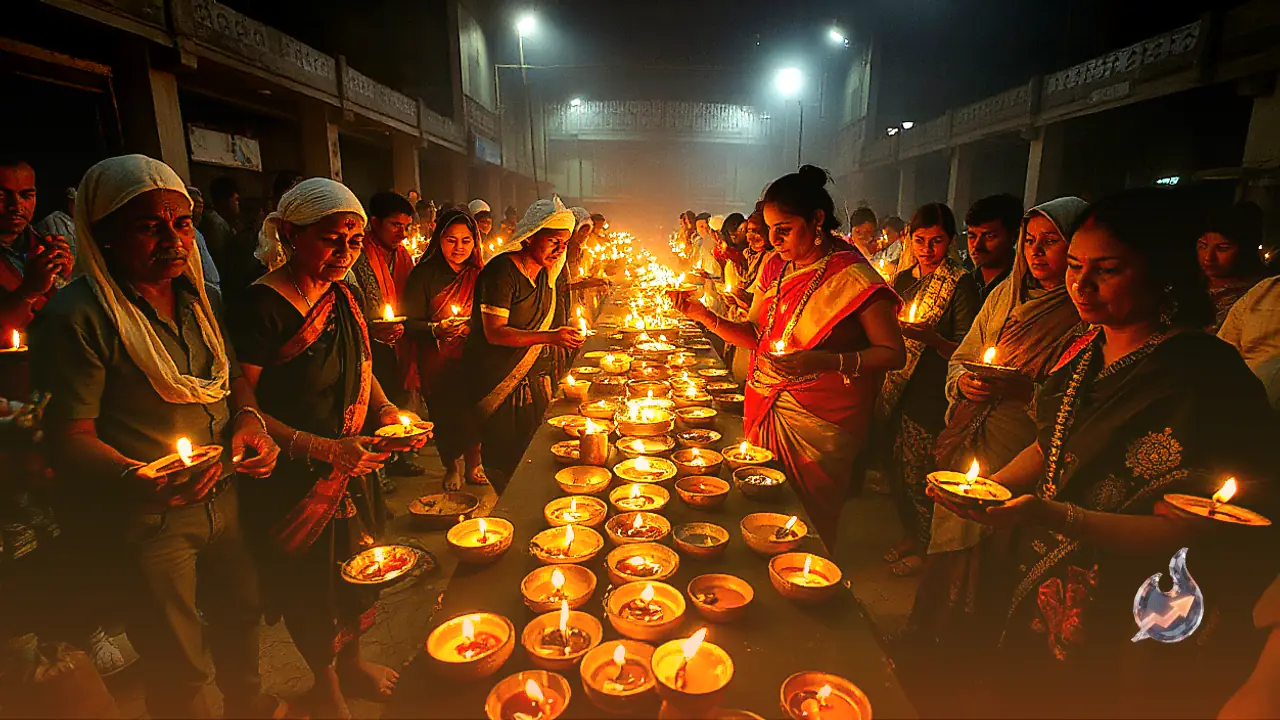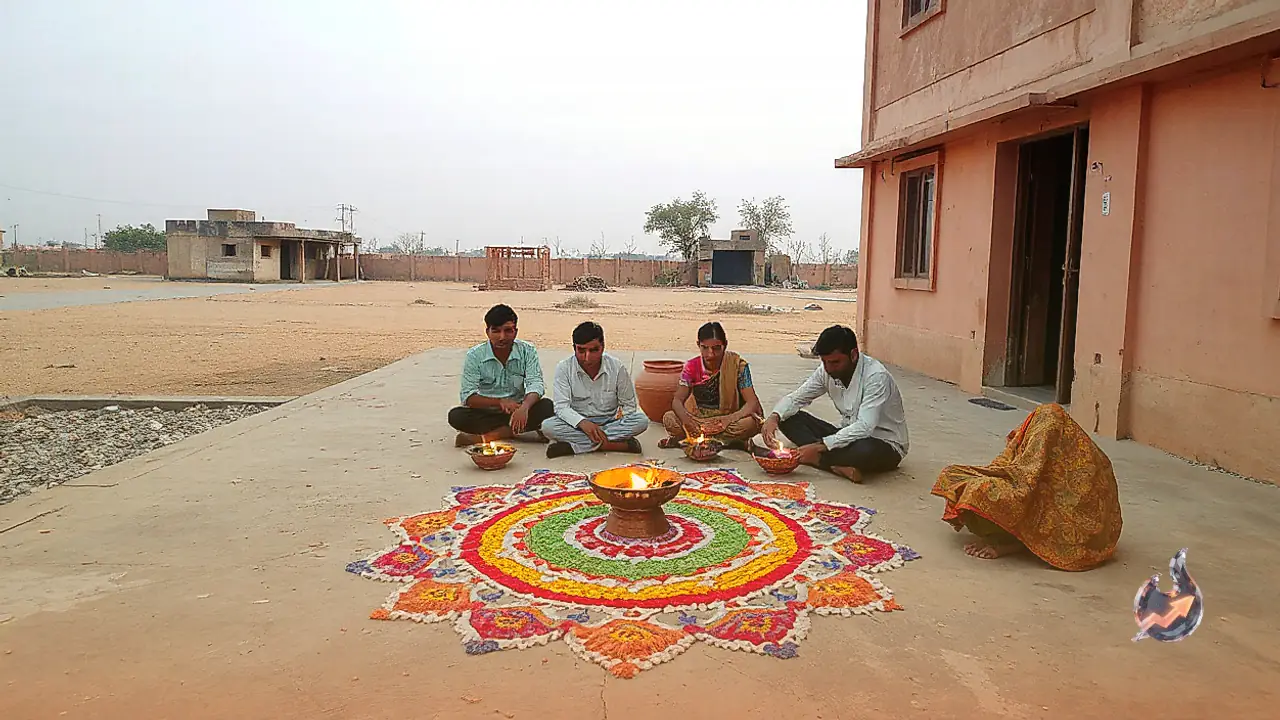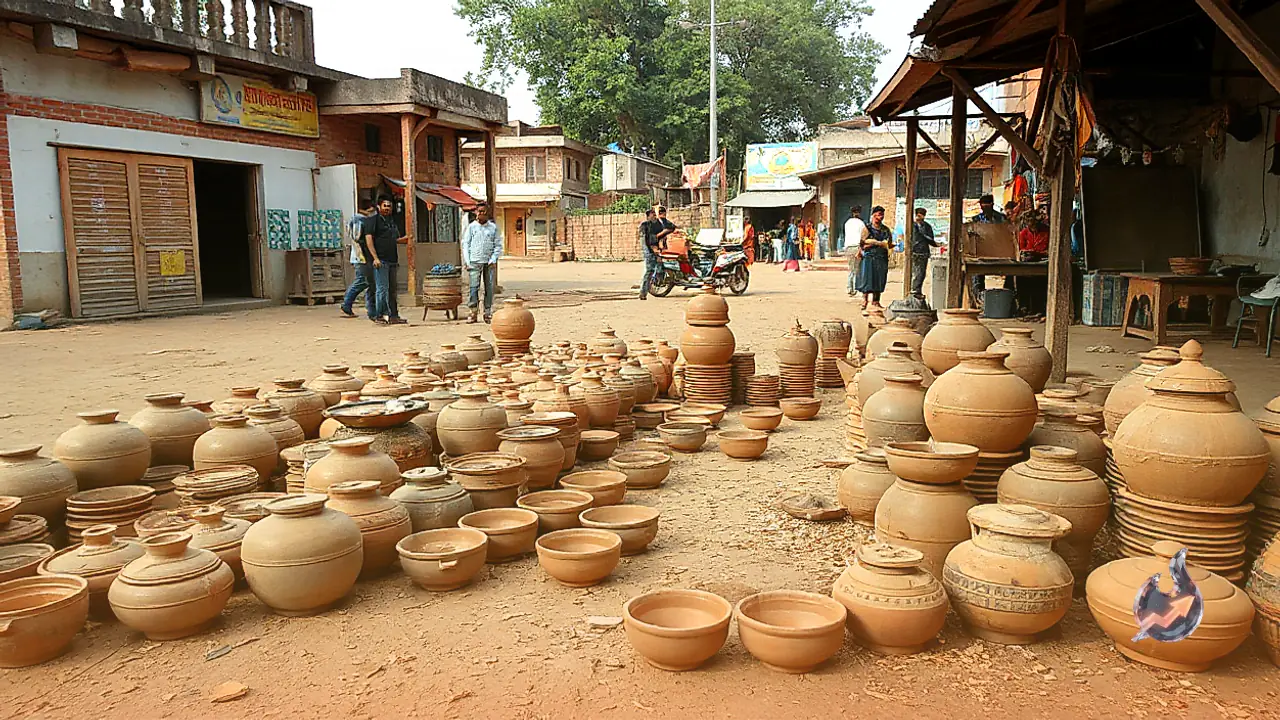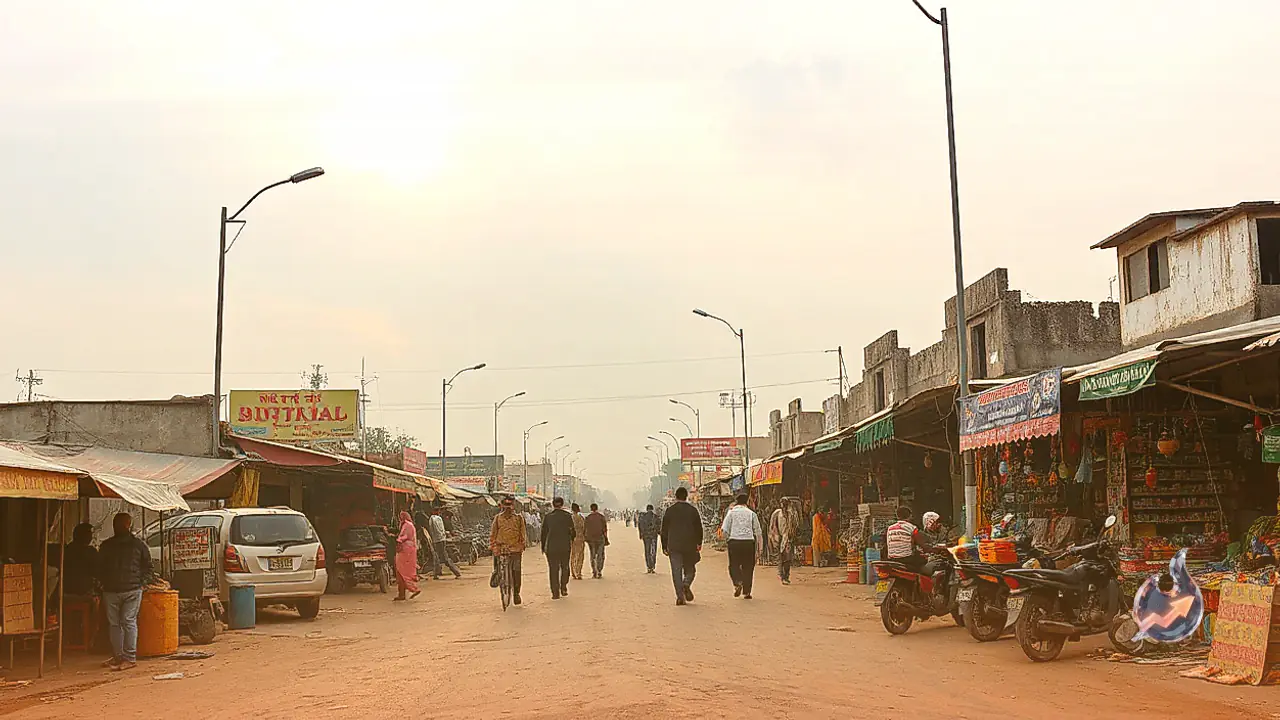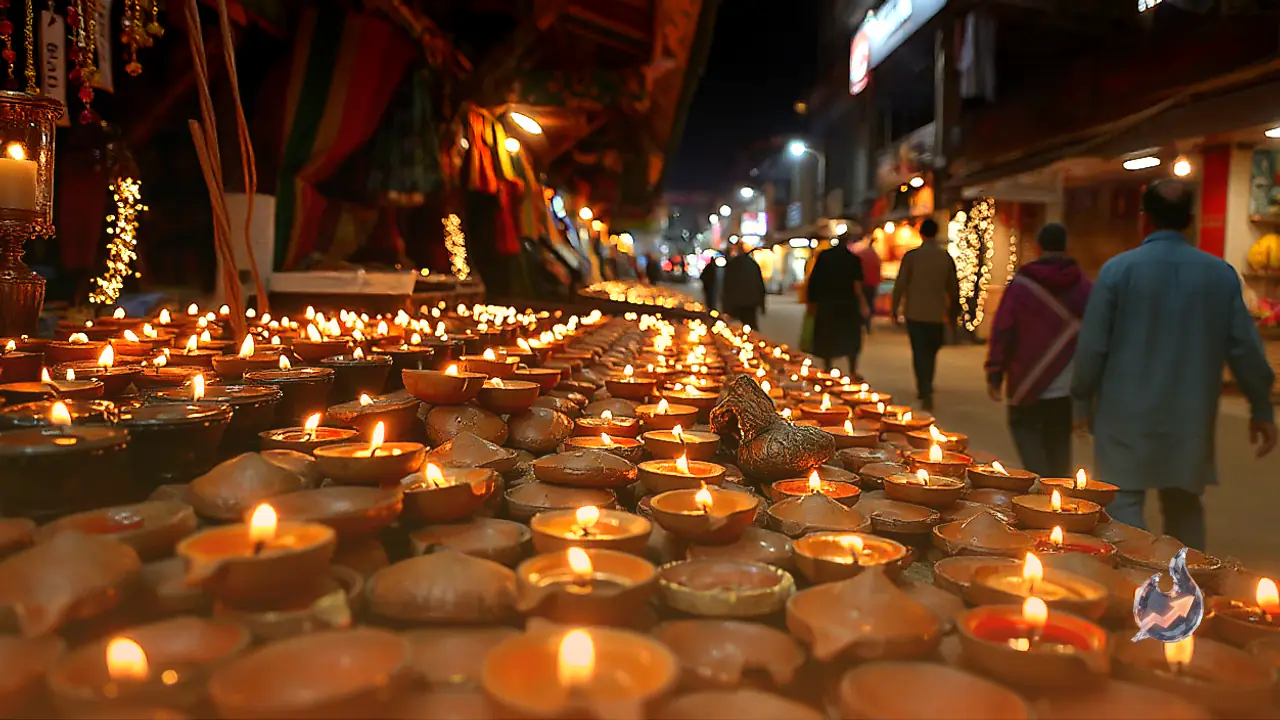



















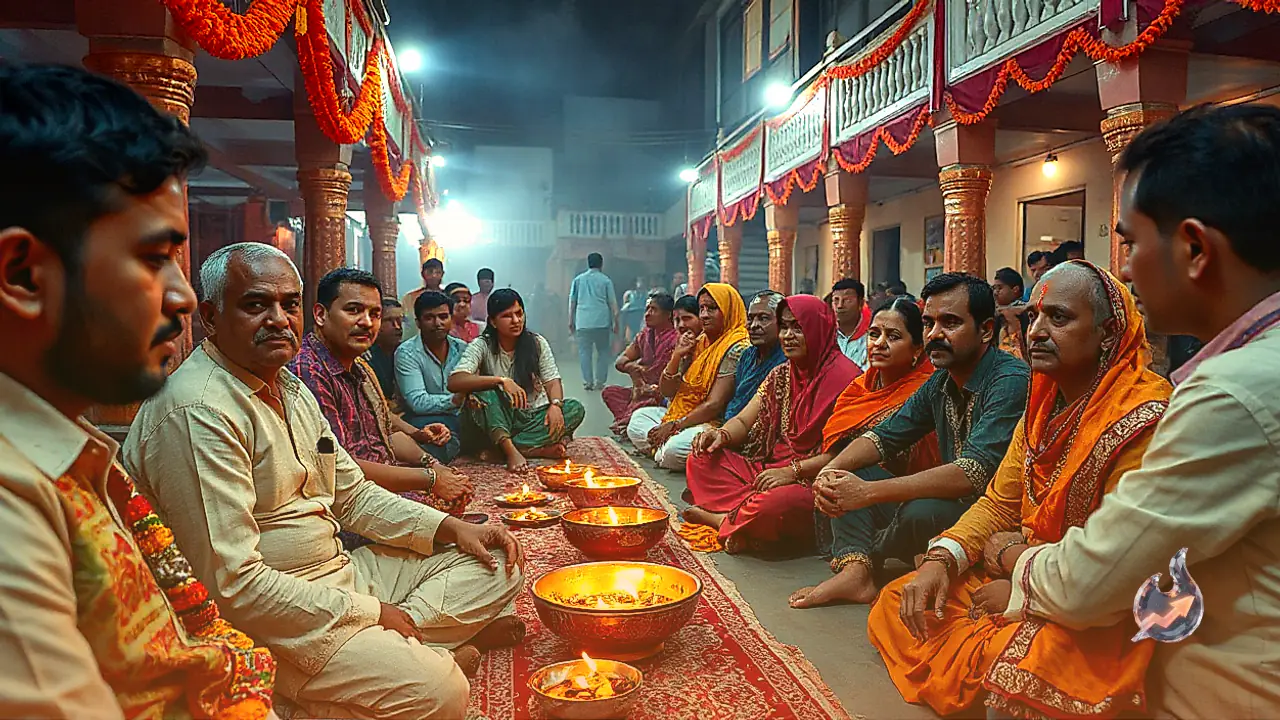

On 6 November 2026, the auspicious festival of Dhanteras is being celebrated with deep religious fervor and joy. Regarded as one of the most promising days on the traditional calendar for acquiring new assets, utensils, and valuable items, people across communities visit markets to purchase something new for their homes. While the shopping tradition marks the daytime festivities, the spiritual cornerstone of the day unfolds during the twilight hours. In the evening, dedicated rituals are performed to honor Goddess Lakshmi, the divine treasurer Lord Kuber, and the celestial healer Lord Dhanvantari. Devotees believe that worshipping these divine entities brings enduring physical health, family peace, and financial stability. However, traditional scriptures state that the full spiritual rewards of the ceremony are realized only when four essential aartis are sung in a specific, prescribed order at the conclusion of the prayers.
Auspicious Worship Timings for Dhanteras 2026
Astronomical calculations identify a highly favorable window on the evening of 6 November 2026 for conducting the main Dhanteras puja and singing the sacred verses. The most auspicious duration for prayer and performing aarti begins at 06:02 PM and extends until 07:57 PM. Spanning approximately one hour and fifty-five minutes during the Pradosh period, this timeframe is considered ideal for offering traditional flowers, lamps, and sweets to the deities. Worshipping during these specific hours is believed to dispel household difficulties, ward off financial distress, and invite year-long prosperity into the dwelling.
The Prescribed Sequence of the Four Aartis
In classical liturgy, the order of devotional singing holds immense significance. To complete the Dhanteras evening service properly, four distinct hymns must be recited in the following progression
- First: Invocation of the remover of obstacles, Lord Ganesha
- Second: Worship of the goddess of fortune, Mata Lakshmi
- Third: Praises of the guardian of celestial wealth, Lord Kuber
- Fourth: Salutations to the father of medicine and divine physician, Lord Dhanvantari
First Hymn: Invoking Lord Ganesha for Obstacle-Free Worship
In alignment with long-standing customs, all rituals begin with Lord Ganesha, who holds the status of the first deity to be worshipped. The opening hymn on Dhanteras evening honors the elephant-headed deity, the beloved son of Mother Parvati and Lord Shiva. The verses celebrate his divine attributes, depicting him with a single tusk, profound compassion, four arms, vermilion upon his forehead, and riding upon his mouse mount. Devotees place offerings of betel leaves, fresh blossoms, dried fruits, and his favorite modaks before him while saints serve his lotus feet. The lyrics recount how his grace grants vision to the sightless, physical restoration to those suffering severe afflictions, progeny to the childless, and riches to the impoverished. By safeguarding the humble and answering heartfelt prayers, Ganesha sets an auspicious foundation for the rest of the evening.
Second Hymn: Saluting Goddess Lakshmi for Abundance
Following the Ganpati invocation, devotees turn their devotion to Goddess Lakshmi through her renowned evening aarti. Served constantly by the trinity of creation and preservation, Lakshmi is revered as the universal mother who manifests in forms such as Uma, Rama, and Brahmani. Celestial bodies like the sun and moon, along with enlightened sages, meditate upon her grace. The verses explain that homes graced by her presence naturally become sanctuaries of virtue, where obstacles vanish and inner anxiety dissolves. Without her grace, no sacred rites or charitable feasts can flourish, nor can society enjoy fine clothing or sustenance. Born during the cosmic churning of the milk ocean, she represents the supreme prize among the fourteen divine treasures. Chanting her prayer fills the devotee's heart with peace and absolves burdens of wrongdoings.
Third Hymn: Honoring Lord Kuber for Financial Stability
To ensure that the prosperity bestowed by Lakshmi remains secure and well-managed, the third prayer is addressed to Yaksha Kuber. Recognized as the foremost devotee of Lord Shiva, Kuber oversees heavenly treasuries and refills the stores of sincere worshippers. The hymn describes him seated upon a magnificent golden throne beneath a royal canopy, with yoginis chanting his glories. Bearing a mace, trident, and various defensive weapons, his warlike prowess and the twang of his bow drive away fear, misery, and malevolent forces. During his ritual, offerings of Mohan bhog alongside dishes of black gram and chickpeas are presented. The text highlights that Kuber grants strength, wisdom, and learning to those who bow before him. When his lamp is lit with pure camphor and ghee, his grace fulfills noble aspirations.
Fourth Hymn: Seeking Longevity from Lord Dhanvantari
The ceremonial sequence culminates with the adoration of Lord Dhanvantari, emphasizing that genuine well-being cannot exist without physical health. When Dhanvantari emerged from the cosmic waters holding a pot filled with divine nectar, he dispelled the grave crises confronting both gods and titans. He codified the science of Ayurveda, spreading knowledge that helps mortals maintain lifelong vitality. Depicted with four radiant arms bearing a sacred conch, the vessel of nectar, and healing herbal plants, his presence represents the mastery of medicine. The prayer affirms that regularly meditating upon Dhanvantari banishes debilitating illnesses and eases the pains of old age. The entire medical community honors him as their supreme guide. Concluding Dhanteras with his prayer ensures freedom from ailments and blesses families with vitality alongside their worldly wealth.