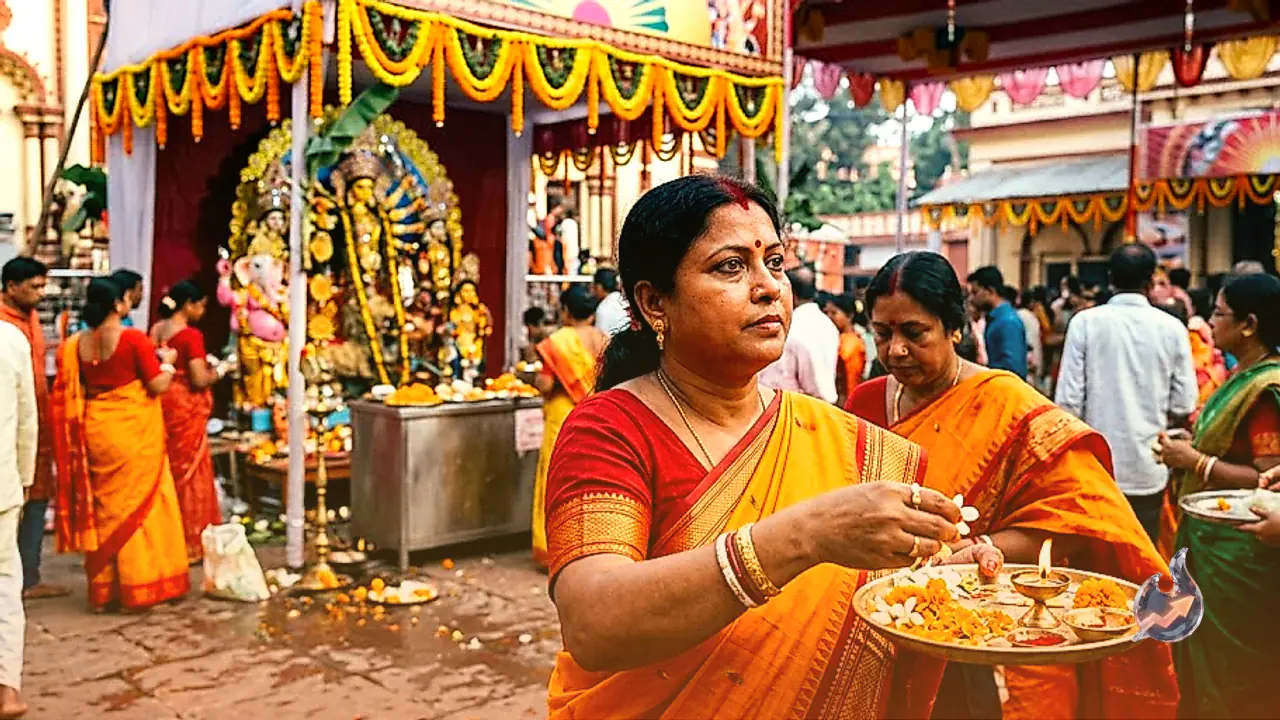
























Pitru Paksha is observed across Hindu households as a sacred sixteen-day fortnight dedicated to honoring departed ancestors with reverence, gratitude, and traditional rites. In the year 2026, this observance commences on Saturday, September 26, starting with Purnima Shraddha, and draws to a close on Saturday, October 10, with Sarva Pitru Amavasya. Spanning from Bhadrapada Purnima through Ashwin Amavasya, the period provides families a designated time to perform Shraddha, Tarpan, and Pind Daan according to ancestral lunar dates.
Planning Ahead and Understanding Lunar Tithis
Observing ancestral rites often calls for careful preparations well in advance. Depending on family tradition, households coordinate with priests, purchase specific ceremonial items, arrange pilgrimage travel, prepare sacred offerings, and plan charitable distributions. Rites are generally scheduled on the specific lunar tithi corresponding to an ancestor's passing. Because tithi timings rely on local sunrise calculations and regional panchang details, slight differences can emerge across different cities, making it advisable for families to confirm local calendar timings before scheduling rituals.
Complete Schedule of Shraddha Dates for 2026
The sixteen-day sequence of Shraddha observances for 2026 runs across the following dates
- September 26, Saturday: Purnima Shraddha
- September 27, Sunday: Pratipada Shraddha
- September 28, Monday: Dwitiya Shraddha
- September 29, Tuesday: Tritiya Shraddha
- September 30, Wednesday: Chaturthi Shraddha
- September 30, Wednesday: Panchami Shraddha
- October 1, Thursday: Shashthi Shraddha
- October 2, Friday: Saptami Shraddha
- October 3, Saturday: Ashtami Shraddha
- October 4, Sunday: Navami Shraddha
- October 5, Monday: Dashami Shraddha
- October 6, Tuesday: Ekadashi Shraddha
- October 7, Wednesday: Dwadashi Shraddha
- October 7, Wednesday: Magha Shraddha
- October 8, Thursday: Trayodashi Shraddha
- October 9, Friday: Chaturdashi Shraddha
- October 10, Saturday: Sarva Pitru Amavasya
Significance of Sarva Pitru Amavasya
The concluding day of the fortnight, known as Sarva Pitru Amavasya, falls on Saturday, October 10, in 2026. This day holds particular importance in Hindu tradition. When a family does not possess exact records of an ancestor's departure tithi, or when circumstances prevented the performance of ceremonies on the designated day, Sarva Pitru Amavasya serves as a universal occasion to offer prayers, water, and food for all departed souls collectively, ensuring closure to the fortnight's solemn observances.
Essential Ceremonies: Tarpan and Pind Daan
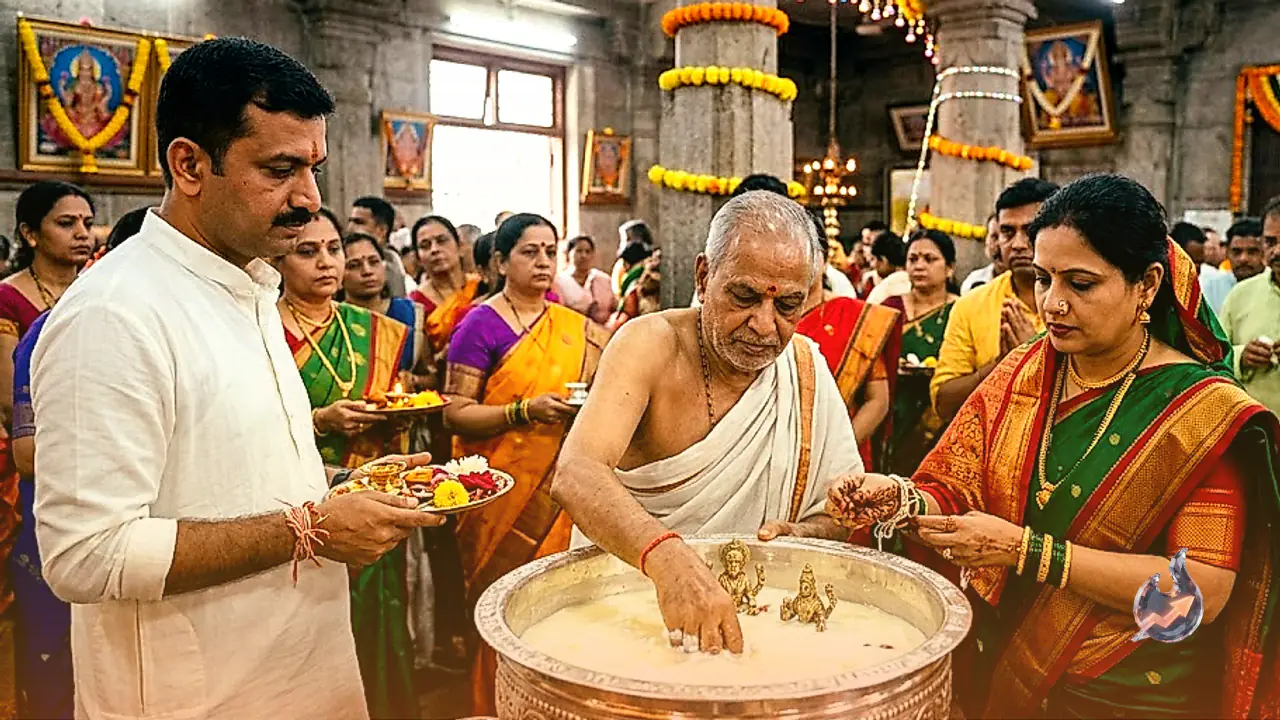
The core ceremonies of Shraddha center on paying homage to departed family members through prayers and structured offerings. Tarpan involves libations of water mixed with black sesame seeds, often supplemented with Ganga water or milk depending on custom, dispensed from a copper vessel while holding kusha grass. Practitioners traditionally face south, the directional quadrant associated with ancestral spirits, while reciting sacred mantras either independently or guided by a priest. Alongside Tarpan, Pind Daan requires the preparation and offering of spherical mounds, or pindas, traditionally crafted from cooked rice and associated ingredients, customized to regional lineages and specific ritual guidelines.
Sattvic Food and the Panchbali Tradition
Meals prepared for Shraddha rites strictly adhere to sattvic dietary norms. Households omit garlic, onions, and all non-vegetarian ingredients from ritual food preparations. A central element before serving or consuming the meal is Panchbali, where five separate portions of food are distributed to a cow, a dog, a crow, deities, and ants. Among these, the crow occupies a prominent symbolic link to departed souls within ancestral folklore. In multiple communities, family members wait for a crow to consume the offering before continuing their rituals, though specific customs fluctuate based on geography and family lineage.
Acts of Charity and Service
Philanthropy forms an integral branch of the Pitru Paksha period. Families regularly distribute food, clothing, footwear, sesame seeds, and basic necessities to individuals in need. Engaging in acts of charity is regarded as a practical manifestation of remembrance, allowing households to direct goodwill toward the community in honor of their ancestors according to individual capacity.