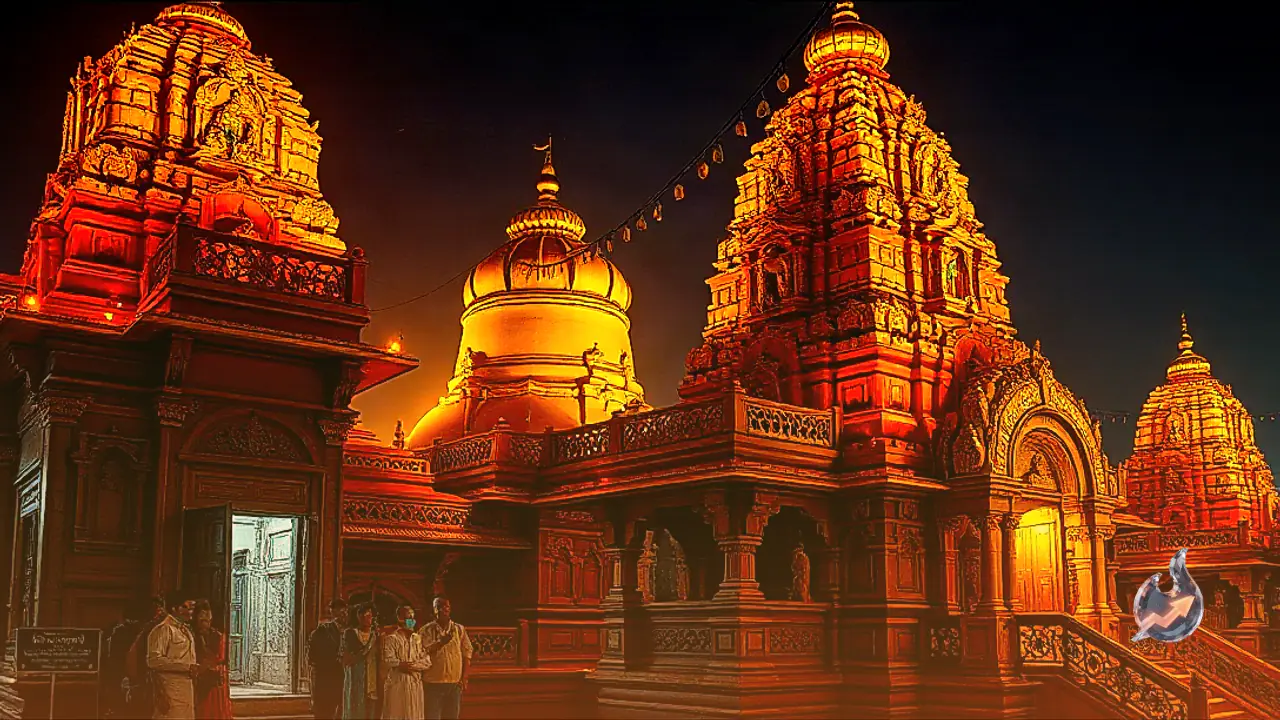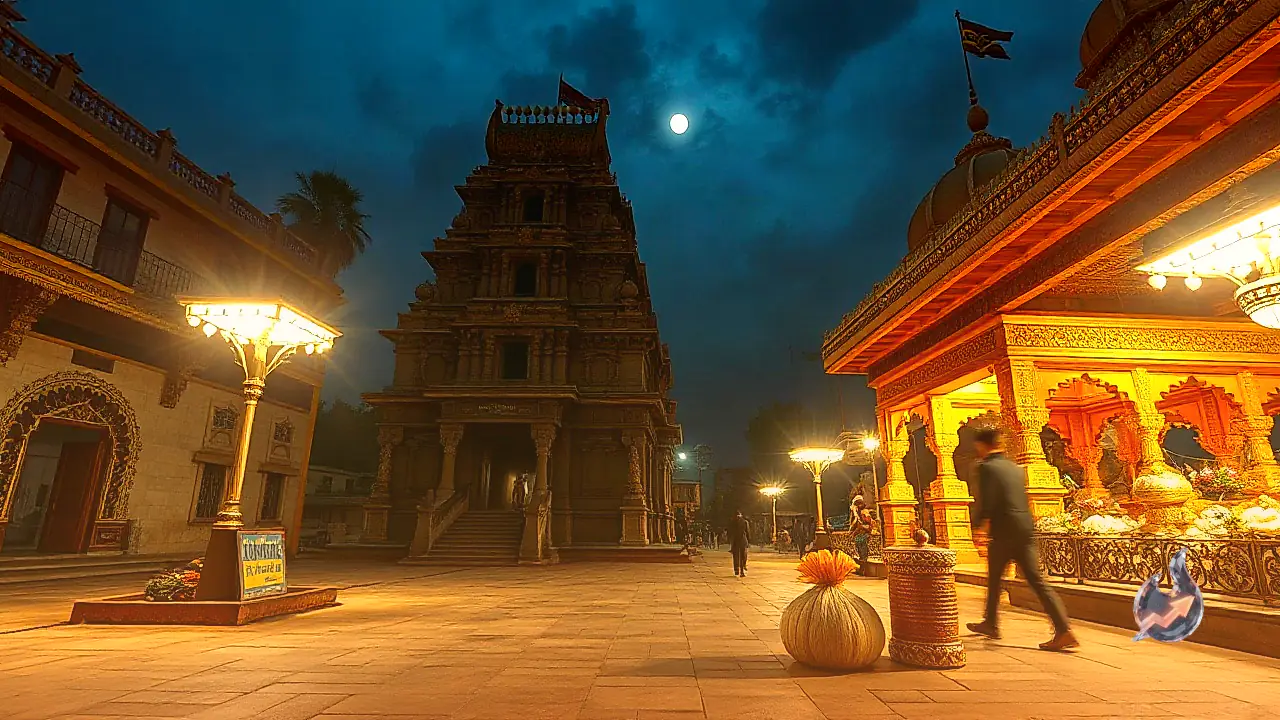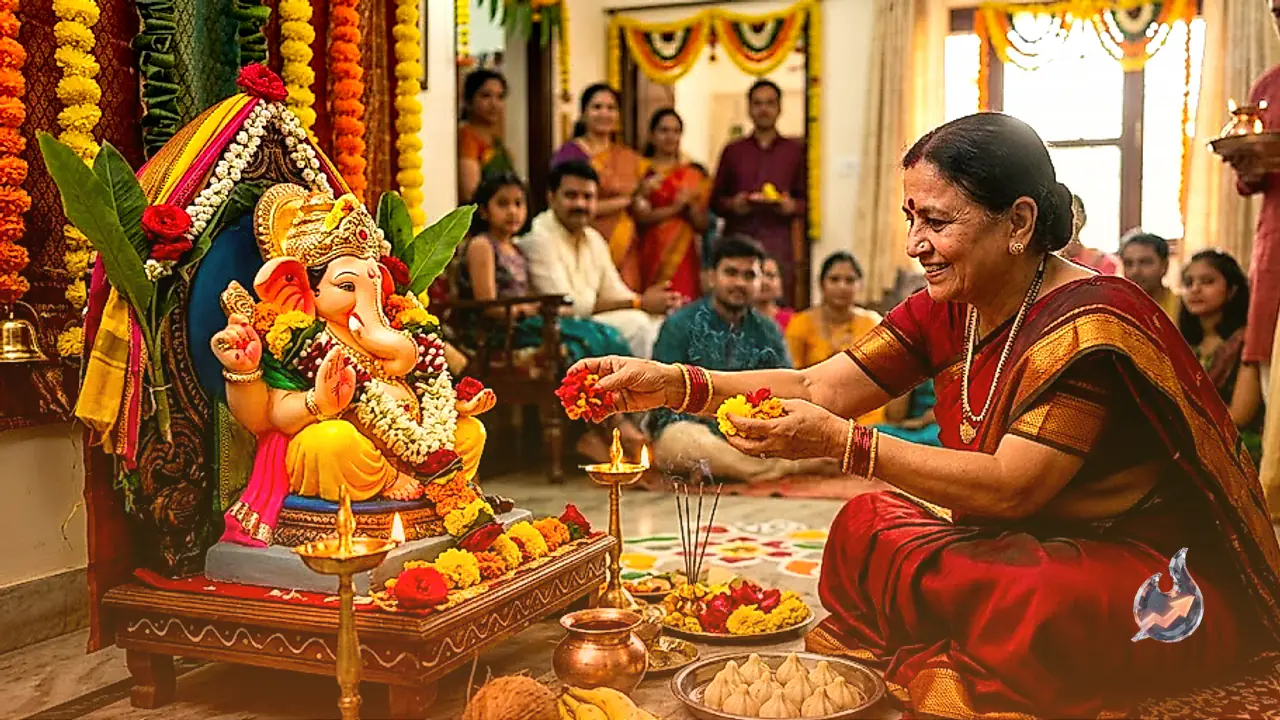





















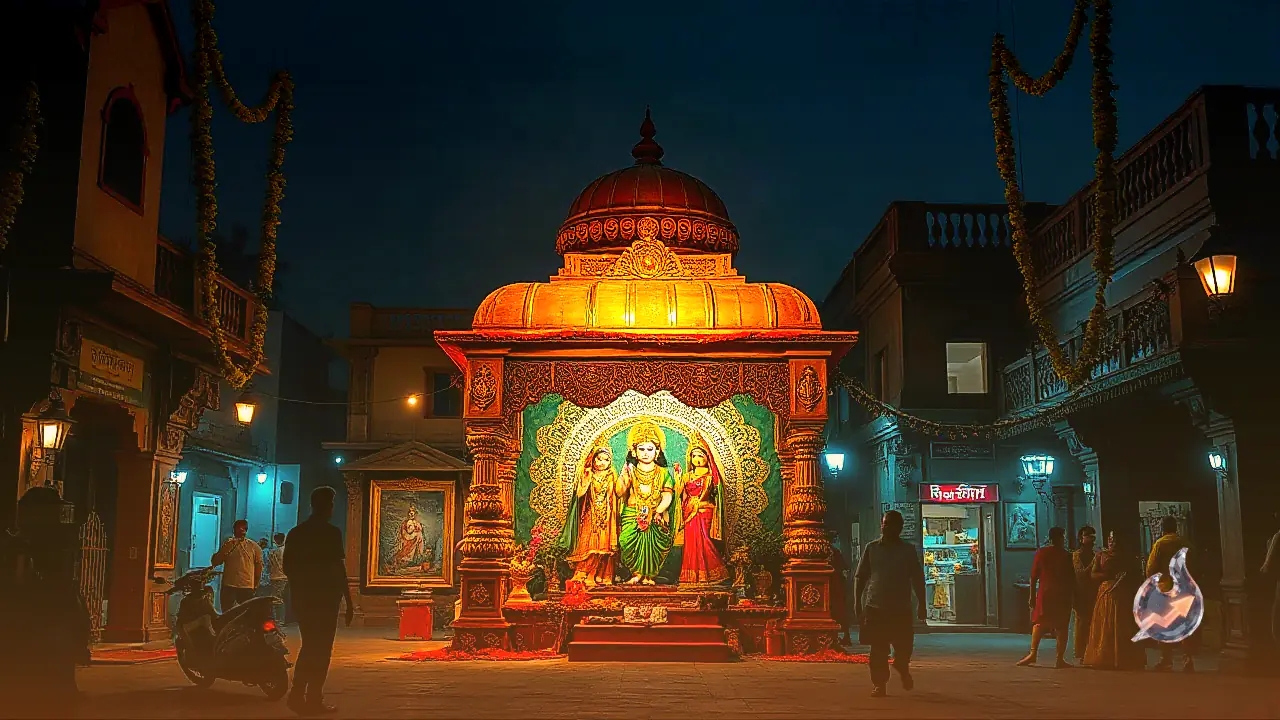

Exactly fifteen days after the grand celebrations of Krishna Janmashtami, the auspicious festival of Radha Ashtami is observed. In Hindu traditions, this fast holds a highly sacred position, as it is widely believed that the fast of Janmashtami remains incomplete without observing the Radha Ashtami fast. Celebrated on the Ashtami tithi of Shukla Paksha in the month of Bhadrapada, this day is dedicated to the worship of Radha and Krishna. Devotees perform elaborate prayers to seek peace, happiness, and overall prosperity for their households. The festive energy is exceptionally vibrant in the Braj region, particularly in Barsana and Vrindavan, where grand celebrations take place.
Radha Ashtami Date and Auspicious Timings
According to the astrological calendar, the Ashtami tithi is scheduled to commence at approximately 1:00 PM on September 18. This tithi will conclude the following day, September 19, at 3:26 PM. Since the Udayatithi, which is the tithi prevailing at sunrise, is considered paramount for fasting rituals in Hindu dharma, the fast of Radha Ashtami will be observed on Saturday, September 19. Notably, this day also marks the beginning of the highly significant 16-day Mahalaxmi Vrat, multiplying the spiritual importance of the day for devotees.
Complete Puja Samagri List
To ensure that the sacred rituals proceed without any interruptions or missing elements, it is highly recommended to prepare and purchase the necessary items in advance. By keeping this checklist ready, you can avoid any last-minute hassle and focus entirely on the spiritual process. Below is the comprehensive list of essentials required for the worship
- Deity Representation: A beautiful idol or a scenic photo frame depicting both Radha and Krishna together.
- Panchamrit Ingredients: Five sacred items required for the holy bath and offering, which include fresh milk, curd, clarified butter (ghee), pure honey, and holy water (Gangajal).
- Shringar Offerings: There is a widespread tradition of offering makeup and bridal adornments to Radha Rani. This collection should include bangles, bindi, vermilion (sindoor), henna (mehendi), a bright decorative veil (chunri), a comb, and other traditional cosmetics or shringar accessories.
Significance of the Fast and Braj Traditions
In spiritual teachings, Radha Rani represents the ultimate form of divine love, devotion, and complete surrender. Devotees believe that fasting and praying on this day purifies the mind and fills the heart with pure devotional sentiments. The relationship between Radha and Krishna is considered the highest peak of selfless devotion, which is why they are always worshipped together as a single divine entity.
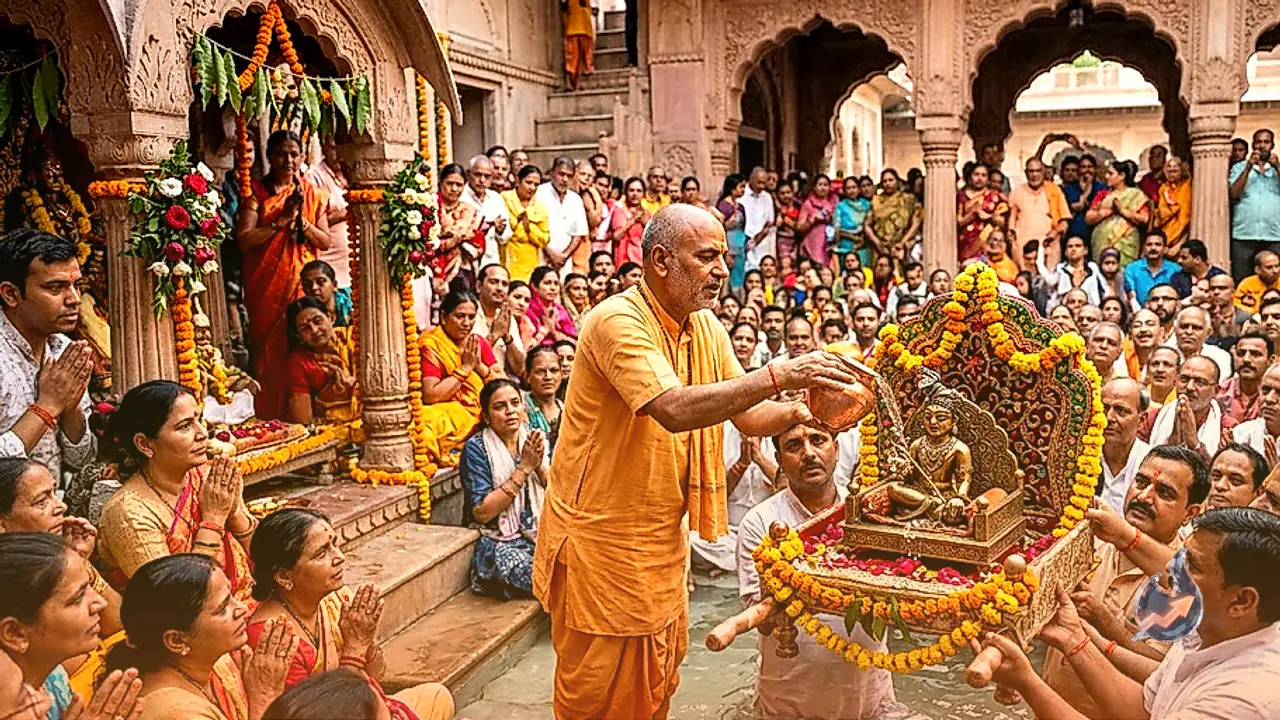
The cultural legacy of this festival is most evident in the Braj region. On Radha Ashtami, temples across the region decorate the deity of Radha Rani exquisitely, followed by a grand ceremonial bath (Abhishek), devotional songs (bhajans), and aarti. Barsana, believed to be her birthplace, hosts massive celebrations that draw lakhs of pilgrims from all corners of the world. While the core essence remains the same, specific puja items and rituals may vary depending on regional and family customs, making it ideal to align the worship with local traditions.