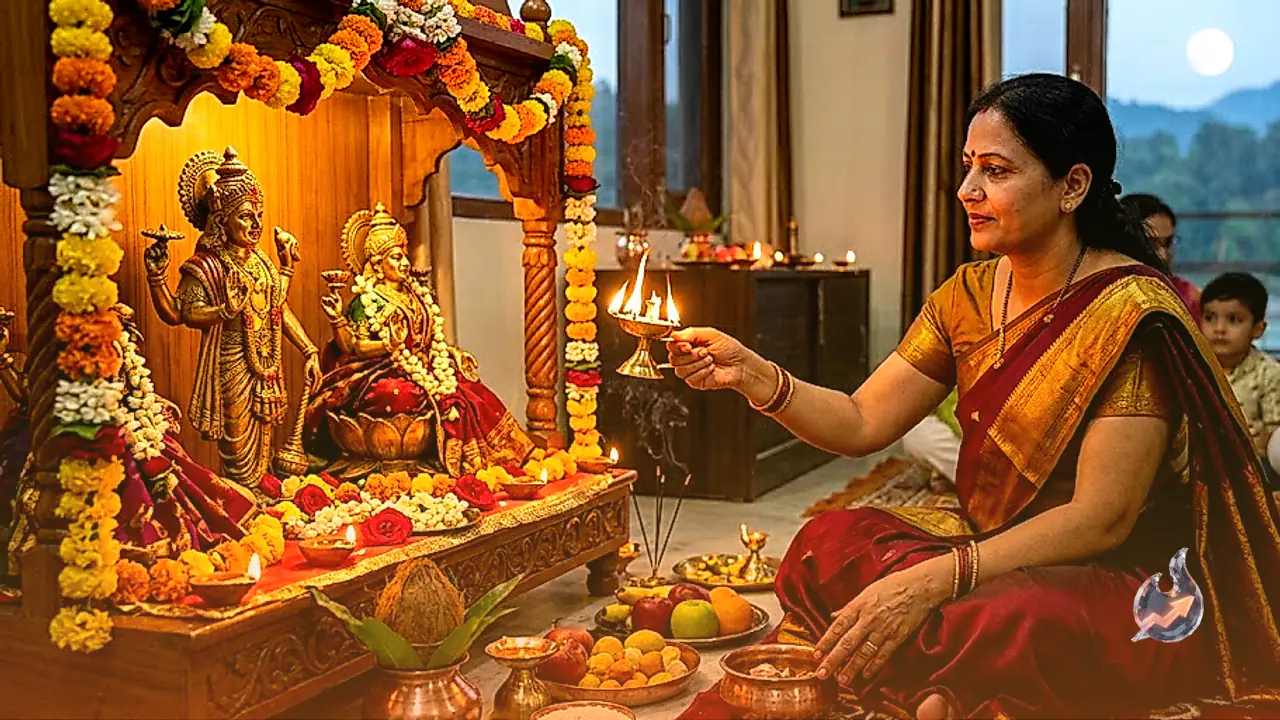




















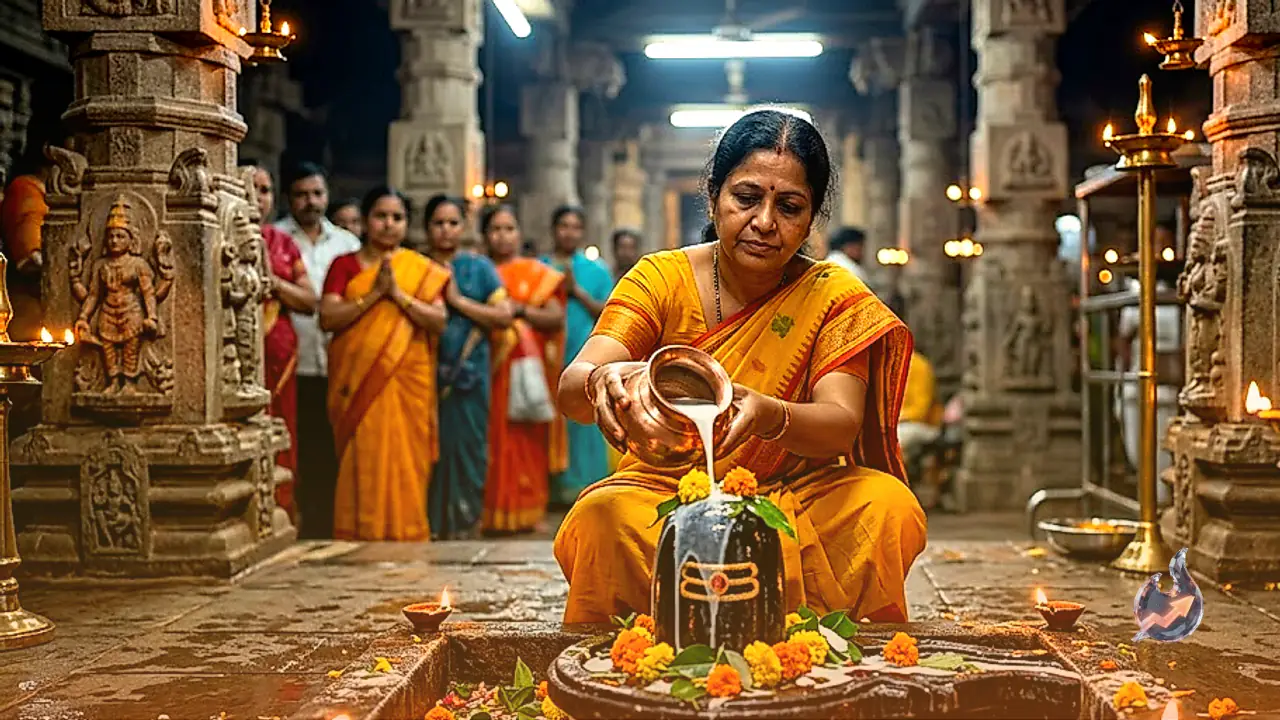

The Shivratri festival occurring during the auspicious month of Sawan holds immense spiritual significance for Lord Shiva devotees. In 2026, Sawan Shivratri will be celebrated on August 11. Devout followers believe that observing a dedicated fast on this day, performing ritualistic worship, and carrying out the sacred water offering (Jalabhishek) pleases Lord Shiva and brings the fulfillment of all righteous desires. Engaging in these holy practices is said to alleviate worldly suffering, distress, and lingering troubles from one's life. Furthermore, performing Rudrabhishek on Sawan Shivratri is considered deeply auspicious and capable of invoking divine blessings.
Sawan Shivratri 2026 Auspicious Muhurat and Tithi
According to the traditional Vedic calendar, the Chaturdashi Tithi of the Krishna Paksha in Sawan month will commence at 4:54 AM on August 11, 2026. This Chaturdashi Tithi will conclude at 1:52 AM on August 12, 2026. The highly beneficial Brahma Muhurat begins early in the morning at 4:49 AM and continues until 5:34 AM. The Abhijit Muhurat, suitable for mid-day auspicious activities, spans from 12:18 PM to 1:09 PM. For midnight spiritual practices, the Nishita Kaal worship window is scheduled between 12:21 AM and 1:06 AM on August 12. Fast breaking, known as Paran, takes place on August 12, 2026, with the designated time frame lasting from 12:21 AM to 1:06 AM.
Timings for the Four Prahars of Worship
Worshipping Lord Shiva during the four individual Prahars of the night on Shivratri is considered exceptionally meritorious. The exact duration for each night Prahar is detailed below
- First Prahar Puja Timing: From 7:09 PM to 9:56 PM.
- Second Prahar Puja Timing: From 9:56 PM to 12:44 AM on August 12.
- Third Prahar Puja Timing: From 12:44 AM to 3:31 AM on August 12.
- Fourth Prahar Puja Timing: From 3:31 AM to 6:19 AM on August 12.
Step-by-Step Puja Rituals for Sawan Shivratri
Prescribed traditional rituals outline the complete procedure for performing Shivratri worship effectively
- Wake up early during the morning hours, complete routine ablutions, take a bath, and dress in clean attire.
- Stand before the deity at home or visit a Lord Shiva temple to take a solemn vow (Sankalp) for the fast while holding clean water in hand.
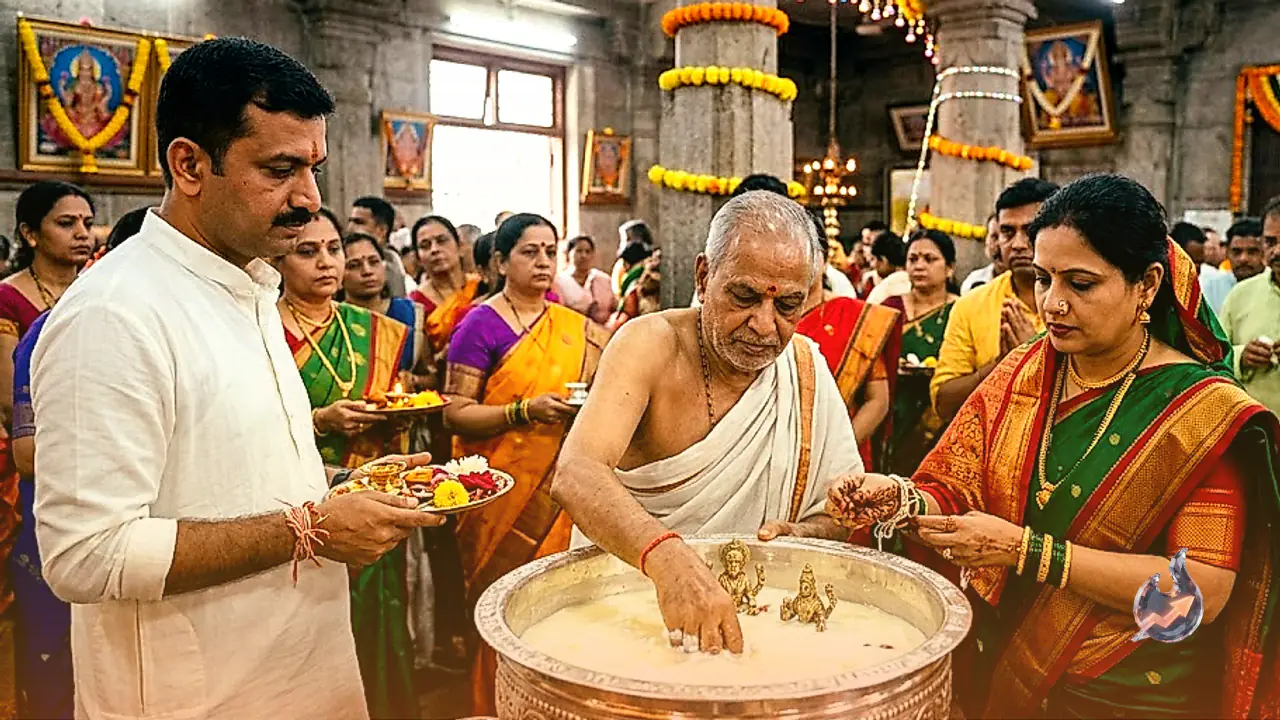
- Commence the ritual by offering pure water to the Shivling. Follow this with an Abhishek using Panchamrut (a sacred mixture of milk, curd, ghee, honey, and sugar), finishing with another bath of pure water or holy Gangajal.
- Offer auspicious items onto the Shivling, including Belpatra, Dhatura, Bhang, fresh fruits, Shami leaves, sandalwood paste, Aak flowers, sacred ash (Bhasma), and unbroken rice grains (Akshat).
- Maintain continuous chanting of 'Om Namah Shivaya' or the Mahamrityunjaya Mantra throughout the devotional ceremony.
- Light incense sticks and a lamp in front of the Shivling, recite the Shiv Chalisa with full devotion, and perform the traditional Aarti to conclude the rituals.
Key Fasting Guidelines and Rules
Strict observance of certain rules ensures the sanctity of the Sawan Shivratri fast
- Avoid the intake or preparation of garlic, onions, or any form of tamasic food throughout the auspicious day.
- Refrain from consuming regular salt and all types of food grains during the fast. Stick to a light, sattvic diet comprising fresh fruits and milk.
- Where feasible, participate in night vigil (Ratri Jagran) dedicated to singing hymns and chanting Shiva mantras, as nocturnal worship yields multiplied spiritual merits.
- Conclude the fast by performing Paran on the following day in accordance with prescribed ritual timings.