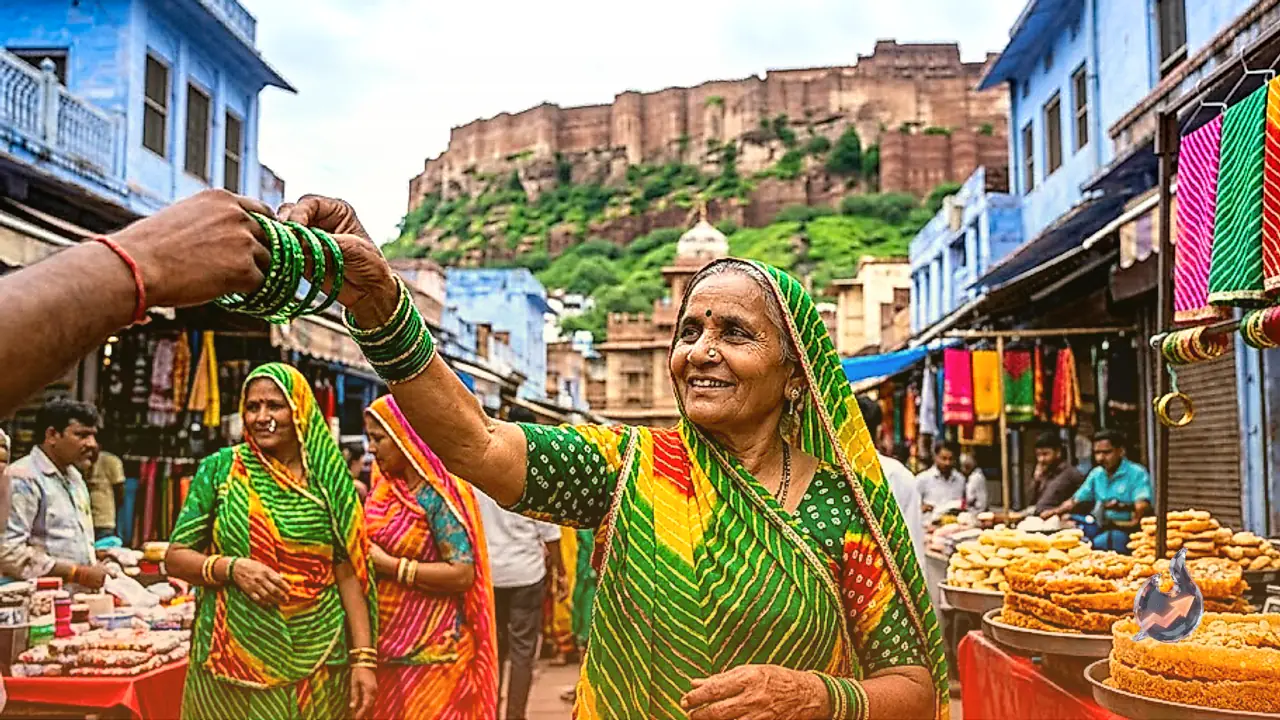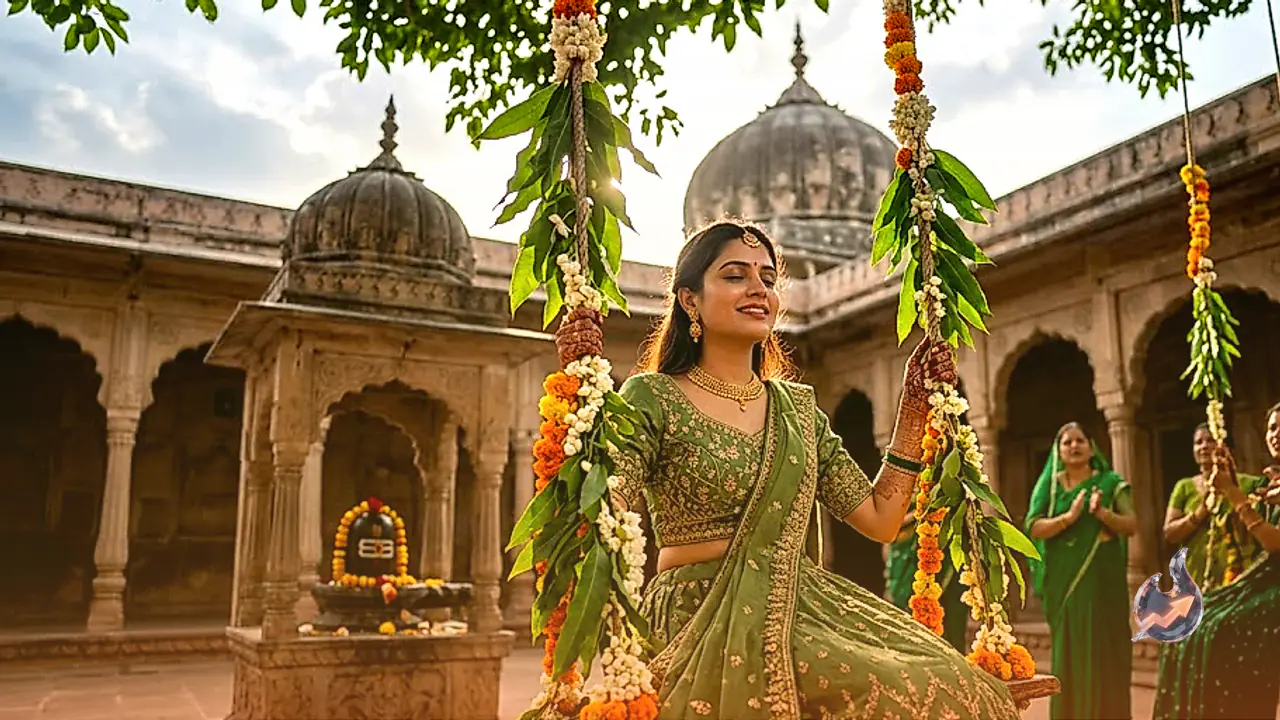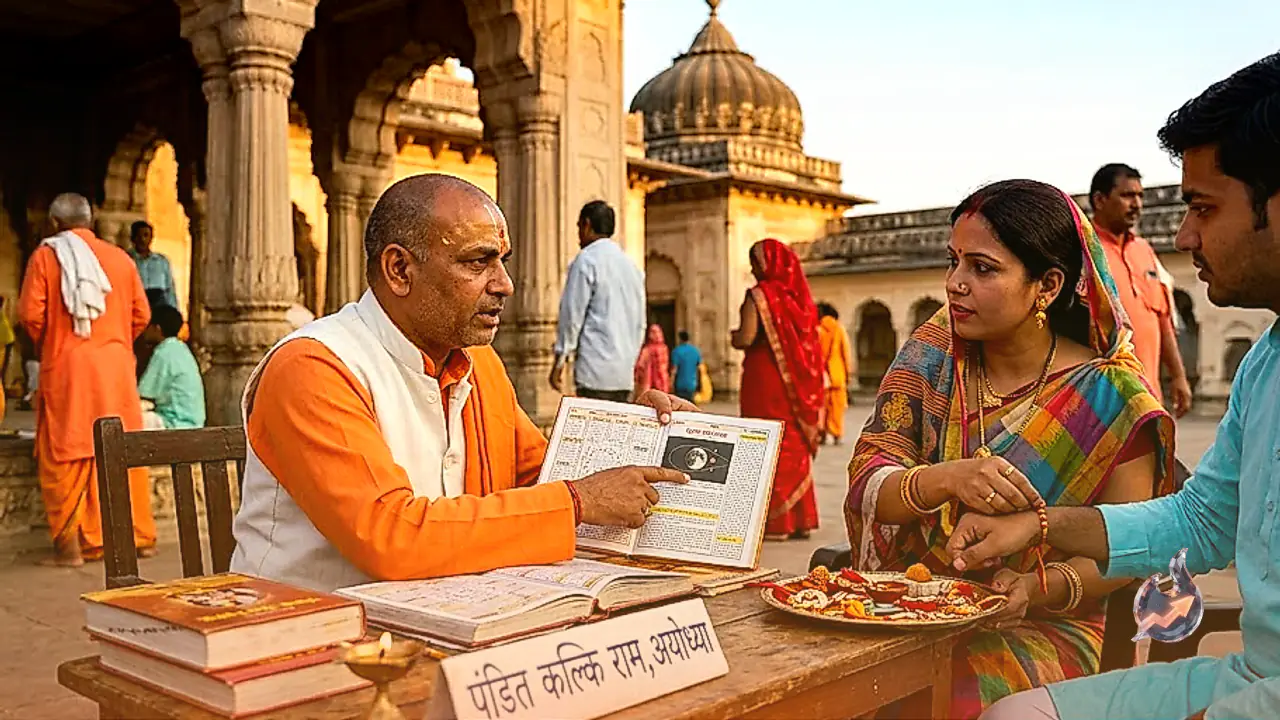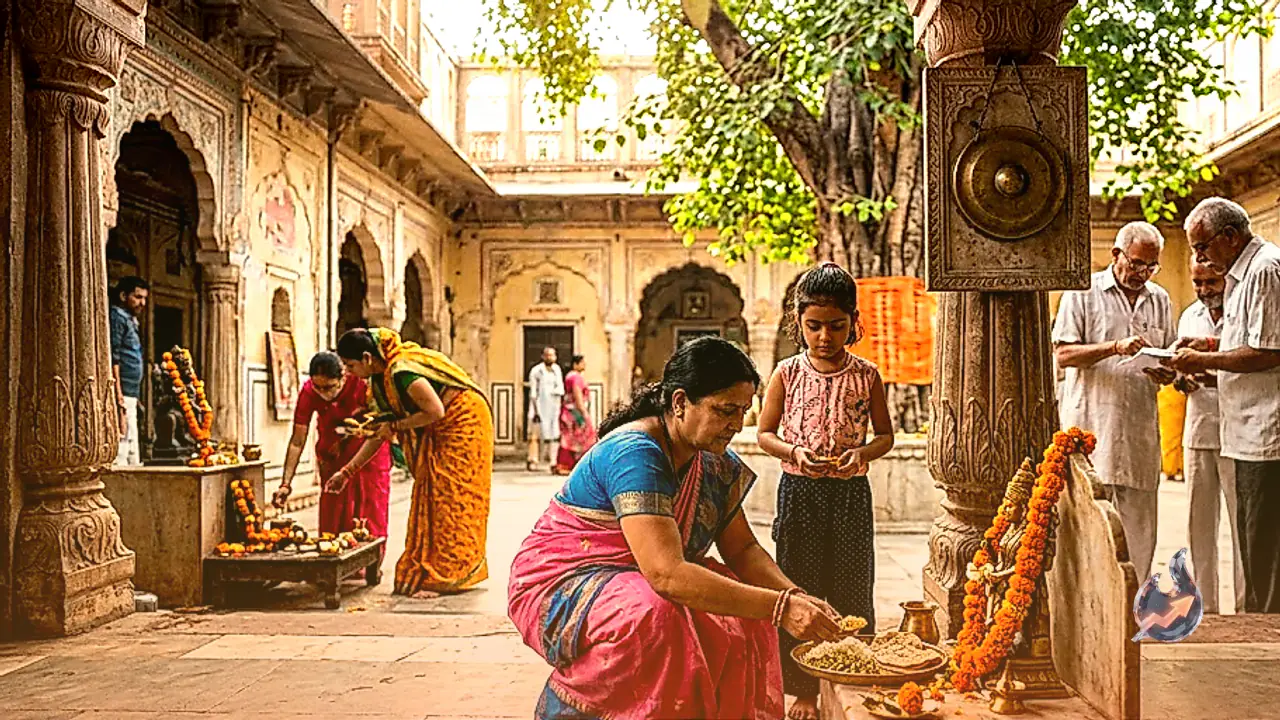



















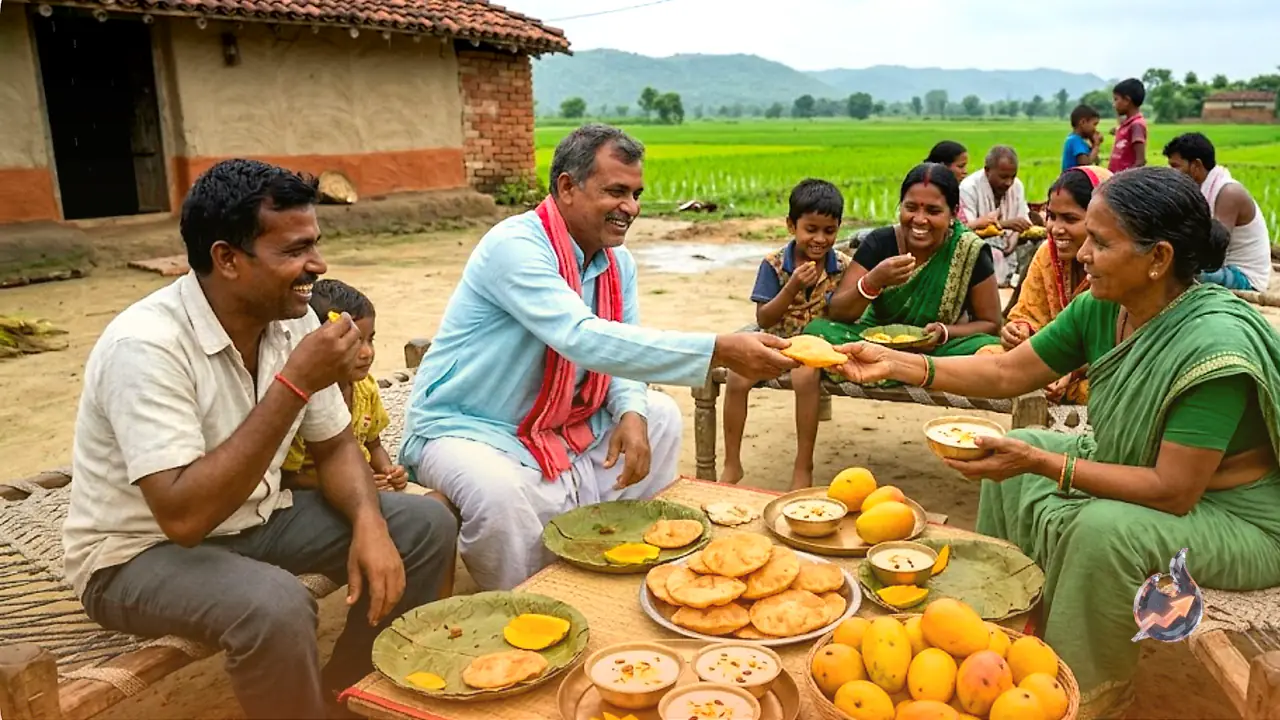

With the first showers and the promise of green fields, the Adra festival is celebrated in Bhojpur district and many other parts of Bihar. For farmers it is far more than a religious ritual, it is a sign of good rain and a better season ahead. On this day, homes prepare a special meal of dalpuri, kheer and mango, and relatives are invited over to eat together.
Suman Baba, a Brahmin from Bhojpur, explained the beliefs and traditions tied to this festival in detail. According to him, farmers wait all year for the Adra Nakshatra. Folk belief holds that once the Adra Nakshatra sets in, the chances of good rainfall rise sharply, which is why this period matters so much to those who till the land.
The Deep Link Between Rain, Farming and Mangoes
Once the rains arrive, paddy transplanting and other farm tasks pick up pace. During the same period the mangoes grow larger and the conditions turn favourable for the crop. For these very reasons, Suman Baba says, the Adra festival arrives carrying a message of prosperity and well-being for farmers.
Why Dalpuri, Kheer and Mango Matter
Suman Baba notes that the custom of eating dalpuri, kheer and mango on Adra is centuries old. This is the time when mango production is at its peak, and as the new season is welcomed, people express their gratitude to nature. Kheer and dalpuri are seen as auspicious, satvik food, while the mango is treated as a symbol of prosperity and sweetness. That is why these three dishes hold special significance on this day.
A Festival That Strengthens Bonds
The practice of inviting relatives, friends and neighbours to share a meal is meant to reinforce social unity and mutual affection. According to Suman Baba, in earlier times people helped one another with farm work, so the community feast on Adra became a way to deepen those ties. In this sense the festival is not only an occasion to enjoy delicious food, but also a reminder to nurture love, harmony and togetherness within the family and society.