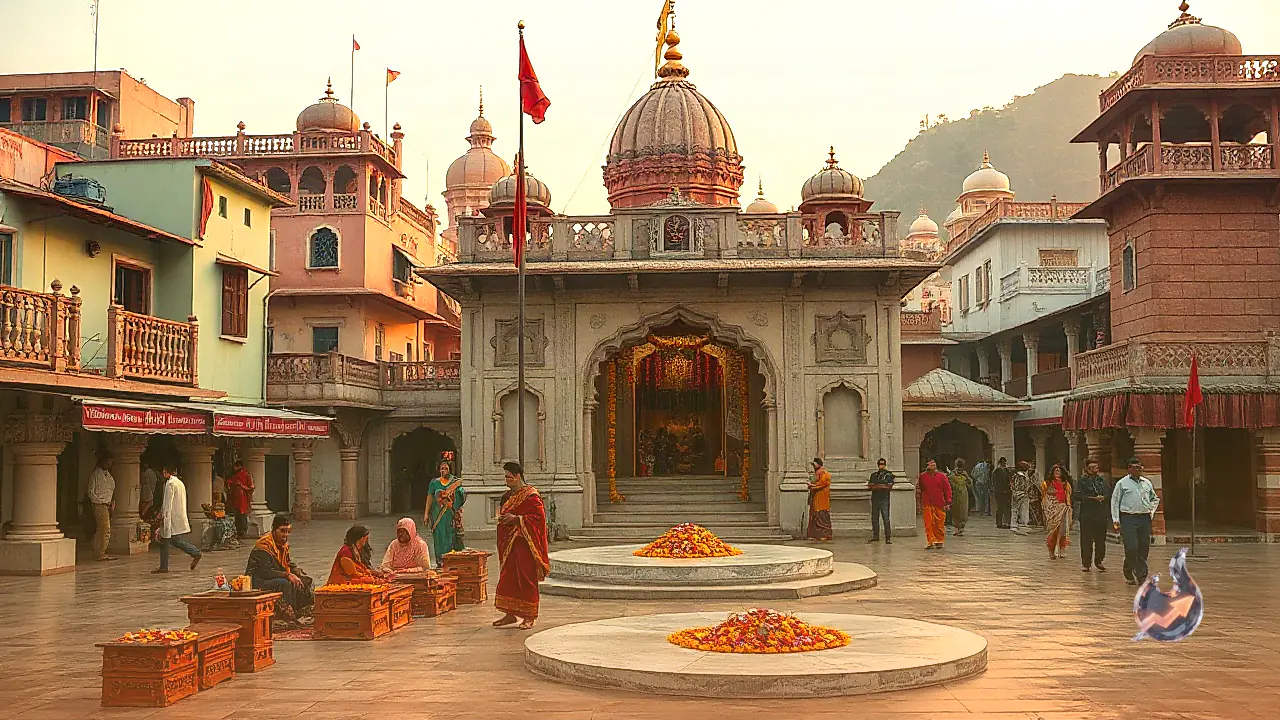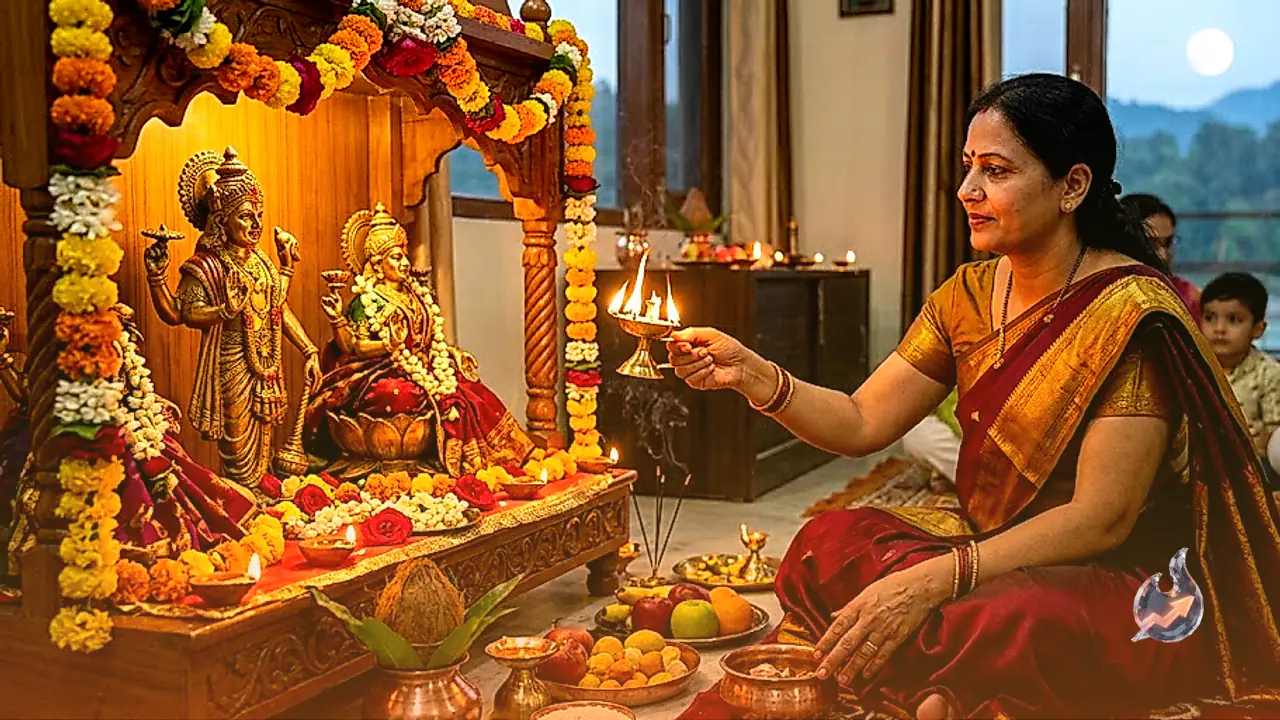




















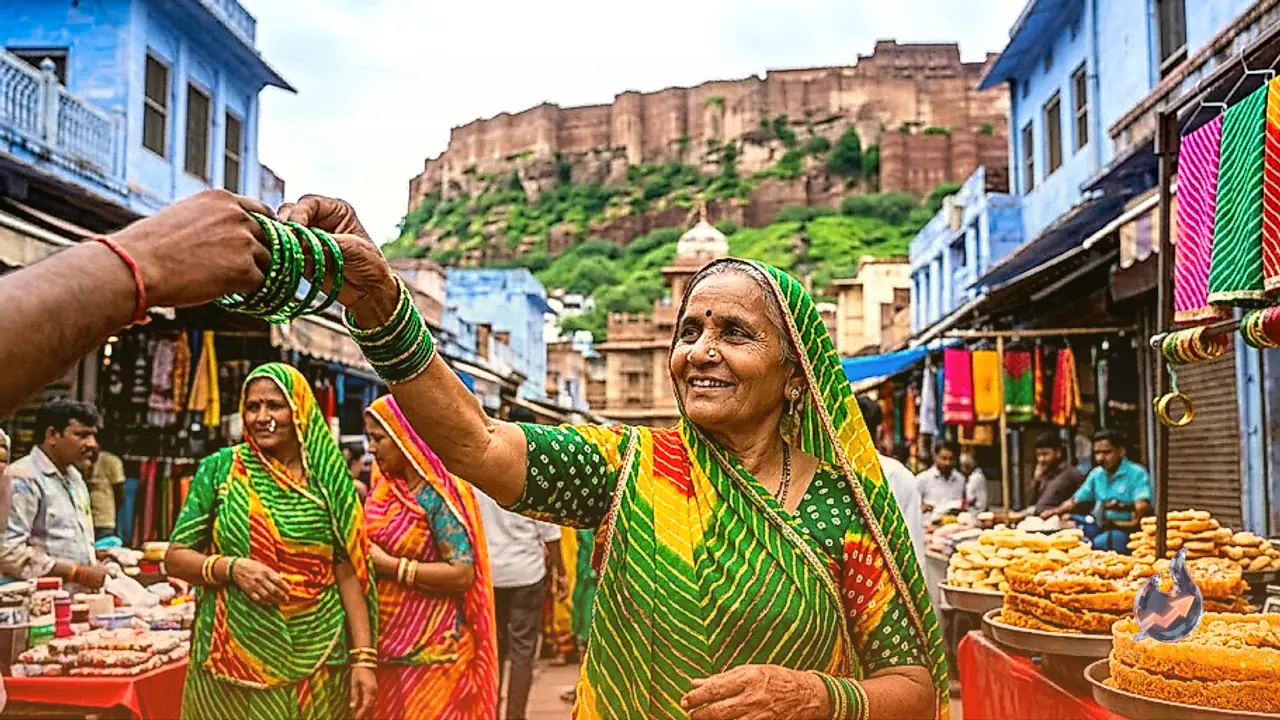

With the arrival of monsoon rains, the cultural hub of Jodhpur in Rajasthan has undergone a vibrant seasonal transformation. As lush greenery blankets the hills surrounding the historic Mehrangarh Fort, a refreshed sense of enthusiasm and joy has taken over both residential neighborhoods and bustling traditional markets. The sacred month of Sawan, also known as Shravan, holds profound significance for local women. Beyond religious worship, it serves as a cherished period to celebrate heritage, adorn themselves in traditional attire, enjoy tree swings, and prepare for upcoming Teej festivities. Across the Sun City, women of all ages are eagerly partaking in these deep-rooted customs.
Blending Nature, Devotion, and Traditional Gastronomy
The onset of Sawan dramatically alters the natural landscape around Jodhpur. Local resident Meenakshi Jain highlighted that the entire city experiences a picturesque makeover during this month, particularly around the iconic Mehrangarh Fort where lush green hills offer a striking backdrop. Early in the morning, women visit local temples for prayers before gathering to enjoy traditional swings accompanied by seasonal folk songs. Culinary traditions also take center stage during Sawan, with sweet shops across Jodhpur reporting a sharp rise in demand for Ghevar, a famous regional delicacy. Meenakshi Jain noted that Sawan seamlessly weaves together environmental beauty, spiritual devotion, and local gastronomy, enriching the cultural fabric of Jodhpur.
Reverence for Green Bangles and Offerings to Goddess Parvati
In Hindu customs, the color green holds special sanctity throughout the month of Sawan, symbolizing nature, prosperity, and vitality. Green bangles and green traditional attire have thus become the defining emblem of the season for women. As part of their ritualistic prayers for marital harmony and the well-being of their families, women offer green bangles to Goddess Parvati at local shrines. Additionally, receiving green bangles or gifts from husbands is regarded as a highly auspicious tradition. Consequently, marketplaces across Jodhpur are witnessing a heavy rush at jewelry and cosmetics stalls, where vendors have stocked up on intricate glass and lac bangles alongside traditional adornments.
Monday Fasts and Preparations for the Teej Festival
Sawan is considered the most sacred month for worshipping Lord Shiva. According to Twinkle Jain, another city resident, devotees adhere to pious routines throughout this period. Women and young girls observe fasts on Sawan Mondays, visiting temples at dawn to perform ritualistic water offerings, known as Jalabhisheka, on the Shivling. Sacred chants of Har Har Mahadev and Om Namah Shivaya echo through temple courtyards, creating a deeply spiritual atmosphere. Simultaneously, women are actively organizing household rituals and purchasing ceremonial items for the festival of Teej, turning the month into an uplifting convergence of faith, heritage, and community celebration.
Markets Radiant with Colorful Leheriya and Bandhani Textiles
No Sawan celebration in Rajasthan is complete without the iconic waves of Leheriya and the intricate patterns of Bandhani. Resident Jyoti observed that textile markets across Jodhpur are currently buzzing with activity as shoppers search for colorful sarees and ethnic wear. Diverse Leheriya variations, such as Mothra and Pachranga, along with intricate Bandhani textiles, are proving immensely popular among women selecting outfits for festive gatherings. This surge in seasonal shopping has brought renewed cheer to local merchants and shopkeepers.
Reflecting on the overall festive spirit, Bhavika mentioned that Sawan has immersed Jodhpur in a celebration of color, faith, and joy that extends far beyond physical greenery. From the verdant slopes of Mehrangarh Fort and the resonant chime of temple bells to the green bangles, shimmering Leheriya sarees, and rich taste of Ghevar, Sawan in the Sun City presents a uniquely captivating celebration.