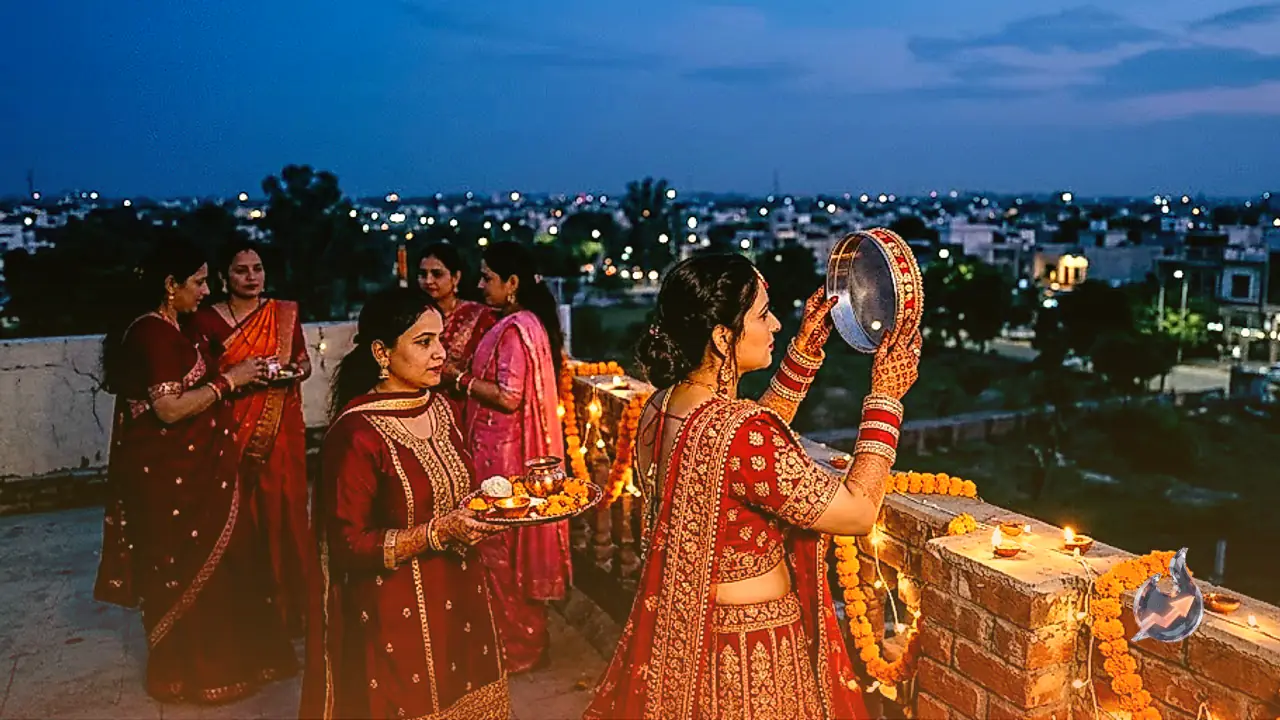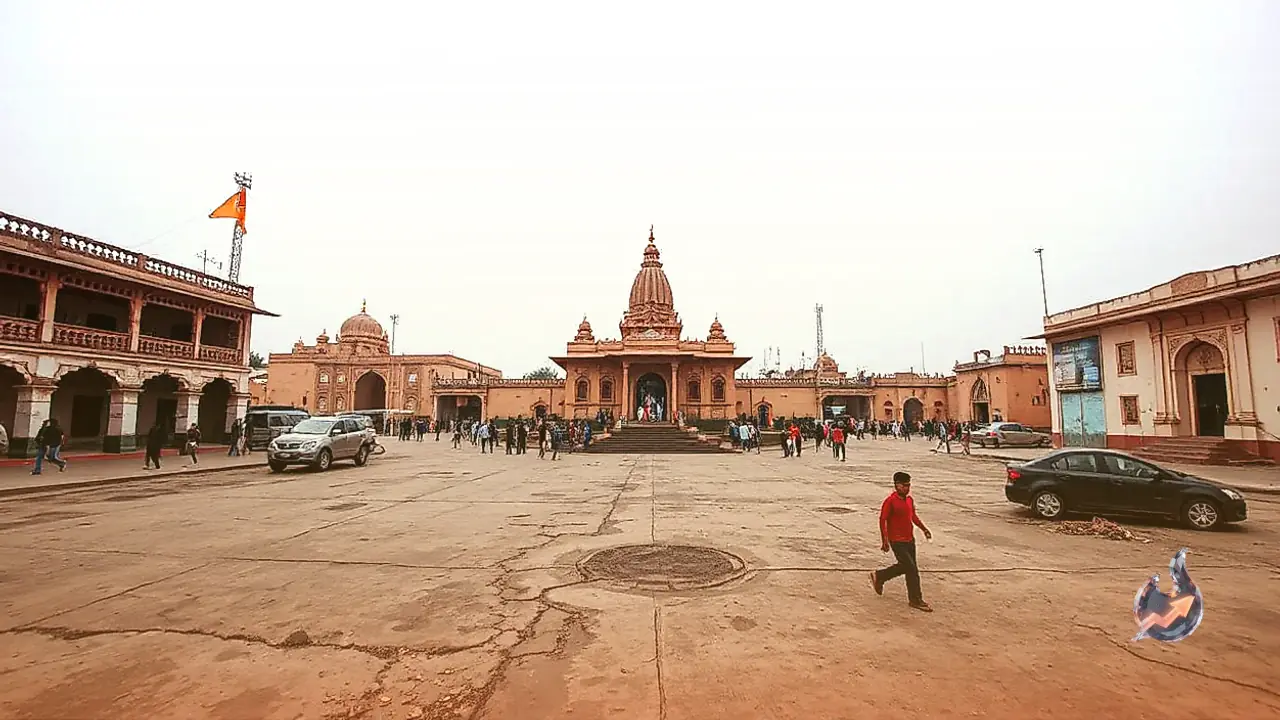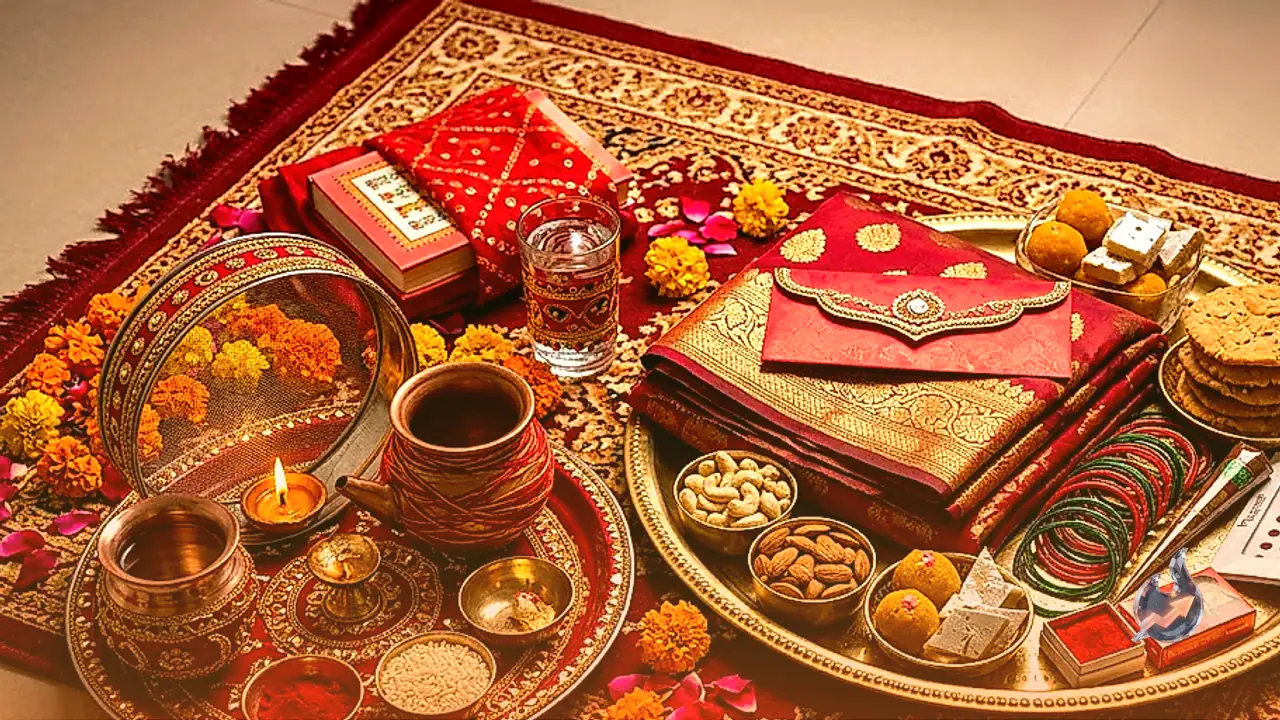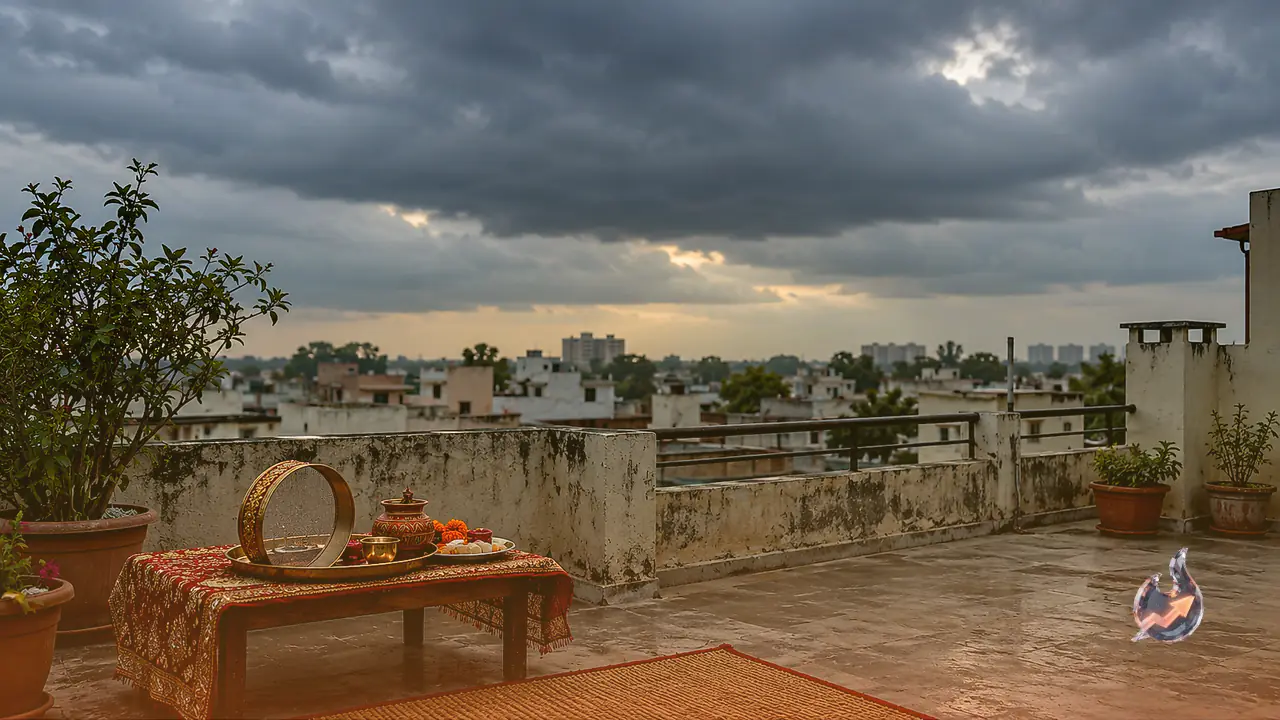



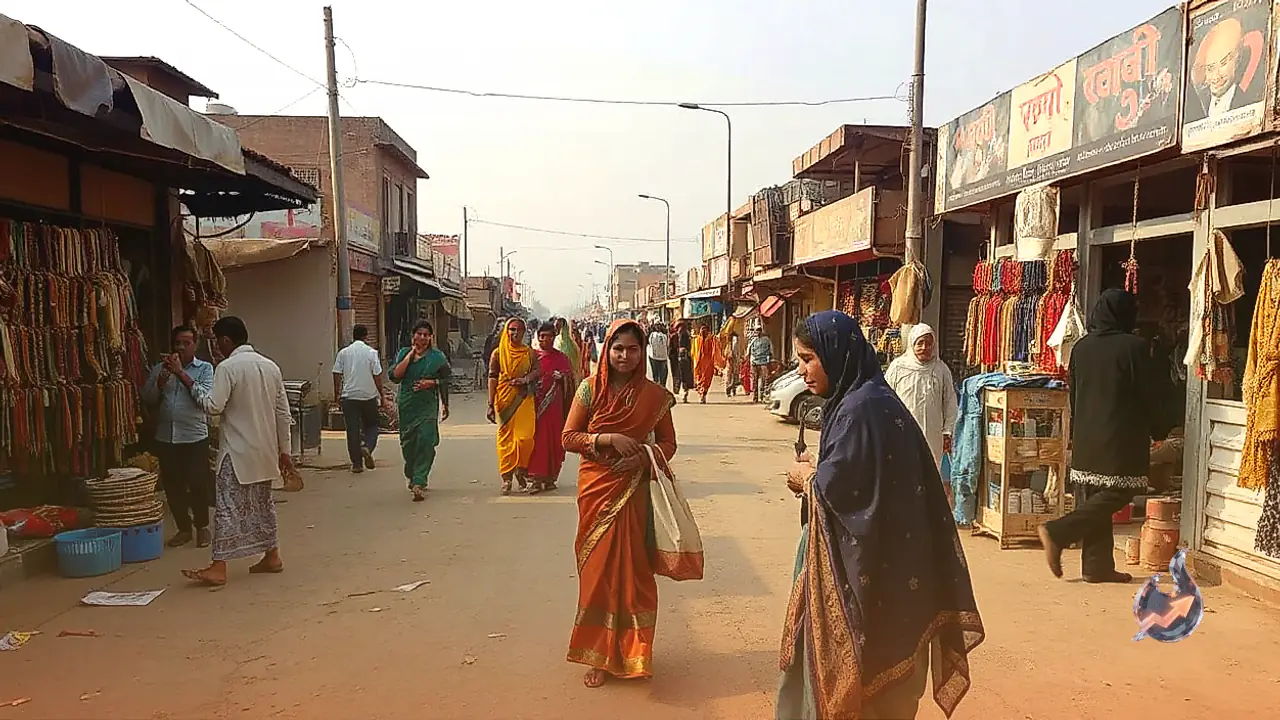














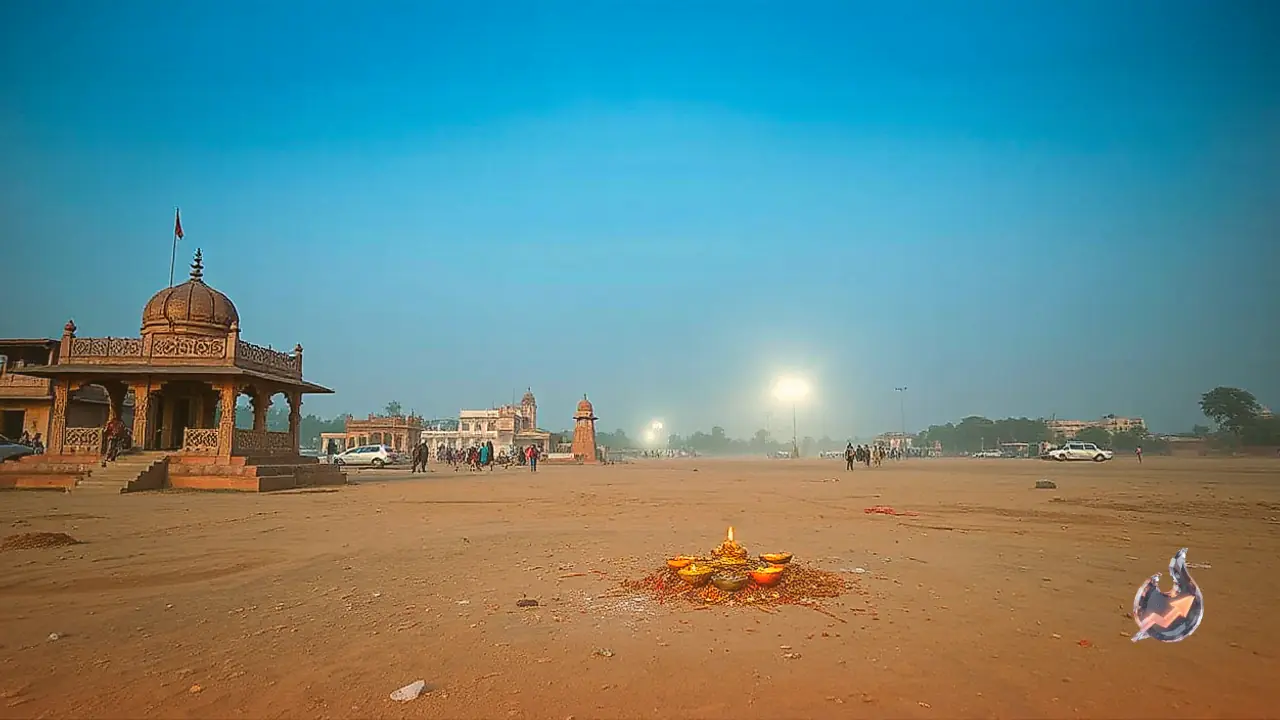

Observed exactly one day prior to the grand celebrations of Diwali, Chhoti Diwali holds immense spiritual significance across the country. In classical Hindu traditions, this festival is also widely recognized as Narak Chaturdashi, Narak Chaudas, Roop Chaturdashi, and Roop Chaudas. Devotees dedicate this auspicious day to worshipping Yamraj, the deity of justice and death, alongside offering lighted oil lamps in a ritual known as Deep Daan. Special reverence is also offered to Lord Krishna on this occasion. Scriptural beliefs hold that performing these sacred rituals on this day helps wash away sins and grants freedom from suffering in the afterlife. With the 2026 festive season approaching, devotees are noting the specific dates, muhurat windows, and traditional customs.
Chaturdashi Tithi Schedule And Observance Date for 2026
According to the traditional lunar calendar, the Krishna Paksha Chaturdashi Tithi in the sacred month of Kartik commences at 10:47 AM on November 7. This lunar phase remains in effect until it concludes at 11:47 AM on November 8. Because the rituals of evening worship and the lighting of lamps are intrinsically tied to the presence of the Tithi during the twilight hours, Chhoti Diwali, or Narak Chaturdashi, will be formally celebrated on November 7, 2026. Families will prepare their courtyards and light customary earthen lamps on this evening to invoke blessings and dispel negativity.
Timings For Abhyanga Snan, Moonrise, And Deep Daan
A central ritual of Narak Chaturdashi is the holy Abhyanga Snan, an early morning purification bath taken with herbal paste before sunrise. For the 2026 observance, the most auspicious window for Abhyanga Snan spans from 05:41 AM to 06:38 AM on the morning of November 8. Alongside the morning purification, the moonrise on Narak Chaturdashi is recorded at 5:41 PM in the evening. For conducting the sacred Deep Daan ceremony, both Godhuli and Sayahna Sandhya timings are considered ideal. The Godhuli Muhurat lasts from 5:31 PM to 5:57 PM, while the broader Sayahna Sandhya window extends from 5:31 PM to 6:50 PM, offering a dedicated period for lighting ritual lamps.
The Legend of Lord Krishna And The Defeat of Narakasura
The historical significance of Narak Chaturdashi stems from an ancient legend involving the demon king Narakasura. Empowered by immense strength, Narakasura unleashed havoc across the cosmos and held 16,000 women captive in his stronghold. Unable to endure his reign of fear, distressed sages, ascetics, and celestial beings approached Lord Krishna seeking intervention and rescue. Responding to their appeals, Lord Krishna confronted the tyrannical demon, vanquished him in battle, and ended his oppressive dominance over the realms.
Following the elimination of Narakasura, Lord Krishna freed all 16,000 captive women from imprisonment. To celebrate this historic liberation and honor the victory of light over dark forces, citizens across the land illuminated their homes with radiant earthen lamps. This joyous victory celebration laid the foundation for the eternal tradition of lighting lamps, establishing the observance of Chhoti Diwali and Narak Chaturdashi through the ages.