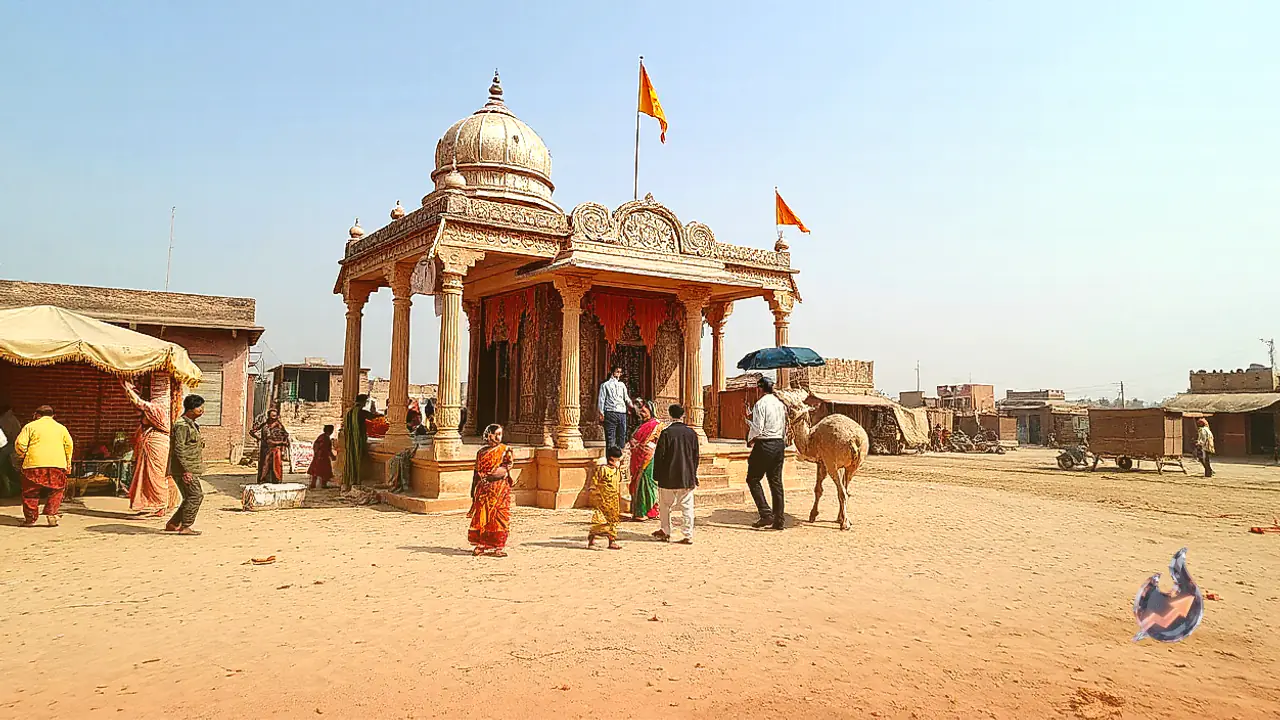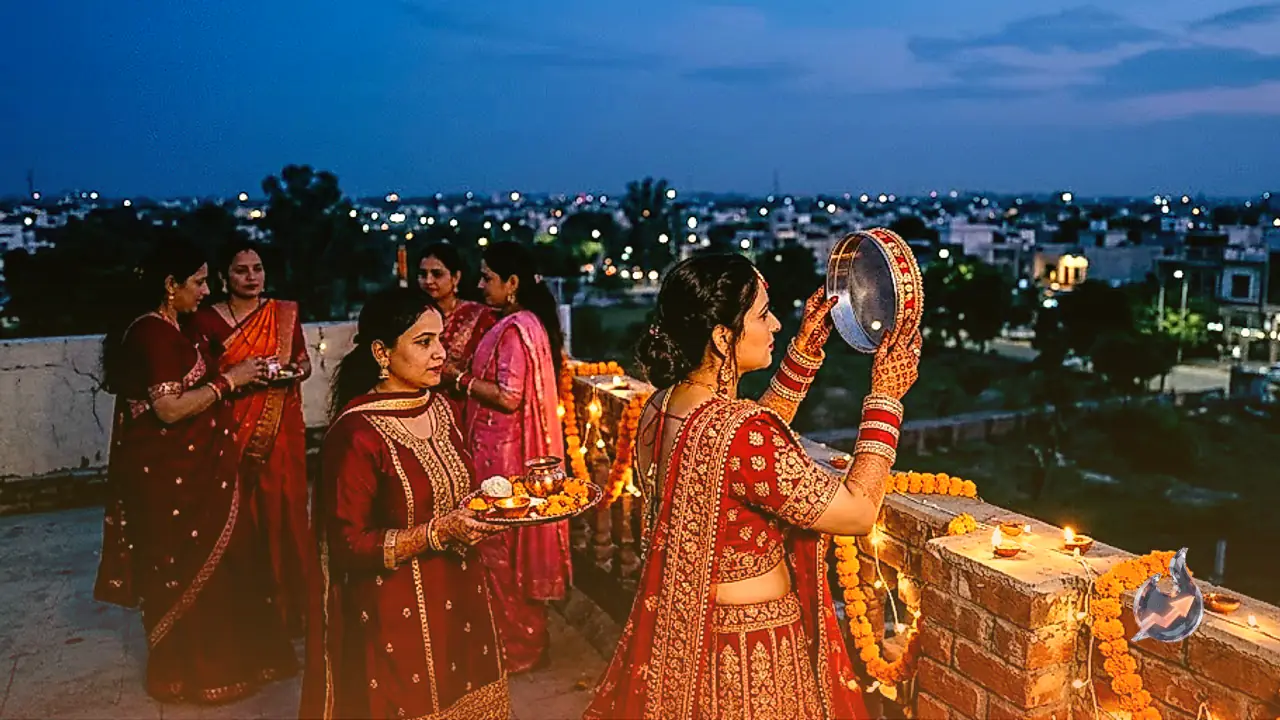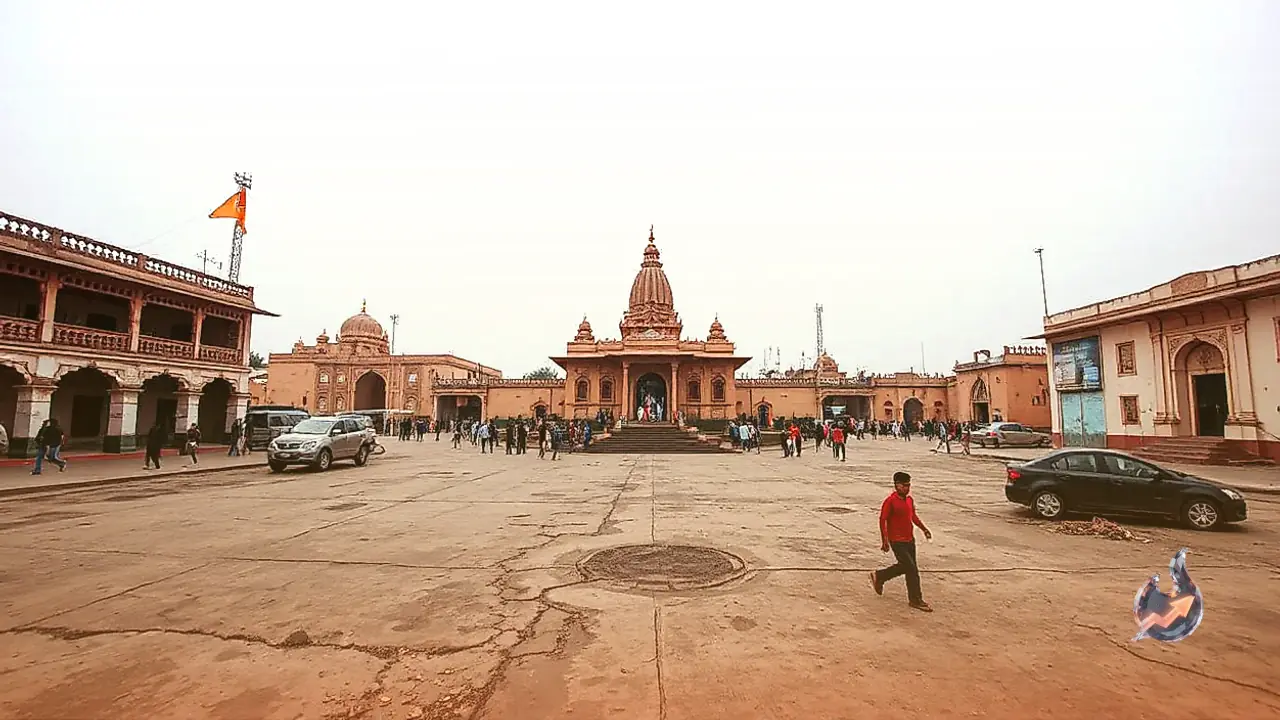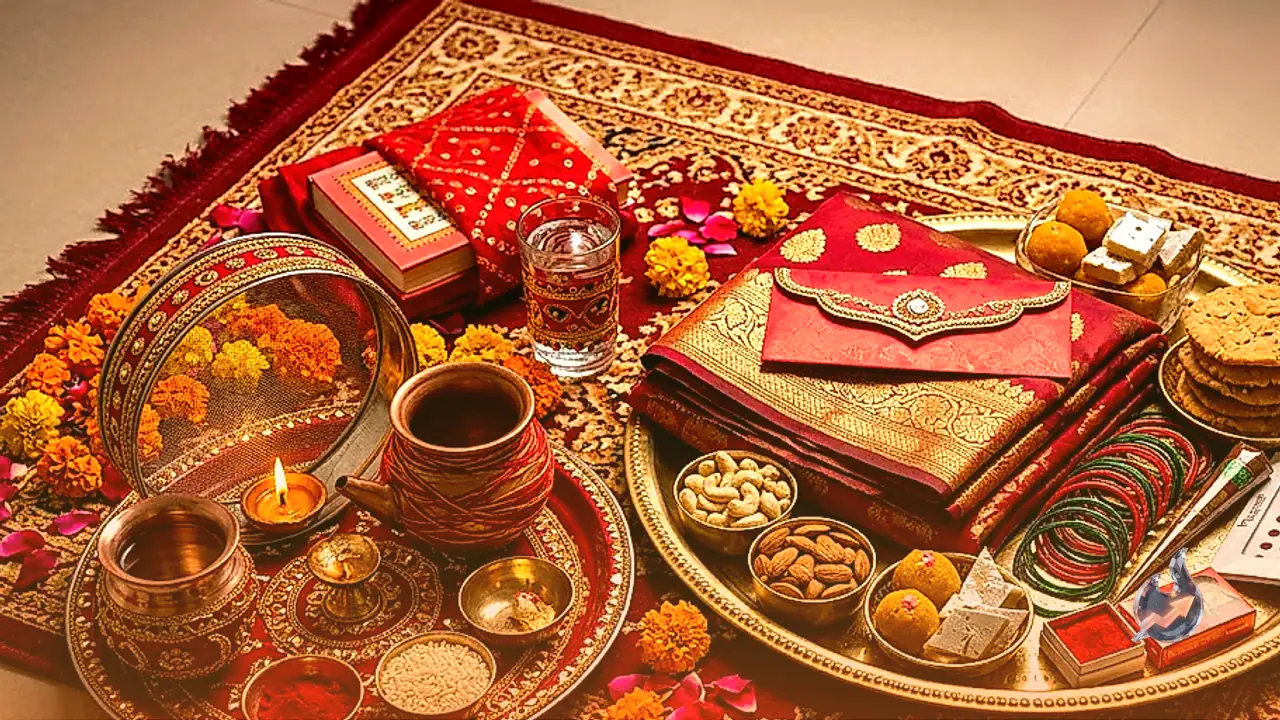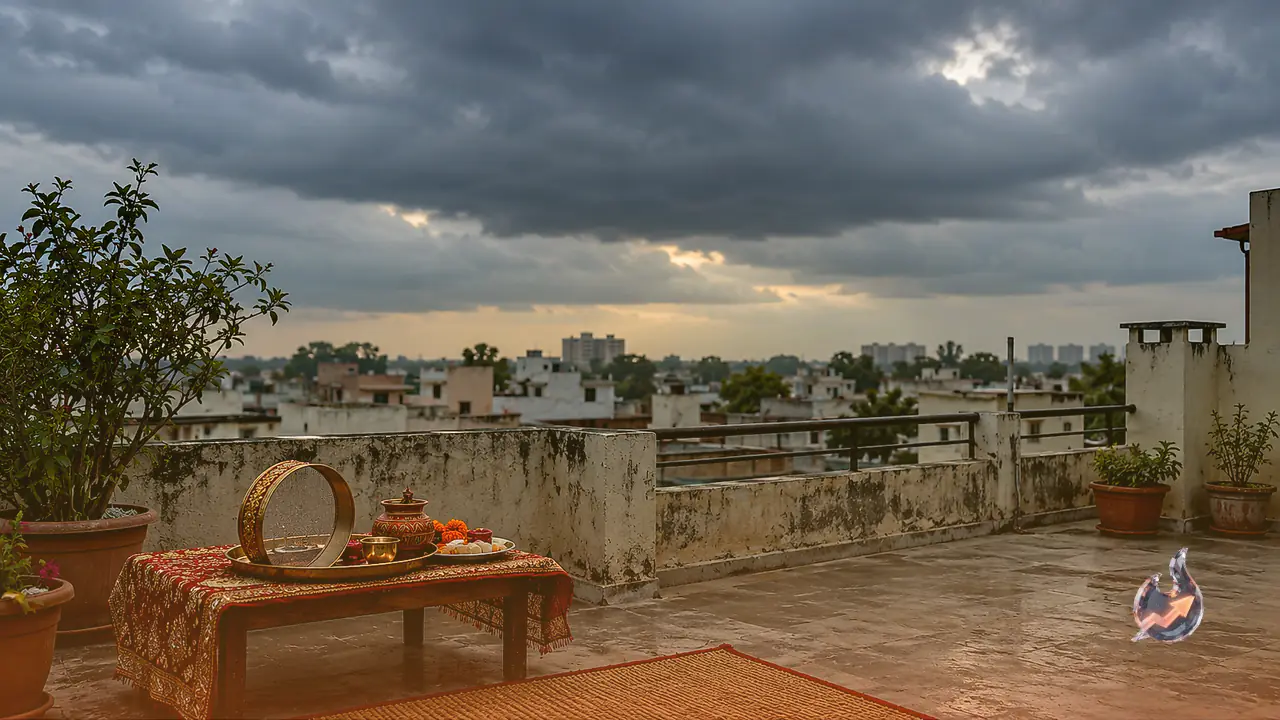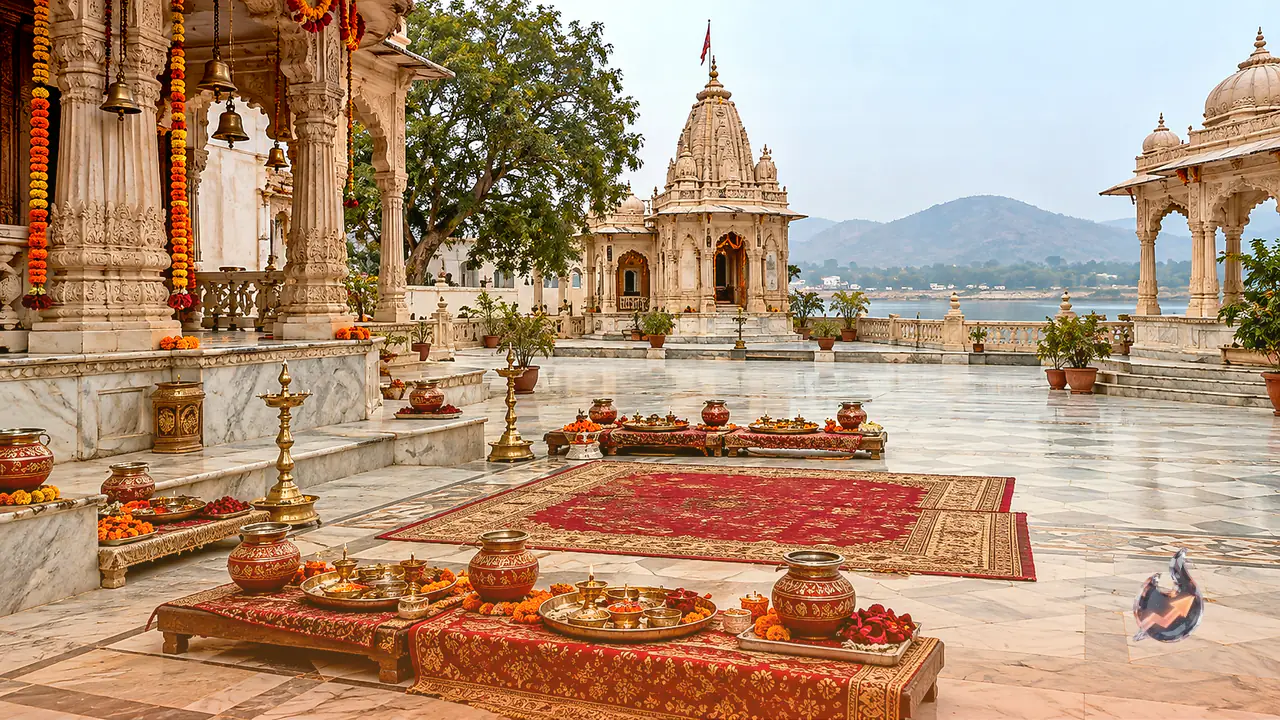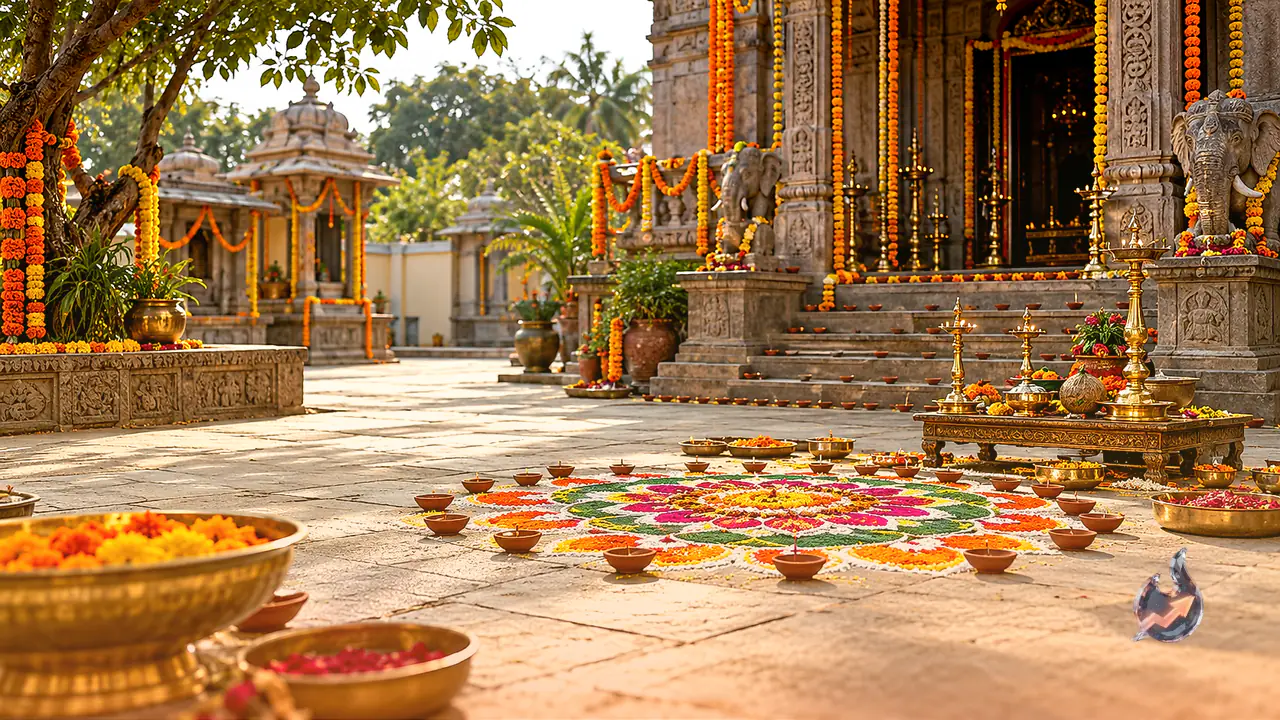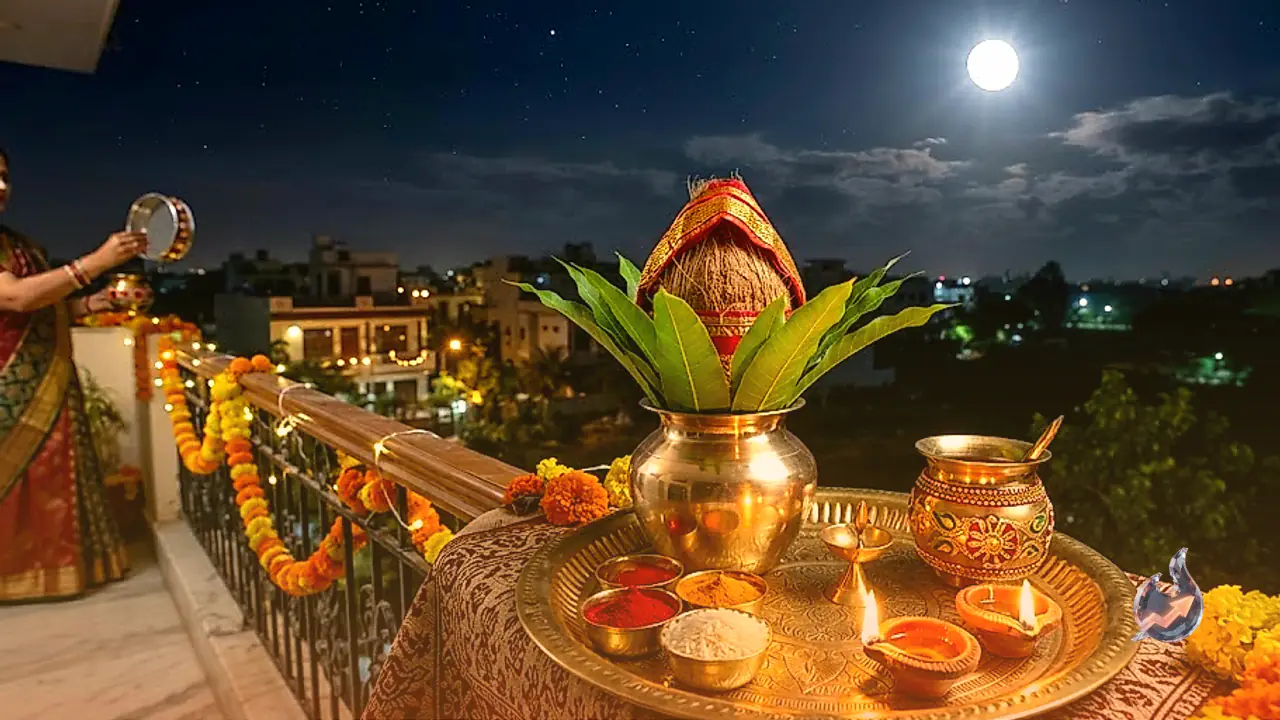
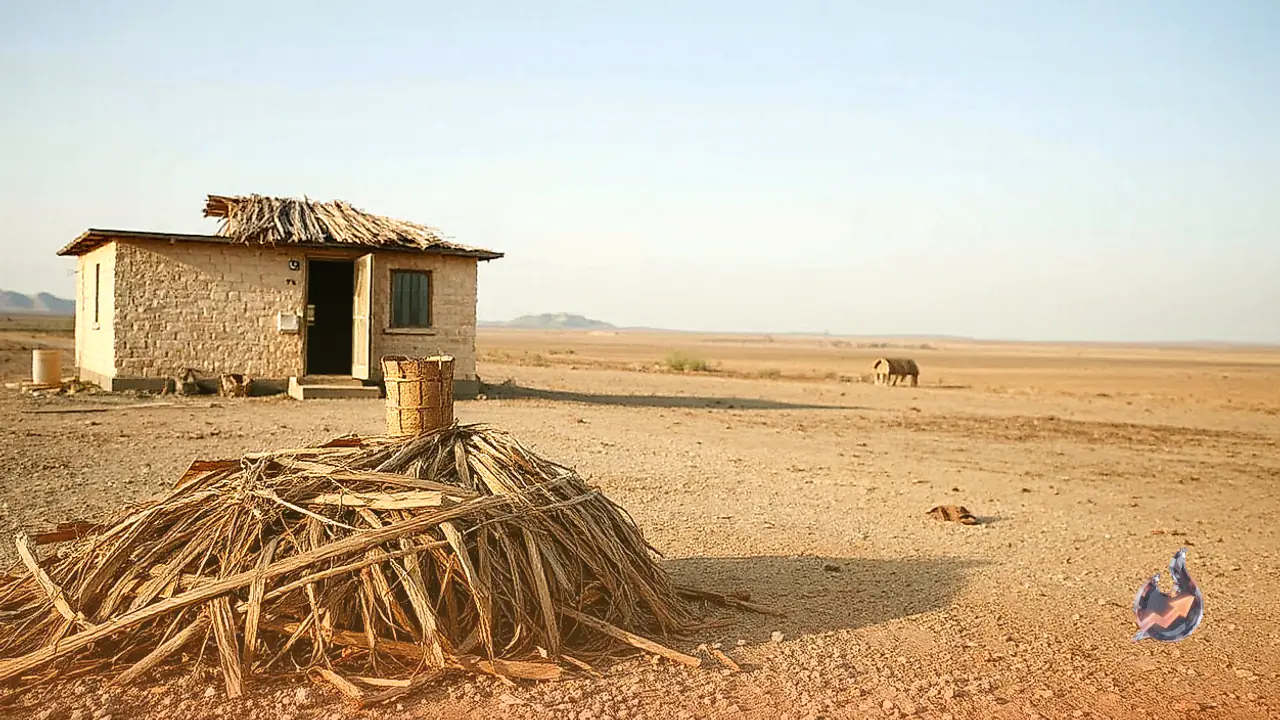
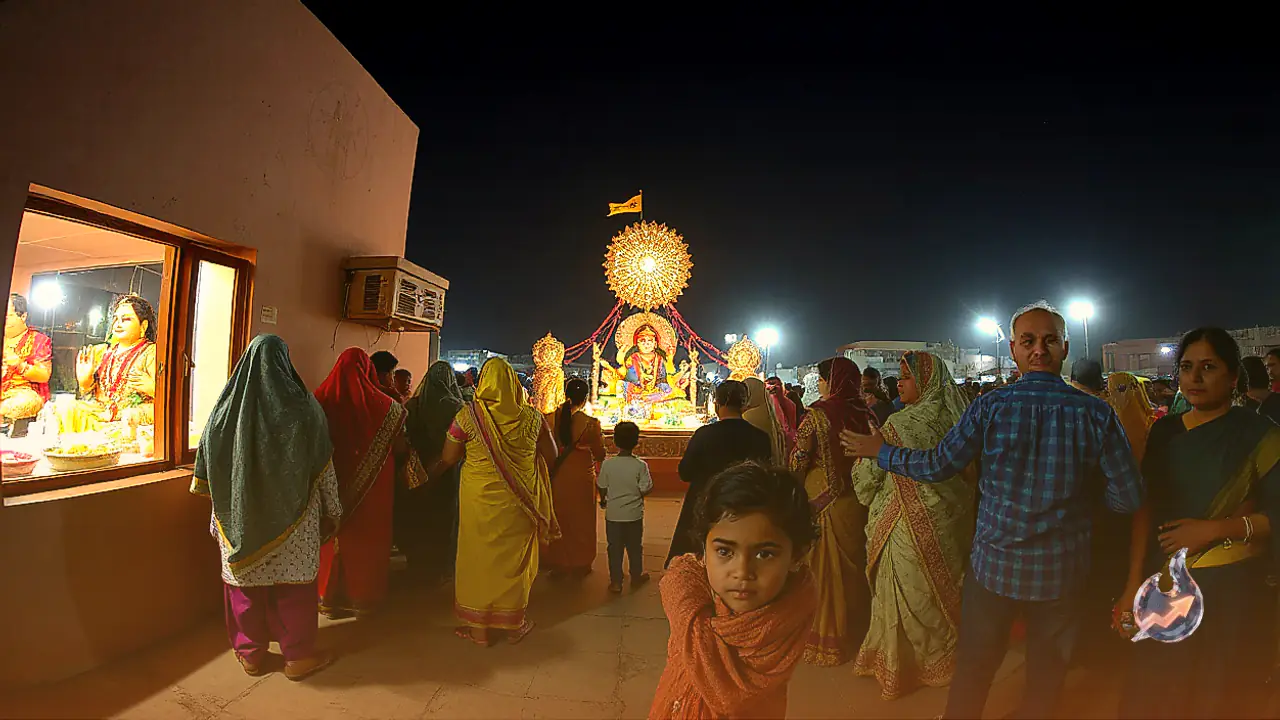
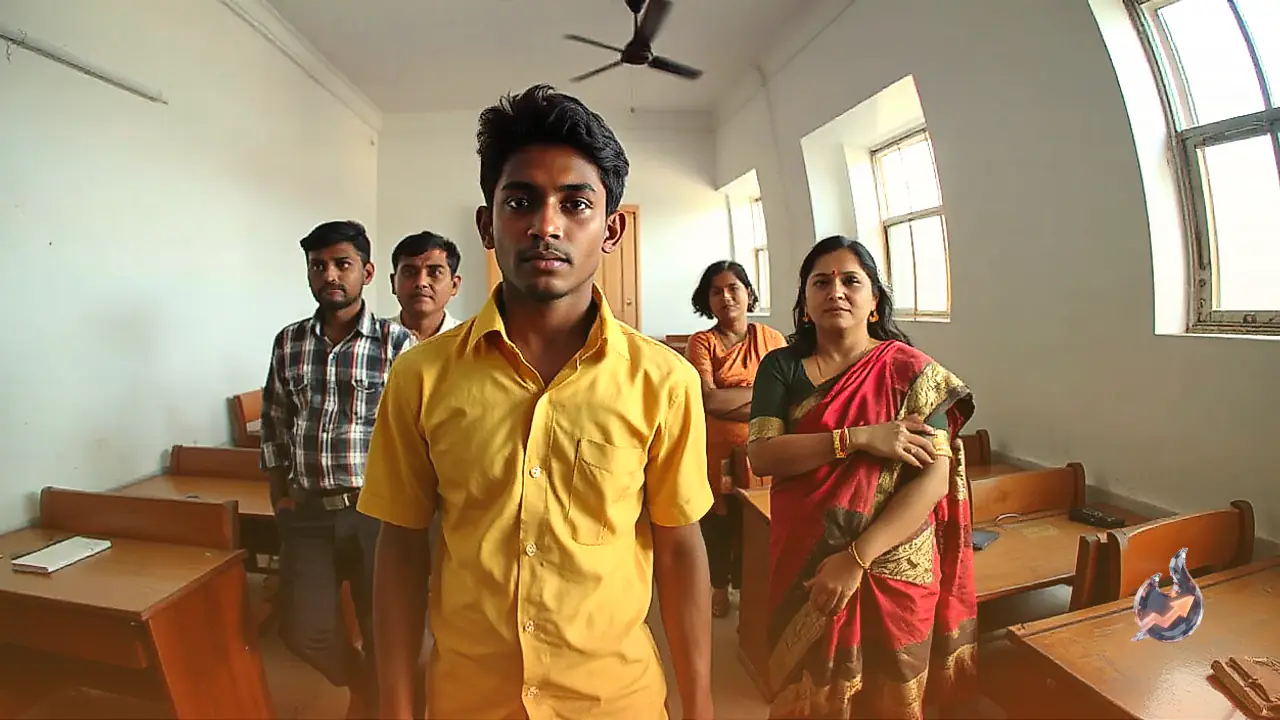














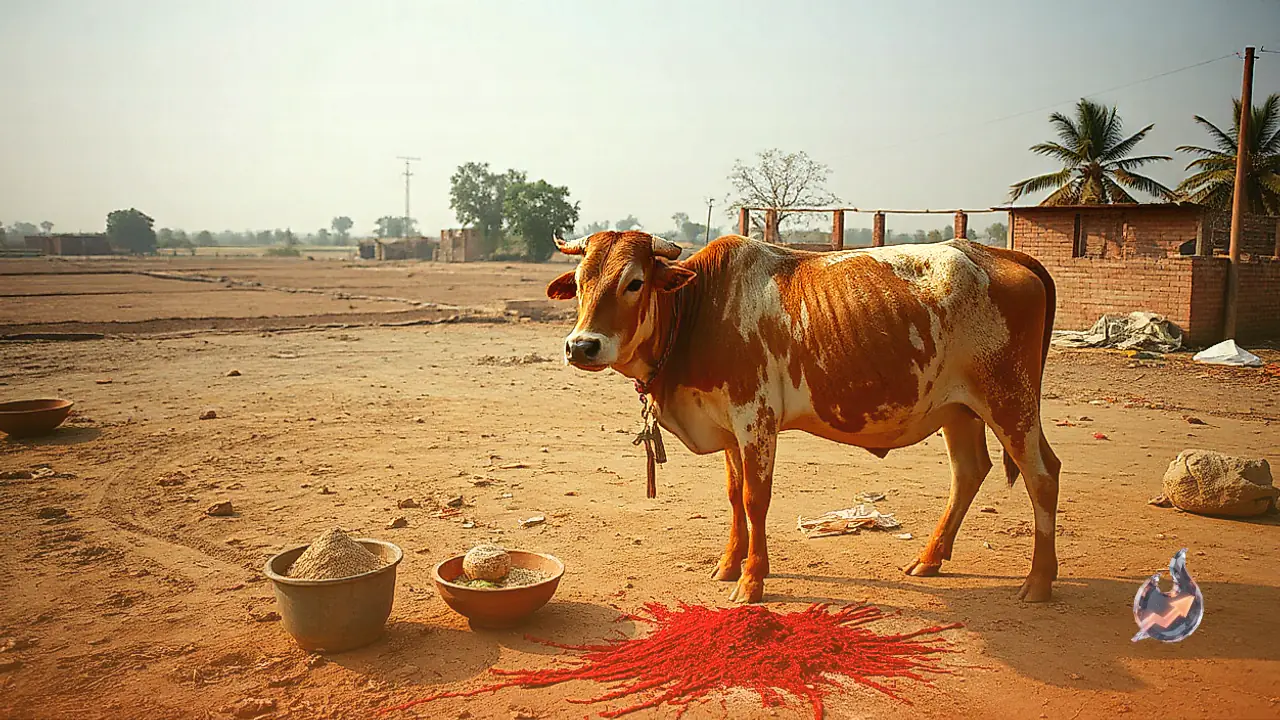

While modern festive trends lean heavily toward artificial products, the daybreak of Diwali across the rural belts and traditional homes of Telangana unfolds with a deeply grounded character. Instead of synthetic powders, plastic decorative stickers, and chemical enhancements, the atmosphere in these villages fills with the fragrant aroma of damp earth and fresh cow dung. Local households preserve their age-old heritage by anchoring the celebrations firmly to nature and the land, creating a vivid contrast with contemporary urban festivities.
Dawn Routines and Rangoli Made from Edible Rice Flour
Festive preparations begin well before daybreak as women of the household wake up to start the morning rituals. They sprinkle water across courtyards to settle the dust and sweep the entire area spotless. Once the grounds are prepared, intricate patterns are drawn on the floor. Unlike common decorative displays that rely on artificial dyes, this floor art is crafted entirely from pure rice flour and natural lime. This choice is rooted in a thoughtful community belief, as the rice flour serves as an immediate first meal for crawling ants and other small ground organisms, reflecting deep compassion for living creatures.
The Sacred Presence and Adornment of Gobbemma
Right at the center of the geometric floor design, as well as along the thresholds of primary doorways, women place small conical pyramids shaped from fresh cow dung, locally known as Gobbemma. Traditional beliefs revere these sacred forms as the living embodiments of Goddess Lakshmi and Goda Devi. These figures are never left bare; instead, they undergo a complete ritual adornment. Women carefully apply sacred marks of turmeric and kumkum onto the dung pyramids. The tips of the structures are then crowned with freshly plucked yellow blooms of marigold, kanneru, or sugar apple, accompanied by strands of sacred durva grass, representing enduring prosperity and positive vitality for the household.
Earthy Hues and Deccan Vernacular Architecture
During the Diwali celebrations, the lower portions of external walls and doorframes are painted using natural yellow clay and deep red ochre. This distinctive combination of red and yellow earthy pigments has stood for centuries as a defining hallmark of traditional Deccan vernacular architecture. Applying these mineral pigments grants even the simplest rural dwellings a dignified, warm, and festive visual identity, transforming every entryway without reliance on modern industrial paints.
Natural Sanitation and Defense Against Pests
These customary practices serve a practical and hygienic function rather than acting as empty symbolism. Fresh cow dung and turmeric are potent antibacterial agents provided directly by nature. Because Diwali arrives immediately following the conclusion of the rainy season, damp surroundings typically cause a surge in insects and environmental pathogens. Coating main door sills, walls, and floors with a mixture of red ochre, clay, and cow dung forms a protective barrier that shields the household from harmful pests and microbial infections during a critical climatic transition.
Agricultural Gratitude and Ecological Simplicity
The cultural framework of Telangana remains intimately linked with agrarian rhythms and livestock welfare. Creating and venerating Gobbemma functions as an explicit demonstration of gratitude toward domestic cattle and agricultural animals that sustain farming life. The celebration underscores the principle that true festivities thrive by honoring natural resources rather than degrading them. Amid the growing dominance of synthetic glitz, rural courtyards decorated with red ochre and Gobbemma stand as a living testament to environmental care, cultural continuity, and unpretentious simplicity.