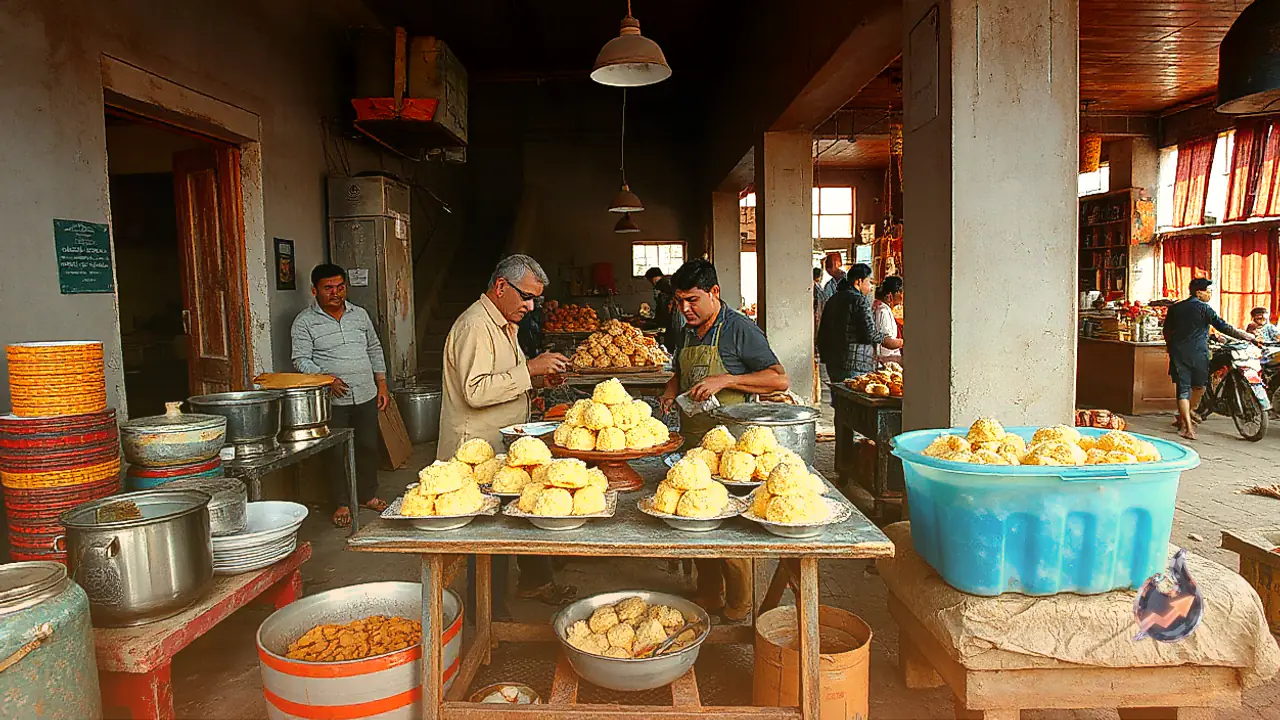
























Festive celebrations feel decidedly incomplete without the comforting richness of traditional sweets, particularly during the vibrant days of Diwali. However, commercially manufactured festival sweets frequently raise serious concerns regarding adulteration and stale ingredients, which can compromise digestive wellness. Turning to homemade sweets allows complete control over the purity and quality of ingredients, ensuring an enjoyable and safe culinary treat for family and guests alike. Among festive delicacies, grainy milk cake stands out as a universally cherished confection known for its rich aroma and delicate texture. With standard kitchen cookware, measured patience, and methodical steps, anyone can recreate this halwai-style classic right at home to warm appreciation from every guest.
Essential Ingredients and Measurements
Achieving the authentic firm yet crumbly texture demands precision in both ingredients and proportions. For this recipe, gather 2 litres of full cream milk, 1 cup of sugar, 1 teaspoon of lemon juice or tartaric acid, 3 to 4 tablespoons of pure ghee, and half a teaspoon of freshly ground cardamom powder. Choosing rich, full cream milk is essential because high fat content forms the substantial mawa base needed for genuine body and taste.
Initial Boiling and Reduction Phase
Begin the cooking process by selecting a wide, heavy-bottomed pan or kadhai. A heavy base is indispensable here, as it distributes heat evenly and prevents dairy solids from scorching or sticking to the bottom. Pour the 2 litres of full cream milk into the vessel and place it over high heat until it reaches a vigorous boil. Once it starts boiling, reduce the flame to a steady medium level.
Stir the simmering milk continuously with a sturdy spatula, allowing it to cook down gradually until it reduces to exactly half of its initial volume. Throughout this reduction stage, never let cream skin form a crust along the inner edges of the pan. Continuously scrape down the sides, folding the thick milk solids back into the bubbling liquid to enrich the overall mixture.
Technique for Achieving the Distinct Grainy Curd
The hallmark of an exceptional milk cake is its delicate, even grain. Prepare the curdling agent by diluting 1 teaspoon of lemon juice with 2 teaspoons of water. Once the milk has reduced by half, pour this diluted mixture in gradually, a few drops at a time, while stirring gently. Small, tender curds will begin to form across the liquid. Extreme caution must be exercised at this step: the objective is solely to generate fine grains, not to curdle the milk completely into paneer or chenna.
Integrating Sugar and Ghee for Rich Flavour
Keep stirring and cooking the grainy reduction until it thickens substantially and approaches the consistency of soft mawa. At this juncture, gradually introduce 1 cup of sugar. As the sugar dissolves, the mixture will naturally loosen and become runny again. Maintain constant stirring to keep this sweetening mixture from catching or burning at the bottom of the vessel.
As moisture evaporates and the mass thickens once more, begin adding the 3 to 4 tablespoons of ghee in small increments. The gradual addition of ghee imparts an appetizing sheen to the sweet and prevents it from sticking, causing the mass to pull away smoothly from the pan walls. Continue roasting over a moderate heat until the mixture takes on a light brown, caramelised tone.
Setting the Mixture and Trapping Heat for Authentic Colour
Once the desired thickness and light caramel tint are reached, turn off the heat immediately. Stir in half a teaspoon of cardamom powder, ensuring it distributes evenly for fragrance. Grease a deep tin or food container thoroughly with ghee. Transfer the hot mixture straight into the container and press it down firmly with the back of a spoon to create an even, compact layer.
The signature look of traditional milk cake features a rich brown interior surrounded by a lighter golden outer rim. This dual-tone gradient develops only when the core retains intense residual warmth for several hours. Secure the container with a lid, wrap it completely inside a thick towel or warm blanket, and leave it undisturbed in a warm spot for 5 to 6 hours. The trapped heat slowly caramelises the centre without direct flame. After the setting period ends and the sweet firms up, invert the block onto a board, slice it into neat rectangular pieces, and serve.