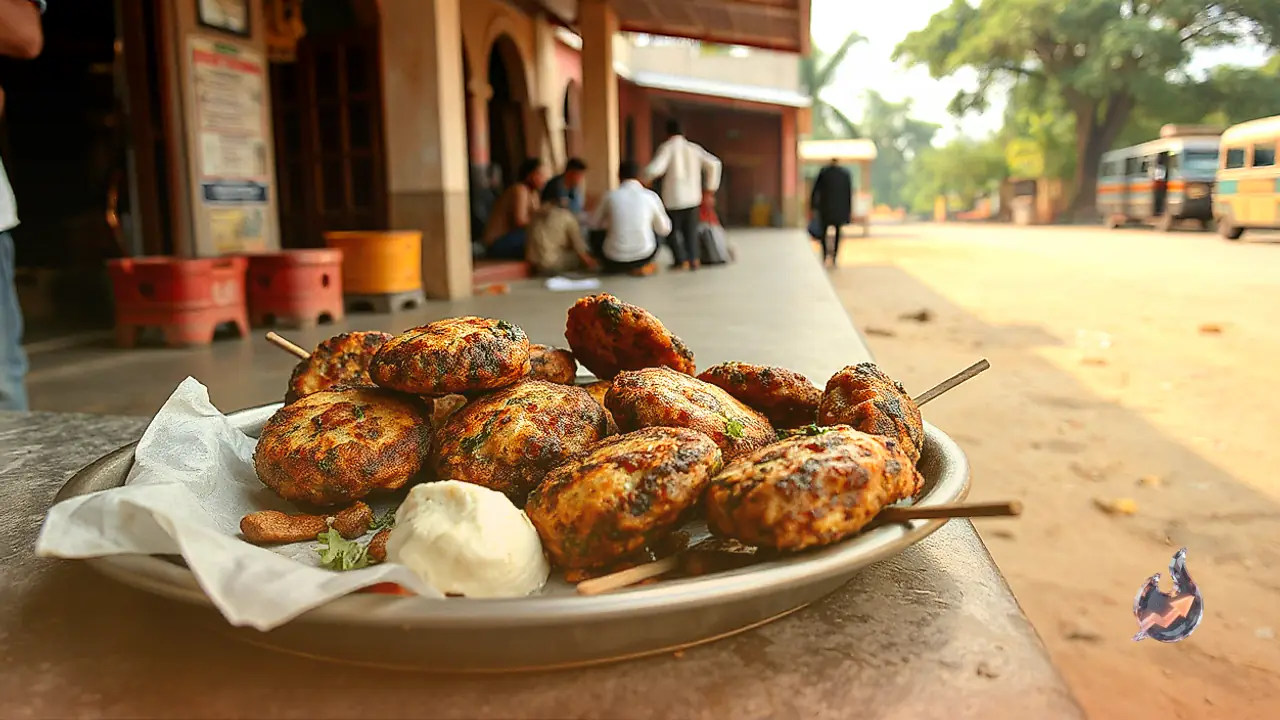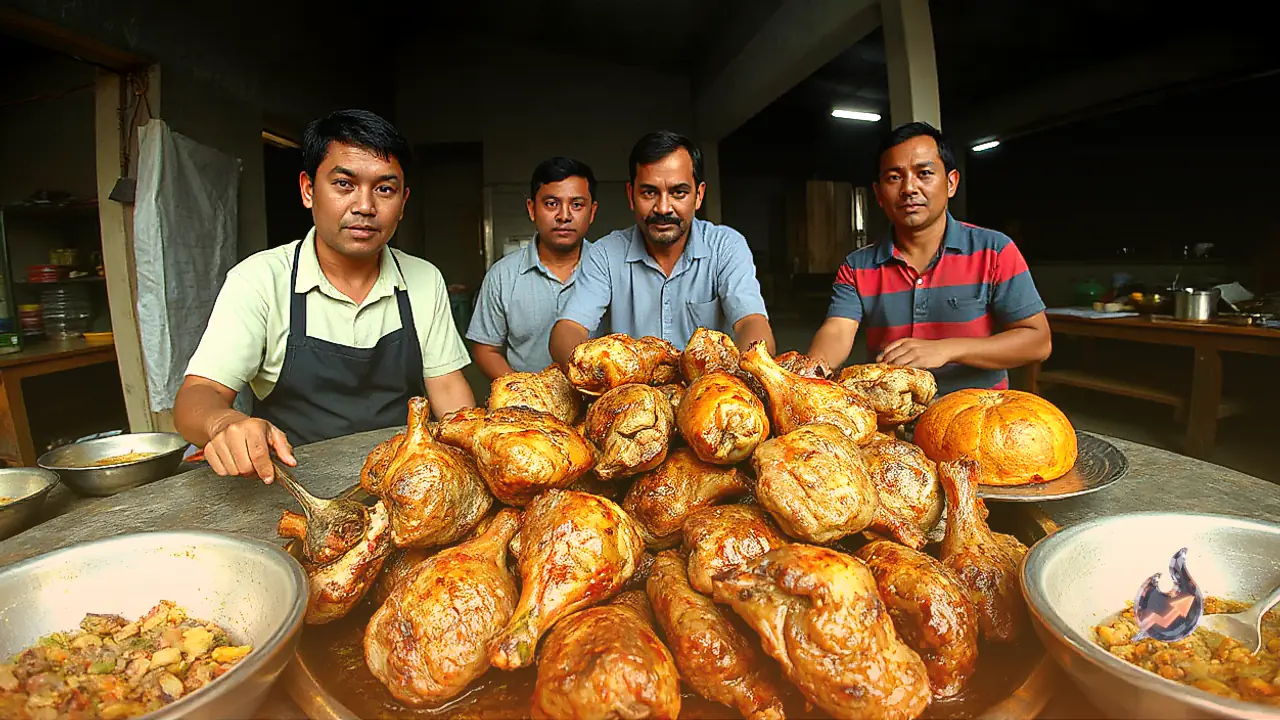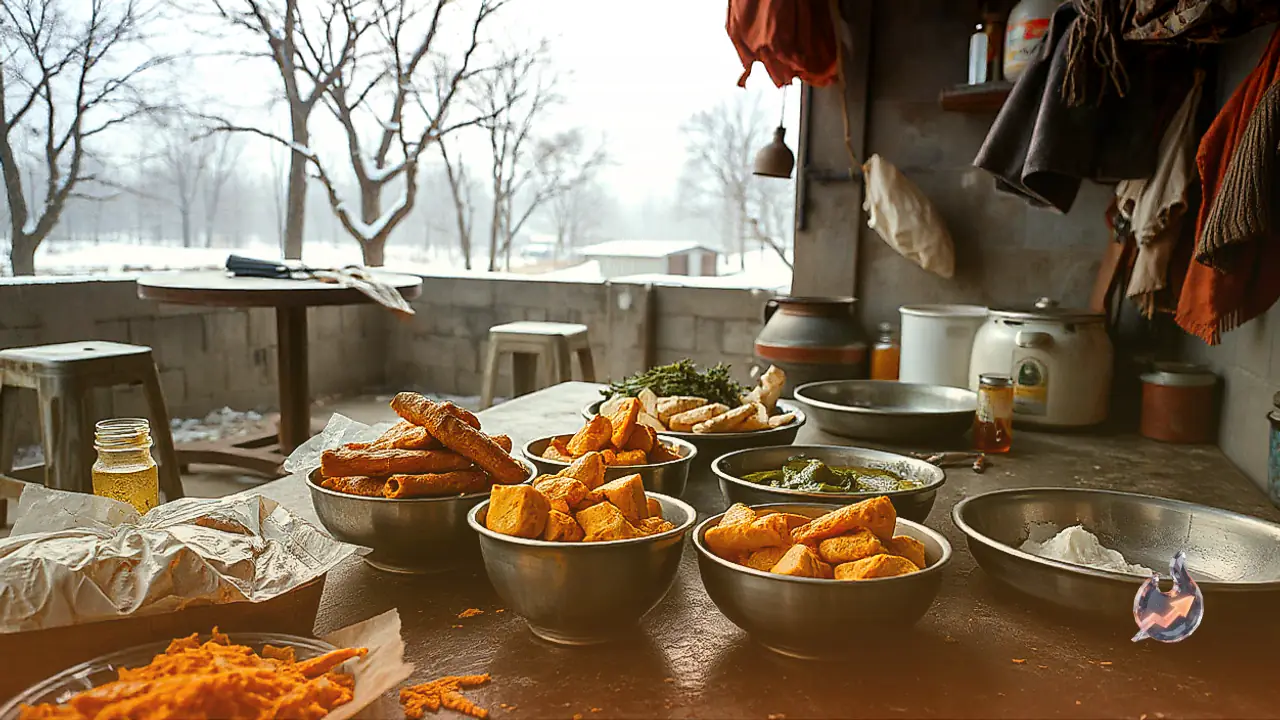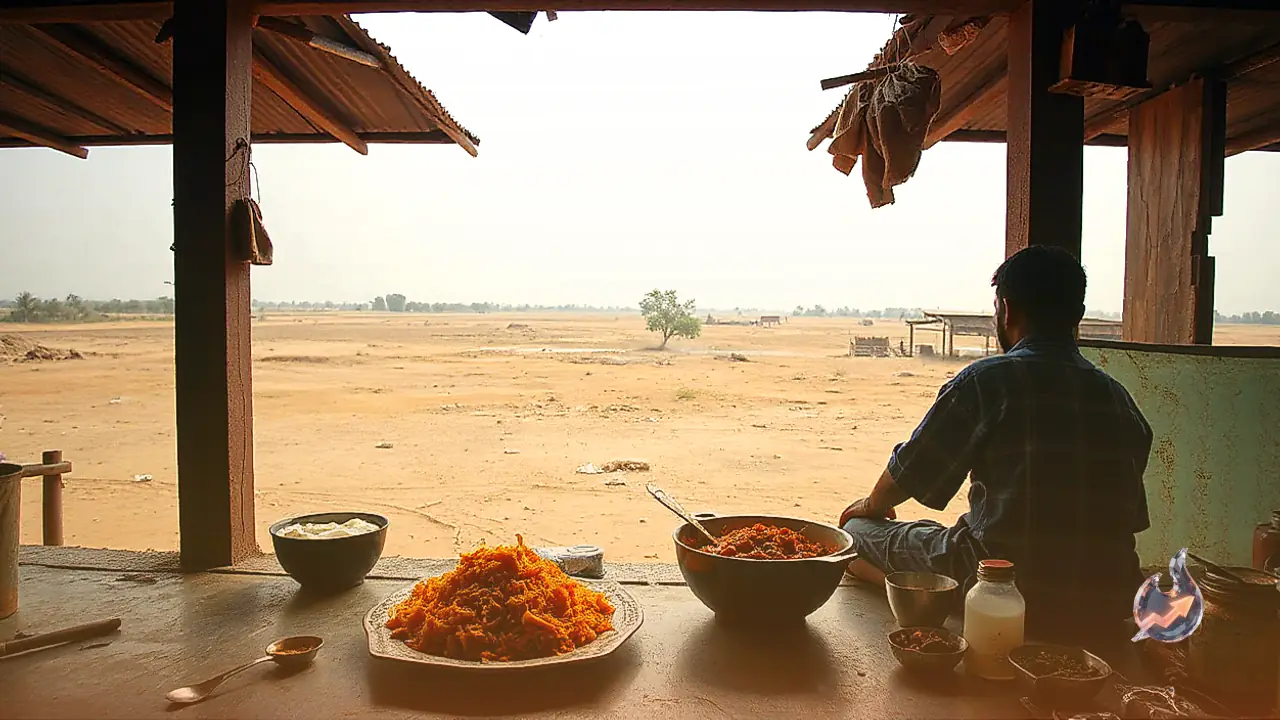





















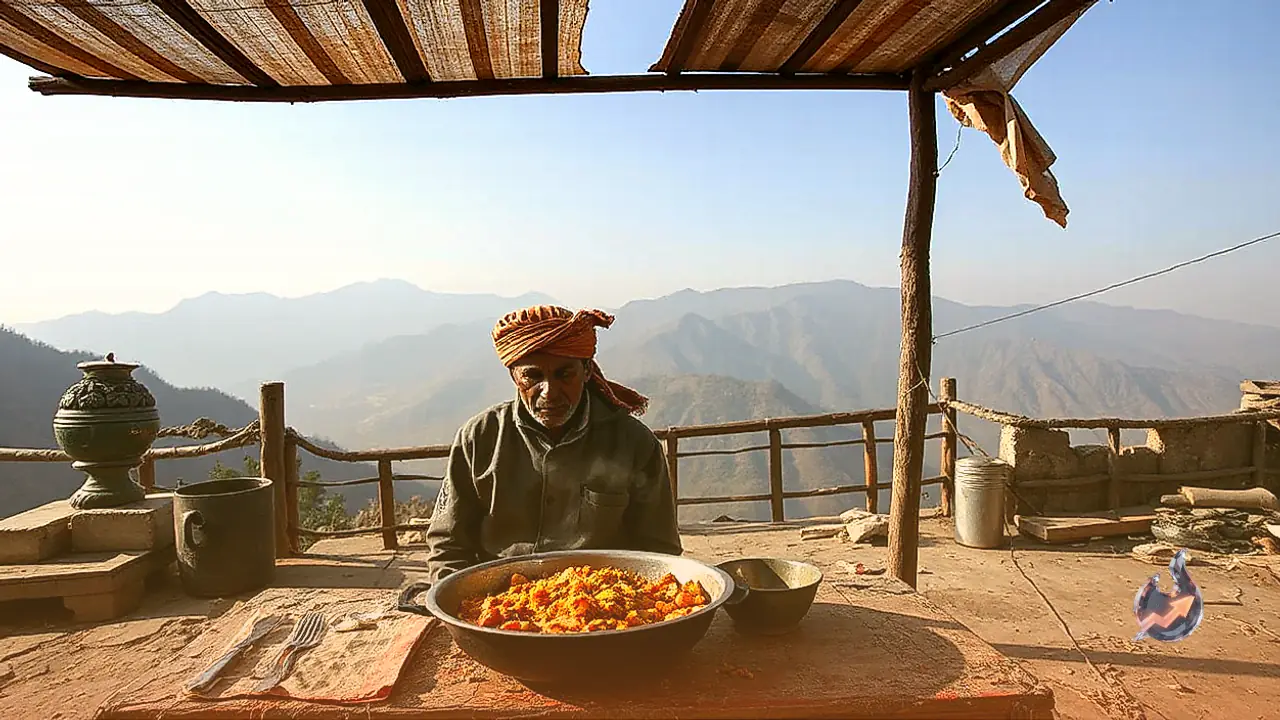

Across the Garhwal and Kumaon belts of Uttarakhand, traditional cuisine features a rich variety of age-old culinary preparations that remain widely cherished. Among these cultural staples, Pahadi Bhutwa stands out as a distinctive meat dish. It is prepared using goat offal, specifically the intestines, lungs, and liver. Slow-roasted in pungent mustard oil with local seasonings and tempered with jakhiya seeds, the dish offers a rustic aroma and depth of flavor that sets it apart from common meat preparations.
A celebratory tradition preserved across generations
Diya Tamta, a local culinary expert from Bageshwar, explains that Bhutwa has traditionally been prepared using precise indigenous methods. Historically, families prepared this dish during special celebrations, milestone gatherings, and festive family events. Depending on personal preference and regional style, cooks prepare it either as a thoroughly roasted dry dish or with a light, flavorful gravy.
Step-by-step cooking method
Preparation begins with the rigorous cleaning of the goat intestines, lungs, and liver. Once thoroughly cleaned, these parts are chopped into bite-sized pieces and cooked well beforehand. Following the authentic technique, mustard oil is heated in a heavy iron wok. Once the oil reaches smoking point, jakhiya seeds are introduced for tempering, followed promptly by finely chopped onions, ginger, garlic, and fresh green chilies, all sautéed until golden.
After the aromatics are properly roasted, ground turmeric, coriander powder, red chili powder, and salt to taste are incorporated into the mixture. As soon as the spice blend is thoroughly cooked, the pre-cooked offal pieces are added to the pan. Everything is mixed thoroughly and allowed to roast slowly over gentle heat. Continuous stirring is essential throughout this stage to ensure that the rich spices coat the meat evenly and do not stick to the bottom of the wok.
For a dry finish, cooks add little to no water, allowing the meat to roast in its own juices and spices. Those who prefer a mild gravy can stir in water according to their liking. Once the dish is completely tender and fully cooked, freshly chopped coriander leaves are sprinkled on top before serving it warm.
Key culinary rules for authenticity and safety
Preparing Bhutwa successfully requires close attention to culinary hygiene and technique. Thorough cleaning of the organ meats is critical, and they must be cooked through completely without leaving any piece undercooked. Spices must be roasted patiently on low heat so their distinct mountain flavors develop fully. Regular stirring during the cooking process prevents burning or scorching at the base. To preserve the authentic heritage flavor of the hills, using a cast iron wok and authentic jakhiya tempering remains indispensable.