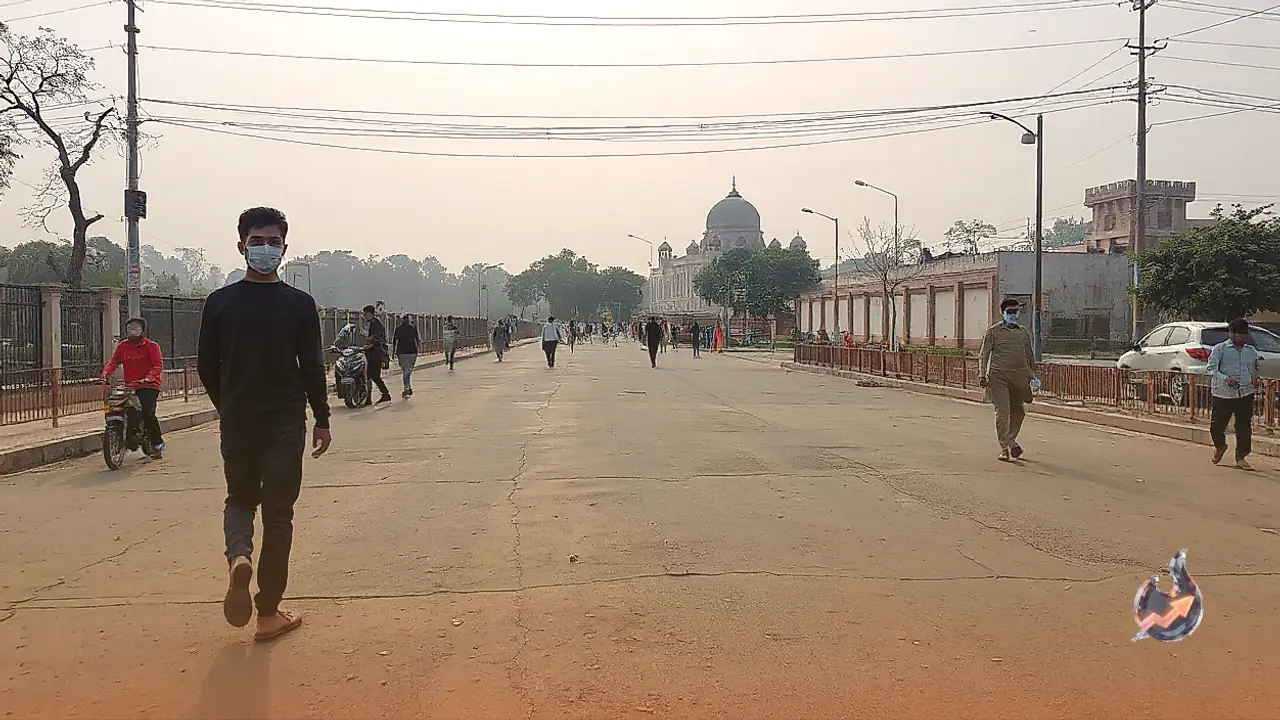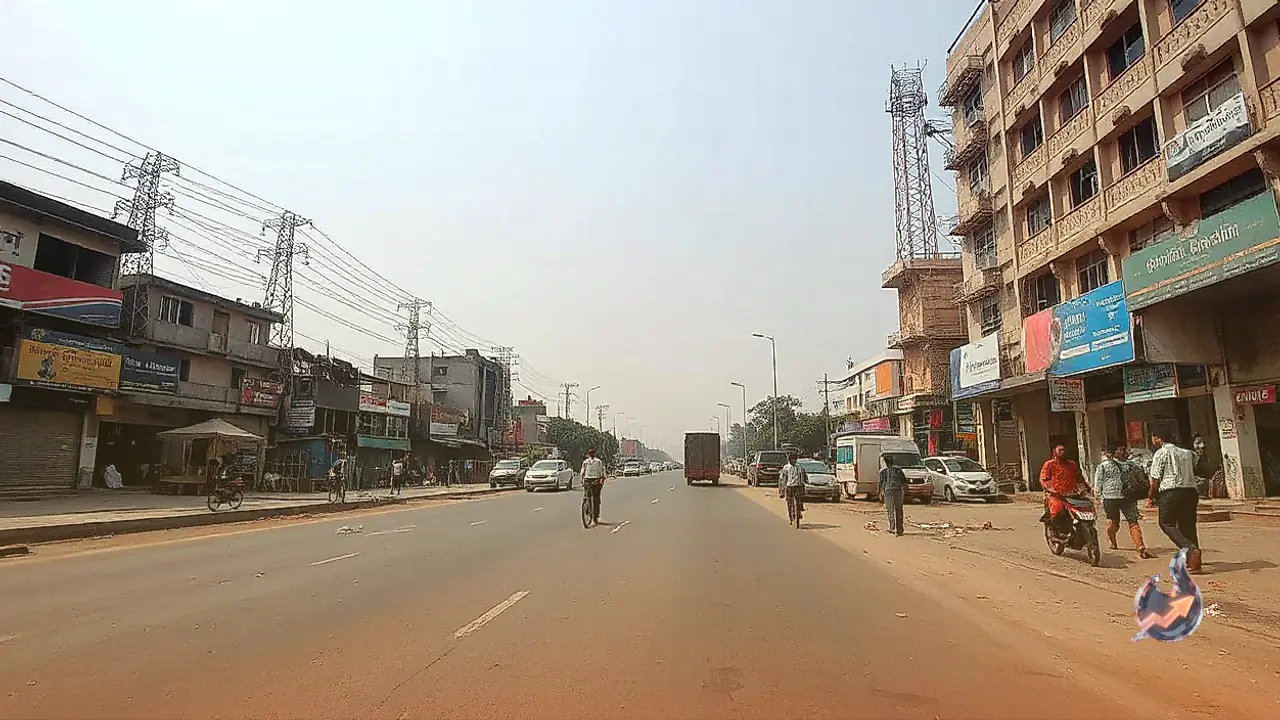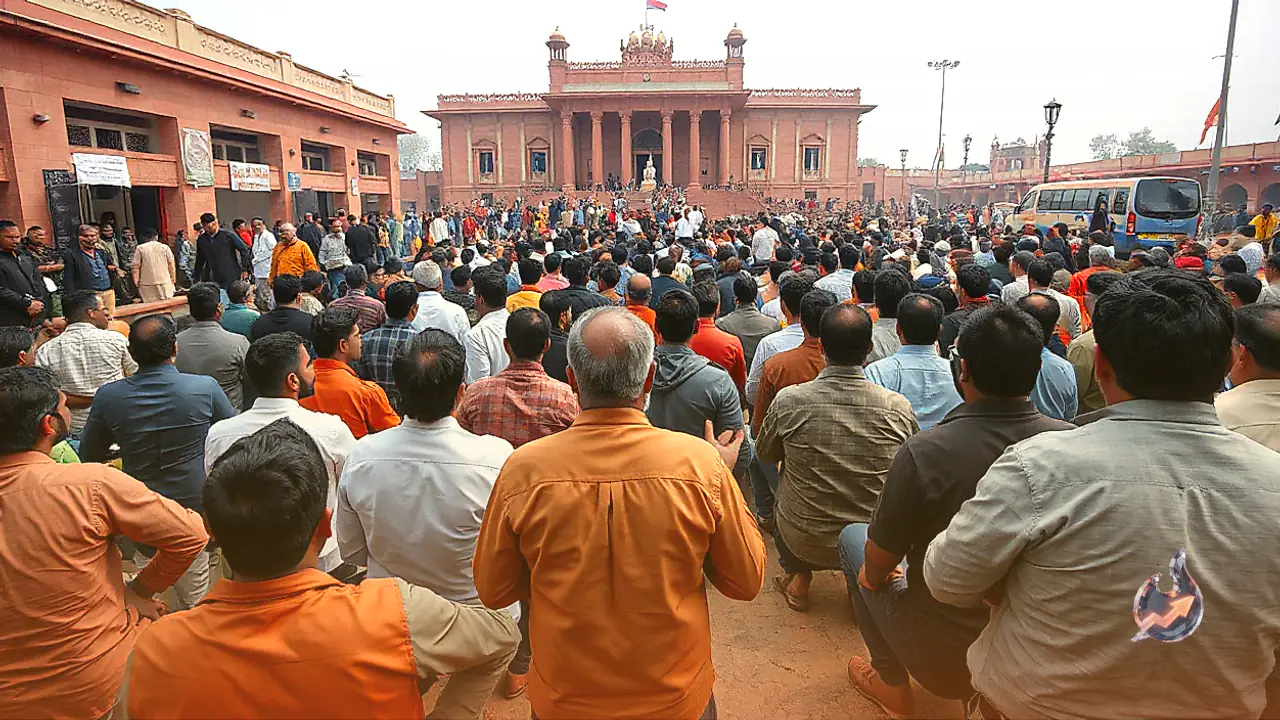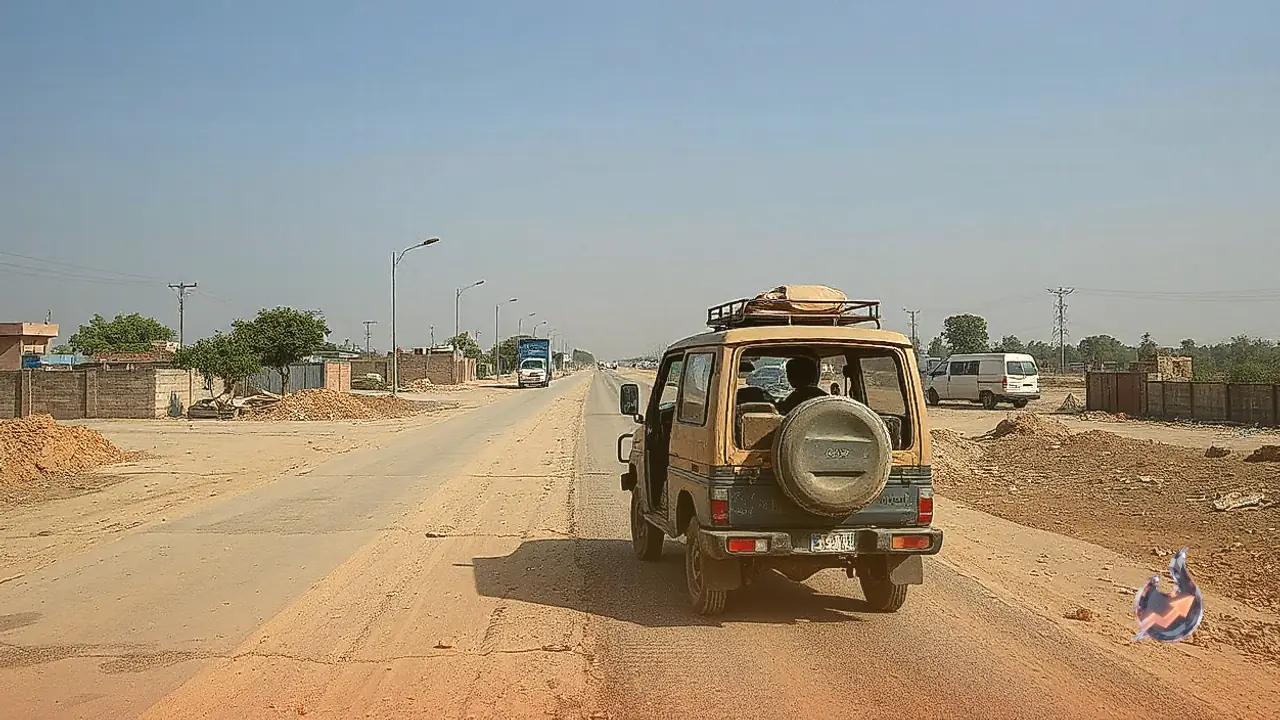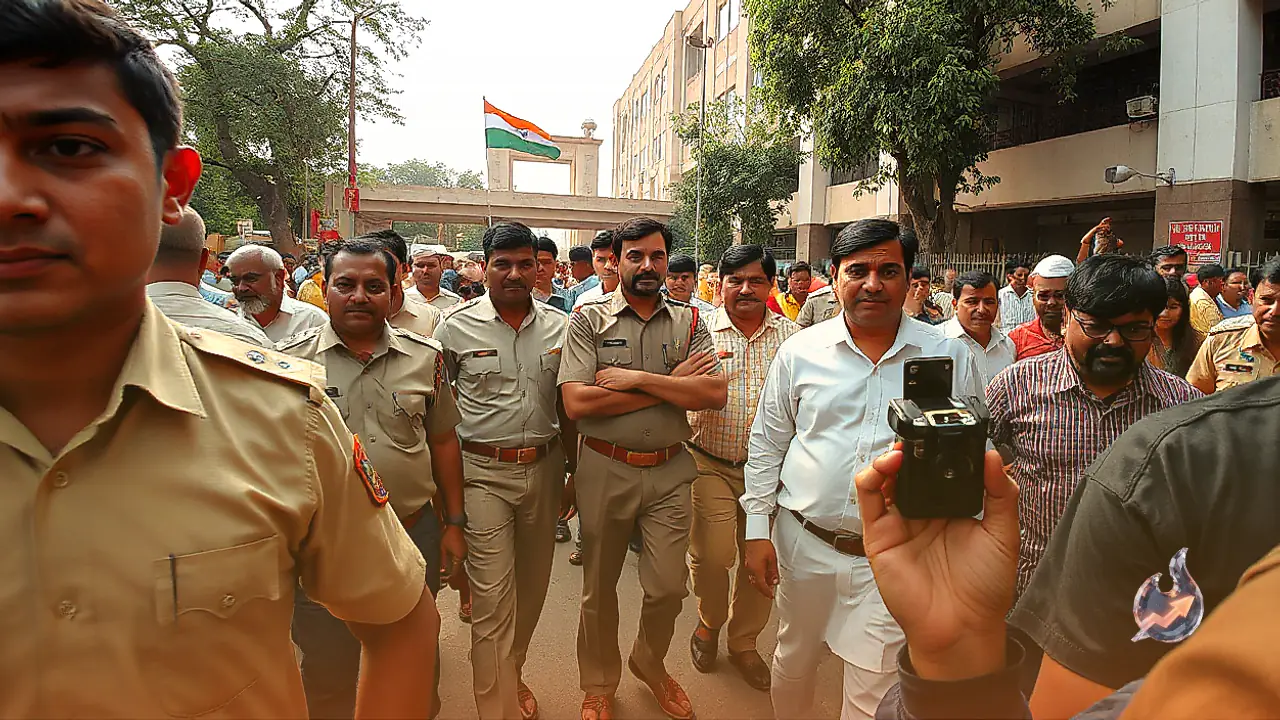






















Severe air pollution has tightened its grip across the national capital and surrounding metropolitan zones right ahead of the Diwali festival. Across 20 distinct monitoring locations within the city, the air quality index has breached the 400 threshold, leaving residents struggling to breathe in an increasingly toxic atmospheric mix. The overall average Air Quality Index (AQI) for the metropolis settled at 369, highlighting a persistent slide into severely compromised environmental conditions. The deteriorating air has begun causing widespread physical distress, notably persistent coughing, respiratory allergies, and acute burning sensations in the eyes.
Thick Smog Blanket Envelops the National Capital Region
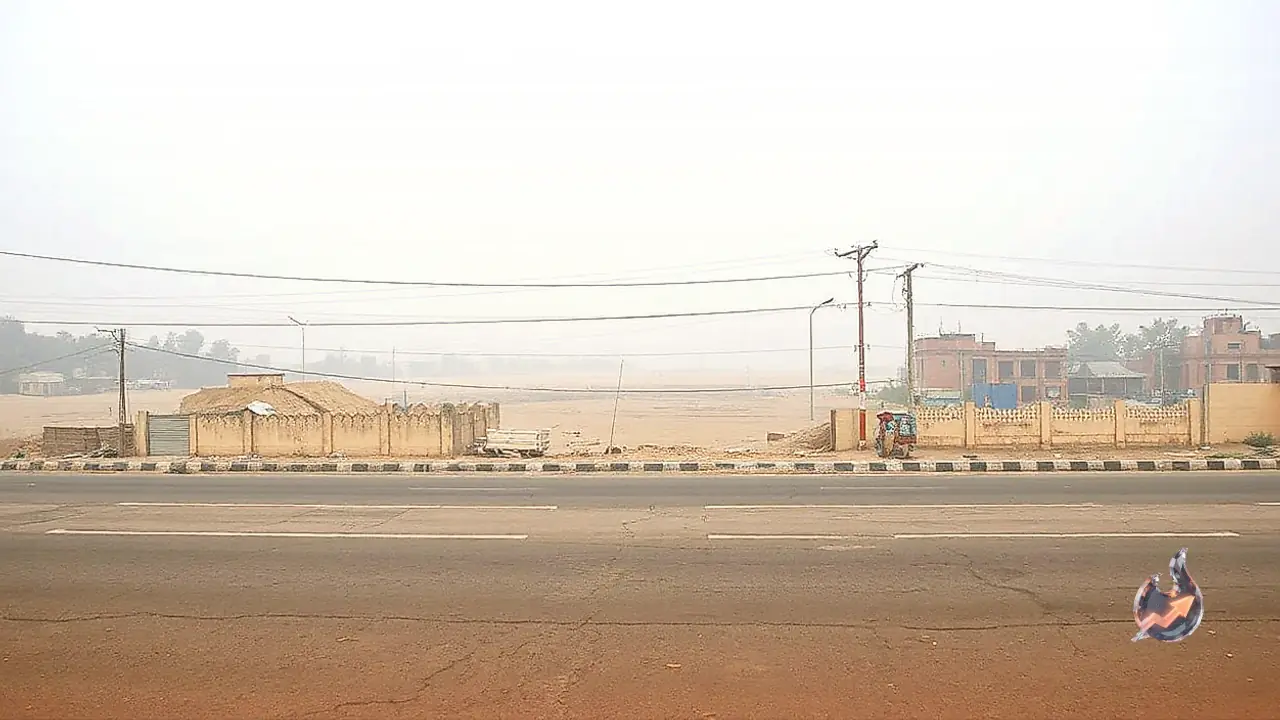
The hazardous haze has not remained confined to municipal limits, casting a broad pall over neighbouring satellite hubs across the National Capital Region. Cities including Noida, Ghaziabad, Meerut, and Gurugram woke up under a dense layer of particulate haze that obscured morning skies. Reduced surface visibility across multiple sectors has created sluggish driving conditions during morning commute hours, while toxic suspended particulates make routine outdoor exposure hazardous. Stepping outside residential premises now routinely triggers eye irritation, throat soreness, and acute breathlessness among commuters and residents alike.
Calm Winds and Low Sunshine Dim Hopes for Quick Relief
Atmospheric assessments indicate that the environmental strain is likely to turn significantly more alarming during the morning and evening hours. Even midday periods offer little immediate respite unless sustained surface winds pick up or strong sunlight manages to break through the cloud cover. Meteorological department projections suggest that direct sunshine could remain subdued throughout the day. Light early-morning dew has trapped suspended particulate matter close to the surface, consolidating lingering dust into a dense, stagnant smog formation.
Stagnant Air and Urban Emissions Compound the Hazard
Environmental scientists point out that the interplay of sluggish wind speed and elevated atmospheric moisture creates conditions where airborne pollutants cannot disperse, remaining locked close to ground level. This stagnation sharply intensifies the persistence and thickness of the urban smog. Simultaneously, ground-level emission drivers continue unchecked, as tailpipe exhaust from heavy vehicular traffic, fugitive dust from active construction projects, and multiple localized burning sources continuously pump hazardous matter into an already saturated airshed.
Health Advisories Issued for Vulnerable Demographics
With the citywide average AQI reading 369, breathing ambient air has developed into a direct public health hazard, while localized readings crossing 400 present severe risks. Medical experts urge heightened caution for high-risk demographics, particularly growing children, senior citizens, expectant mothers, and individuals coping with pre-existing cardiopulmonary ailments. Guidance highlights the importance of avoiding open-air exercises during early morning and late evening hours when particulate concentration peaks. Non-essential outdoor movement should be avoided, and anyone venturing outside is advised to wear a snug N95 mask. Keeping residential doors and windows closed remains essential to limit indoor exposure during this hazardous phase.