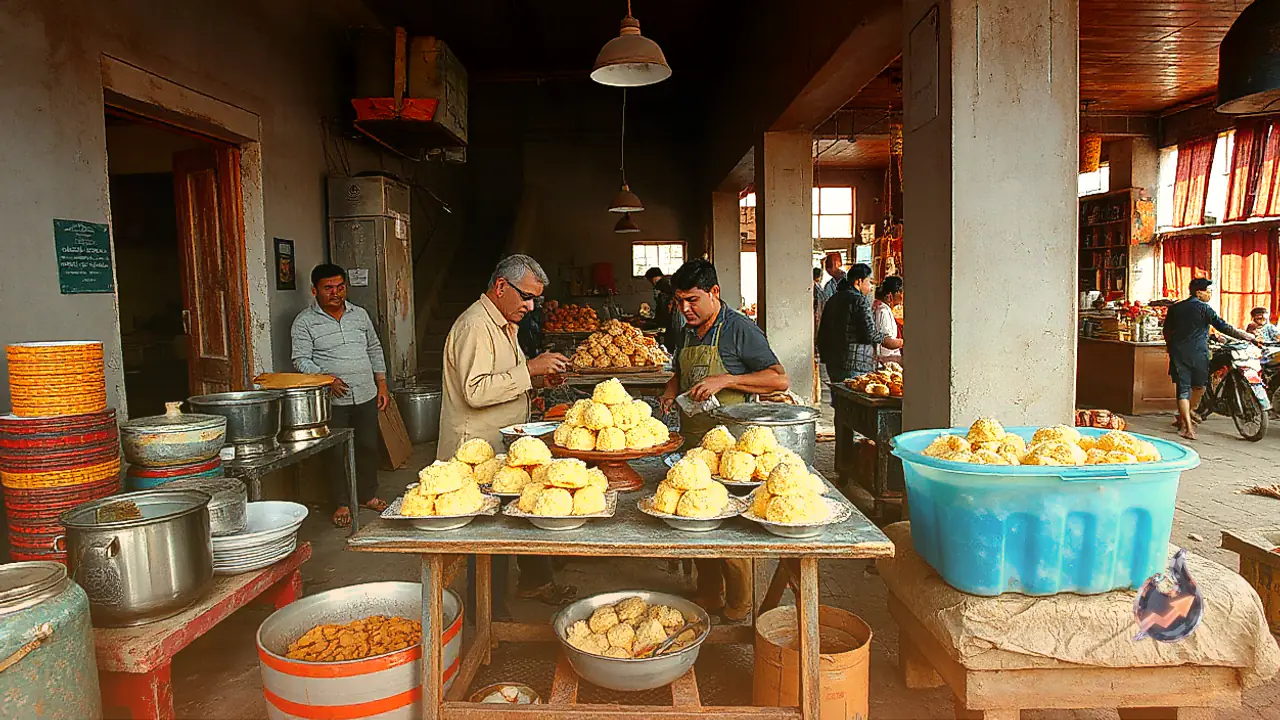























Mention the storied city of Amritsar in Punjab, and immediate impressions of the Golden Temple, the somber grounds of Jallianwala Bagh, and the ceremonial fervor of the Wagah Border come to mind. Yet the heritage of this celebrated urban hub stretches far beyond monuments and shrines. Amritsar enjoys a global reputation as an extraordinary food destination. Travelers and food enthusiasts routinely celebrate the street-side Amritsari kulcha, robustly spiced chole, thick frothy lassi, and parathas lavishly basted with butter. Beyond these ubiquitous favourites, however, lies an older, deeply rooted culinary tradition represented by distinctive regional preparations that culinary seekers travel specifically to taste. Among these treasured gems are Amritsari fish, the slow-cooked delicacy known as bhuna gosht, and sun-dried spiced lentil nuggets called wadiyan. The charm of these preparations lies not solely in their robust palate appeal, but equally in the rich domestic heritage and historical currents that shaped them.
A Mughal Legacy on the Riverbank: Amritsari Fish
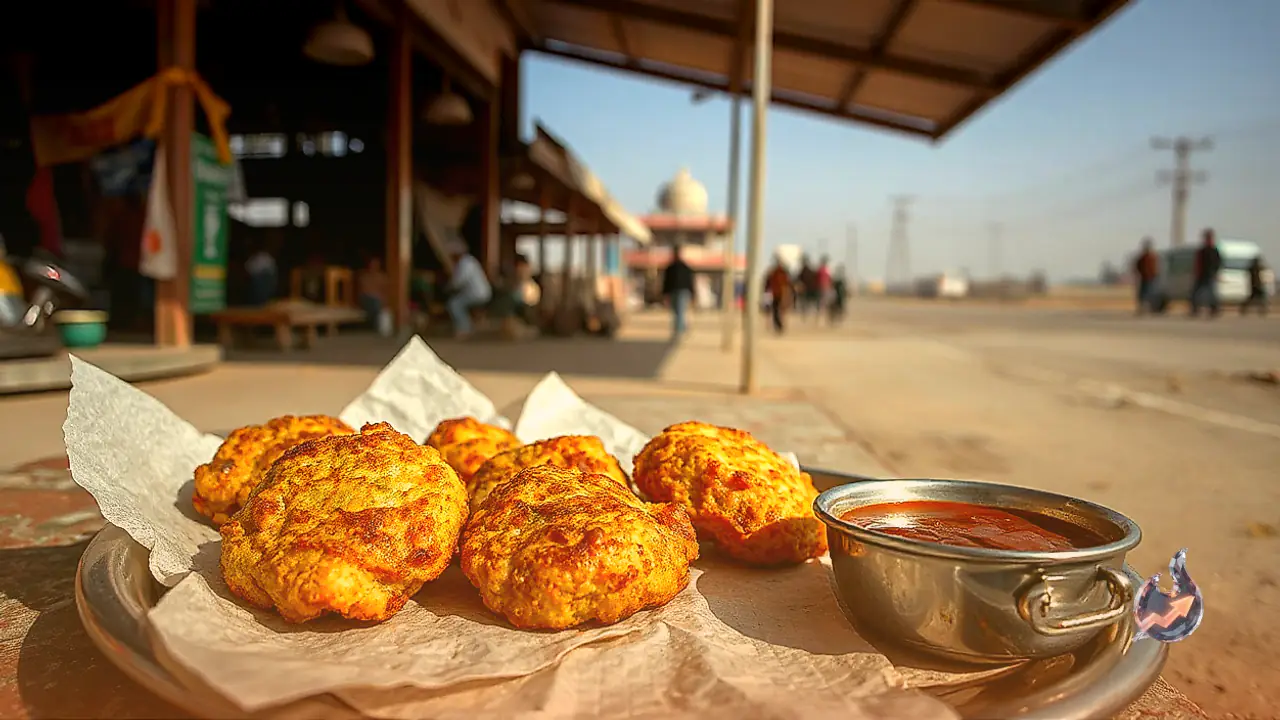
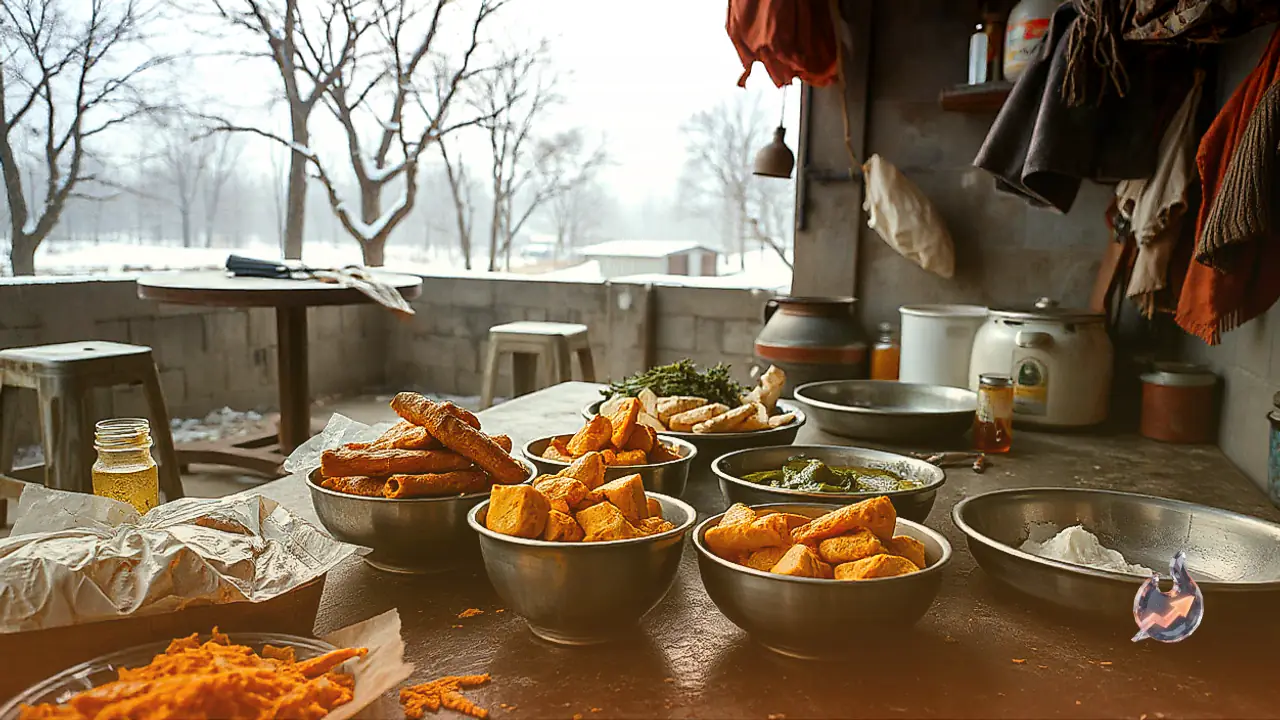
Whenever non-vegetarian culinary delights of Amritsar are discussed, Amritsari fish invariably leads the roster. Referred to in everyday Punjabi parlance as Amritsari macchi, this specialty is defined by its dramatic contrast in texture: crisp and craggy on the exterior, yielding and delicate within. Kitchens traditionally select fresh river catch, particularly varieties like freshwater catfish known as singhara or sole, to achieve the proper flakiness. Slices of the fish are dressed in aromatic seasonings, carom seeds, and a thick batter of gram flour before being immersed into deep vessels of smoking hot oil. Fried to a golden perfection, the fish is presented piping hot alongside zesty, fragrant chutneys crafted from garden mint and fresh coriander.
The ancestry of this iconic street specialty can be traced back to eras when riverside fishing communities relied on locally netted catches as their most affordable, everyday sustenance. Simple river folk caught and prepared fish in large quantities using basic regional methods. With the passage of generations and the expanding imprint of Mughlai culinary practices across northern plains, this humble river fare began absorbing royal touches: intricate spice powders, fragrant batters, and refined frying techniques. Over decades, everyday sustenance was elevated into a hallmark delicacy. To this day, enjoying a steaming plate of freshly fried Amritsari fish directly from roadside cauldrons during crisp winter evenings remains an irreplaceable culinary ritual.
The Art of Patience: Slow-Cooked Bhuna Gosht
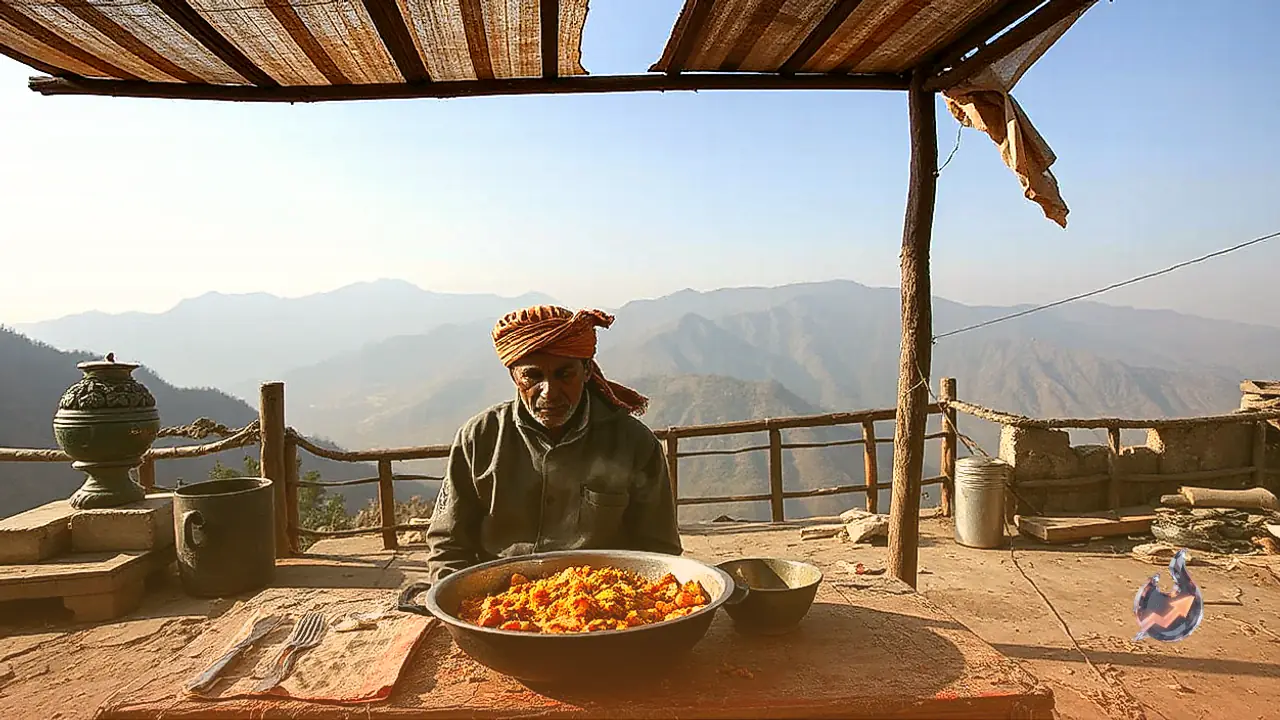
For connoisseurs of mutton preparations, sampling authentic bhuna gosht in Amritsar is an indispensable dining encounter. This traditional recipe centers on succulent pieces of goat meat gently stewed with rich curd and an elaborate bouquet of native spices. What elevates this preparation above typical curries is the deliberate technique of slow cooking. Instead of rushing the meat over fierce flames, cooks maintain a gentle, steady heat over long periods. This extended simmering guarantees that the marrow and natural oils merge seamlessly with the spice blend, softening every fiber of the meat to buttery tenderness.
The descriptive term 'bhuna' directly captures this rigorous culinary technique. Throughout the cooking cycle, the gravy is reduced patiently until excess moisture completely evaporates and the aromatic paste clings tightly to each cut of mutton. This persistent searing caramelizes the base, imparting a rich, deep brown finish and an intense aroma to the dish. Diners customarily pair this deeply spiced meat with aromatic cumin rice. Cooked in age-old roadside eateries and historic culinary institutions across Amritsar, bhuna gosht exemplifies the hearty, layered, and uncompromising flavors that define classic Punjabi gastronomy.
Preserved Sunshine: Traditional Spiced Lentil Wadiyan
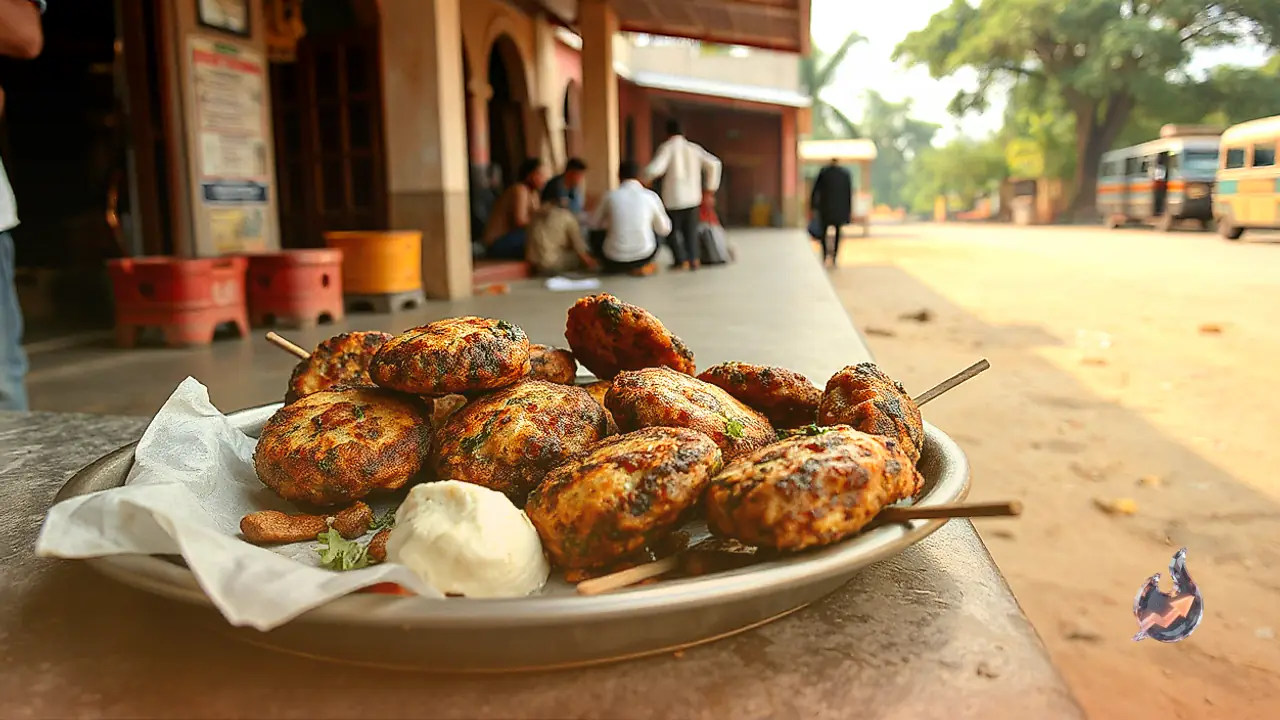
Wandering through the historic, winding lanes of Amritsar's heritage bazaars reveals shopfronts stacked with stacks of crisp papads, jars of fermented pickles, and overflowing sacks of wadiyan. These sun-dried nuggets constitute a fundamental pillar of traditional Punjabi home pantries. Preparing wadiyan involves soaking and grinding whole lentils, usually black gram (urad dal), into a dense, smooth puree. This batter is heavily laced with pungent spices, including black peppercorns, dried red chilies, asafoetida, and whole coriander seeds, before being shaped by hand into small mounds or patties and laid under the blistering Punjabi sun for several days to desiccate completely.
Once thoroughly dried, these dense lentil patties harden and can be preserved for months without spoiling. In everyday home kitchens, cooks break the wadiyan into pieces and braise them inside potato gravies, pumpkin curries, or traditional yogurt-based kadhi. Upon absorbing simmering broth, the hardened nuggets soften, releasing concentrated lentil richness and sharp spice notes directly into the sauce. In earlier eras when modern refrigeration was non-existent and the seasonal availability of green vegetables was strictly limited, drying spiced lentil paste in the sun served as an ingenious preservation method to ensure dependable nutrition and flavor throughout changing seasons.
The Historical Crossroads Behind Amritsar's Diverse Flavors
The distinctive character of Amritsari food is an organic outcome of the city's geographical vantage point and storied past. Historically, Amritsar served as a bustling transit hub along the famed Silk Route network. Caravans of merchants, itinerant scholars, and master cooks travelling from Central Asia, Persia, and adjoining frontiers crossed through this crossroads, bringing unfamiliar spices, dried provisions, and novel cooking traditions in their saddlebags. Over centuries, native cooks embraced these outside influences, marrying imported techniques with local farm produce to formulate an unmistakable culinary dialect.
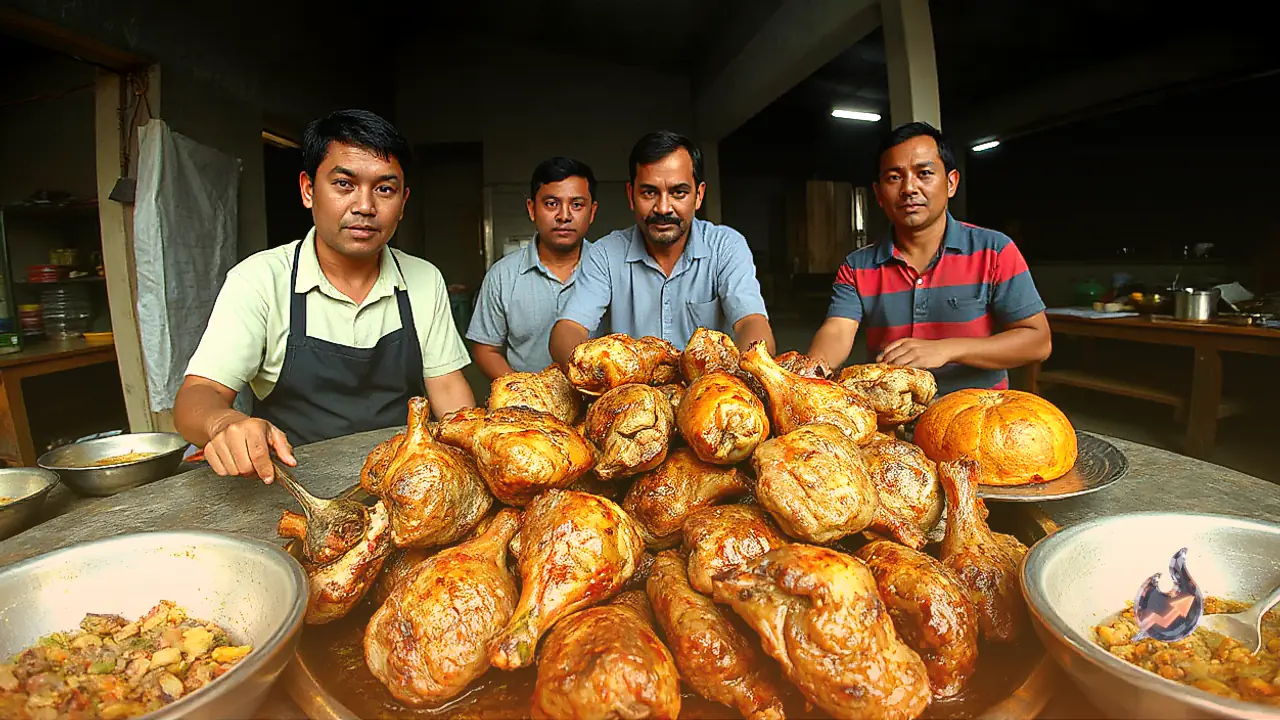
Furthermore, proximity to cultural centers such as Lahore and Peshawar exerted an enduring impression upon the region's kitchens. Dishes like mutton chaap, skewered fish tikka, and clay-oven tandoori chicken display unmistakable heritage roots shared across northwestern frontiers. As a consequence, Amritsar presents a rare dining panorama where pristine vegetarian delicacies flourish alongside rich, charcoal-grilled meats. When planning a journey to this historic city, travelers do well to pair their temple visits with a deep dive into the alleys and dhabas to experience these time-honored flavors firsthand.