



















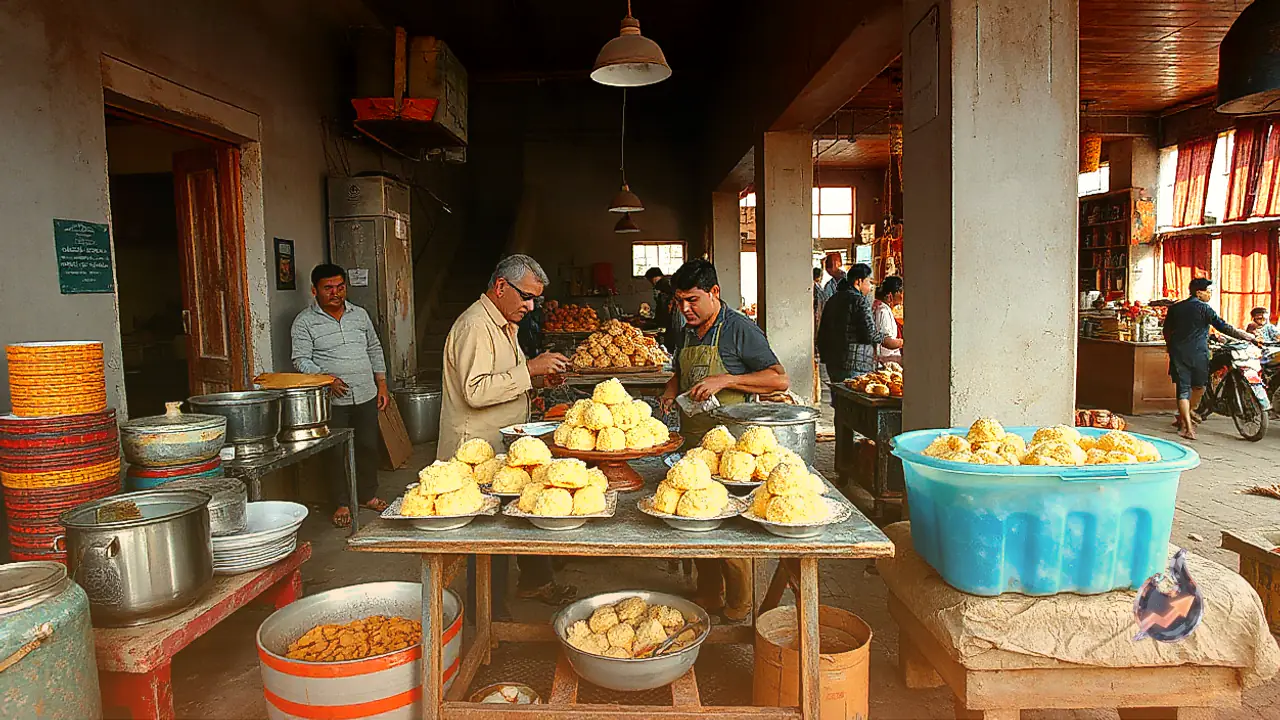

Festive celebrations are synonymous with platters of homemade sweets shared among friends and family. While staples such as besan laddoos, gulab jamuns, kaju katli, and burfi dominate most festive menus, offering an unusual specialty can pleasantly surprise visiting guests. A standout option is Mumbai's iconic ice halwa, celebrated for its paper-thin translucence, delicate crispness, and rich sweetness that melts instantly on the palate. Crafting this regional delicacy requires only standard kitchen ingredients and patience at the stove.
The Legacy Behind Mahim Halwa and Paper Halwa
Across western India, this treat is widely recognized by alternative names, including Mahim halwa and paper halwa. Its title of ice halwa originates from its sheer, chilled sheet-like appearance that resembles a thin sheet of natural ice. Similarly, its whisper-thin structure earned it the moniker paper halwa across legacy sweetshops.
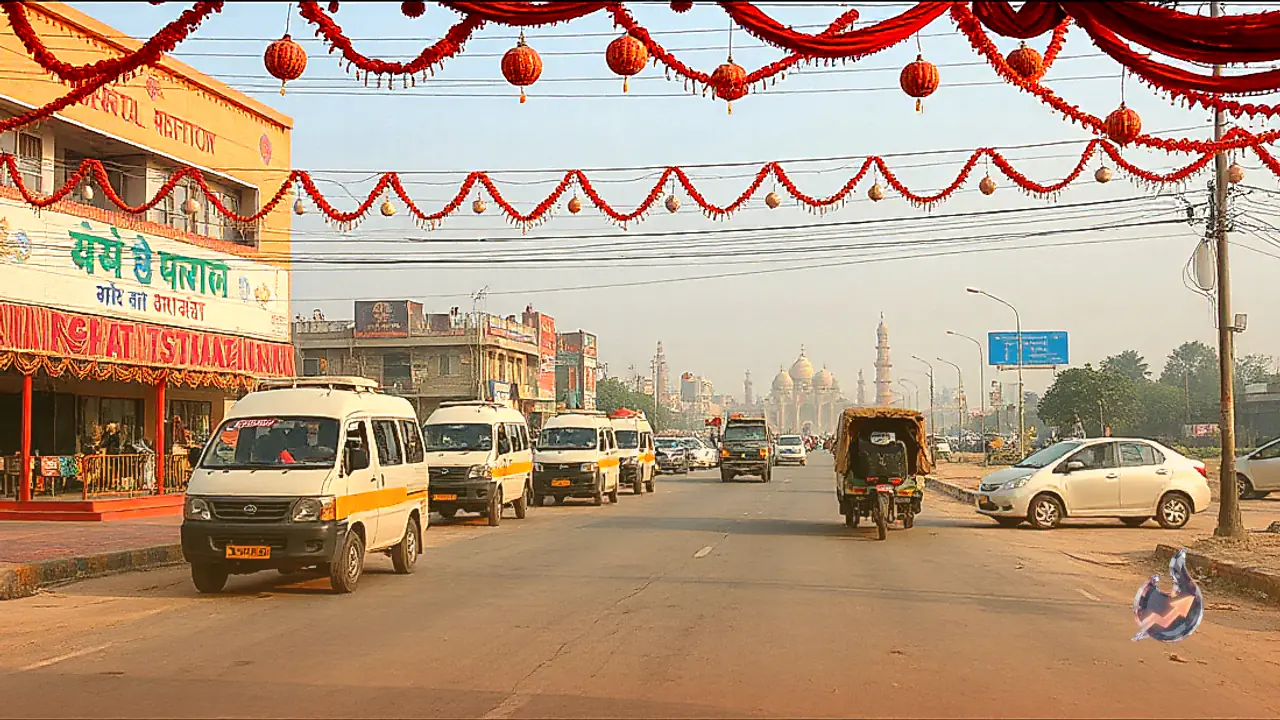
The confectionery shares deep roots with Mumbai's historic Mahim neighborhood, where generations-old halwais perfected its signature layered presentation. The core recipe relies on a straightforward blend of milk, sugar, clarified butter, and cornflour. Garnishing the glossy surface with slivered almonds and pistachios adds textural crunch and visual elegance, while edible yellow or orange food color can be included optionally for a classic festive tint.
Cooking the Cornflour and Milk Base to Perfection
The preparation begins by thoroughly whisking cornflour and water in a mixing vessel to create a completely smooth slurry, ensuring no lumps remain. Milk and sugar are then stirred directly into the mixture until fully combined. Those desiring the customary golden or saffron hue can incorporate a pinch of edible food color during this blending stage.
Next, transfer the liquid base into a heavy-bottomed pan placed over gentle to moderate heat. Stir constantly to maintain an even consistency as the liquid begins thickening into a glossy paste. Introduce clarified butter gradually in small intervals throughout the simmering process. Unbroken stirring remains vital at this phase to stop the mixture from scorching against the base or developing uneven clumps.
Setting, Garnishing, and Portioning the Halwa
Once the paste turns translucent, exhibits a glossy sheen, and separates cleanly from the edges of the pan, sprinkle in ground cardamom powder to infuse fragrant aroma. Remove the vessel from heat immediately. Lightly grease a flat tray or a sheet of parchment paper with clarified butter, then spread the hot mixture across the surface in a very thin, uniform layer.
Scatter sliced pistachios and almonds across the warm sheet, pressing them lightly so they adhere firmly to the top. Allow the entire tray to cool undisturbed until the halwa sets into its characteristic brittle firmness. Finally, slice the cooled sheet into neat squares or customized shapes. The homemade Mumbai specialty is now ready to serve as an impressive festive centerpiece.