


















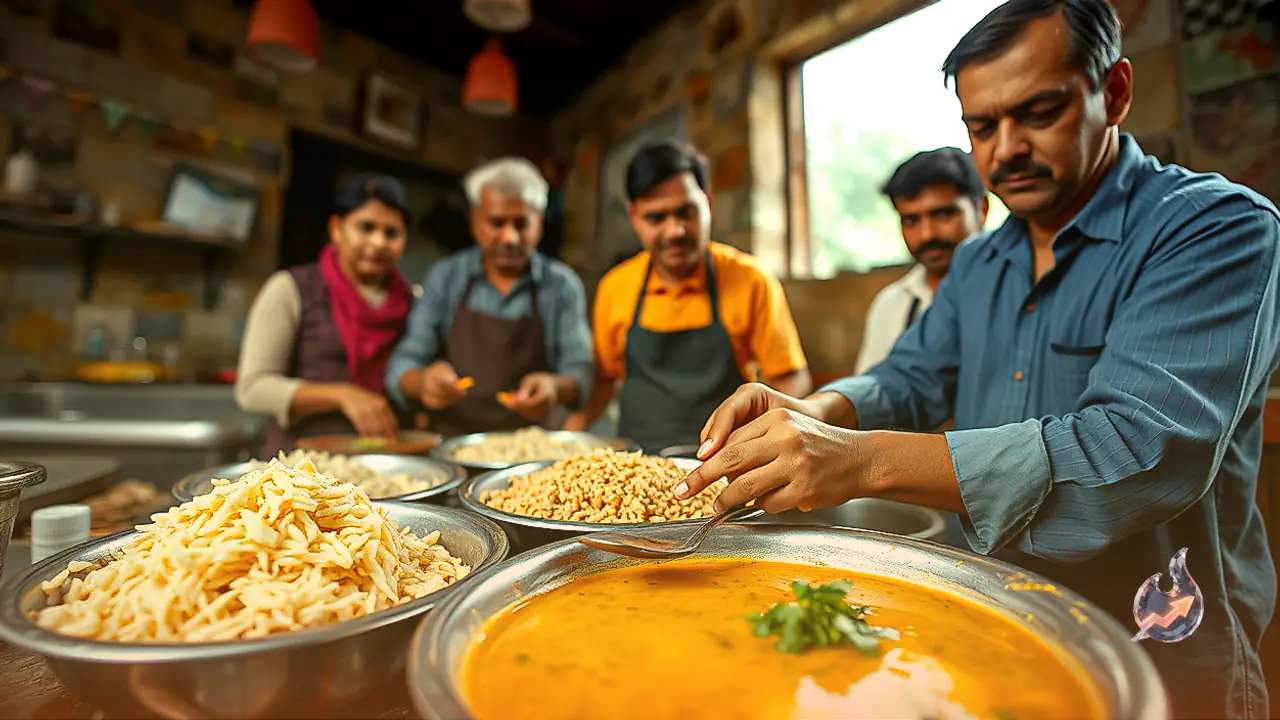

A comforting bowl of dal is an irreplaceable staple on the everyday dining table, yet replicating the rich aroma and velvety consistency found in quality restaurants often remains elusive. Even with high-grade lentils and standard spices, homemade versions can turn out surprisingly flat. The difference rarely stems from a complicated technique, but rather from basic prep oversights, moisture ratios, and flawed tempering habits. Fine-tuning these small details transforms ordinary boiled lentils into an aromatic, deeply satisfying centerpiece.
The Critical Role of Soaking and Whisking
Rushing lentils straight into a pressure cooker without prior soaking is one of the most widespread kitchen shortcuts. While unsoaked lentils will eventually turn tender under pressure, giving them a brief resting period in water ensures uniform hydration throughout each grain. This hydration allows them to cook through evenly and attain a much softer, cohesive texture. Pre-soaking proves especially advantageous whenever multiple lentil varieties are simmered together in a single pot.
Once the cooker is opened, simply leaving the cooked lentils untouched is another missed opportunity. Taking a wooden masher or deep ladle to vigorously whisk the boiled lentils breaks down individual kernels and melds them into a smooth, emulsified broth. Whisking also reveals the true thickness of the base, allowing you to stir in small measures of hot water to establish the exact consistency required before applying the aromatic oil.
Balancing Lentil Blends for Better Texture
Split pigeon pea, commonly known as toor or arhar dal, remains the traditional base for classic dal tadka. However, blending in minor portions of other lentils can dramatically elevate both body and mouthfeel. Introducing a modest share of yellow moong or red masoor dal creates a luscious richness, as these faster-cooking varieties dissolve quickly to form an unctuous base that wraps around the firmer pigeon peas.
Caution must be exercised when measuring out these secondary grains. Incorporating too many competing lentils or using excessive quantities dilutes the clean, nutty taste of the primary pigeon pea base. The secondary pulses should serve purely as textural support rather than overshadowing the profile of the main ingredient.
Tempering Timing and Preventing Burnt Spices
The tempering, or tadka, is far more than a decorative garnish; it acts as the primary vehicle delivering aroma and depth to the dish. Sizzling cumin seeds, minced garlic, dried red chilies, and whole spices in hot fat releases essential oils that define the preparation. The freshest burst of fragrance is achieved only when the sizzling tempering is poured into the finished lentils right at the very end of cooking.
Managing heat during this sizzling step is paramount. Garlic and dried chilies turn from toasted to scorched in a matter of seconds when the flame is too intense. Scorched garlic develops an acrid bitterness that instantly permeates the pot, overpowering every other seasoning. Keeping the heat gentle ensures the aromatics turn crisp and golden brown without picking up an unpleasant burnt flavor.
Fat Selection and Restraining Aggressive Aromatics
A frequent misstep is overcrowding the tempering pan with excessive green chilies, chili powder, or crushed garlic in an attempt to intensify flavor. Overloading these components shocks the palate with harsh heat and masks the sweet earthiness of the lentils. Spices should always be measured in direct harmony with the volume of dal being prepared.
The cooking fat selected dictates the final sensory profile. Pure clarified butter imparts a distinct richness and roundness, whereas culinary oils produce a lighter, neutral finish. When opting for clarified butter, keep the whole spice blend restrained so its signature aroma can shine unobstructed. The moment the sizzling fat meets the lentils, clamp a lid over the pot immediately for several minutes. Trapping the rising steam locks in every trace of aromatic oil rather than letting it dissipate into the kitchen.
Managing Moisture and Reviving Leftover Portions
Maintaining proper thickness is essential for an enjoyable meal. An overly viscous dal feels dense and heavy, whereas a diluted mixture washes out the seasonings. Water must always be introduced gradually in warm increments. Because lentils naturally thicken as they cool, reheating requires special care: pour in hot water and warm the pot over a gentle flame, stirring continuously to prevent the bottom layer from catching.
When handling leftover portions, allow the food to cool promptly before placing it into cold storage rather than leaving it out at room temperature for hours. When ready to serve again, gently reheat the dish with a splash of hot water, and introduce a modest fresh tempering right before serving. This brief final step restores the sparkling fresh-off-the-stove aroma to previously chilled dal.