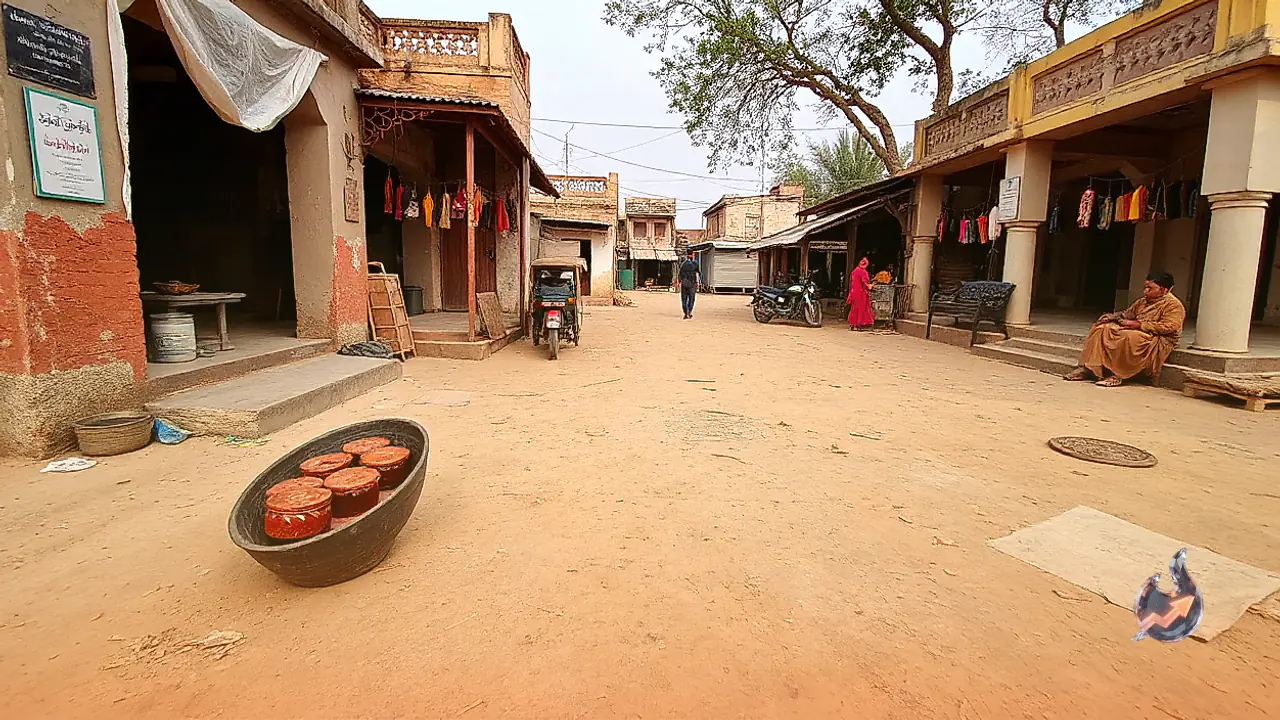






















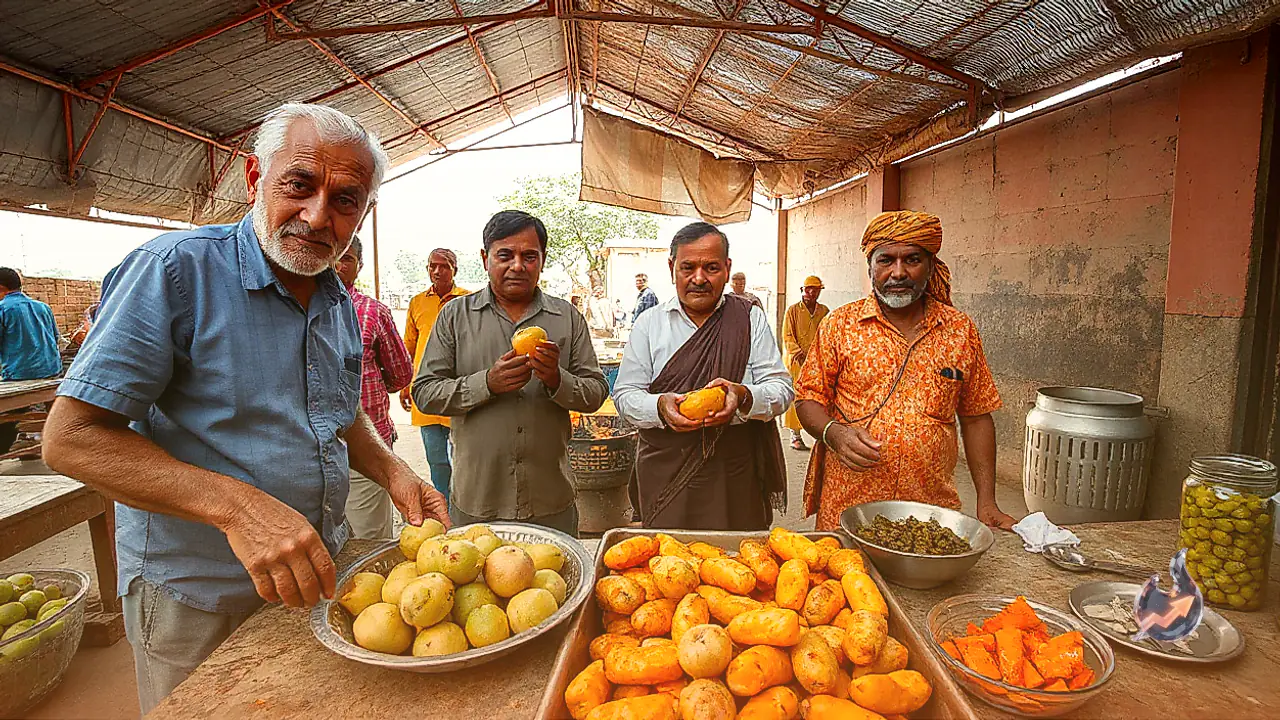

With the onset of winter, fresh guavas flood local markets across the country. While most people enjoy this crunchy fruit sliced with a dash of spice, guava can also be transformed into an array of delectable preserves that last well beyond the harvest season. In the historic city of Gorakhpur, traditional culinary methods continue to thrive through multi-generational family enterprises. A local establishment operating for 120 years has preserved the art of making seasonal fruit preserves without modern shortcuts. Currently managed by Prannath, this culinary house is utilizing winter guavas to prepare three distinct delicacies: a slow-simmered murabba, a sun-cured savory pickle, and a clarified spiced jelly, all of which can easily be recreated in an ordinary home kitchen.
Slow-Simmered Guava Murabba
Preparing authentic guava murabba demands patience and careful preparation to ensure the sweetener penetrates deep into the fruit pulp. The process begins with selecting firm, blemish-free guavas. These are washed thoroughly under clean water and dried completely. Using a clean pin or kitchen prong, small punctures are made all over the surface of each fruit before immersing them in fresh water to soak overnight.
The following morning, the soaked guavas are rinsed once again with fresh water. In a separate heavy-bottomed vessel, a sweet syrup is prepared using either jaggery or refined sugar. The whole guavas are added to this boiling syrup alongside black salt and select whole spices. The mixture is then allowed to simmer gently over low heat. As the syrup slowly thickens and infuses into the fruit, the guavas soften and turn glossy. Once the desired consistency is achieved, the sweet preserve is removed from the flame and allowed to mature.
Sun-Cured Savory Guava Pickle
For those who prefer a tangy and pungent condiment, guava pickle offers a distinctive texture and complex flavor profile. The preparation starts by washing and chopping fresh guavas into uniform bite-sized pieces. Moisture is the primary enemy of preserved pickles, so the chopped pieces must be laid out and thoroughly dried.
Once dried, the fruit pieces are tossed with ground turmeric and table salt, then left to dry outdoors for an entire day to draw out remaining fluids. On the following day, traditional pickling spices and a measured measure of oil are folded into the seasoned pieces. The mixture is then packed into an airtight, sterilized glass jar. Placing the sealed jar under direct sunlight allows the heat to slowly cure the fruit, blending the oils and spices evenly and enhancing the longevity and depth of flavor.
Clarified and Spiced Guava Jelly
Guava jelly provides a smooth, sweet, and lightly spiced spread that appeals across age groups. To begin, clean guavas are chopped into smaller pieces and brought to a boil in a pot of hot water until the pulp softens and releases its natural pectin. A modest quantity of vinegar is stirred in to stabilize the mixture before straining the liquid carefully through a fine sieve.
The extracted fruit liquid is placed back on the stove with a pinch of black salt and balanced spices. This mixture is simmered slowly over gentle heat for one to two hours, giving it ample time to concentrate and set. Once thickened, the jelly is removed from heat and left to cool at room temperature, resulting in a clear, flavorful homemade spread.
A 120-Year Legacy Across Four Generations
The craft behind these recipes carries a storied history spanning over twelve decades in Gorakhpur. The business was originally established by Shyam Prasad, the grandfather of current custodian Prannath. Since its inception, the household has adhered to traditional processing methods, adapting its production line to whatever fruit nature provides across different months.
Despite the contemporary grocery landscape being dominated by commercially packaged preserves filled with artificial stabilizers, Prannath continues to preserve ancestral formulas. Spanning four generations of continuous practice, this artisanal dedication ensures that authentic regional flavors remain celebrated and accessible.