




















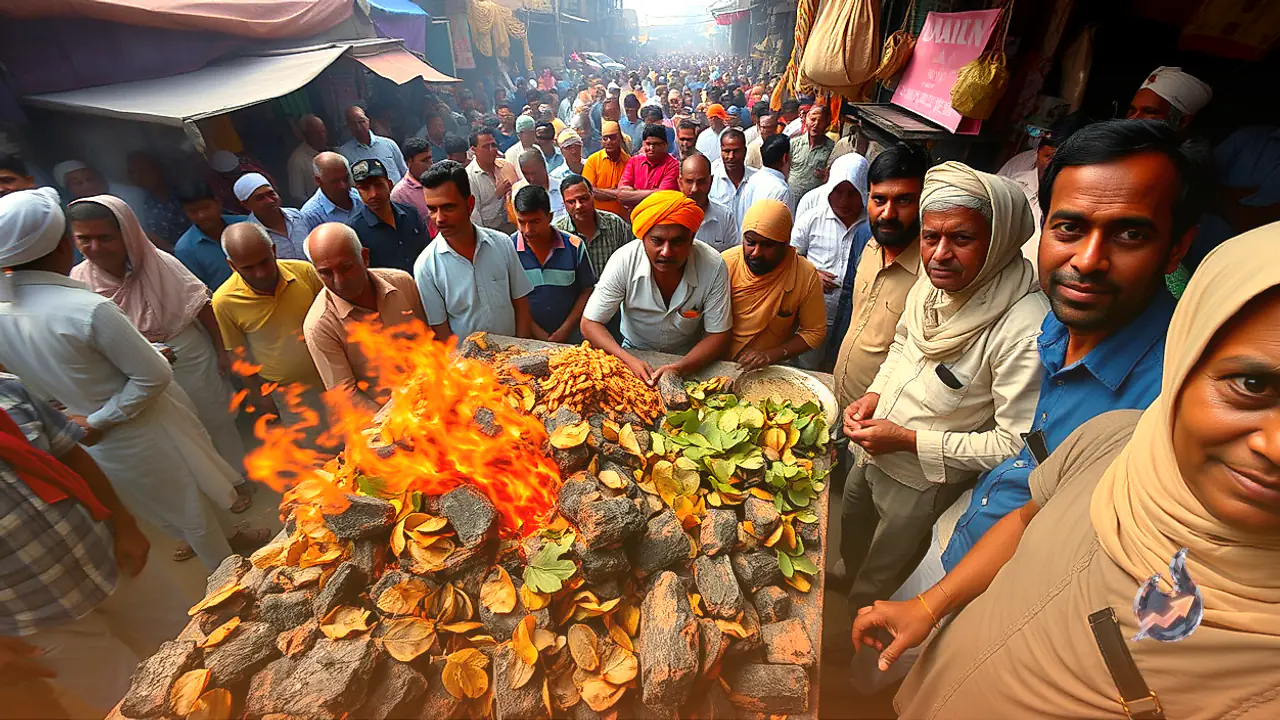

South Indian cuisine holds a cherished place across the steel city of Jamshedpur, where plates of idli and crisp dosas have long been a breakfast staple for countless residents. Yet, amidst modern eateries and ubiquitous gas stoves, an unassuming food stall near Kasidih Gurudwara continues to preserve an increasingly rare culinary practice. Run by vendor Narasimha Rao, this spot bypasses commercial gas burners in favor of a traditional clay hearth fueled by burning coal, filling the morning air with a smoky aroma that gathers hungry food lovers from early daylight.
A Morning Routine Beginning at Six
Narasimha Rao arrives at his shop punctually at 6:00 AM every single morning to begin preparing for the day. His first task involves firing up the mud stove, carefully arranging the coals, and heating the heavy flat griddle. Before long, breakfast seekers start arriving, drawn by the sound of batter hitting the hot surface. While commercial food outlets rely heavily on liquid petroleum gas and high speed burners to churn out orders quickly, Rao insists on relying on the steady thermal heat of charcoal, a choice that fundamentally distinguishes his venture from any standard breakfast stall across town.
Smoky Warmth and Crunchy Texture
The culinary philosophy behind this unconventional setup centers around the cooking dynamic of embers. Rao notes that baking batter across charcoal heat delivers an unmistakably crisp outer texture that standard gas stoves struggle to match. The radiant heat from coal diffuses across the griddle steadily, allowing the pancake to toast evenly without blistering unevenly. While cooking over charcoal and clay hearths does not automatically make the meal nutritionally healthier, the rustic aroma and superior crunch keep patrons coming back for an experience that feels deeply nostalgic.
A Colorful Vegetable Stuffing
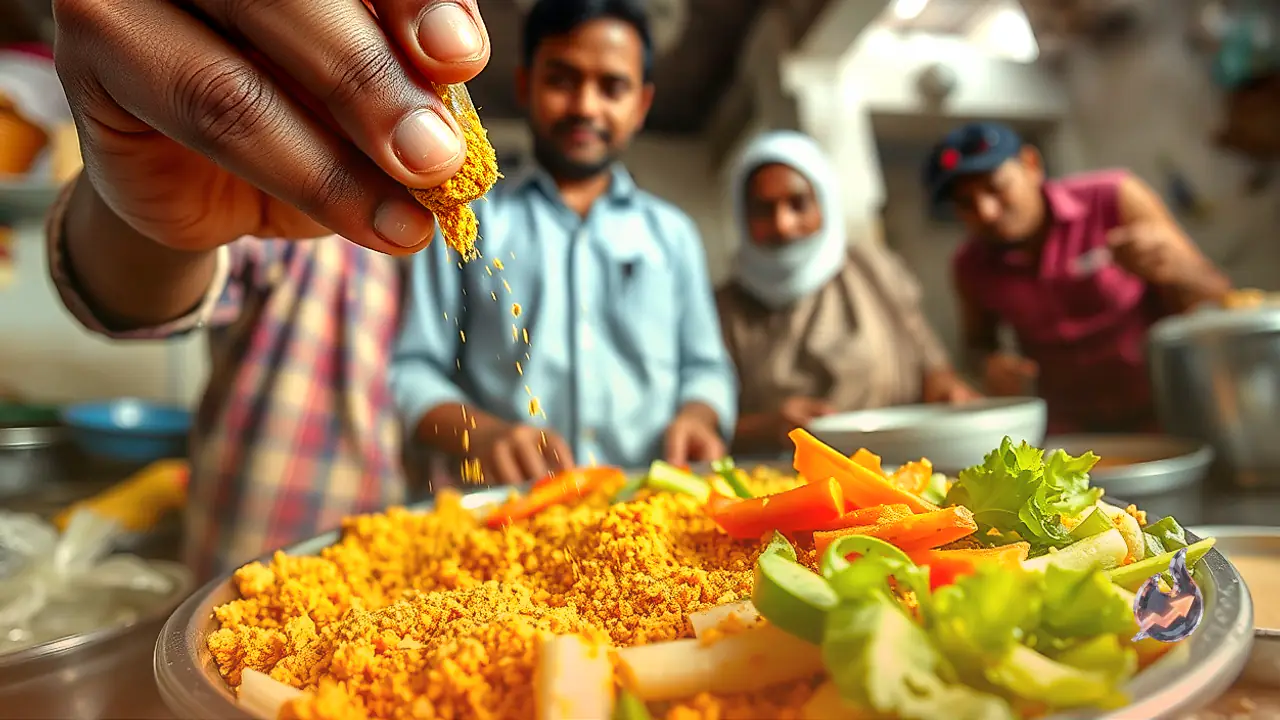
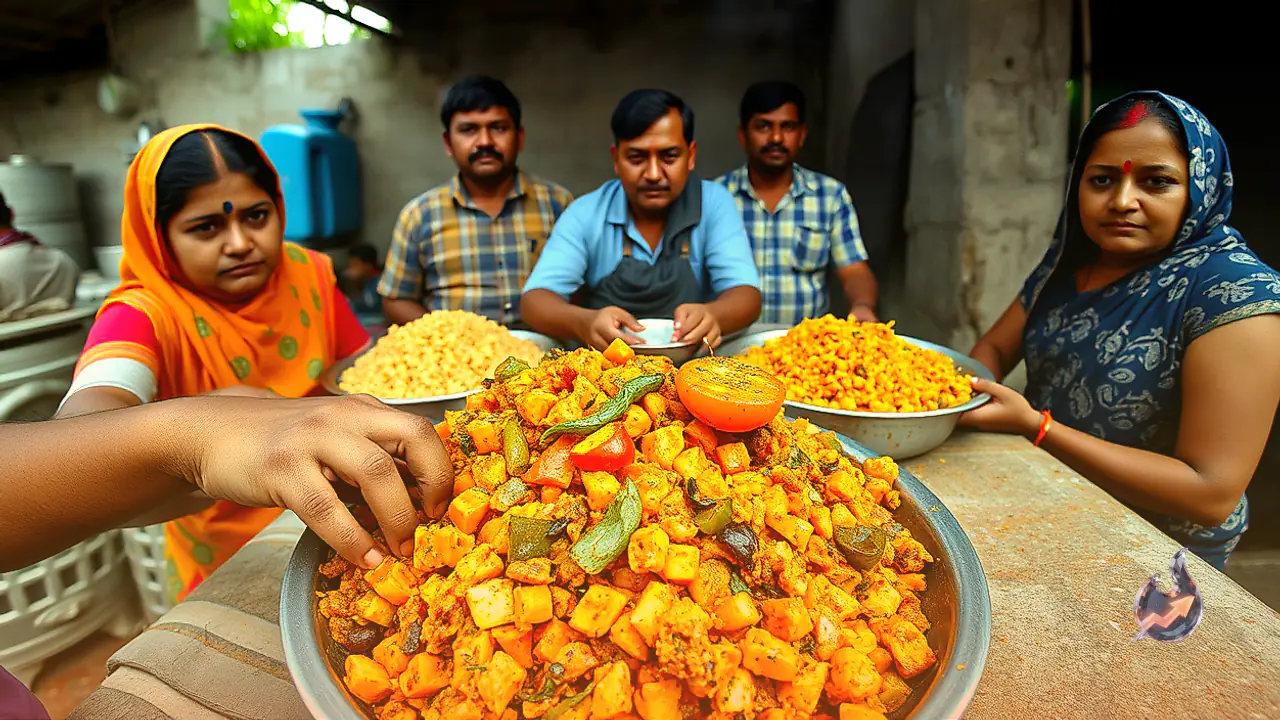
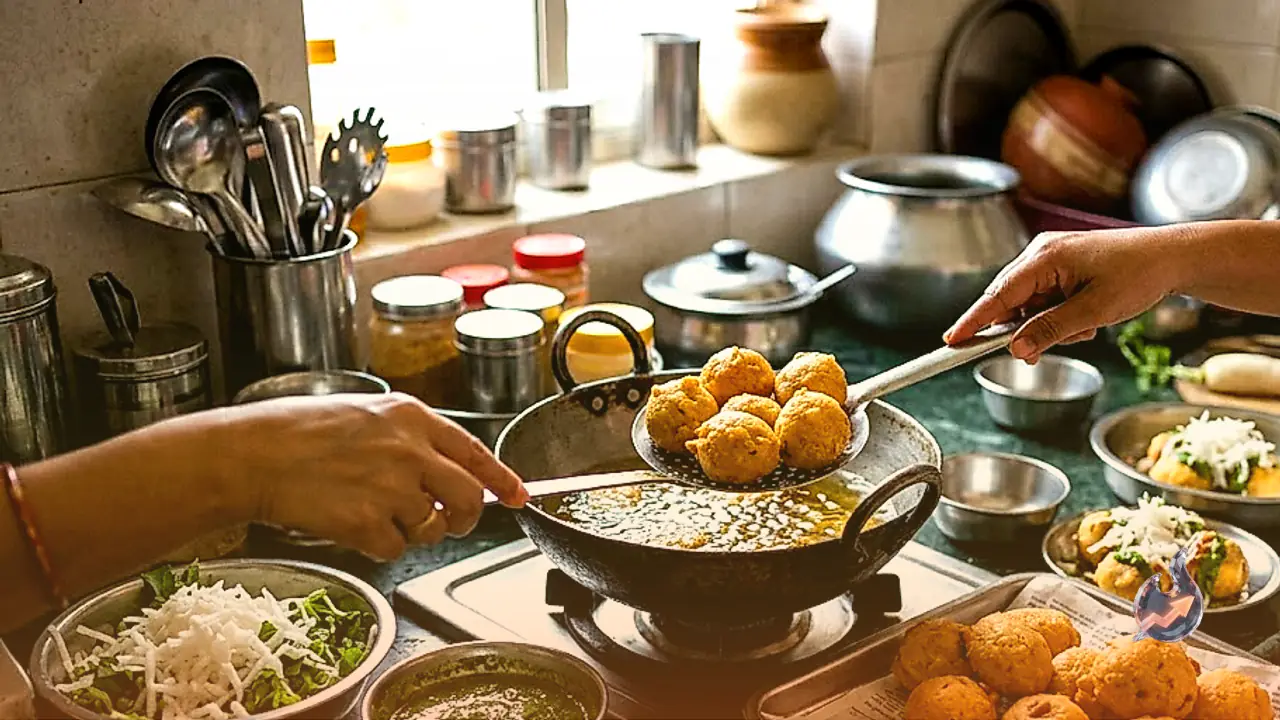
Beyond the hearth itself, the filling Rao packs into every crepe breaks away from the ordinary potato mix. Alongside the regular mashed potato base, he incorporates substantial helpings of grated carrots and fresh beetroot. This infusion not only gives the savory mixture a bright hue but also brings a mild earthy balance to the spiced stuffing. The contrast between the fragile crispness of the toasted exterior and the moisture of the hearty vegetable filling creates a rich mouthfeel, making the morning wait completely worthwhile for his regulars.
Traditional Plating on Natural Sal Leaves
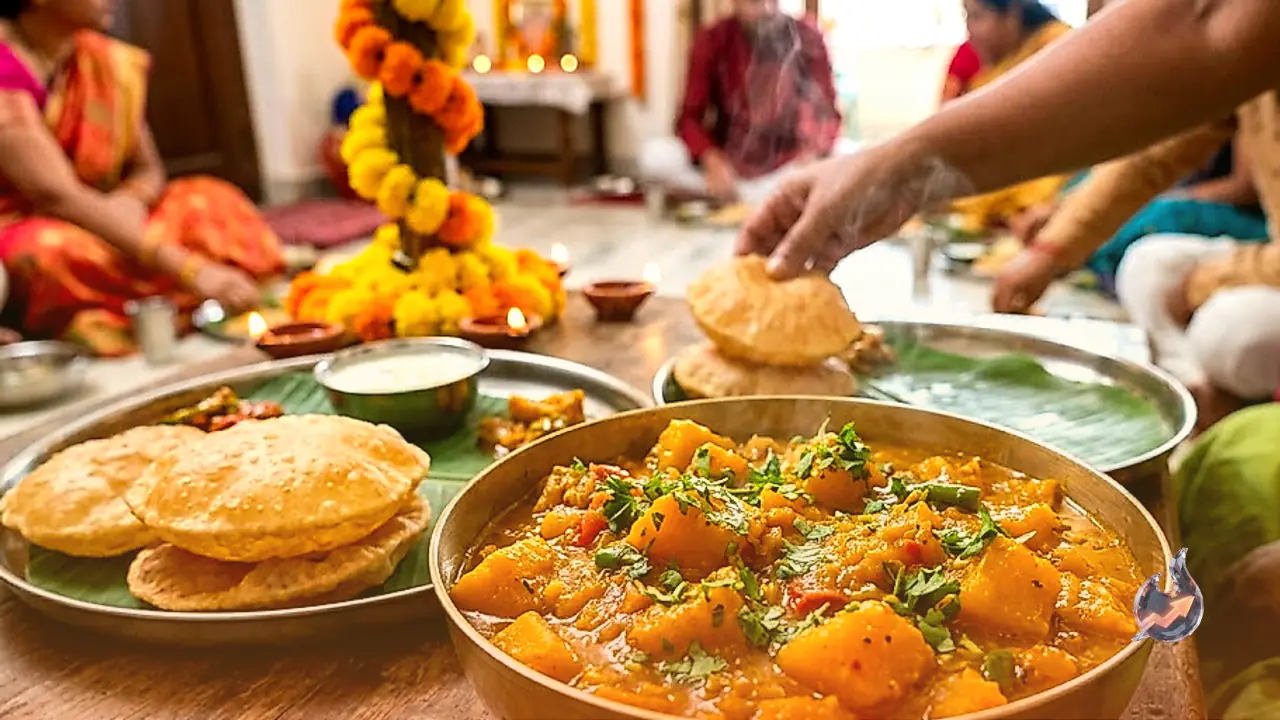
Remarkably, this labor-intensive breakfast remains accessible to all, priced at an economical 40 rupees per serving. Instead of serving on disposable plastic dishes or commercial paper plates, Rao serves each order atop dried sakhua leaves, commonly known as sal leaves. This eco-friendly serving style complements the earthy character of the dish and keeps ancestral dining habits alive. The interplay of a clay stove, glowing coal, fresh beetroot filling, and natural foliage makes this Kasidih stall an enduring favorite among morning commuters in Jamshedpur.