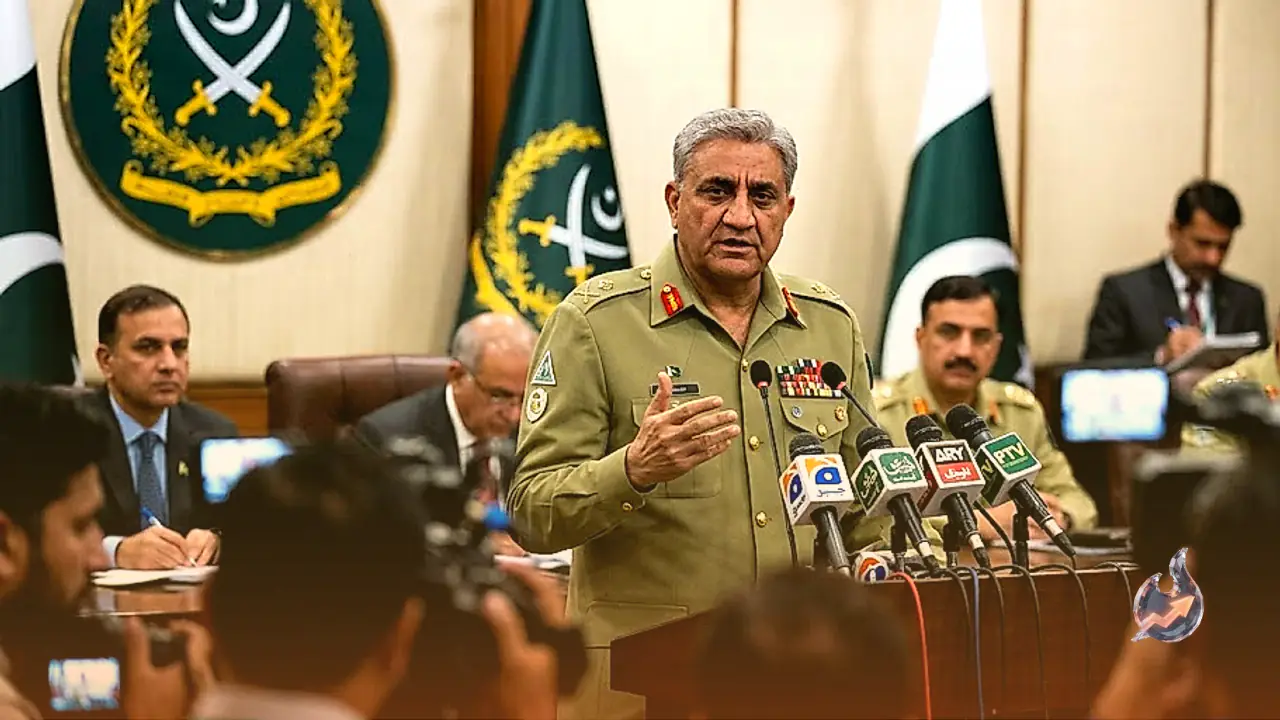





















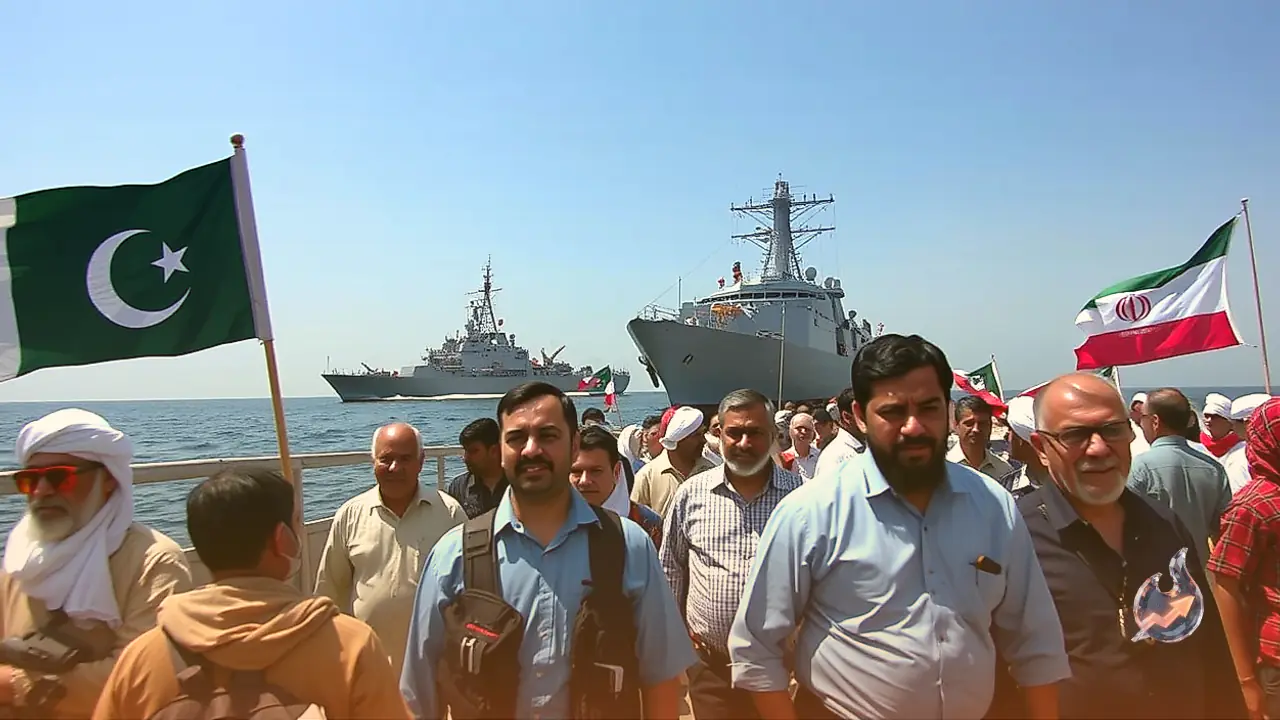

A rapid sequence of military movements and border restrictions across Southwest Asia has gripped strategic observers, coming at a delicate juncture when hostilities between Washington and Tehran remain intense. While regional friction already spans proxy battles involving Houthi rebels and Saudi Arabia, Islamabad has clamped down on its western frontier, temporarily severing commercial and transit exchanges with neighboring Iran. Compounding this sudden border closure is the conspicuous presence of American naval assets navigating international waters nearby, sparking questions regarding whether these maneuvers represent separate tactical precautions or an interconnected geopolitical squeeze.
Border Terminals Fall Silent Following Official Directives
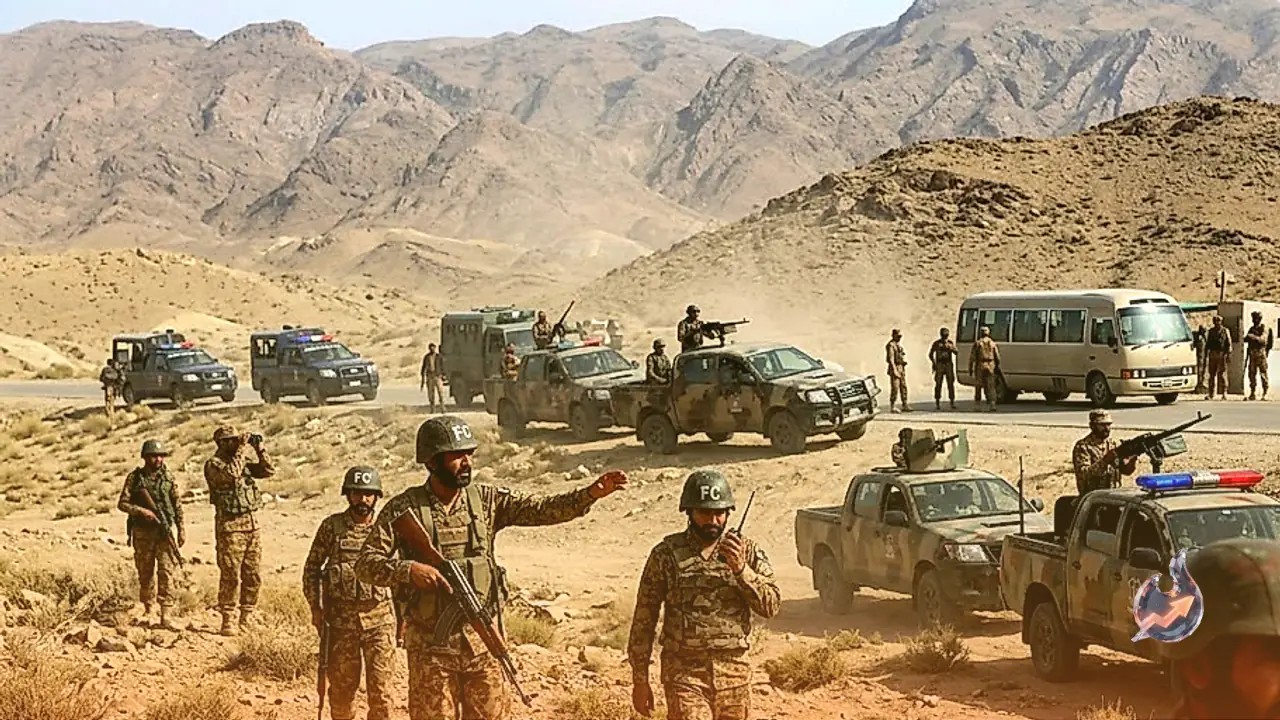
Cross-border movement along the frontier grinded to an unexpected standstill after Pakistani administrative authorities enacted sweeping restrictions. An official order circulated on October 16 directed the immediate cessation of commercial transit across vital border facilities, primarily locking down the Gabd-Rimdan and Taftan checkpoints. Officials have formally pointed to pressing counter-terrorism measures, the suppression of entrenched smuggling networks, and broader domestic security apprehensions as the underlying justifications for sealing the frontier, yet observers note that the geopolitical timing has invited wide scrutiny.
Diplomatic circles in Tehran subsequently corroborated that bilateral frontier transit had been suspended. Ismail Baghaei, spokesperson for the Iranian Foreign Ministry, stated that cross-border exchanges with Pakistan were temporarily put on hold due to technical difficulties and precautionary measures. According to coverage from state-run news outlet IRNA, liaisons and government functionaries from both nations remain in active communication to resolve the logistical hurdles and restore customary border protocols as soon as circumstances permit.
US Naval Maneuvers Off the Coast: Strategy and Caution
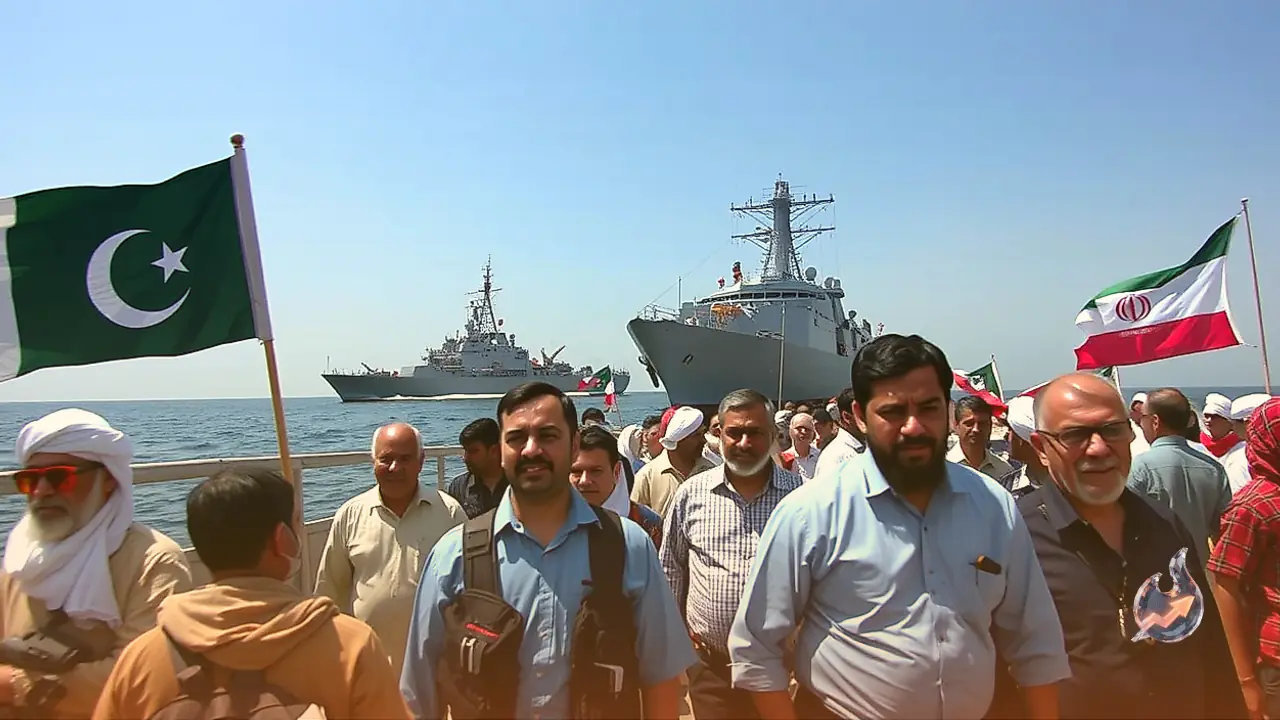
Simultaneously, maritime security monitors tracking commercial and military voyages have registered notable US Navy activity in the Arabian Sea. Open-source intelligence records suggest that American guided-missile destroyers have been operating roughly 400 kilometers off Pakistan's shoreline. The deployment of heavy American naval units, including carrier strike formations in adjacent bodies of water, is largely viewed through the prism of Washington's protracted standoff with the leadership in Tehran.
Naval analysts outline that the Pentagon's positioning in the northern Arabian Sea serves multiple objectives: enforcing strict maritime surveillance across vital shipping routes, applying continuous economic and psychological pressure on the Iranian regime, and guaranteeing prompt offensive alternatives should hostilities escalate. Operating warships several hundred kilometers offshore also reflects tactical prudence. Analysts point out that maintaining distance mitigates vulnerability to Iran's formidable arsenal of coastal anti-ship missiles, which could be mobilized in a direct confrontation. While official channels have refrained from disclosing exact naval vessel counts, historical precedents suggest that such forward deployments signal elevated operational readiness rather than mere routine navigation.
Implications for Cross-Border Economies and Global Energy Routes
Should the shutdown at Taftan and Gabd-Rimdan persist indefinitely, border communities that rely heavily on daily barter and licensed trade will face severe economic hardship. Reopening the border promptly would stabilize local commerce and alleviate diplomatic friction between Islamabad and Tehran. However, a prolonged stand-off risks compounding regional economic isolation and hardening bilateral suspicions at a time when neither government can afford fresh trade shocks.
On a macro scale, any escalation between American naval assets and Iranian forces in surrounding waterways poses substantial risks to global trade. With the Persian Gulf and surrounding straits functioning as vital conduits for global crude supplies, expanded military brinkmanship could disrupt commercial shipping lanes and roil energy markets worldwide. Even though there is currently no verifiable documentary proof directly connecting Pakistan's border decision to the US naval footprint in the Arabian Sea, the synchronized unfolding of both developments has significantly amplified vigilance across diplomatic capitals.