






















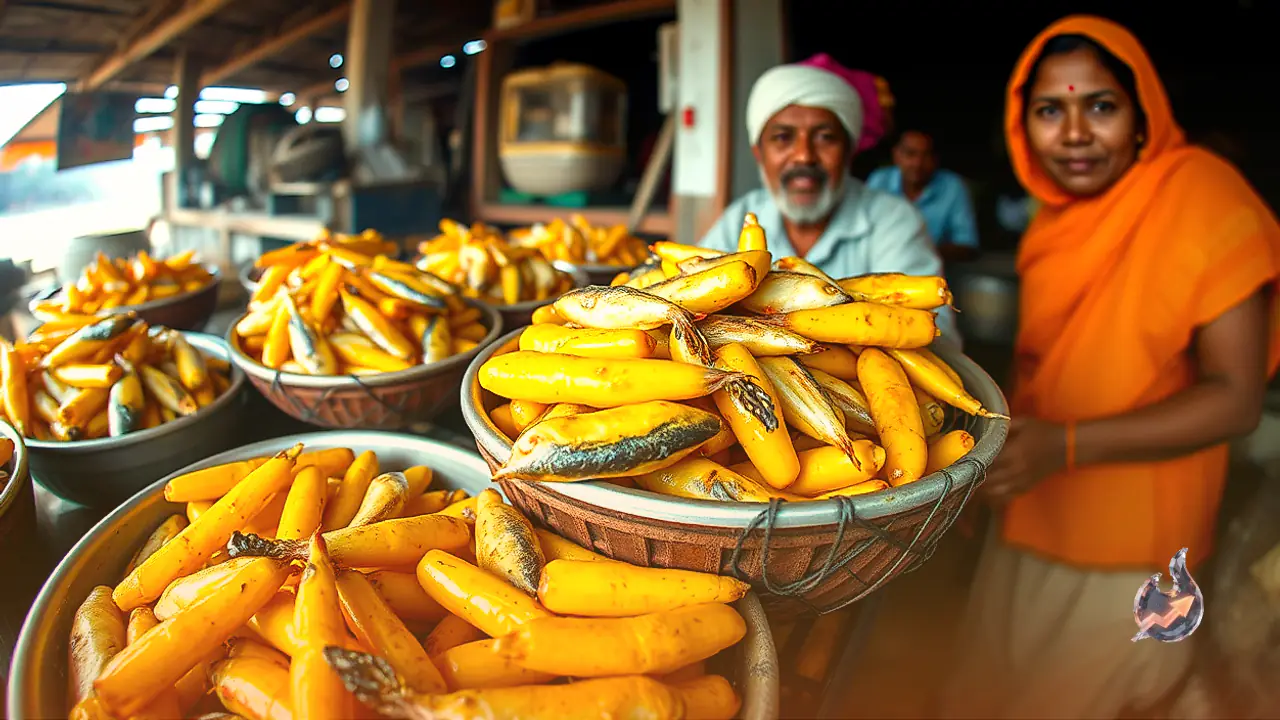

Pickles occupy a treasured place across traditional Indian dining tables. While raw mango, lime, and green chili pickles remain standard fixtures in most households, coastal South India boasts a celebrated heritage of non-vegetarian preserves, with fish pickle enjoying immense popularity. Generations of elderly homemakers along the coastline have perfected this craft, relying on natural curing methods to create intense, tangy preserves. Many elder family members habitually enjoy having two pieces of this savory pickle alongside their daily meals. When served alongside steaming plain rice or warm flatbreads such as parathas, its robust, fiery punch elevates simple everyday cooking into a memorable feast.
Key Ingredients for Traditional Preparation
Crafting authentic fish pickle requires 500 grams of boneless fish cut into neat bite-sized pieces. The flavor base depends on 1 teaspoon of turmeric powder, 3 to 4 teaspoons of red chili powder, 2 tablespoons of ginger-garlic paste, 1 teaspoon of mustard seeds, half a teaspoon of fenugreek seeds, and 10 to 12 fresh curry leaves. To introduce essential acidity and ensure safe long-term preservation, you need 3 to 4 tablespoons of vinegar or fresh lemon juice, salt adjusted to taste, and 1 cup of cooking oil, with mustard oil, sesame oil, or peanut oil serving as ideal choices.
Essential Preparation and Sun-Drying Method
Moisture is the primary enemy of any long-lasting pickle, making the drying phase critical. Begin by thoroughly washing and cleaning the boneless fish pieces. Toss the drained meat with half a teaspoon of turmeric powder and a pinch of salt until every piece is evenly coated. Spread the fish across a flat tray and place it under direct, hot sunlight for 3 to 4 hours. This exposure draws out excess moisture from the flesh, shrinking the exterior slightly and setting up the ideal texture so that the pickle remains free of spoilage for months.
Frying the Fish and Sautéing Aromatics
Once the sun-drying process is complete, heat 1 cup of oil in a heavy-bottomed pan or kadai. Carefully slide the dried fish pieces into the moderately hot oil and deep fry them over medium heat until they develop a crisp crust and a deep golden color. Transfer the fried pieces to a plate and keep them aside. In the very same hot oil, introduce 1 teaspoon of mustard seeds, half a teaspoon of fenugreek seeds, and the fresh curry leaves. As the tempering splutters, stir in the ginger-garlic paste, cooking it patiently until the pungent raw aroma dissipates.
Combining Spices and Safe Storage
Reduce the heat to low before adding 3 to 4 teaspoons of red chili powder, the remaining turmeric powder, and salt. Stir the dry seasonings rapidly to blend them with the aromatic oil without scorching the spices. Immediately toss in the crisp fried fish pieces, coating them thoroughly in the bubbling spice mixture for about 2 minutes. Turn off the flame and allow the contents of the pan to cool down completely to room temperature. Once entirely cold, stir in the vinegar or fresh lemon juice. Transfer the prepared pickle into an airtight, thoroughly sterilized, and completely dry glass jar. Within 2 to 3 days, the fish absorbs the sour and spicy marinade, yielding an intensely flavorful relish that stays preserved for several months.