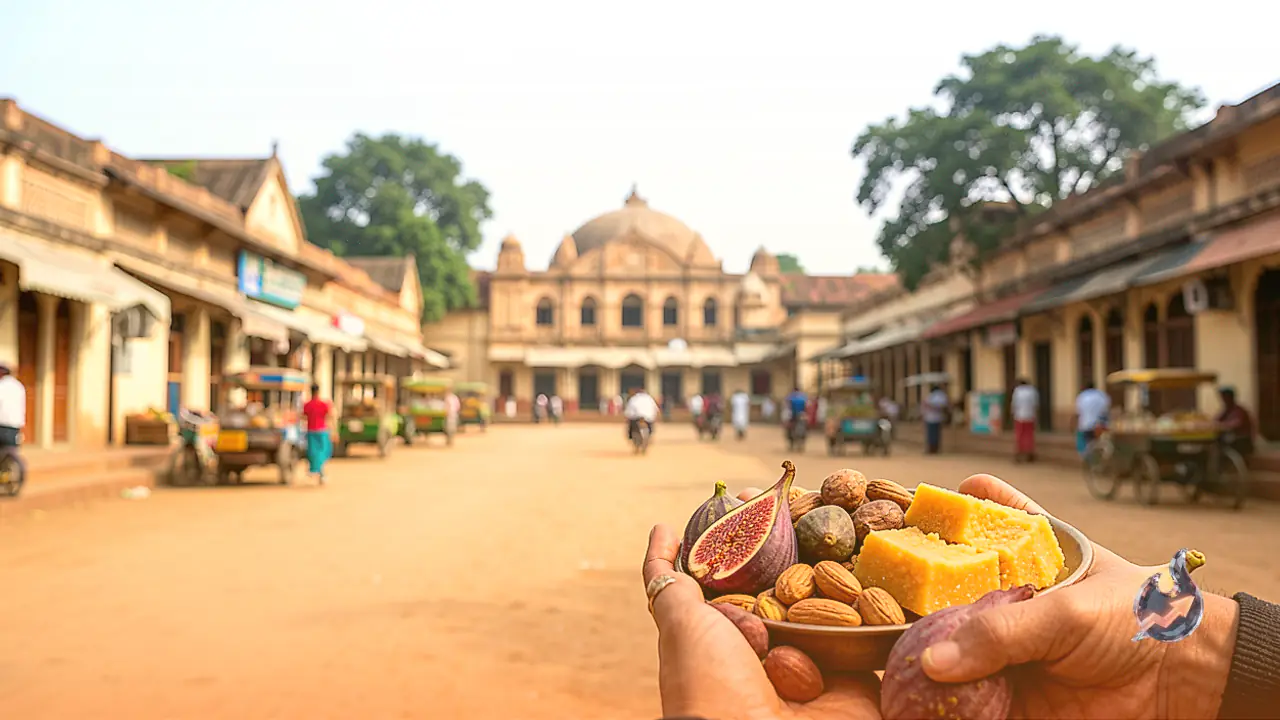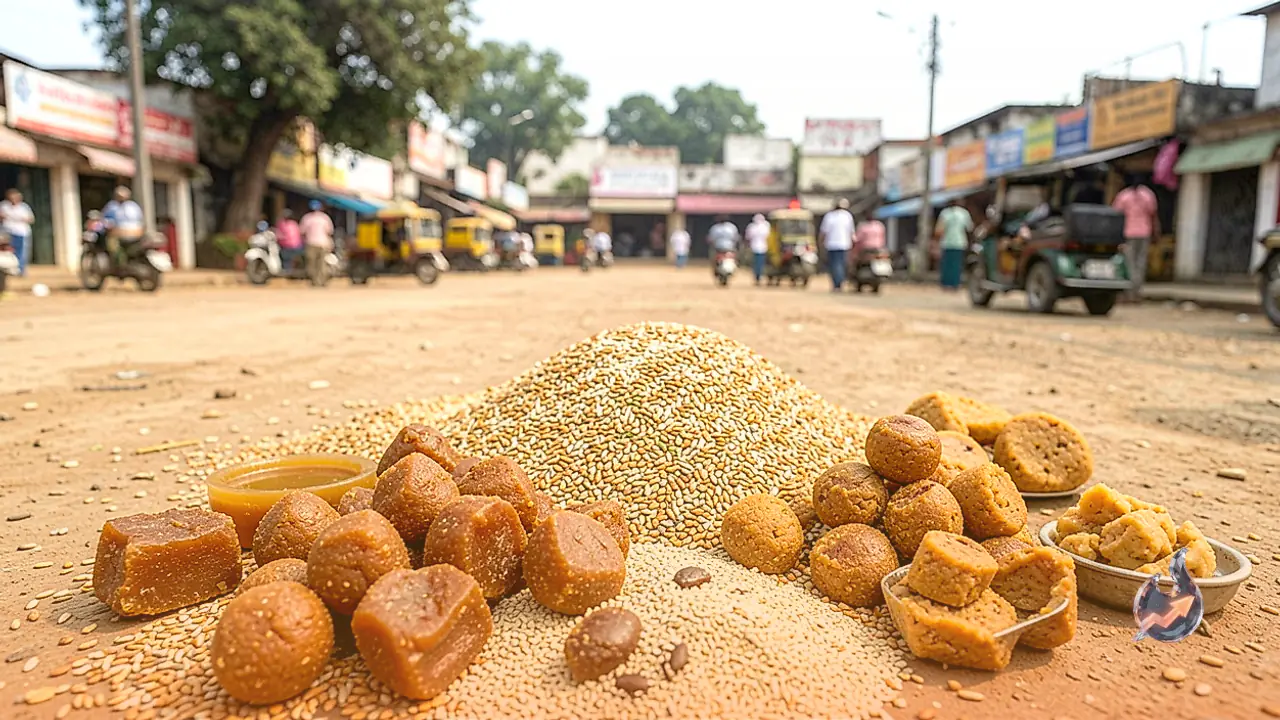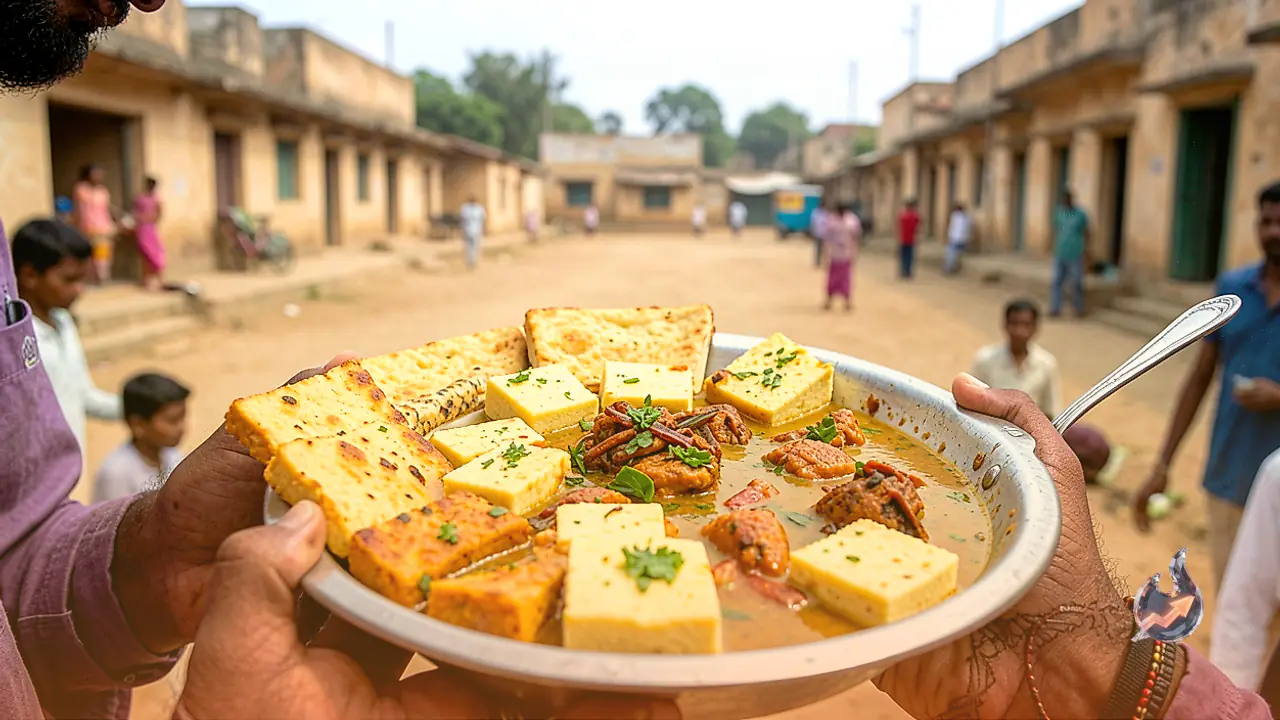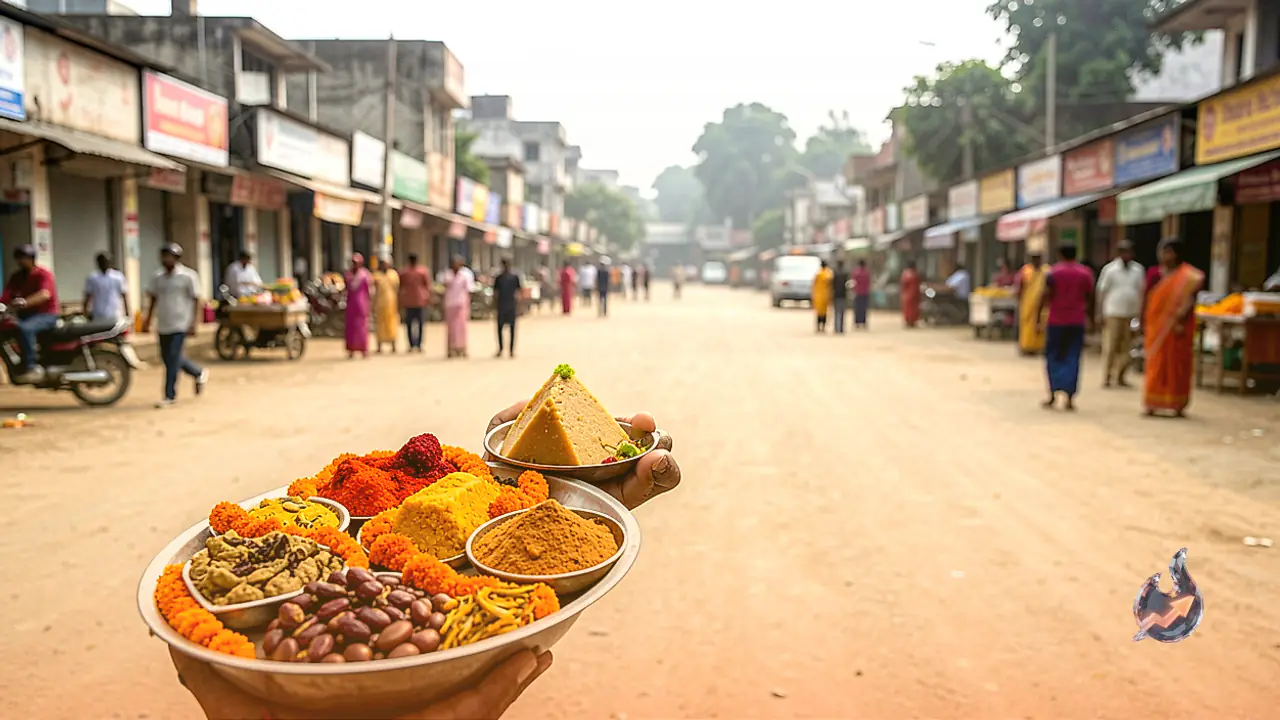




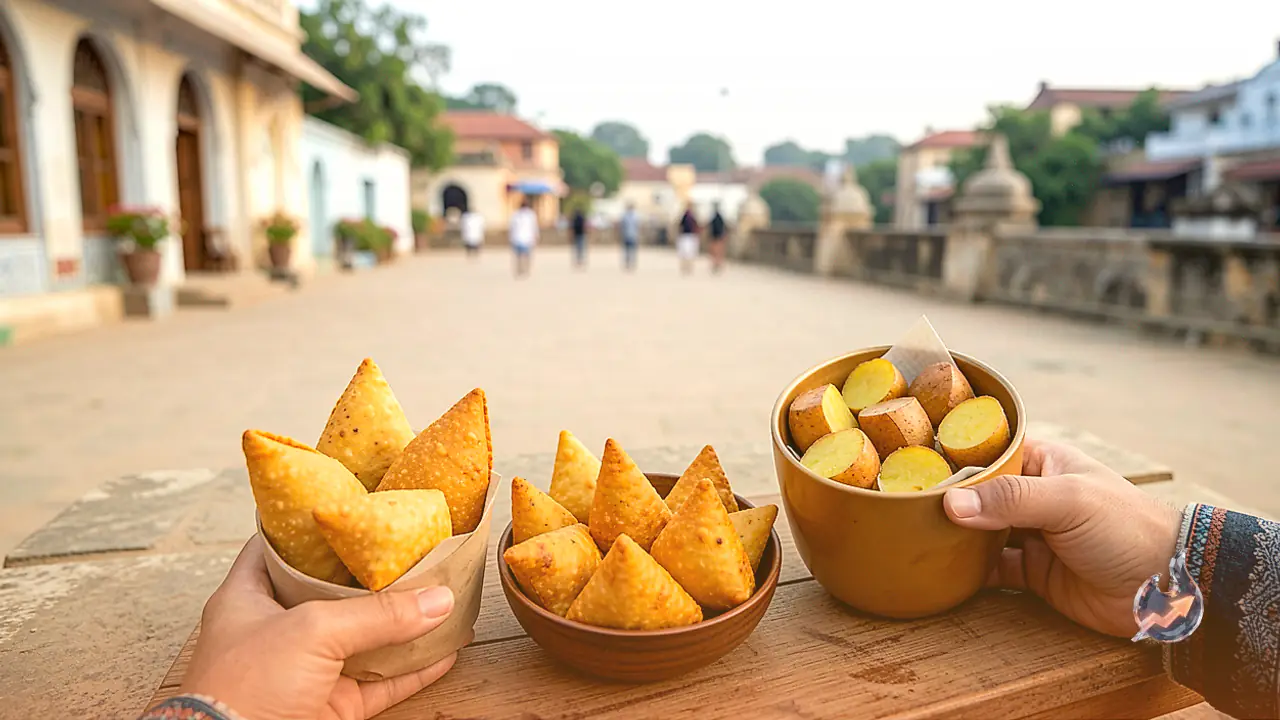
















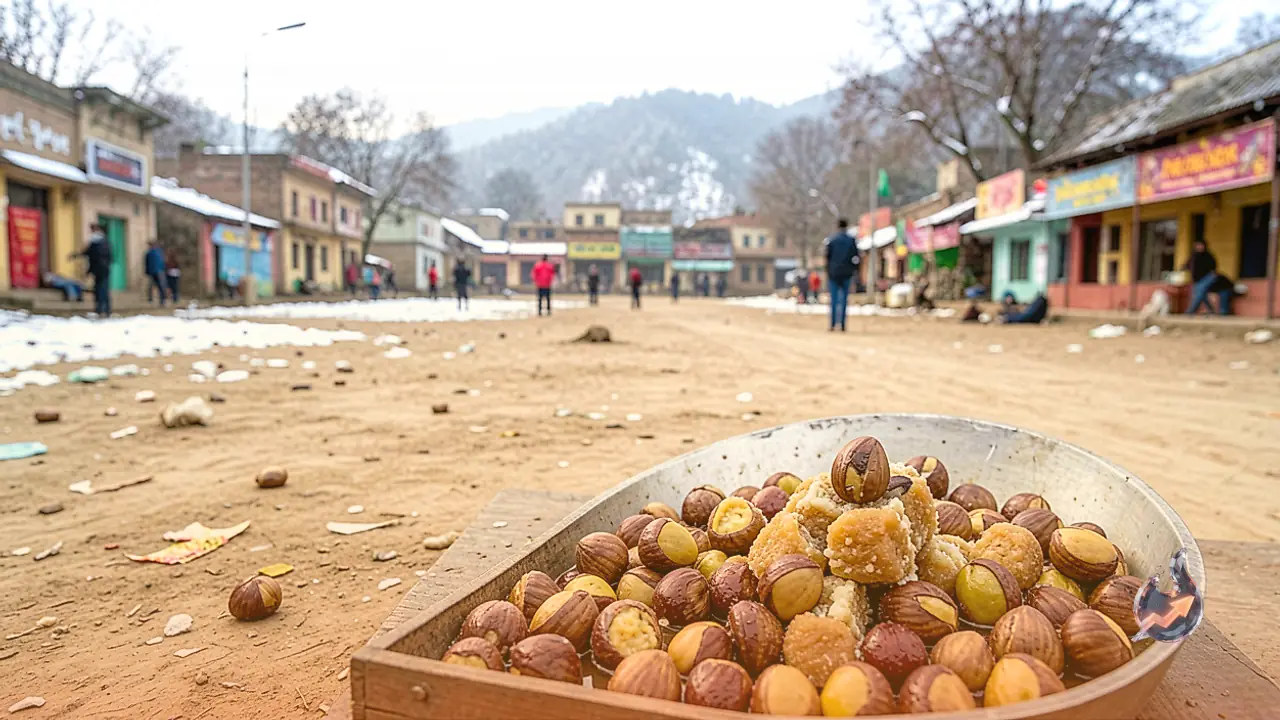

In the Chhatarpur district of Madhya Pradesh, a unique seasonal sweet takes over local markets during the winter and festive periods. This special delicacy is crafted using fresh singhara or water chestnut combined with rich mova. Starting right from the auspicious days of Navratri and continuing all the way through Diwali, the demand for this regional sweet witnesses a massive surge. Sold in local markets at a standard rate of 350 rupees per kilogram, its distinct aroma draws food lovers from all around.
The Tradition Behind the Delicacy
Babbi Chourasia, the owner of Prem Palace Hotel, explains that the arrival of winter brings fresh water chestnuts into the market. This season is packed with numerous festivals, prompting the preparation of various dishes made from singhara. Among these, mova singhare ka pak stands out as a prominent local favorite enjoyed by many residents and visitors alike.
High Demand During Fasting Periods
According to Babbi, the market demand for this sweet kicks off with the onset of Navratri. People observing ritual fasts frequently consume this preparation for energy and taste. As long as water chestnuts remain available in the Chhatarpur district, local makers continue producing this item. It is widely recognized locally as khova singhad pak, while many residents also refer to it simply as khova sev.
Appearance and Growing Popularity
Babbi notes that the physical appearance of the sweet resembles French fingers, though it features a distinct color profile. Crafted into small, bite-sized pieces like khova sev, this sweet was traditionally a staple attraction found exclusively inside small rural fairs during Navratri. Over time, its fame has grown, and it is now regularly prepared and sold in prominent hotels across Chhatarpur.
Daily Sales and Market Rate
Fasting seasons drive the highest volume of sales for this item, with daily revenue from khova singhad pak reaching around 10,000 rupees. In local parlance, mova is traditionally termed khova in Chhatarpur. At present, the retail price stands firmly at 350 rupees per kilogram, marking it as an affordable yet sought-after festive treat.