
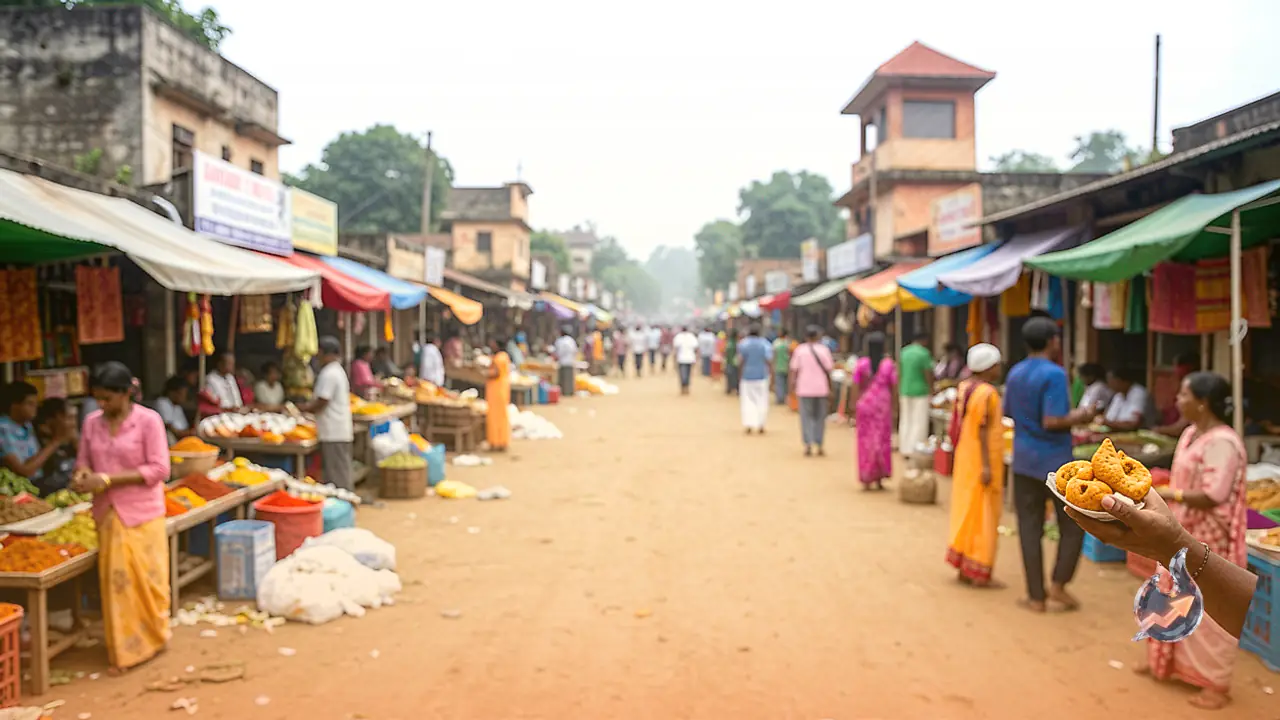

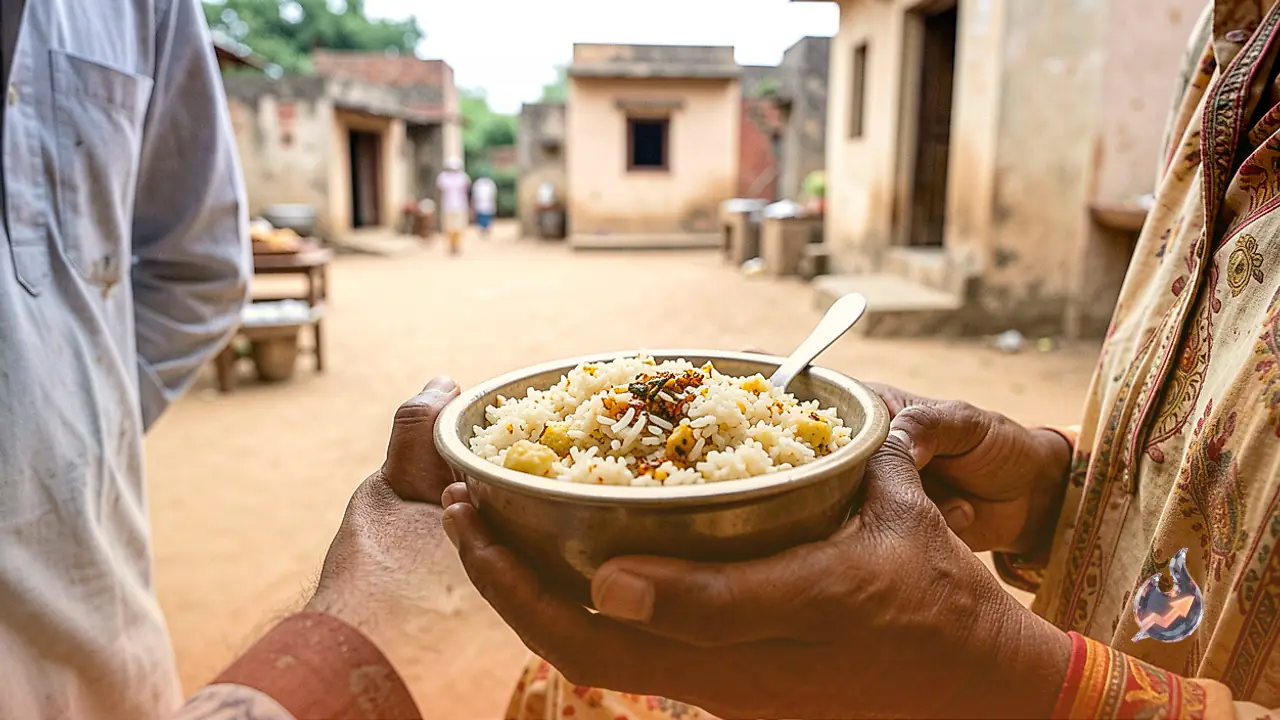















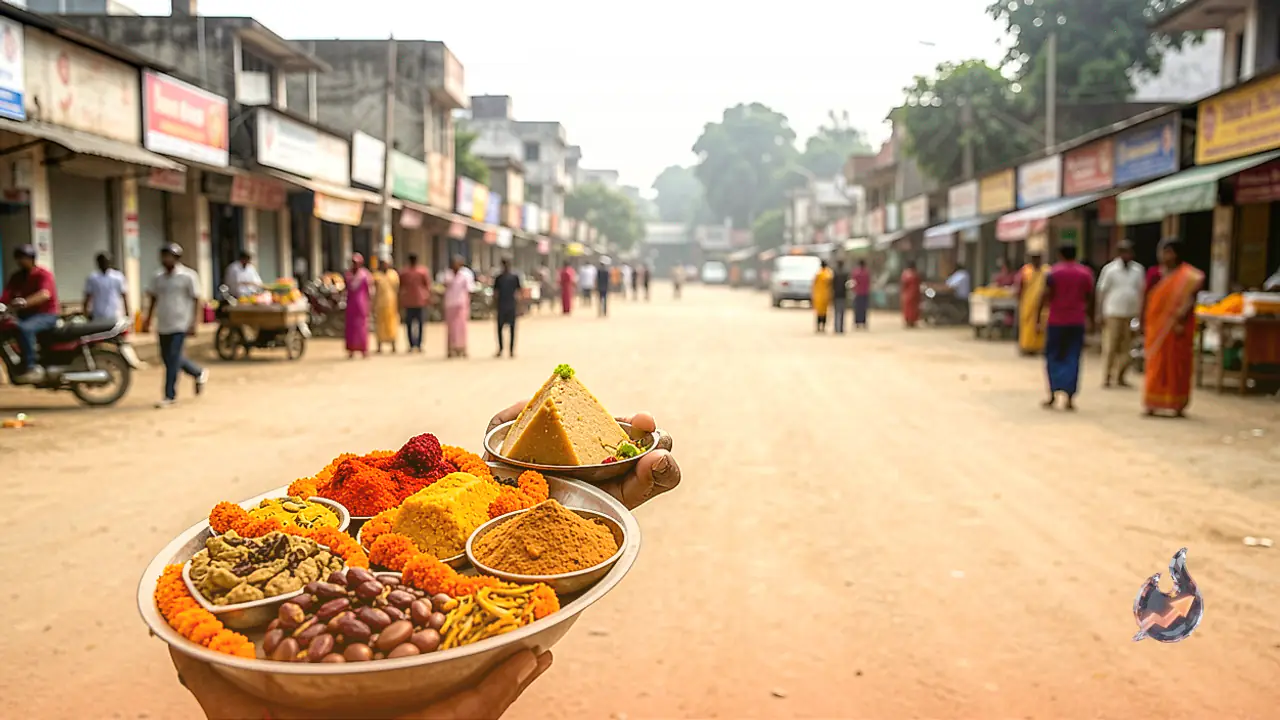

As the festive season approaches, households across regions fill with joy and the rich aroma of traditional sweets. When it comes to Pali in Rajasthan, celebrations are widely considered incomplete without the famous Gulab Halwa. With the festival of lights drawing near, long queues of buyers are forming outside shops to grab a share of this cherished delicacy. What makes this year notable is that the traditional flavor of Pali has now crossed international borders, with people living as far away as Dubai, London, and the United States having the sweet delivered through their family members and relatives.
Reaching Dessert Lovers Across International Borders
The unique charm of this regional sweet is no longer confined to local boundaries. Non-resident Indians residing in countries like Dubai, London, and the US are showing a massive appetite for this specific halwa. Overseas families are utilizing their connections back home to get shipments of Pali Gulab Halwa delivered to them. This culinary connection allows members of the diaspora living abroad to stay closely tied to their hometown roots and traditional festive experiences.
What Makes This Unique Confection Stand Out
The Gulab Halwa of Pali is widely recognized for its distinct aroma, earthy flavor, and striking maroon color, which sets it apart from conventional sweets. Many Indians living overseas often crave authentic regional flavors during major festivals. This particular halwa provides them with a comforting taste of home, explaining why demand among international buyers and NRIs remains exceptionally high during the festive calendar.
A Fascinating History Spanning Over Six Decades
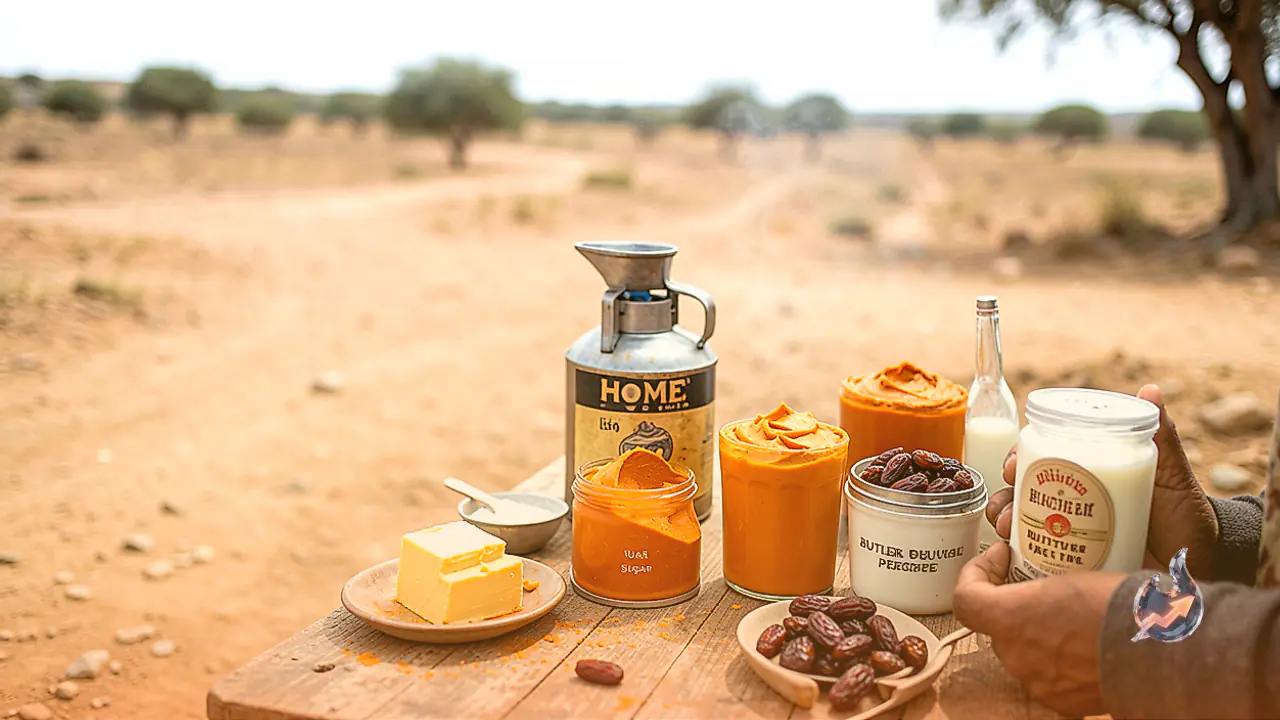
The origins of this famous sweet date back roughly 60 years with an interesting backstory rooted in the region. Around six decades ago, the preparation began at a sweet shop run by Moolchand Castia near Jain Market in the inner market area of Pali. At that time, the shop specialized exclusively in preparing rabri. One day, an employee named Gulab Puri decided to experiment by adding sugar to leftover milk and simmering it slowly over a low flame. Gradually, the milk thickened into mawa and developed a rich, beautiful maroon shade. When the mixture was cooled and sampled, the taste proved entirely different from standard market sweets. Named after its creator Gulab Puri, and celebrated for its distinct fragrance and hue, the confection eventually became the definitive culinary identity of Pali, experiencing a major seasonal rush every year during Diwali.