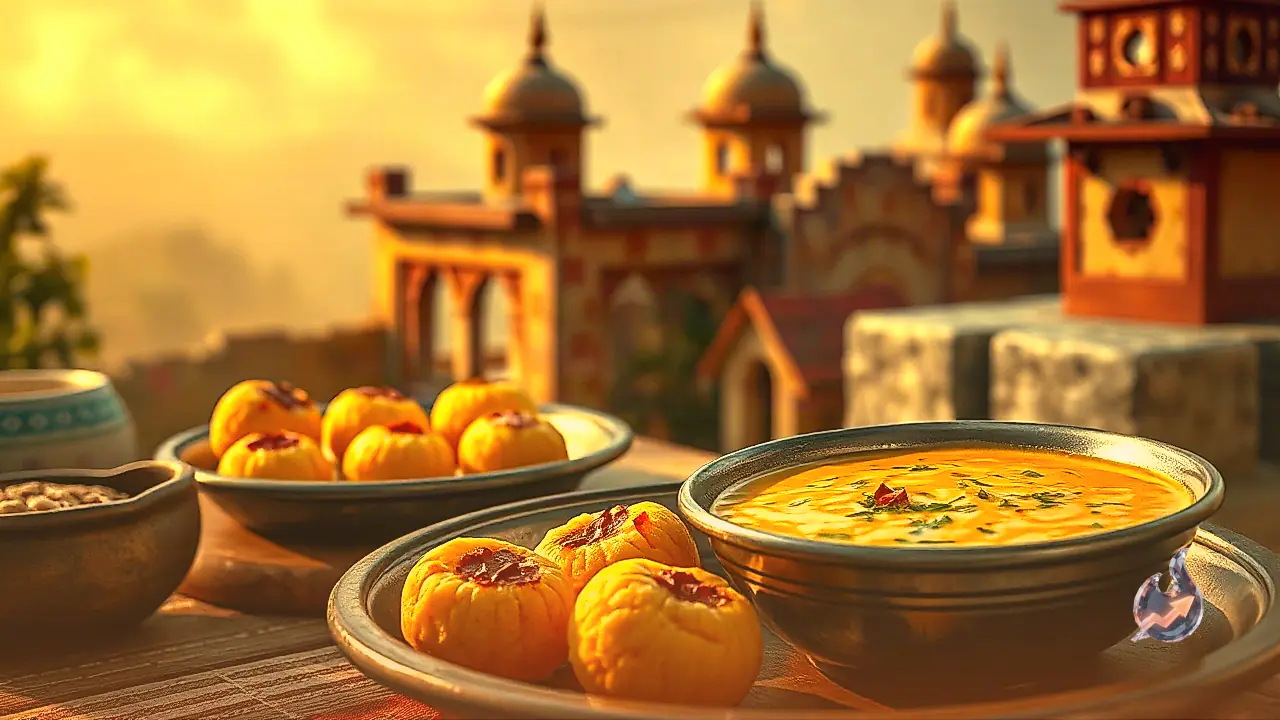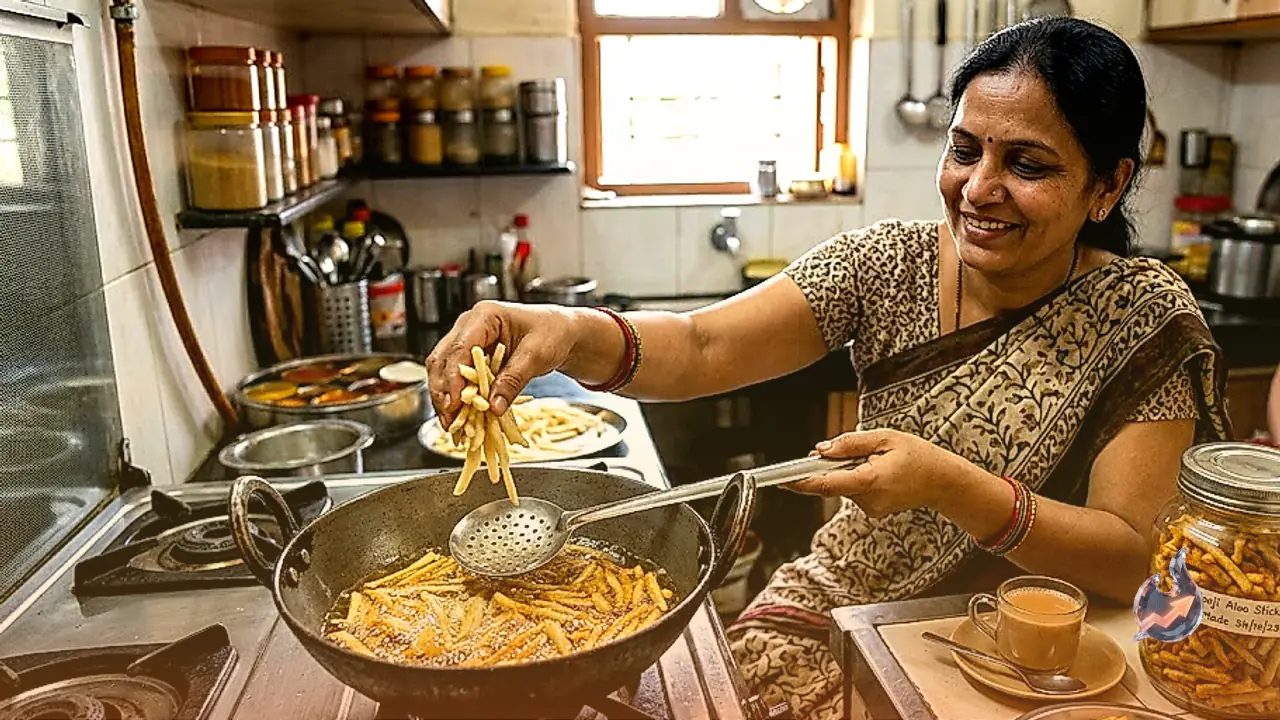























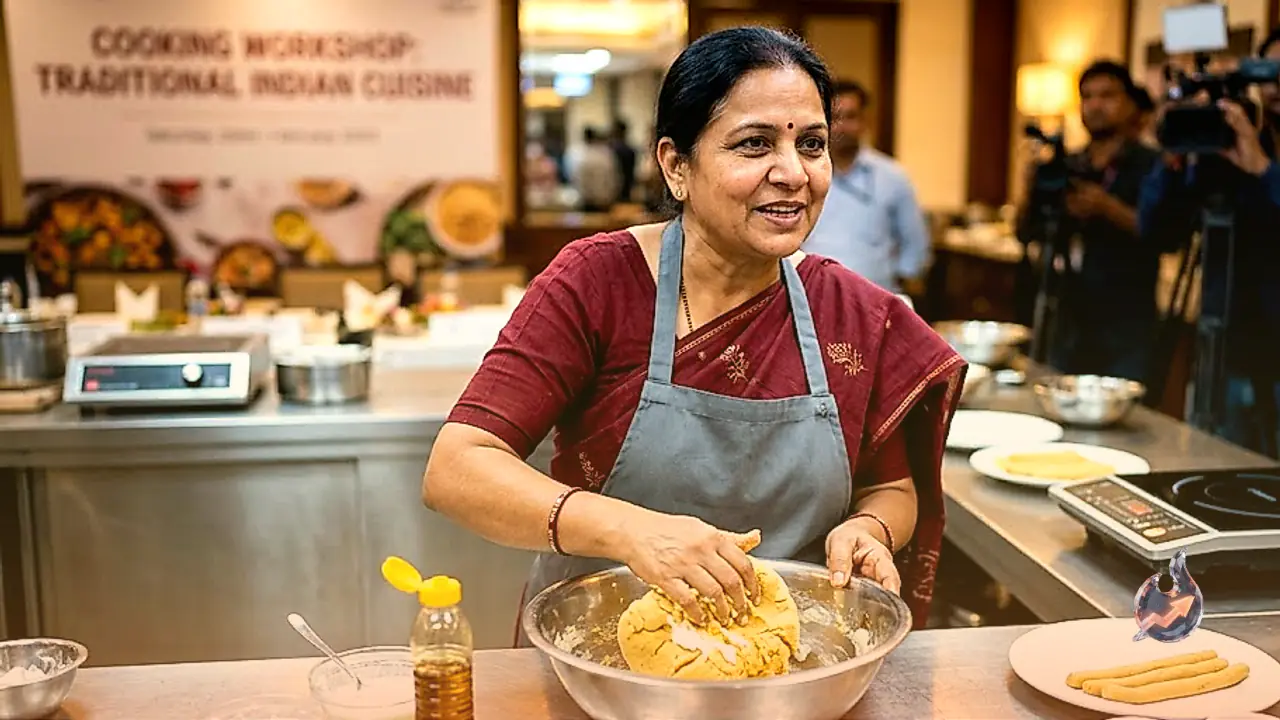

Rajasthani Gatte Ki Sabji holds a prized position in traditional Indian cuisine, serving as a flavorful and satisfying meal option, especially when fresh green vegetables are unavailable in the kitchen. Made primarily from gram flour, this classic dish is widely loved, yet many home cooks encounter a common struggle: the gatte often turn out tough, dense, or hard to chew. When prepared correctly, gatte should possess a soft, spongy texture capable of absorbing the rich flavors of the spiced curry gravy. Culinary expert Geeta Choudhary has shared a reliable technique and essential secret ingredients to ensure home-cooked gatte turn out soft as cotton every single time. By adjusting how the dough is bound and following precise cooking steps, anyone can replicate authentic dhaba-style Gatte Ki Sabji right in their home kitchen.
Incorporating Curd and Oil into the Dough
Crafting melt-in-the-mouth gatte begins with preparing the gram flour base correctly. Start by adding an adequate quantity of besan (gram flour) into a wide mixing bowl. Season the flour with salt, red chili powder, turmeric, coriander powder, a pinch of asafoetida (hing), kasuri methi (dried fenugreek leaves), and carom seeds (ajwain). Beyond adding aromatic depth, asafoetida and carom seeds aid in digestive comfort when consuming gram flour dishes.
The pivotal secret behind achieving a tender texture lies in adding moisture and fat directly to the dry mix before introducing any water. Mix three to four tablespoons of fresh curd alongside three to four tablespoons of cooking oil into the seasoned besan. This blend of curd and oil creates a tenderizing shortening effect, ensuring the interior of the gatte remains airy and soft after boiling. Before adding water, thoroughly rub the curd, oil, and spices into the gram flour using your fingertips. Once evenly combined, gradually pour in small quantities of room-temperature water to form a soft, smooth dough. It is vital to avoid kneading a stiff or overly tight dough, as tightness directly results in hard gatte.
Rolling and Proportioning the Gatte Shapes
After the dough reaches a smooth and pliable consistency, divide it into equal portions and form small dough balls. Roll each ball between your palms to shape long, uniform cylinders. Paying close attention to the thickness of these cylindrical rolls is essential for even cooking.
Aim to keep the rolls relatively thin rather than thick. Slender rolls cook quickly and thoroughly all the way to their center when submerged in boiling water. Conversely, oversized or thick rolls tend to remain dense and undercooked inside, leading to a tough, rubbery texture once cooled. Creating thin, uniform rolls guarantees a light and soft end product.
Boiling Technique and Visual Indicators of Doneness
To cook the rolls, fill a wide vessel with water and bring it to a vigorous rolling boil over high heat. Always drop the prepared besan rolls directly into boiling water. Introducing them to cold or lukewarm water will disrupt their structural integrity, causing the flour to soften excessively or disintegrate into the liquid.
Allow the rolls to boil undisturbed until they rise and float naturally to the surface of the water. Look for small, raised bumps or granular specks forming across the exterior skin of the rolls. These visual cues indicate that the gram flour has cooked completely through to its core. At this stage, remove the vessel from heat and carefully scoop out the cooked rolls.
Preserving Starch Water and Slicing
Once the gatte are removed from the vessel, refrain from discarding the leftover boiling water. This liquid retains valuable starch, protein, and spiced flavors from the cooked gram flour rolls. Reserve this liquid in a clean container to use later as the primary broth for your gravy.
Using the reserved boiling water enriches the consistency of the curry and enhances its depth of flavor. Allow the boiled rolls to cool down slightly until comfortable to handle. Using a sharp knife, slice the rolls into neat, bite-sized rounds or angled pieces according to preference.
Preparing the Creamy Gravy and Whisked Spice Mixture
To build a rich, restaurant-style curry base, grind onions, tomatoes, green chilies, ginger, garlic, and a small handful of cashews into a smooth paste. The addition of cashews introduces a subtle sweetness and a silky, thick texture to the gravy base.
In a separate bowl, prepare the yogurt mixture by whisking fresh curd with turmeric, red chili powder, coriander powder, and salt until smooth. Pre-mixing spices with yogurt stabilizes the protein structure of the dairy, preventing the curd from curdling or separating when poured into the hot pan later.
Sautéing Spices and Simmering on Low Heat
Heat oil in a heavy-bottomed pan and temper it with cumin seeds and mustard seeds. As soon as the seeds crackle, add the pureed onion-tomato-cashew paste. Sauté the aromatic paste over medium heat, stirring regularly until the mixture thickens and oil begins to separate from the edges.
Turn the flame down to low before adding the whisked curd and spice mixture. Stir continuously in one direction while adding the yogurt to prevent curdling. Once the gravy begins to simmer gently, pour in the reserved gatta boiling water to adjust the gravy to your desired thickness while boosting its savory notes.
Final Infusion and Finishing Touches
Transfer the sliced gatte pieces into the gently bubbling curry. Cover the pan with a lid and allow the dish to simmer over low heat for eight to ten minutes. This extended low-heat simmering period is crucial, as it enables the soft gatte to absorb the aromatic spices and tangy gravy deep into their porous structure.
Once the simmering time is complete, uncover the pan, sprinkle a pinch of warm garam masala, and garnish generously with fresh, finely chopped coriander leaves. Turn off the heat and serve the Rajasthani Gatte Ki Sabji hot alongside fresh phulkas, parathas, or steamed rice. Following these precise steps — soft dough kneading, balanced curd-oil proportioning, proper boiling, and low-heat simmering — guarantees perfect, melt-in-the-mouth gatte every time.