
























During Thursday's Asian trading, the pound-US dollar pair remained unable to build sustained momentum. Traders were holding back before the Bank of England rate decision, leaving the market hesitant to place fresh directional bets.
Bearish consolidation in the Asian session
GBP/USD attempted to stabilize after its decline, but the move did not develop into a convincing rebound. The pair was trading around 1.3380-1.3375, close to its lowest level since July 30. Buyers were cautious within that narrow area, while sellers continued to benefit from the firm tone in the US Dollar.
The Dollar's main support came from its position near the highest level seen since late July. A stronger Dollar makes it harder for GBP/USD to rise unless the Pound receives equally strong backing. With the Bank of England decision still ahead, traders were reluctant to commit to a new trend.
A 25-basis-point Fed move strengthens the Dollar
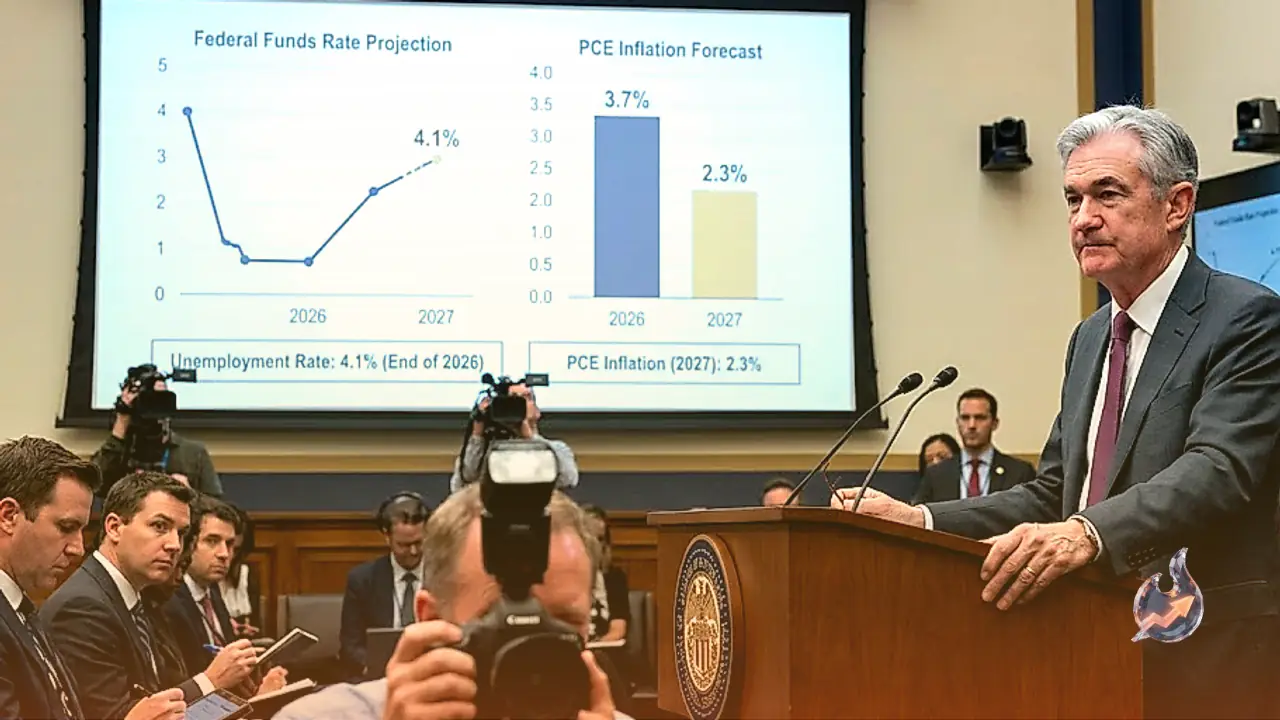
The US Federal Reserve raised its policy rate by 25 basis points on Wednesday, matching market expectations. The decision itself was anticipated, but the accompanying message carried additional weight. The Fed signaled another move by the end of the year, reinforcing its hawkish stance and giving the Dollar fresh support.
The gains produced by that policy outlook remained in place during Thursday's Asian session. They also limited the pair's ability to recover, because dollar bulls had both the rate decision and the prospect of another move on their side. Higher US interest rates generally support demand for the currency, making a meaningful Pound recovery more difficult.
Middle East risk adds to safe-haven demand
Geopolitical tension in the Middle East supplied another source of support for the US Dollar. In risk-sensitive conditions, investors often look for assets perceived as safer, and the Dollar benefited from that demand. The added pressure helps explain why the pair faced a greater risk of further losses even as it tried to stabilize.
The market picture therefore was not determined by the United Kingdom alone. The Fed's firm policy stance and Middle East concerns were both favoring the Dollar, while the Pound needed stronger independent support to mount a meaningful recovery. Together, those forces kept GBP/USD confined near 1.3380-1.3375.
Technical support levels to watch
If selling intensifies, the first technical support is the 61.8% Fibo retracement at 1.3346. That level represents the immediate area where buyers could attempt to halt the decline.
- First support: The 61.8% Fibo retracement sits at 1.3346 and is the nearest reference point.
- Second support: The 78.6% level is near 1.3256, providing a deeper floor if the first level fails.
- Prior cycle low: The area around 1.3141 marks the previous cycle's low and remains an important downside reference.
These levels matter because continued Dollar strength would require stronger buying to prevent the Pound from testing each support in turn. For now, 1.3346, 1.3256 and 1.3141 are the main levels to monitor below the current trading area.
What the Bank of England controls
The Bank of England sets monetary policy for the United Kingdom. Its primary objective is price stability, meaning a steady inflation rate of 2%. To pursue that goal, it adjusts base lending rates.
The central bank sets the rate at which it lends to commercial banks. Those banks also lend to one another, and this process helps determine the overall level of interest rates in the economy. Changes in those rates affect the value of Pound Sterling, which is why the BoE decision is central to the GBP/USD outlook.
When inflation rises above the target
If inflation moves above the Bank of England's target, the bank responds by raising interest rates. That makes credit more expensive for households and businesses because accessing loans costs more.
The move is generally positive for Pound Sterling. Higher interest rates can make the United Kingdom a more attractive destination for global investors looking for a place to park their money. As the prospect of capital inflows improves, the Pound can receive support.
When inflation falls below the target
Inflation below the target can indicate that economic growth is slowing. In that situation, the Bank of England may consider cutting interest rates to make credit cheaper and encourage businesses to borrow for investment.
Cheaper credit can help companies fund growth-generating projects. However, lower rates can be negative for Pound Sterling because they may reduce the appeal of holding money in the United Kingdom relative to other locations.
Quantitative easing as a last resort
In extreme circumstances, the Bank of England can use Quantitative Easing, or QE. The policy is designed to substantially increase the flow of credit through a financial system that has become stuck.
QE is a last-resort measure when lowering interest rates alone will not produce the necessary result. The central bank creates money to purchase assets, usually government bonds or AAA-rated corporate bonds, from banks and other financial institutions. The process usually leads to a weaker Pound Sterling.
Quantitative tightening reverses that process
Quantitative Tightening, or QT, is the reverse of QE. It is used when the economy is strengthening and inflation begins to rise.
Under QE, the Bank of England buys government and corporate bonds from financial institutions to encourage lending. Under QT, it stops purchasing additional bonds and stops reinvesting the principal that matures on bonds it already holds. This approach is usually positive for Pound Sterling.
The next focus is the BoE decision
Three forces are shaping the current market. The Fed's 25-basis-point increase, its signal of another move by year-end and Middle East risk are all supporting the Dollar. At the same time, the Bank of England's upcoming policy decision represents the next major test for the Pound.
That is why traders remain cautious around 1.3380-1.3375 and are avoiding fresh directional positions. If the Dollar retains support near its late-July high, a meaningful recovery in GBP/USD will remain difficult. The BoE's signals will help determine whether the pair moves toward 1.3346, 1.3256 and 1.3141.