

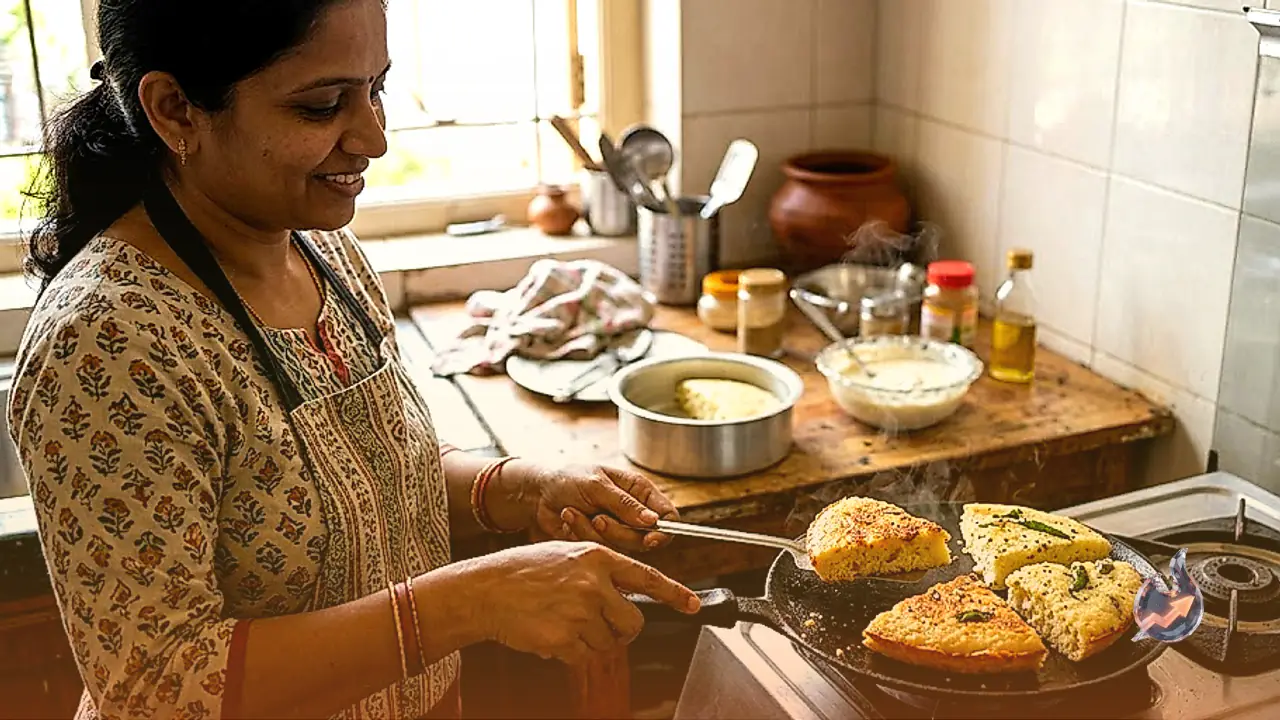


















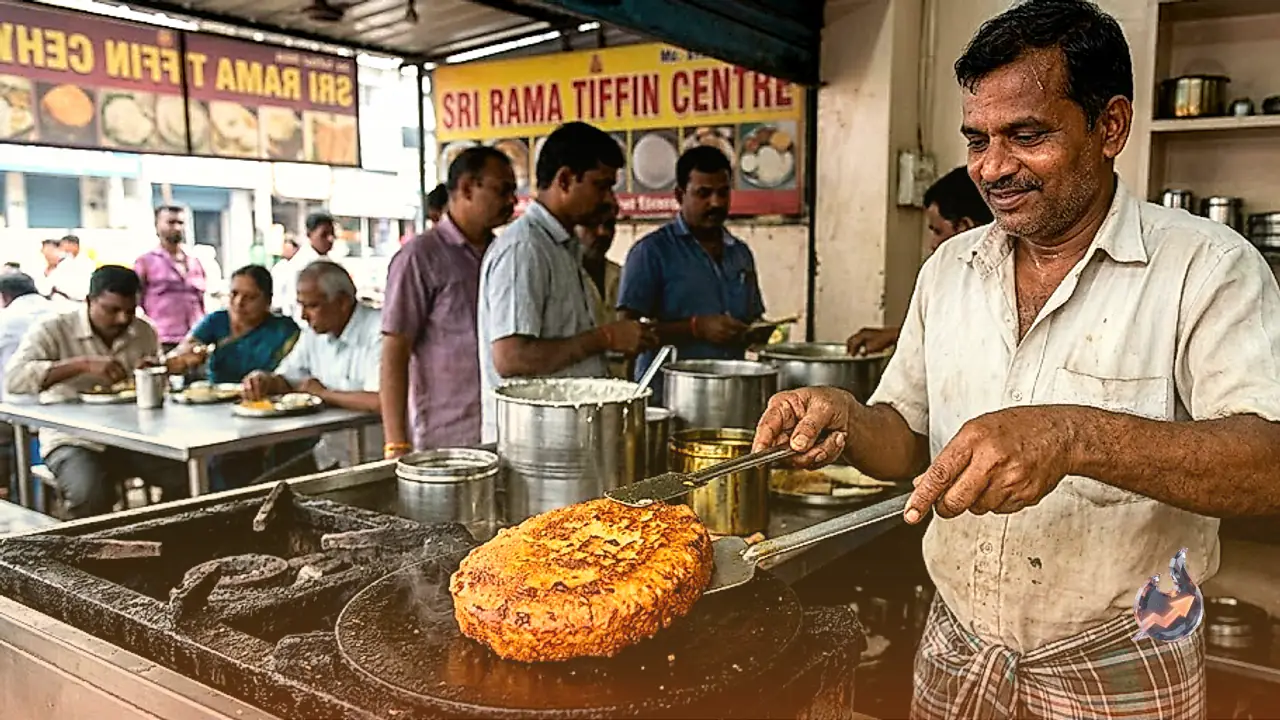

When standard morning breakfast routines centered on idlis, vadas, and dosas start feeling repetitive, traditional regional fare often provides the much-needed refresh. A classic culinary specialty from the coastal regions of Andhra and Telangana has been steadily winning over breakfast enthusiasts who frequent conventional tiffin outlets during early morning hours.
Texture and Culinary Profile
At first glance, this savoury creation resembles a dense, pan-fried flat cake. The charm of the preparation lies entirely in its striking textural contrast. Cooked patiently over controlled heat, the exterior develops a deeply golden, brittle crust, while the core remains remarkably tender, airy, and soft. In several native households, this coastal staple is commonly referred to as Minapa Rotti.
Simple Pantry Ingredients
Preparing this regional specialty does not demand any specialized flour or exotic components. A standard thick batter fermented from black gram and rice or idli rawa, routinely kept on hand for daily breakfast, serves as the complete foundation.
The Stovetop Cooking Technique
Preparation begins by warming two spoons of oil inside a heavy, deep-bottomed pan or kadhai. A modest pinch of cumin seeds is added to infuse the base with an aromatic tempering. Next, three to four generous ladles of dense fermented batter are poured directly into the centre. Unlike crepes or thin dosas, the mixture is left untouched to maintain a thick, cake-like density.
To guarantee that the dense batter cooks thoroughly without leaving a gooey center, a traditional kitchen method is applied. A tiny bowl crafted from steel or brass is rested right in the middle of the wet mixture, creating a central cavity that distributes steam uniformly. The vessel is covered and kept on low flame for eight to ten minutes until the base turns firm and crunchy. Once that side is crisp, the metal cup is removed, the round cake is flipped over, and the other side is roasted for another three to four minutes until browned.
Traditional Accompaniments
Tiffin stalls and home cooks typically serve this hot dish alongside spicy Allam Pachadi or thick Bombay chutney. For those who enjoy contrasting flavours, pairing the savoury cake with a dipping bowl of warm jaggery syrup remains an enduring tradition.