




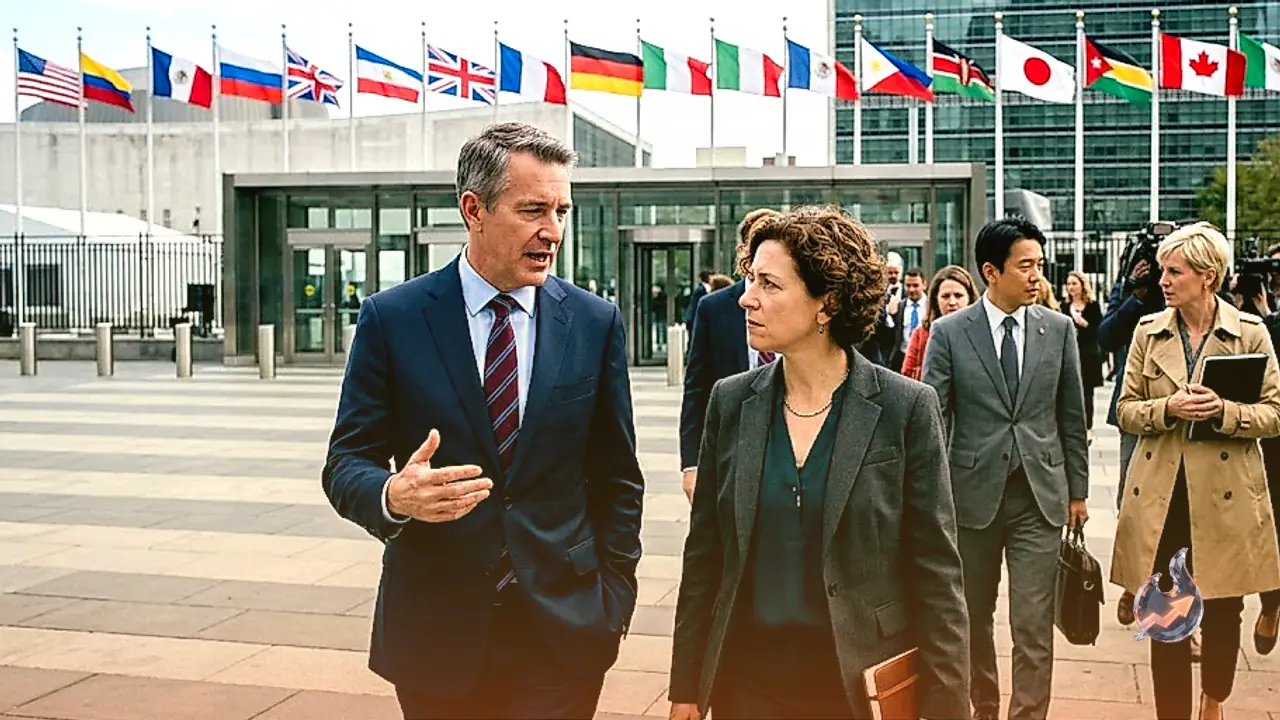















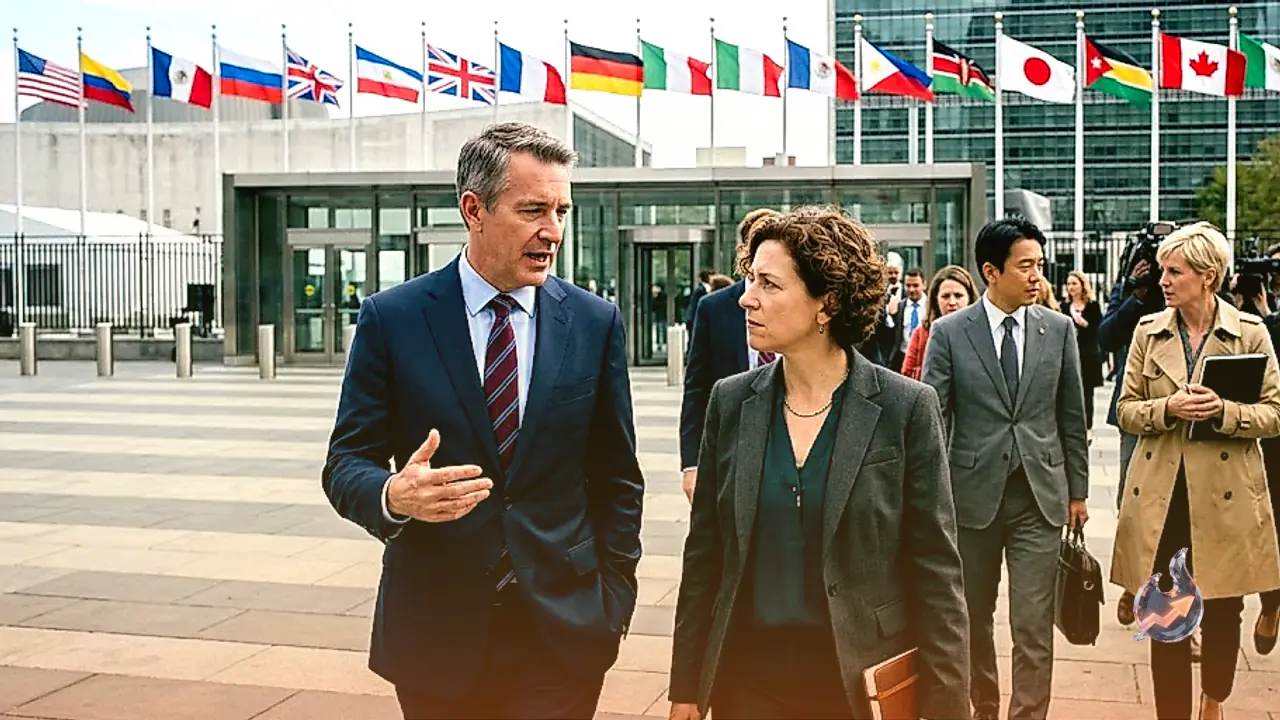

On the sidelines of the annual United Nations General Assembly in New York, foreign ministers representing the G7 nations convened to address the escalating hostilities across Yemen and the Red Sea. In a unified joint statement, the group called on Iran to terminate its arming and overall backing of the Houthi movement, warning that the worsening confrontation threatens stability across the broader Middle East and poses direct hazards to global energy corridors. The statement arrives just as senior Iranian officials prepare to take the podium at the United Nations.
Disruption of Critical Maritime Corridors
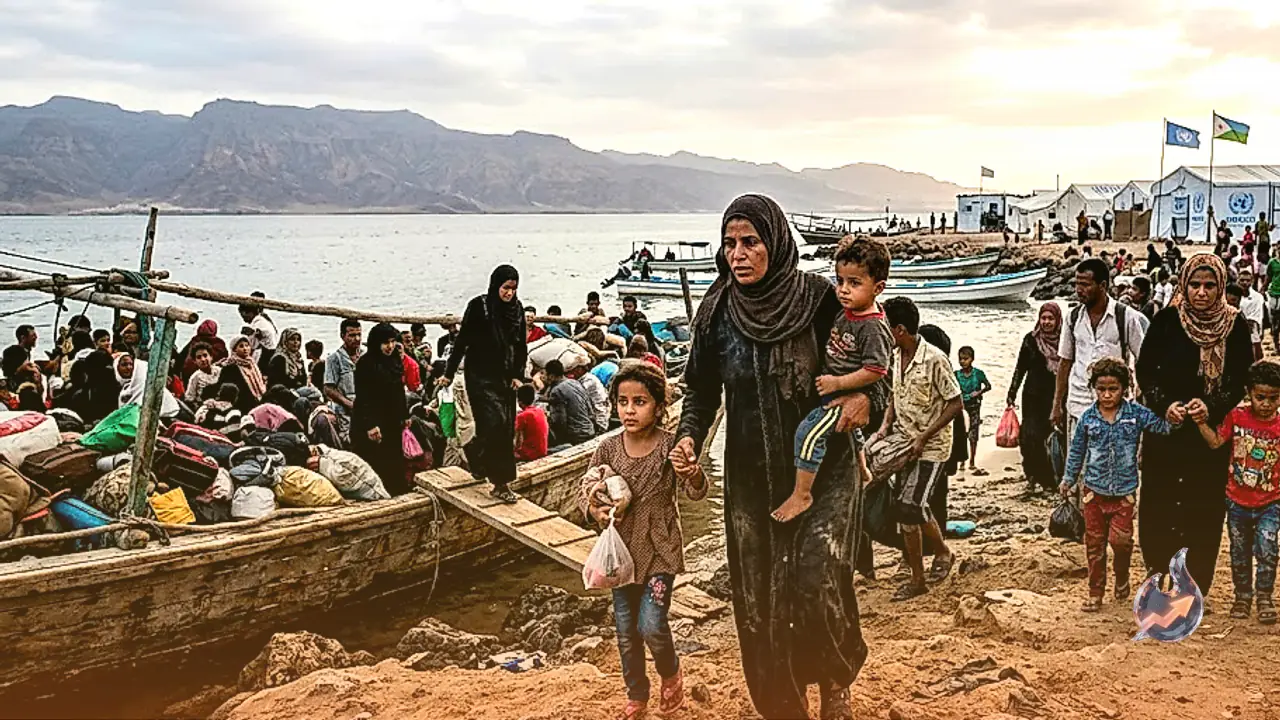
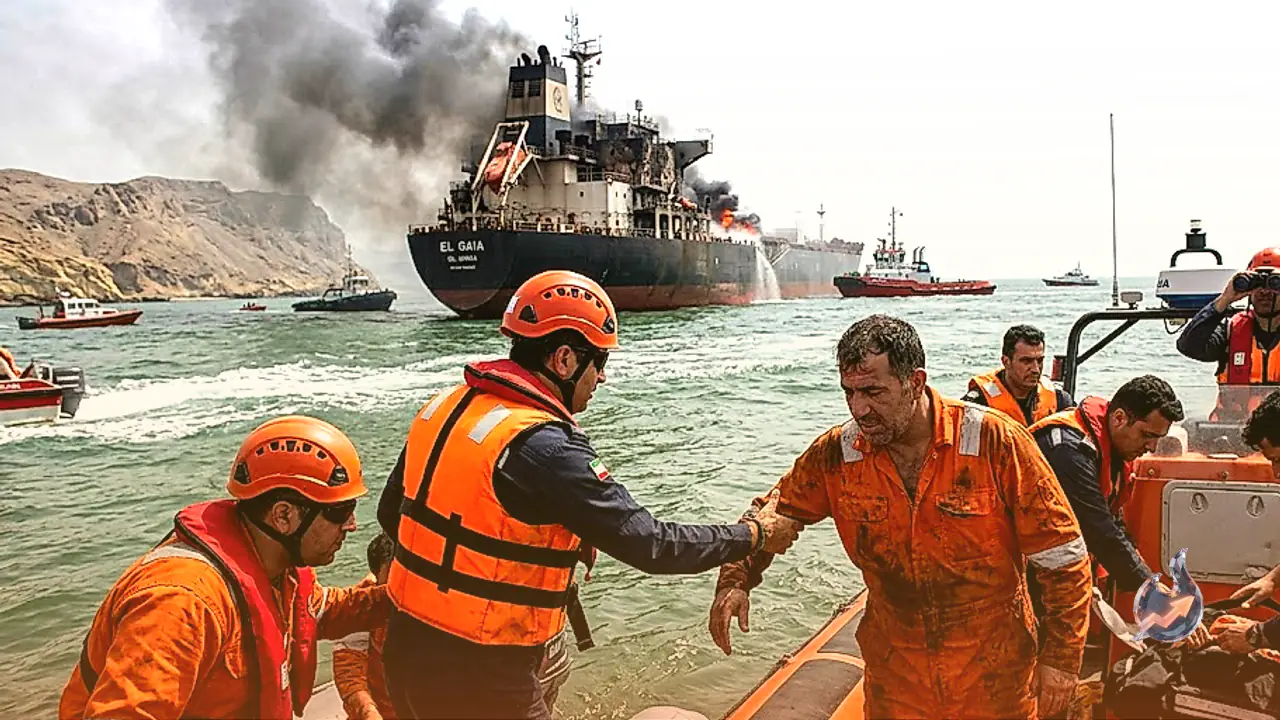
The escalation has taken a severe humanitarian and commercial toll after Houthi fighters secured territorial footholds along Yemen's Red Sea coast. Their capture of ground surrounding the Bab al-Mandab Strait, a vital chokepoint connecting the southern Red Sea with the Gulf of Aden and the wider Indian Ocean, prompted thousands of refugees to flee in recent days. With commercial vessels navigating these narrow waters under heightened peril, the group's advance has created severe ripples across international shipping networks.
Foreign ministers from the United States, the United Kingdom, Canada, France, Germany, Italy, and Japan strongly condemned attacks on Saudi Arabia and demanded an end to naval hostilities. "We call on the Houthis to immediately cease all military actions, all threats and attacks against civilian shipping, and to return to the political process in good faith," the ministers stated. They further stressed that these actions undermine global trade, risk wider economic volatility, and affirmed their continuing backing for the legitimate government of Yemen alongside its territorial integrity.
Air Strikes in Mokha and Retaliatory Missile Barrages
The armed confrontation on the ground has intensified dramatically. In the strategic coastal city of Mokha, strikes conducted by Saudi forces killed at least six people, according to accounts carried by Houthi-affiliated media. Saudi Arabia, which leads the military coalition backing the internationally recognised Yemeni administration, has not officially commented on the casualty reports from Mokha.
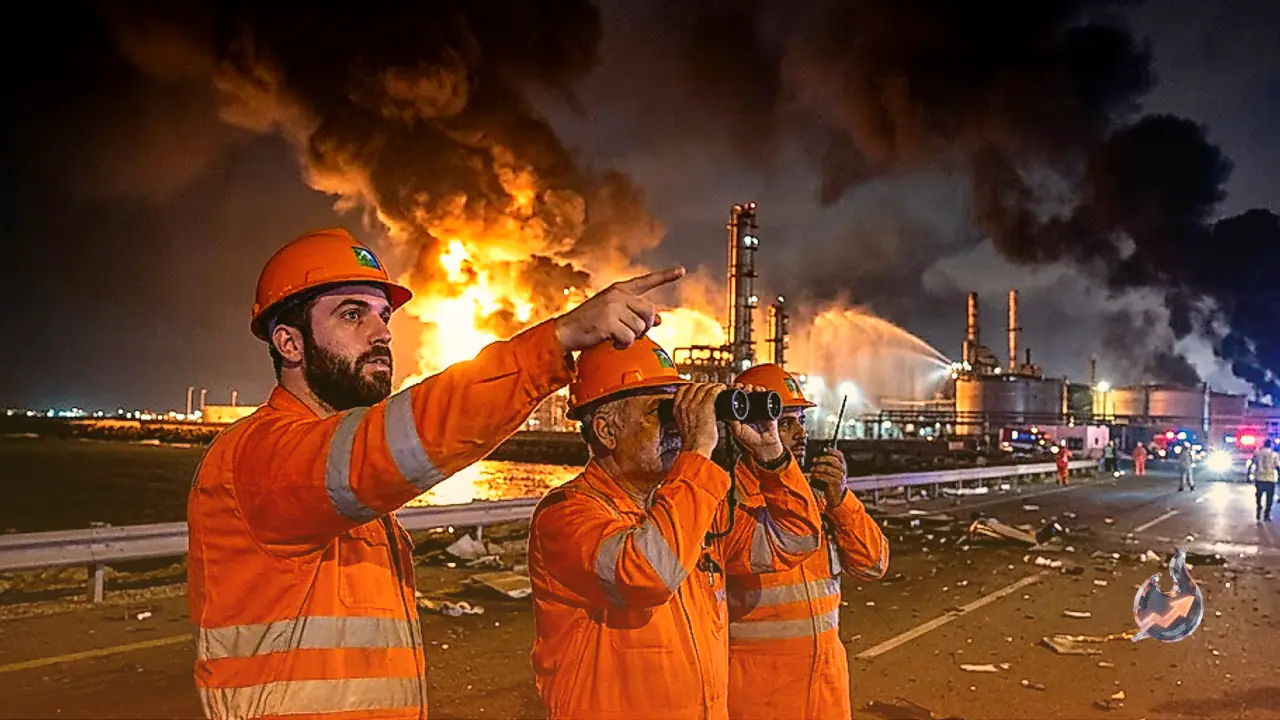
The offensive follows the Houthi capture earlier this month of the Bab al-Mandab chokepoint, an advance that cemented their control over most of Yemen's populated areas. Saudi Arabia retaliated by launching hundreds of air strikes across the contested region. Concurrently, the Houthis directed hundreds of drones and ballistic missiles toward municipal centres and key infrastructure across south-western Saudi Arabia, including targets in the capital city of Riyadh.
International Requests for Military Support
Confronting persistent cross-border missile and drone activity, Saudi Crown Prince Mohammed bin Salman requested military assistance from allies. In the United Kingdom, Burnham agreed to provide military support following the Saudi request, acting on formal counsel from Defence Secretary Wes Streeting and Foreign Secretary Ed Miliband. Diplomats also confirmed that France is prepared to assist in shielding Saudi energy infrastructure under a strictly defensive framework.
Crown Prince Mohammed bin Salman additionally appealed to US President Donald Trump for direct military assistance. President Donald Trump spent weeks weighing the Saudi appeal for assistance against the Houthis, having previously noted that he remained in deciding mode regarding subsequent steps in the conflict involving Iran. With fighting between Houthi units and the Saudi-led coalition mounting sharply, US embassies across the Middle East distributed fresh security alerts to personnel and citizens. Tehran continues to deny supplying armaments to the Houthis, maintaining that its engagement is strictly political.