



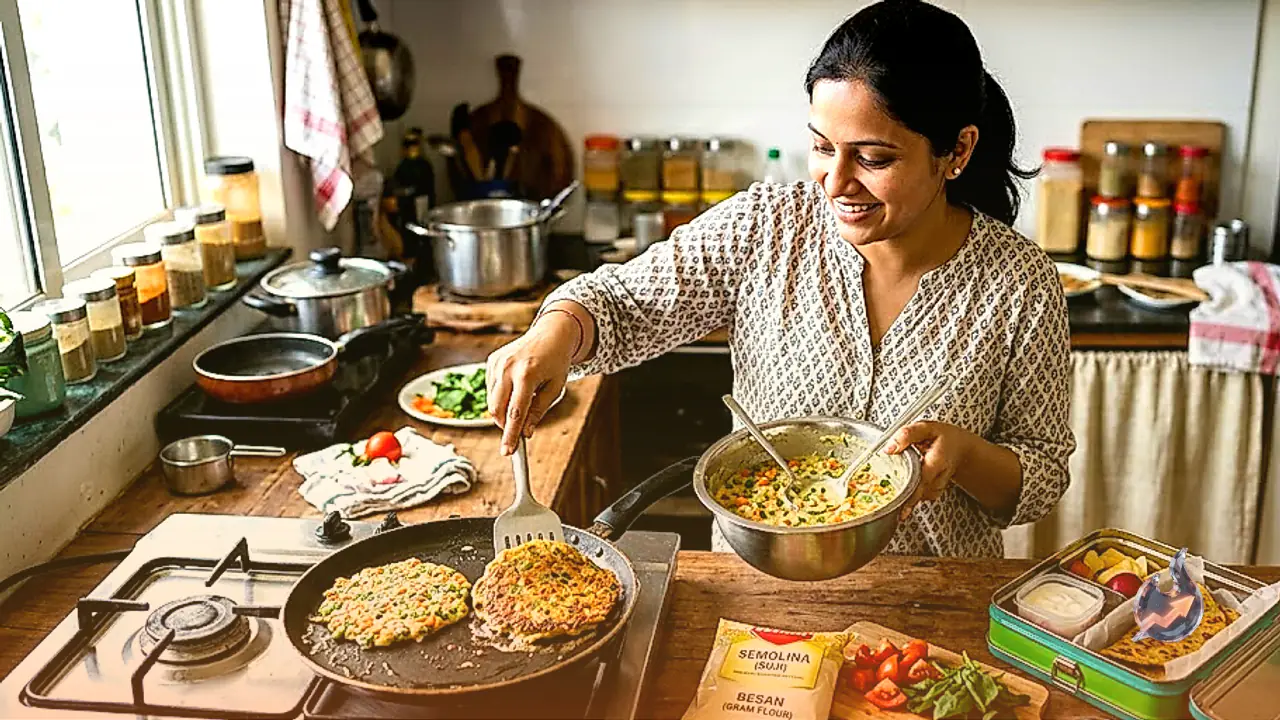



















Finding a morning meal that comes together quickly without sitting heavy on the stomach often feels like a daily chore, especially when repetitive plates of upma or poha lose their appeal. A straightforward pantry combination of semolina and fresh curd offers a practical way out. Combining these everyday ingredients yields a spongy, light dish that is easy on digestion. The recipe relies primarily on steaming rather than deep frying, giving home cooks the flexibility to serve the pieces soft and airy right from the steamer, or lightly toasted on a griddle for a golden, crunchy exterior.
Blending a Smooth and Balanced Batter
The dish begins with preparing a lump-free, well-hydrated base. Measure 1 cup of semolina into a blender jar alongside half a cup of plain curd and half a cup of fresh water. Grind the contents thoroughly until the grains break down into a uniform, silky slurry. Pour this pureed mixture directly into a wide mixing bowl. Because some thick residue typically clings to the blades and walls of the jar, splash in about 1/4 cup of water, swirl it around to catch the leftover batter, and pour it into the same bowl.
Next comes the seasoning, kept subtle so the fermented dairy note shines through. Stir in 1 teaspoon of whole cumin seeds, salt tailored to taste, 1 teaspoon of powdered sugar to balance the tang, and 1 tablespoon of cooking oil. Mix everything thoroughly with a ladle until the seasonings distribute evenly. Cover the bowl and let it rest undisturbed for several minutes. This resting phase allows the dry semolina granules to absorb moisture completely, resulting in a cohesive consistency and a tender final bite.
Activating the Batter with Fruit Salt
To achieve an open, porous structure inside the steamed cake, a leavening agent is introduced just before cooking. Take a flat, rimmed plate or thali and brush its surface with a thin layer of oil to prevent sticking later. Sprinkle half a teaspoon of fruit salt over the rested batter, then pour half a teaspoon of water directly on top of the powder to trigger an instant fizz.
Gently fold the foaming agent through the mixture with slow, steady strokes. Over-beating at this juncture must be avoided, as rough stirring will knock out the trapped gas bubbles and deflate the batter. As soon as the mixture looks evenly aerated, immediately pour it onto the greased plate, smoothing it out so it cooks uniformly.
The Steaming Stage
Prepare the cooking vessel in advance by pouring roughly two glasses of water into a deep wok or pot. Place a metal wire stand in the center and turn on the heat, bringing the water to a rolling boil so the chamber fills with steam. Wearing heat-resistant gloves, set the plate of batter securely onto the stand. Cover the pot with a tight-fitting lid to trap the moisture inside.
Maintain the burner on medium heat and let the mixture steam undisturbed for roughly 15 minutes. Once cooked, the surface will feel set, elastic, and springy. Carefully transfer the plate to a counter and let it cool down slightly. Slicing warm batter can cause tears, but once rested for a few minutes, a sharp knife cuts clean triangular or bite-sized rectangular portions. Those prioritizing zero-oil options can enjoy these steamed pieces straight away alongside coriander or coconut chutney.
Pan-Toasting for Extra Crispness
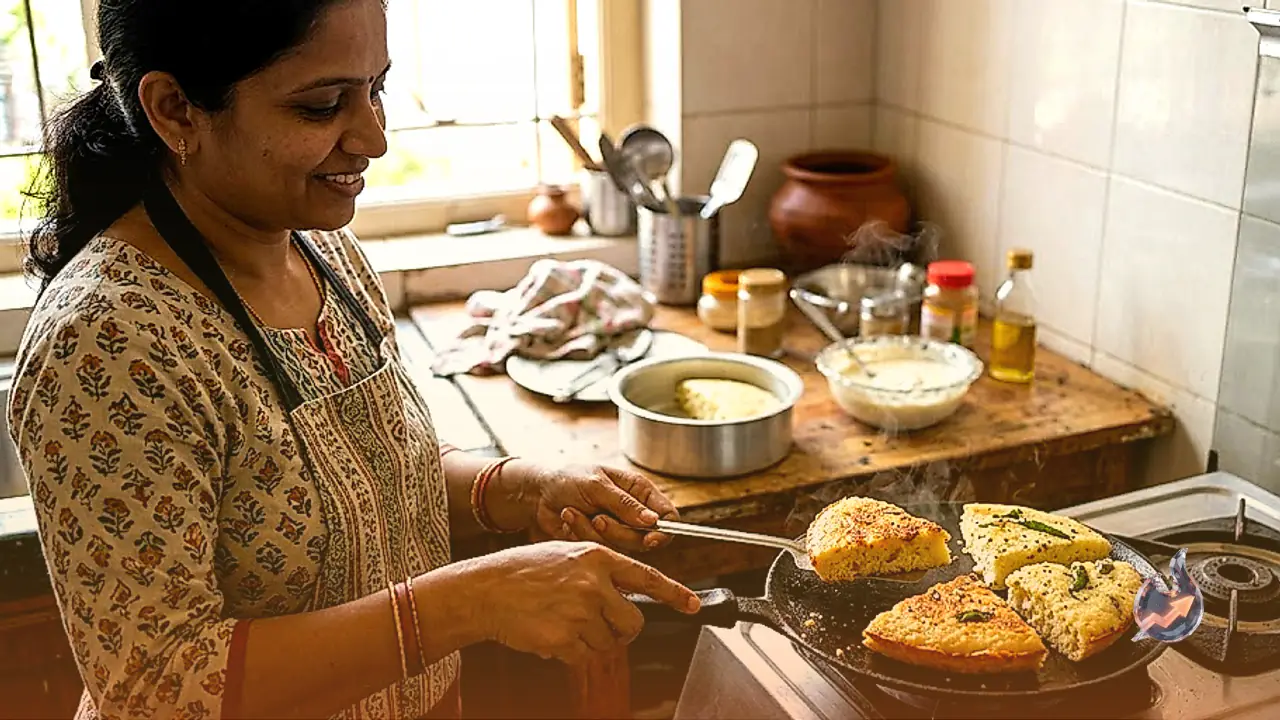
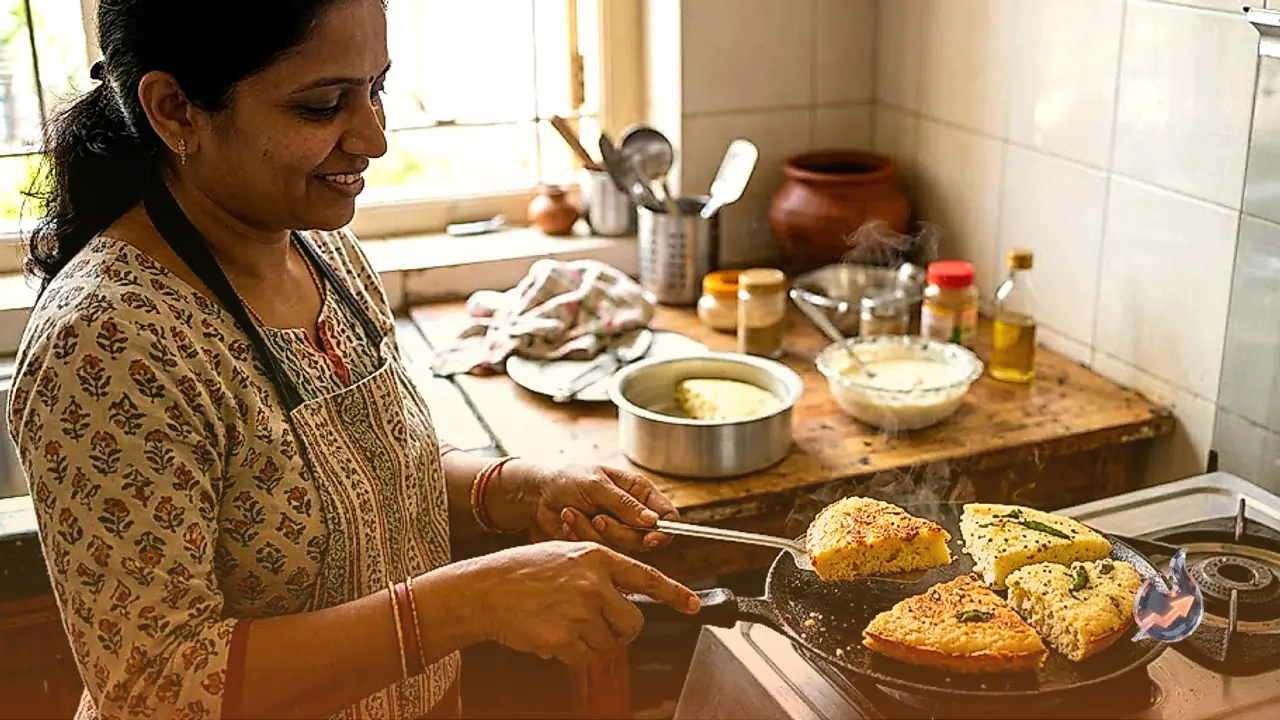
For diners who appreciate a contrast between a crispy shell and a soft interior, a quick turn on a hot pan elevates the dish. Lightly grease a flat griddle or pan with a few drops of oil. Arrange the sliced semolina cakes across the surface and cook over medium heat, flipping them occasionally until both sides develop delicate golden-brown spots.
This quick searing step seals the outer edges without requiring deep frying or heavy oil. The finished snack retains its pillowy softness inside while delivering a satisfying crunch with every bite. Serve them piping hot alongside chilled coconut chutney, zesty tomato relish, or sweet tamarind dip for an easy morning meal the whole family can share.