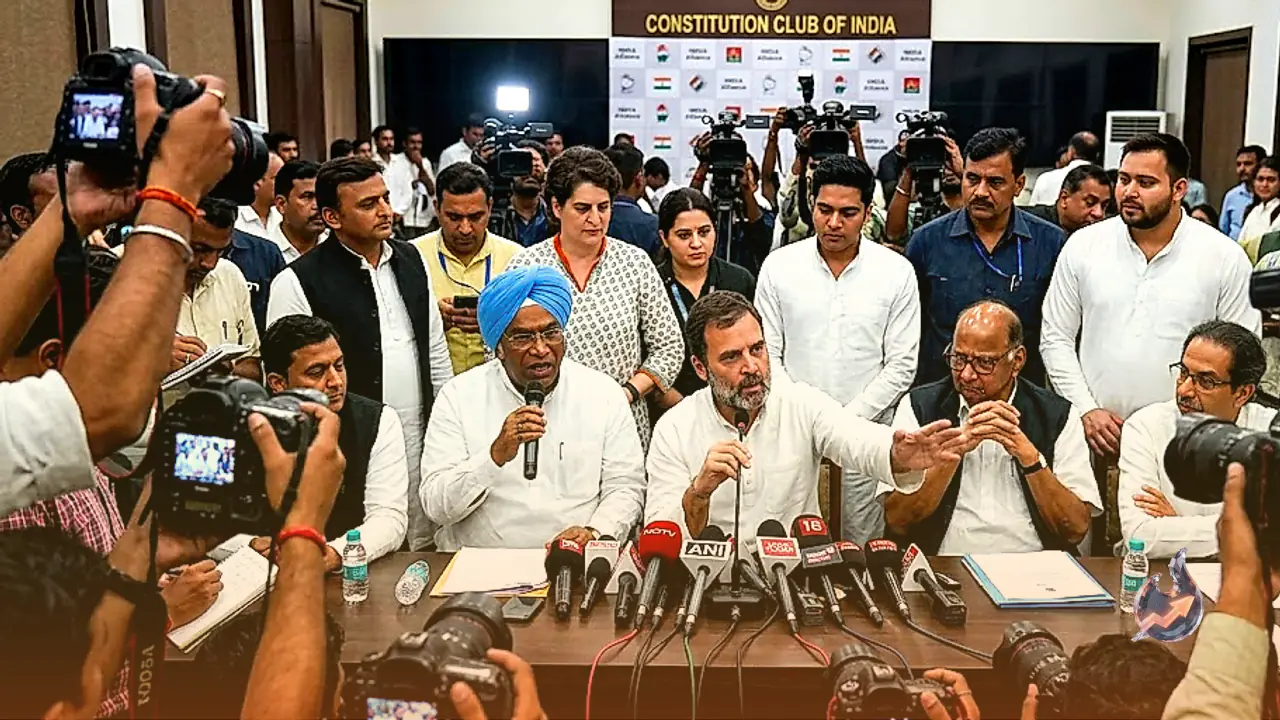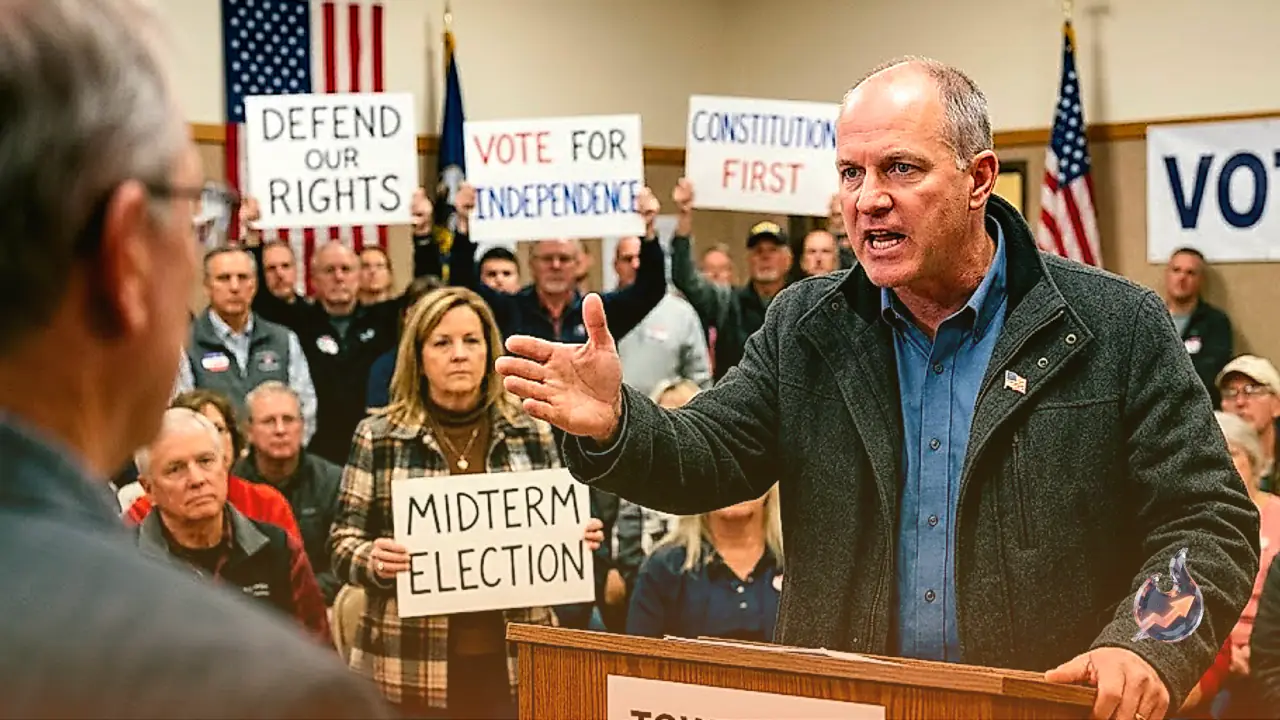





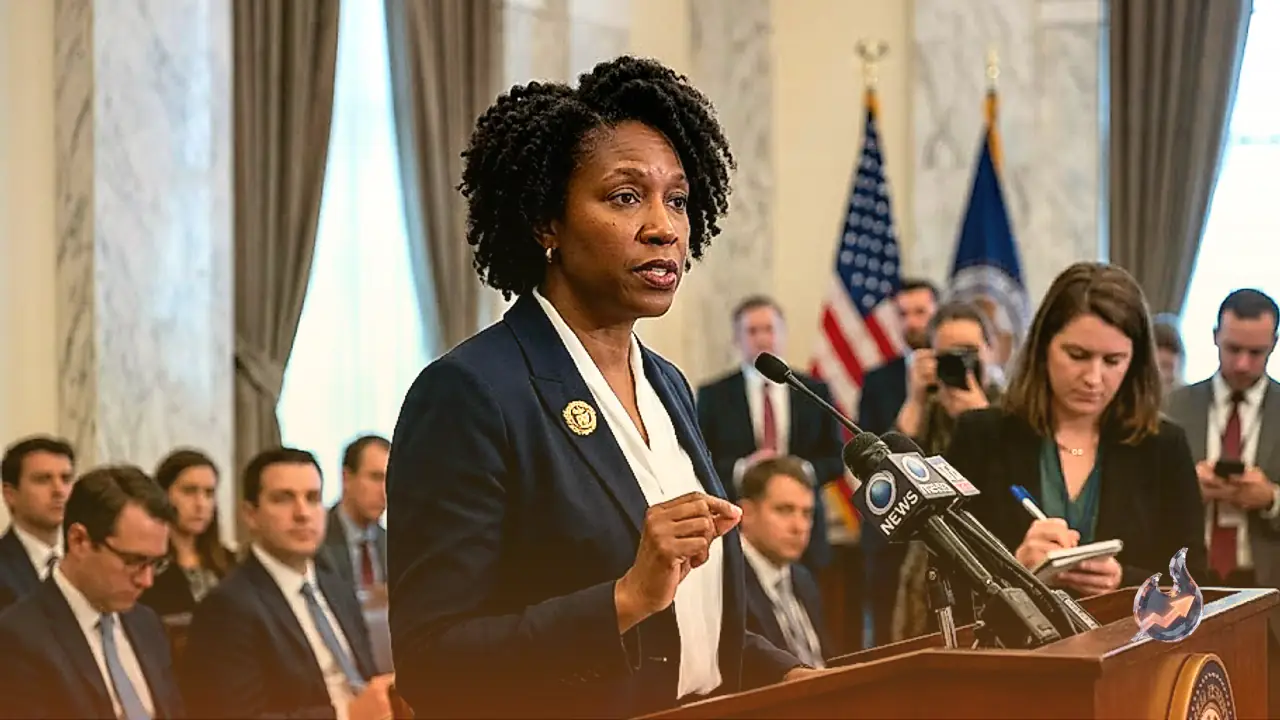

















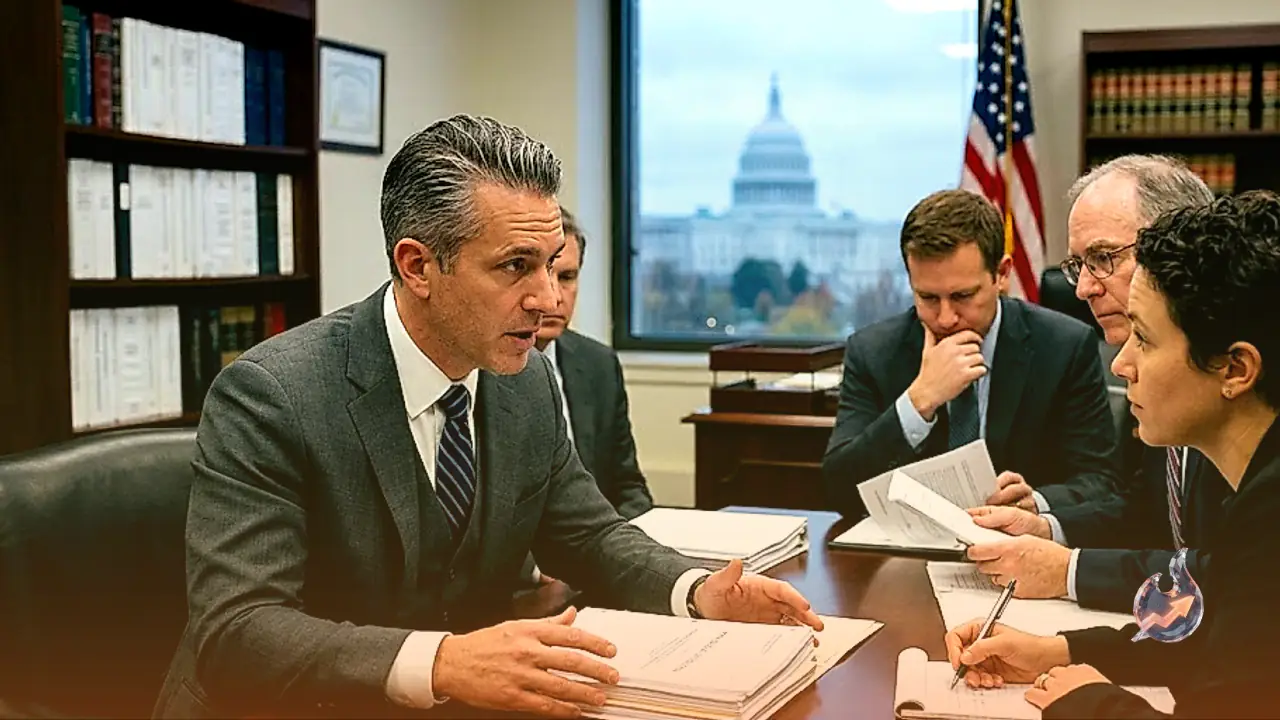

With the midterm elections rapidly approaching, private deliberations across the administration have turned toward the genuine prospect of losing majorities in both the House of Representatives and the Senate. Aides are openly acknowledging that national survey numbers are dismal, forcing high-level planners to confront a total loss of congressional control for the first time this cycle. One seasoned operative, who accurately forecast weeks before the 2024 presidential contest that all battleground states would swing favorably, bluntly characterized the grim outlook by stating that the party is heading toward a severe defeat.
Plunging Approval Numbers and Persistent Kitchen-Table Pressures
The political headwinds facing the incumbent leadership are underscored by public sentiment indicators. A Wall Street Journal poll placed the approval rating at 37 percent, marking the lowest figure recorded for any sitting president entering a midterm vote since tracking began in 1990. While internal campaign data showing narrower deficits in selected House contests has offered some solace to party strategists, the broader national trajectory remains decidedly uphill. Defending the movement's strength, White House spokesperson Davis Ingle emphasized that the MAGA coalition remains unprecedented, framing the contest as a clear decision between a commonsense governing approach and progressive obstructionism.
In an effort to reshape the unfavorable electoral dynamic and re-energize turnout among loyal supporters, strategic focus shifted last month toward securing prominent foreign policy milestones. This initiative accelerated a pact between the United States and Denmark granting expanded authorization for American troops in Greenland, falling short of the territorial acquisition that had previously been floated. Concurrently, an energy agreement concerning Venezuelan petroleum was publicly touted, though its viability is clouded by a clause granting a 100-year production concession that runs directly counter to Venezuela's national hydrocarbons legislation prohibiting such agreements.
While international maneuvering was envisioned as a key pillar to highlight before the vote, everyday economic stresses continue to dominate voter concerns. Households remain intensely focused on elevated expenditures for groceries and transportation fuel. According to AAA, diesel costs surged to record peaks this month, and regular gasoline averaged $4.43 a gallon nationwide. Compounding these economic vulnerabilities, public posture on emerging tech regulation, specifically artificial intelligence rules and the rapid expansion of power-hungry data centers, has diverged significantly from prevailing voter attitudes.
Constructing Legal Firewalls Against Imminent Investigations
Anticipating diminished legislative standing after November 3, internal discussions are dominated by preparations to absorb an immediate wave of congressional subpoenas from emboldened Democrats. Strategy focuses on constructing a multi-layered legal perimeter designed to insulate senior advisers from aggressive committee oversight. The blueprint relies on two central pillars: the assertion of executive privilege over governing communications, and the aggressive application of attorney-client protections to safeguard sensitive staff interactions from disclosure.
The defensive efficacy of attorney-client privilege is expected to carry heightened force when applied to government practitioners, reinforced by the 2024 Supreme Court presidential immunity decision which established that federal courts lack the authority to pierce deliberations central to presidential decision-making. That structural buffer is further reinforced by the extensive integration of former personal defense advocates into top-ranking institutional posts. Attorney General Todd Blanche previously served as personal defense counsel, while the Justice Department's current number-three official, Stanley Woodward, formerly defended key aides and served on the 2024 campaign legal team. Furthermore, former appellate attorney Will Scharf recently transitioned from staff secretary to the influential post of White House counsel, succeeding former counsel David Warrington.
Advisers calculate that these entrenched legal mechanisms can obstruct and prolong oversight inquiries for years. Precedent for this prolonged friction exists from the previous administration, when White House counsel Don McGahn successfully avoided appearing before congressional committees investigating the Mueller probe until well after the presidential term had concluded. While voters will view the November 3 midterms as the close of the political campaign, the defensive battles within the executive branch are poised to escalate immediately thereafter.