



















While world leaders are typically pictured in grand diplomatic banquets, their personal food choices often reveal a completely different, down-to-earth reality. Publicly documented dining episodes of Chinese President Xi Jinping over the years demonstrate a consistent appetite for unpretentious, regional culinary traditions rather than lavish luxury. His public lunches and village visits highlight a clear preference for classic northern flavors and homestyle cooking.
The Famous Everyday Steamed Bun Lunch in Beijing
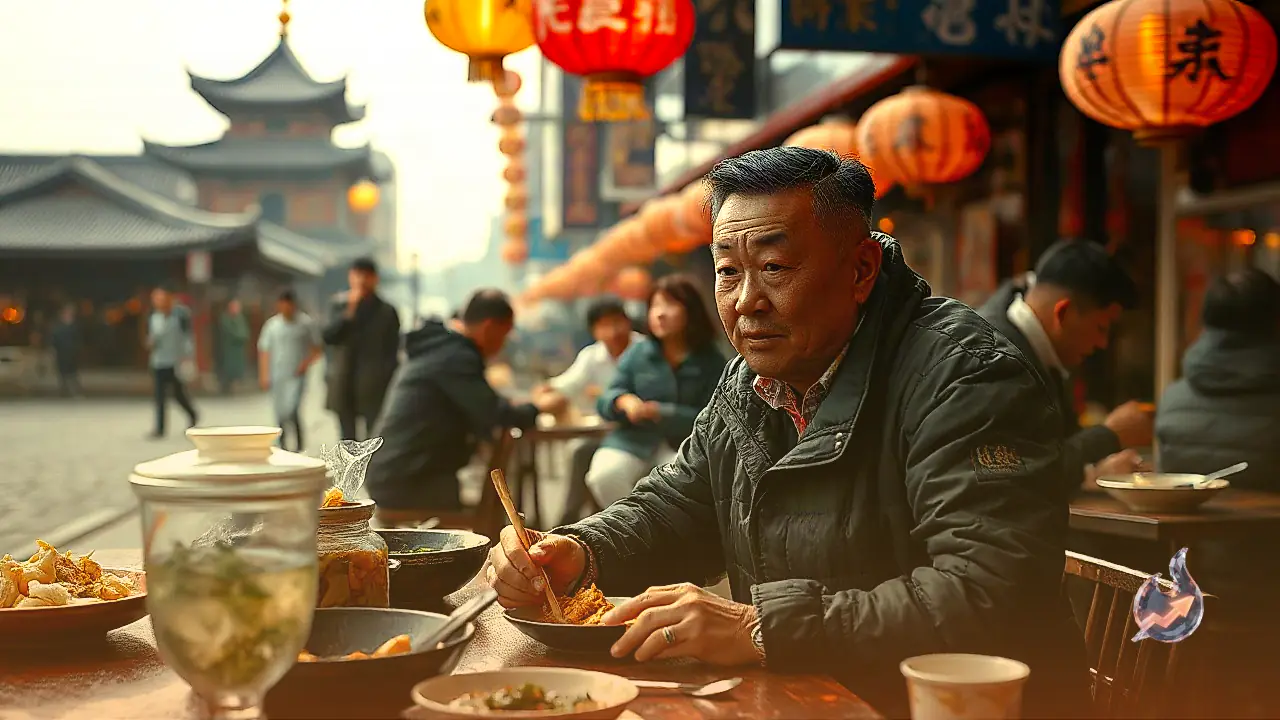
Among the most discussed dining occurrences involving Xi Jinping took place in December 2013, creating significant public interest. He walked into a branch of the Qingfeng Steamed Dumpling Shop located in Beijing without diplomatic fanfare. Rather than receiving special VIP hospitality, he stood in queue alongside ordinary citizens to order his food and sat at a shared table.
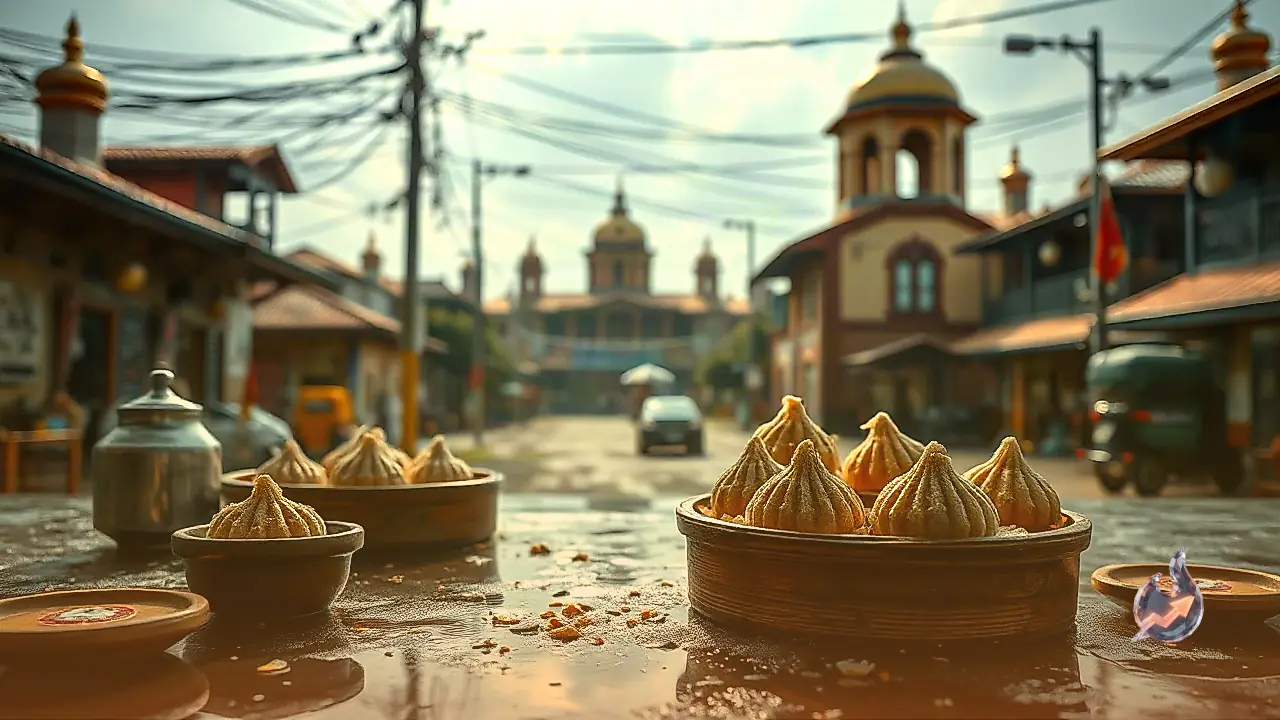
His chosen meal comprised six steamed buns stuffed with pork and scallions, a bowl of stewed pork liver, and a plate of braised mustard greens. The total bill for this lunch was 21 yuan, which translated to roughly 300 Indian rupees at that time. This unscripted public outing showed his affinity for regular street-level staples that everyday urban workers consume across northern China.
Rustic Shaanxi Comfort Food and Military Meals
Homestyle cooking has remained a recurring element during his field visits. When dining with soldiers in 2014, his tray included the ubiquitous scrambled eggs with tomatoes, an everyday staple prepared in homes across China.
His culinary inclination is deeply tied to Shaanxi province in northwest China, where he lived as a sent-down youth in the village of Liangjiahe for several years. Revisiting that very village in 2015, he shared a rustic meal in a local home featuring fermented pickled vegetables, crisp fried snacks, local mutton, chicken, and pumpkin. These preferences mirror the hearty culinary heritage of northern China, celebrated for wheat-based noodles, dense steamed buns, and comforting stews, rooted in his formative rural experiences.
Affection for Traditional Confectionery with Built-in Restraint
Xi Jinping has also acknowledged a lifelong fondness for regional confections, notably a traditional fried sweet called jiangmi tiao. According to a 2017 feature in the People's Daily, he mentioned purchasing jiangmi tiao along with crisp fried paicha snacks whenever major holidays approach.
However, this indulgence is governed by conscious portion control. He remarked that because these snacks are deep-fried and naturally heavy in oil, he avoids eating them on ordinary days and reserves them strictly as occasional treats during festive periods. This pragmatic balance reflects a disciplined lifestyle where nostalgic tastes are enjoyed without becoming an unhealthy daily habit.
Savory Meat Dishes and Abstinence from Alcohol
Documented meals during state inspections also capture his preference for hearty meat preparations alongside fresh greens. During a work inspection to Fuping County in Hebei province back in 2012, his official dinner menu featured braised chicken in rich brown sauce, pork belly cooked with garlic cloves, and a plate of stir-fried green vegetables seasoned with garlic.
The documentation from that inspection specifically highlighted that no alcoholic beverages were served alongside the meal. While these documented occasions do not constitute an exhaustive nutritional blueprint or medical regimen, they consistently portray a leader whose culinary palate stays anchored in the comfort of authentic, everyday Chinese gastronomy.