







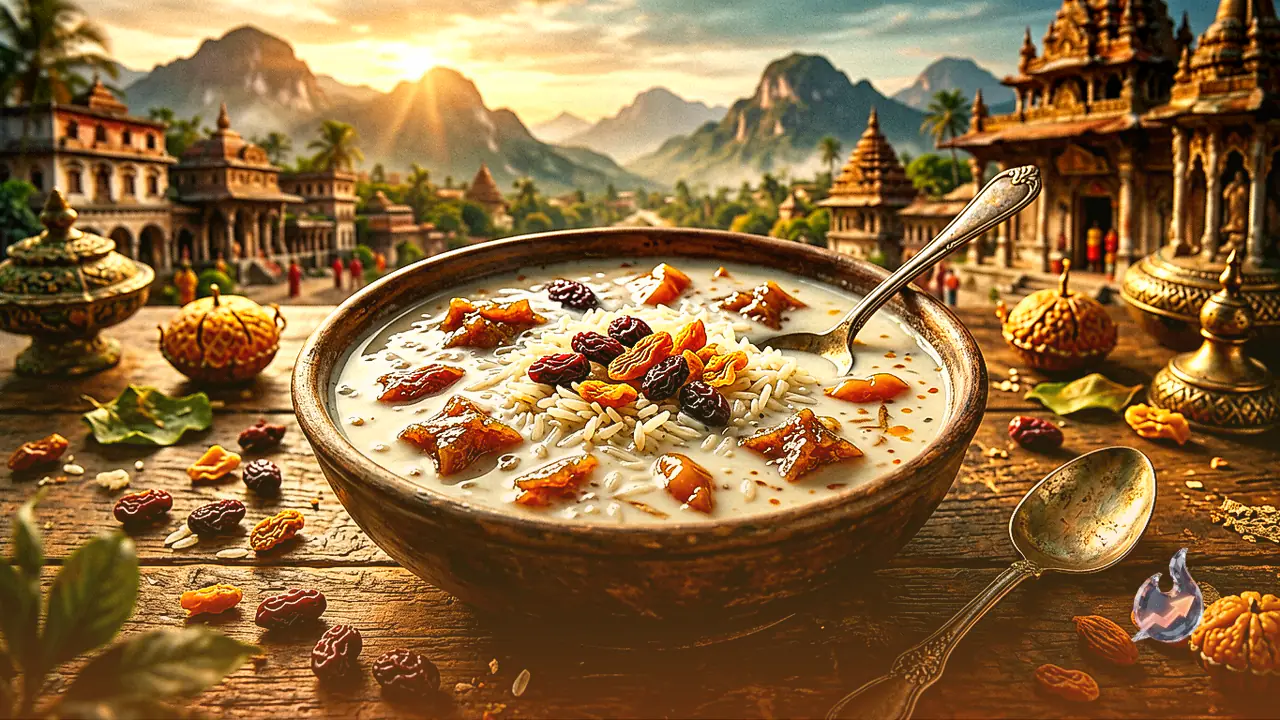















In the rich culinary heritage of South India, whenever an iconic sweet preparation is mentioned, payasam naturally takes center stage. Crafted from a harmonious blend of rice, milk, jaggery or sugar, and aromatic cardamom, this sweet dish may appear deceptively simple at first glance. However, behind this traditional delicacy lies a profound connection to South Indian history, social customs, and sacred rituals. Across states like Kerala, Tamil Nadu, Karnataka, and Andhra Pradesh, preparation techniques may vary, but its presence remains absolutely indispensable during auspicious ceremonies, weddings, and festive occasions.
Historical Roots and Etymological Origins
The term payasam traces its linguistic origins back to the Sanskrit word payas, which literally translates to milk. Since ancient times, this term was utilized to describe rich sweet dishes prepared by thickening milk. As centuries passed, the dish adapted to local languages, available ingredients, and culinary preferences across different southern regions. While known universally as payasam, various specialized iterations carry distinct regional titles. The name represents far more than a single recipe, serving as a broader classification for sacred milk and grain preparations.
Sacred Traditions and Temple Prasadam
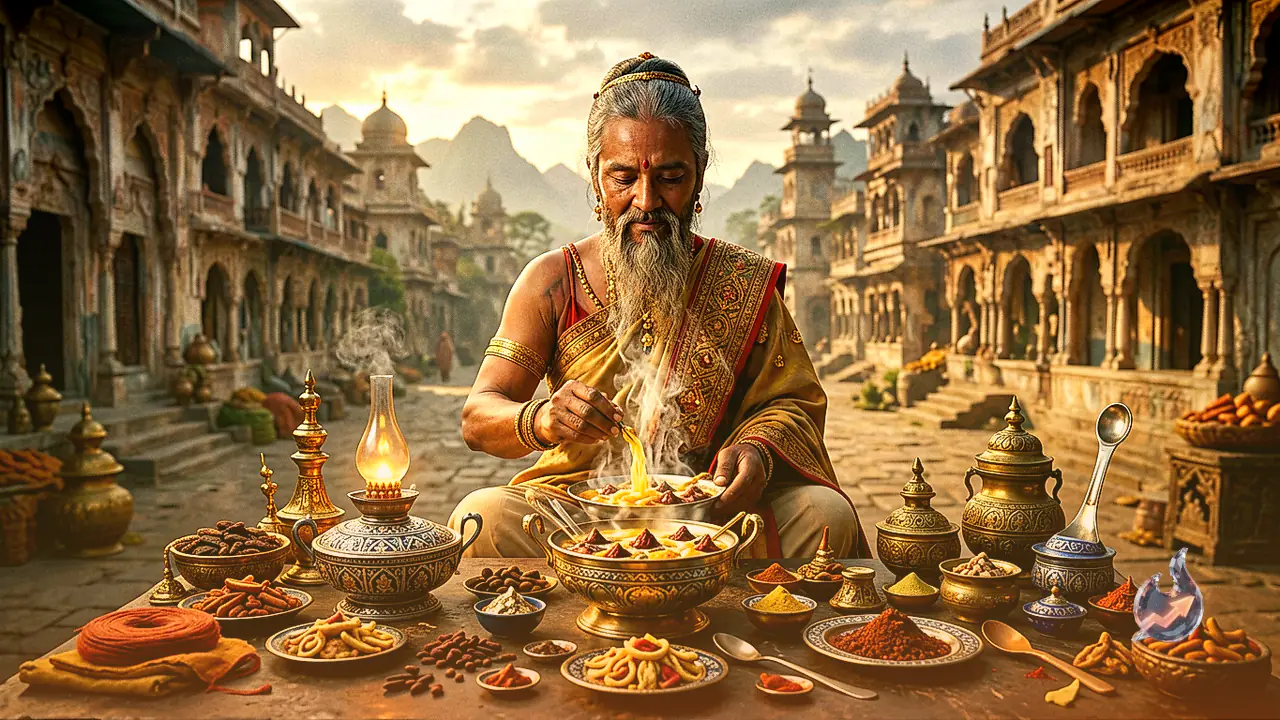
From a spiritual perspective, payasam boasts an exceptionally ancient and revered tradition. In numerous celebrated temples across South India, it is cooked as a primary sanctified offering presented to deities. The famous Paal Payasam offered in the temples of Kerala holds immense devotional significance among pilgrims. Prepared in massive traditional vessels within temple kitchens under strict standards of purity, it is distributed to devotees as divine prasadam. This deep spiritual association elevates payasam beyond an ordinary dessert into a cherished symbol of faith and devotion.
Role in South Indian Weddings and Festive Feasts
South Indian wedding feasts follow structured culinary rules and traditional etiquette. During a grand feast served customarily on a fresh banana leaf, presenting payasam toward the conclusion of the meal is a mandatory tradition. Concluding a elaborate feast with a sweet dish is regarded as highly auspicious. Serving this rich dessert to guests signifies warm hospitality, goodwill, and wishes for future prosperity and sweetness in life. Consequently, no marital feast or ceremonial banquet is considered complete without the inclusion of payasam.
Regional Varieties across Southern States
The true beauty of payasam lies in its remarkable regional diversity, which evolves alongside local agricultural produce. In Kerala, Ada Pradhaman enjoys immense popularity, crafted using steamed rice flakes known as ada, freshly extracted coconut milk, dark jaggery, and clarified butter. Alongside it, the classic Paal Payasam made purely with milk and rice remains a staple. In Karnataka, Shavige Payasa made with fine vermicelli is widely cherished. Furthermore, several regions craft unique variations using split yellow lentils, Bengal gram, or sago pearls, displaying the versatile nature of local ingredients.
Onam Sadya and Cultural Heritage
During major regional festivals such as Onam in Kerala, payasam holds an elevated status within the elaborate feast known as Onam Sadya. A traditional Sadya banquet often features multiple distinct varieties of payasam served in succession. During these festive periods, family members gather to cook and share the delicacy together. This collective preparation and communal dining transform payasam into an enduring emblem of family togetherness and cultural celebration.
Symbol of Hospitality and Culinary Identity
The lasting significance of payasam extends far beyond its delicious taste profile, serving as a window into the agricultural and culinary identity of South India. Utilizing locally sourced staples such as milk, coconut, jaggery, rice, and nuts, the dish highlights recipes preserved meticulously across generations. These centuries-old preparation methods continue to thrive in households and temples today. Thus, in South Indian culture, payasam is cherished not merely as a sweet item, but as a living reflection of hospitality, reverence, and festive joy.