





















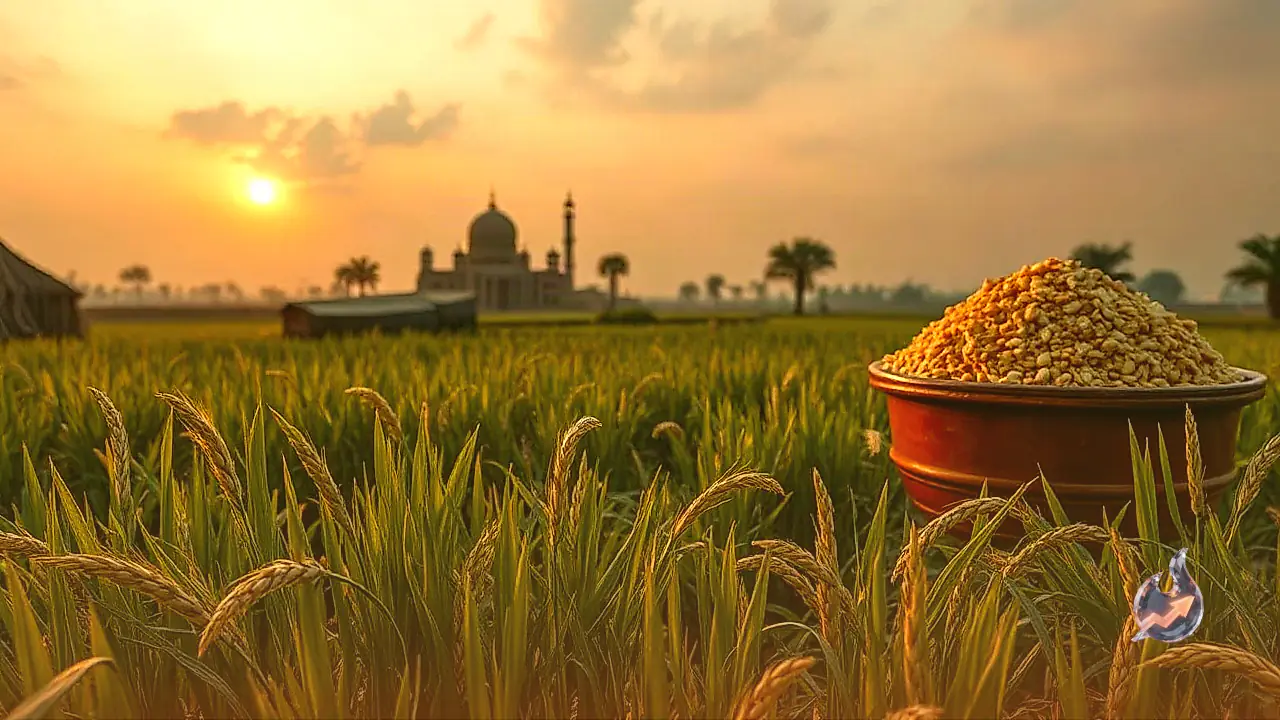

Indigenous rice varieties hold a significant place in India's agricultural legacy and culinary heritage. Among these, Jeerafool rice stands out as a unique traditional grain, widely celebrated for its delicate structure, compact size, and enchanting natural aroma. The grains of this variety are remarkably small and slender, bearing a striking resemblance to cumin seeds, which explains how it earned the name Jeerafool. As it cooks, its fragrant aroma quickly spreads beyond the kitchen into neighboring homes, while the cooked rice retains a delightfully soft texture. Beyond being a staple food, Jeerafool represents the rich farming culture and regional cuisine of Chhattisgarh.
Origins and the Significance of Sarguja
The identity of Jeerafool rice is deeply rooted in the Sarguja region of Chhattisgarh. Farmers across Sarguja and its neighboring districts have been cultivating this traditional crop for generations. The region's unique climate, rich soil composition, and time-honored agricultural practices play a vital role in preserving the grain's distinct flavor and aromatic properties. While limited cultivation occurs in nearby areas, Sarguja remains the primary hub associated with this rice.
To safeguard its heritage and highlight its regional authenticity, Jeerafool rice has been awarded a Geographical Indication (GI) tag. This recognition officially certifies its geographic origin and protects the cultural and economic importance of this traditional grain.
Aromatic Qualities and Culinary Versatility
Unlike long-grain Basmati rice, Jeerafool features noticeably smaller and finer grains. Its defining characteristic is the natural fragrance that begins to waft through the air the moment cooking starts. Owing to its rich taste and aromatic profile, it is a preferred ingredient for many traditional dishes.
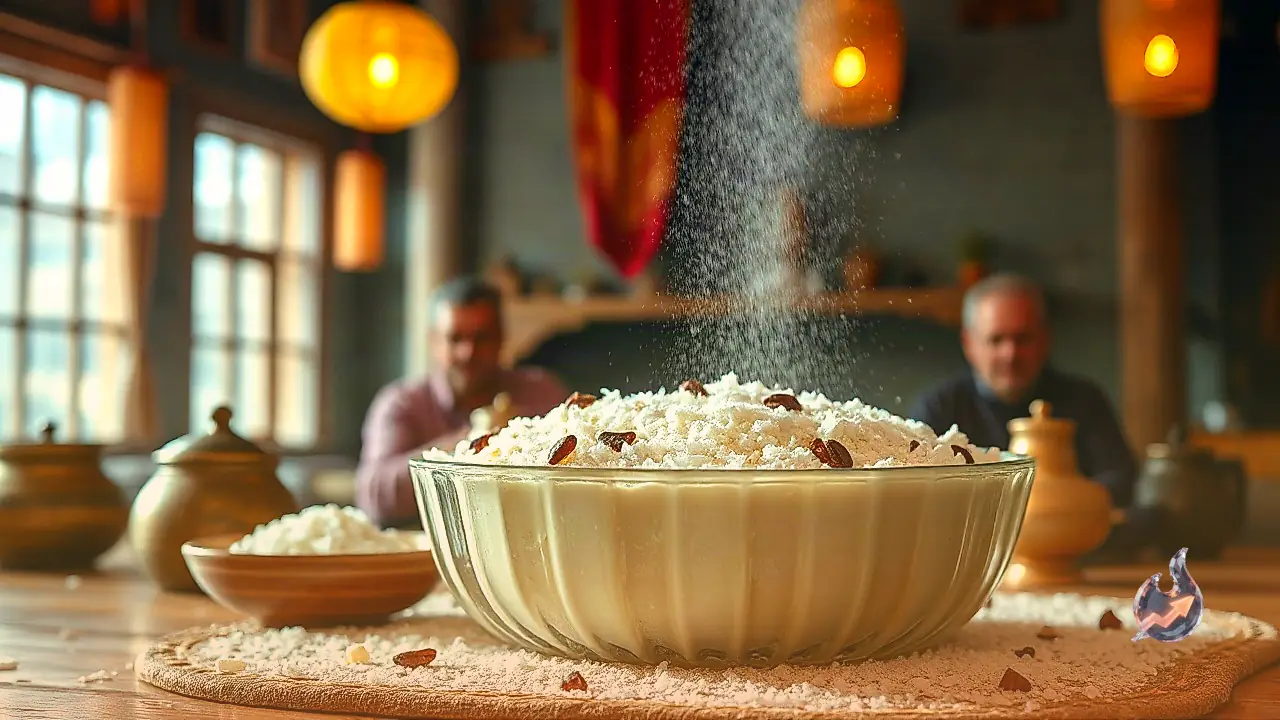
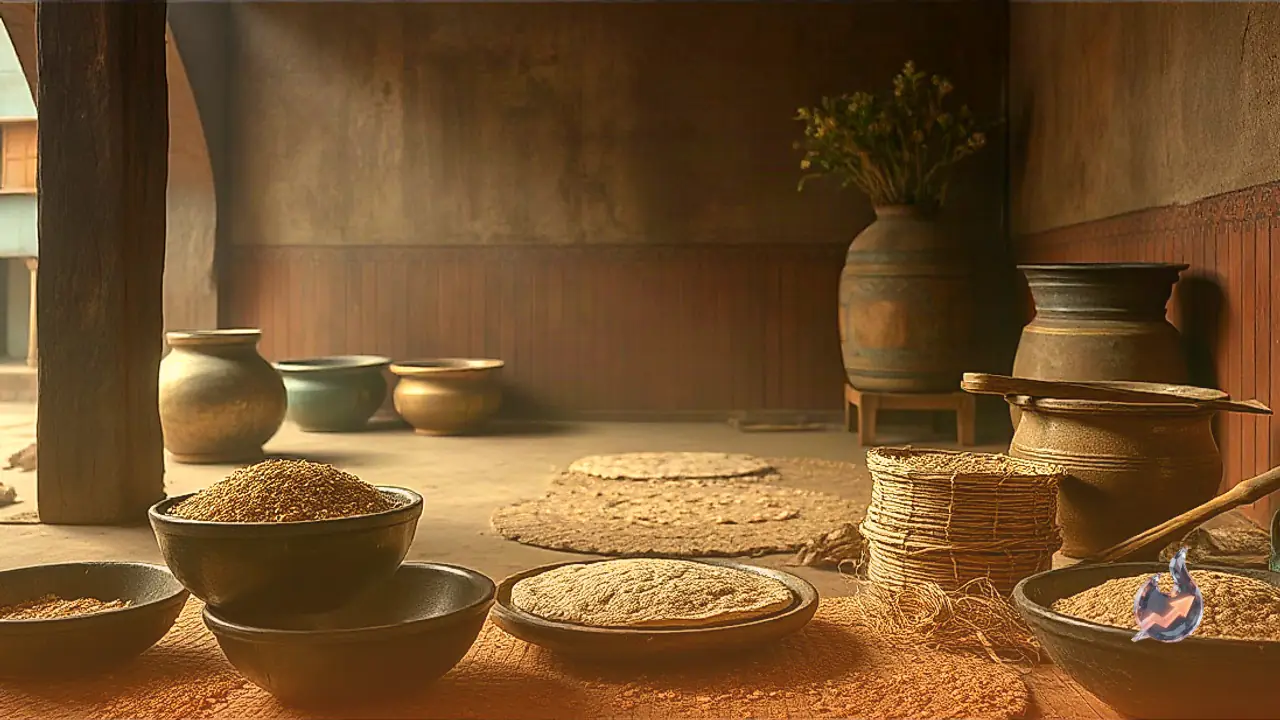
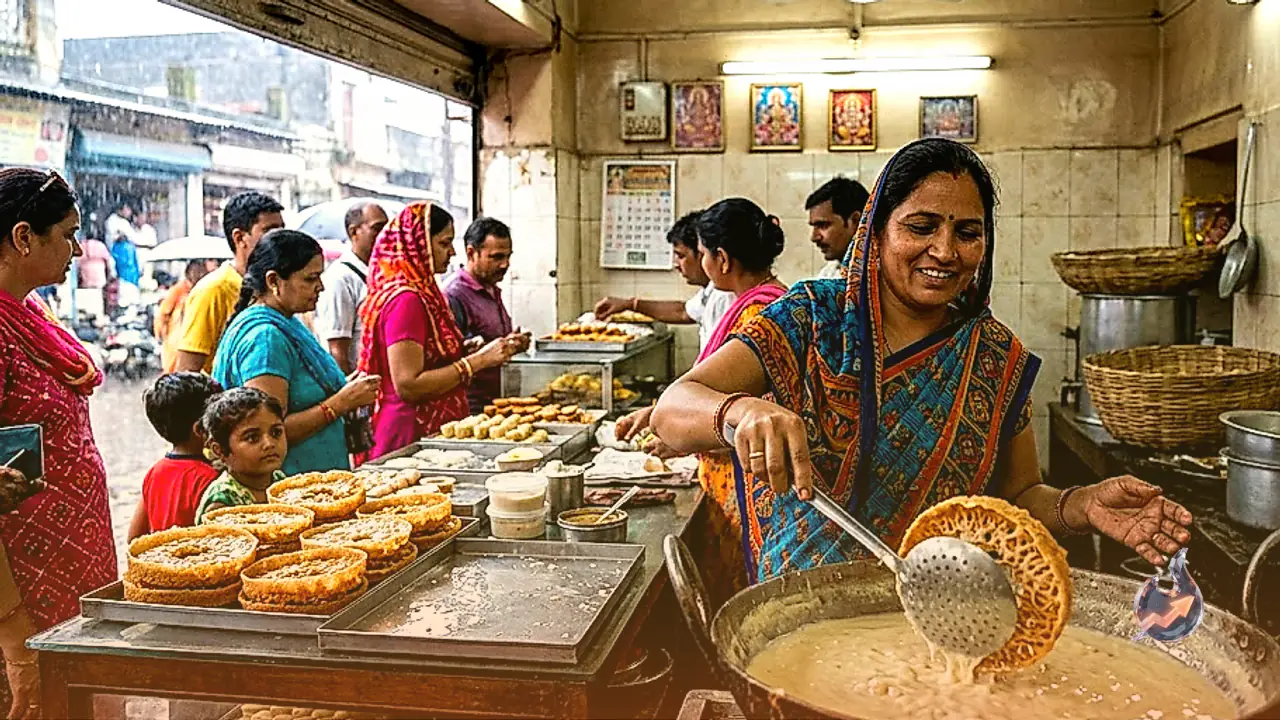
Jeerafool rice is far more versatile than standard steamed rice. In its whole-grain form, it is commonly used to prepare rich desserts like kheer and flavorful savory dishes like pulao. Furthermore, the grains are milled into flour to craft an array of iconic Chhattisgarhi delicacies. Regional specialties such as fara, chausela, anarsa, cheela, and traditional rice breads (chawal ki roti) all rely on Jeerafool flour for their authentic flavor and texture.
Nutritional Profile and Dietary Role
From a nutritional standpoint, Jeerafool should be viewed as a wholesome traditional food rather than a medicinal remedy. Like other rice varieties, it serves as a primary source of carbohydrates, supplying essential energy for daily activities. To build a balanced meal, it is best paired with lentils, fresh vegetables, proteins, and other nutrient-dense foods.
For individuals looking to diversify their everyday diet, incorporating traditional varieties like Jeerafool offers an excellent way to experience authentic regional flavors while maintaining a balanced meal plan.
Factors Influencing Its Higher Market Price
Jeerafool rice often carries a higher price tag compared to mass-market commercial rice. This price difference stems primarily from its restricted geographical cultivation zone. Additionally, there is strong demand for this variety among consumers who prioritize natural, traditional, and heritage foods. The combination of limited supply and dedicated consumer demand naturally drives up its market value.