





















A coordinated evacuation of civilians has commenced in the Russian-occupied Ukrainian city of Oleshky, officials from both Moscow and Kyiv have confirmed. The humanitarian passage was unlocked following the implementation of a frontline-wide truce across the Kherson region that began on Tuesday. Brokered through the intervention of US First Lady Melania Trump, the cessation of hostilities created the necessary calm for demining teams to clear the primary transit route leaving the settlement.
Evacuation Schedule and Logistic Arrangements
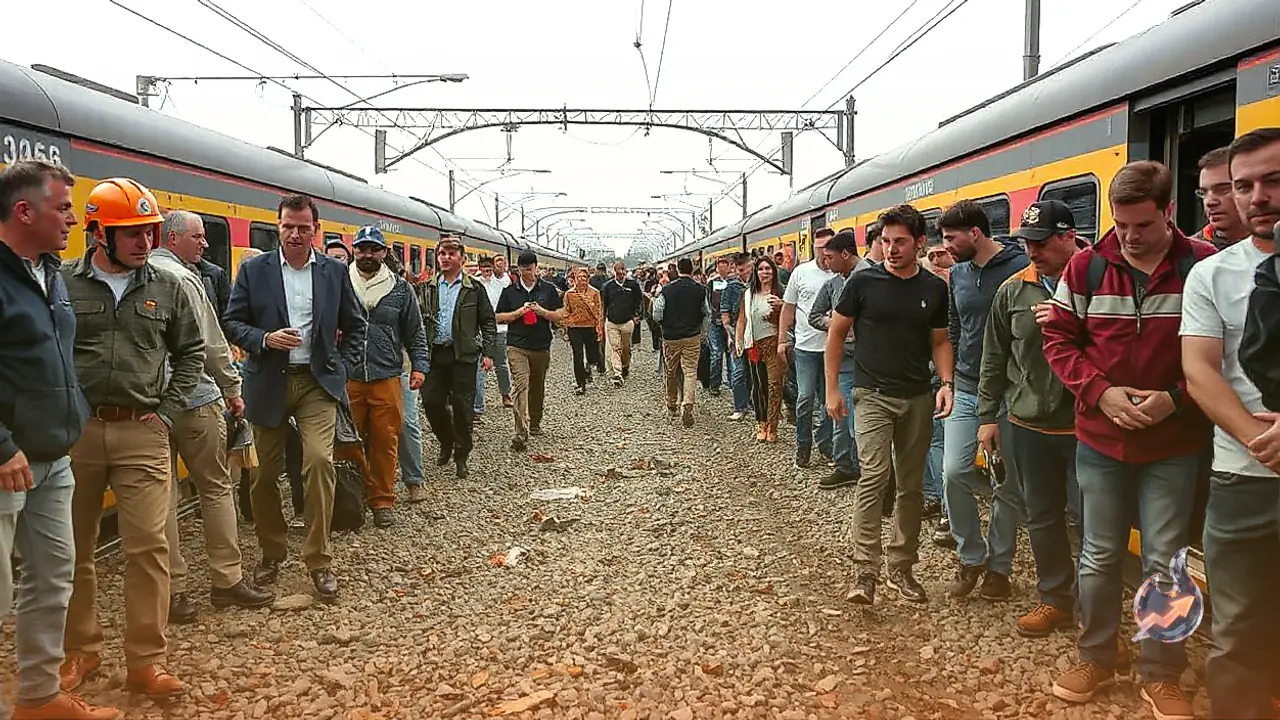
A strictly defined four-hour window was allocated for residents wishing to depart the devastated settlement. Authorities arranged a motorcade consisting of 25 buses designed to transport up to 750 individuals before the passage deadline at 14:00 (12:00 GMT). In addition to standard passenger vehicles, specialized ambulances were integrated into the convoy to safely accommodate people facing mobility restrictions and requiring direct medical supervision during travel.
Despite widespread physical ruins and a total collapse of civic infrastructure, including the complete absence of electrical power, municipal gas lines, and running tap water, several hundred citizens elected to remain inside the municipality rather than board the transport vehicles.
Dual Transit Routes and International Routing
Ukraine's human rights ombudsman Dmytro Lubinets stated that everyone seeking to leave Oleshky will receive safe passage, while emphasizing that individuals choosing to remain in their homes will continue to receive all required humanitarian relief supplies. Although Ukrainian-held positions sit merely 5km (3.1 miles) away across the frontline, departing residents are unable to cross directly over the immediate boundary line.
Under the established transit arrangement, evacuees bound for Ukraine must first travel eastward through occupied territory toward the southern Russian coastal city of Anapa. From there, passengers are slated to board an official Russian state transport aircraft flying to Gomel in Belarus. The final leg of the journey entails crossing by road into Ukraine's northern Chernihiv region. Concurrently, a segment of the departing population is anticipated to settle within Russian-controlled regions.
High-Level Officials Coordinate on the Ground
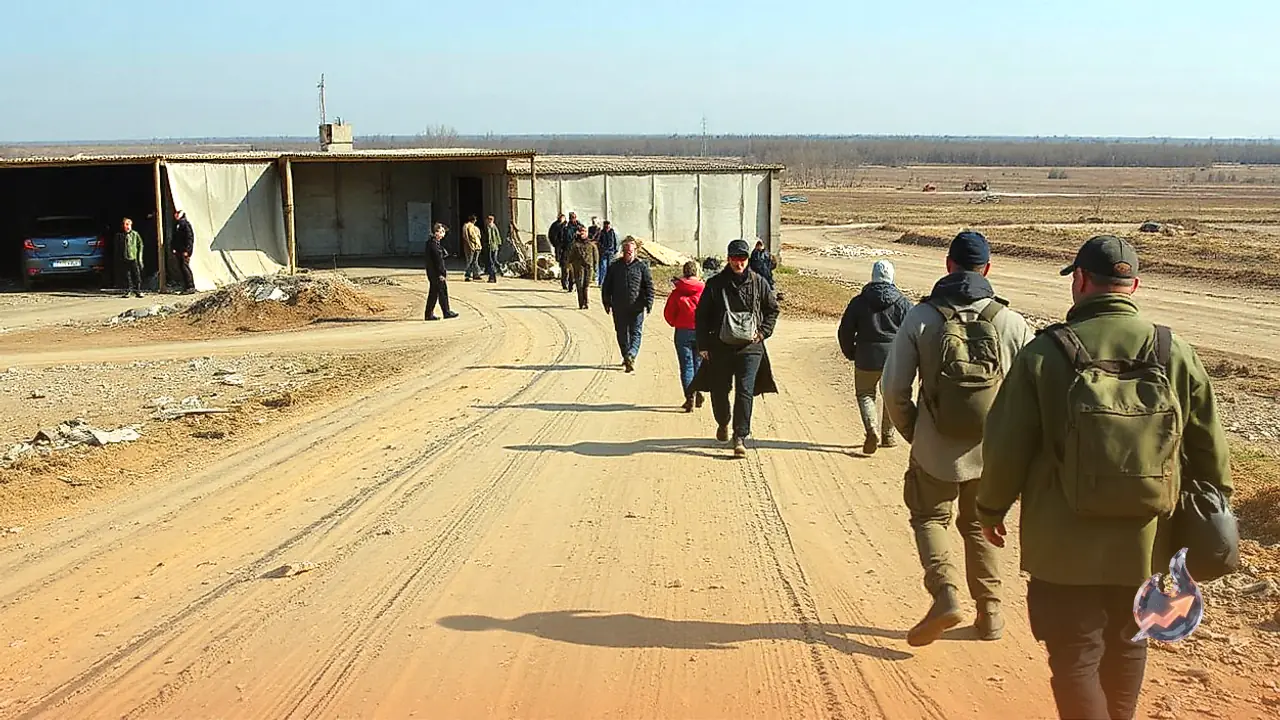
Facilitating the logistical corridor brought Dmytro Lubinets and Russian representative Yana Lantratova together in Oleshky on Friday. Their joint itinerary began with an overland journey originating from Armiansk, located on the Crimean peninsula. This milestone visit marks the first time an active Ukrainian government official has entered occupied territory since the full-scale hostilities commenced, and Lubinets will additionally become the first Ukrainian representative to travel into Russia when accompanying the returnees on Saturday.
Lubinets defended the sensitive operational alignment with Lantratova as an unavoidable necessity undertaken strictly to preserve civilian lives. Within Ukraine, however, public reaction has included sharp discomfort regarding the visual of a state official standing directly beside an emissary of the occupation apparatus that has inflicted severe casualties and hardship upon Oleshky's population.
On-Site Humanitarian Conditions and Aid Shipments
Both officials published video dispatches from the ground across their social media platforms, documenting how local residents were sorted into two distinct contingents based on whether their chosen destination was sovereign Ukrainian territory or Russian-administered zones. Footage recorded Lubinets conversing directly with emotional citizens, noting that a significant number of residents were refusing to depart. He acknowledged that staying was their personal prerogative and pledged that every logistical channel would be mobilized to guarantee the delivery of humanitarian provisions.
Russian authorities reported on Thursday that logistics depots had amassed dozens of tonnes of supplies tailored for the population staying behind. The consignment includes staple food rations, pharmaceuticals, personal sanitation items, and auxiliary generator fuel intended to maintain local community survival.
Family Separations and Local Hardships
Personal dilemmas have heavily shaped the decisions of those remaining behind. One local woman explained that she refused evacuation because emergency personnel would not permit her domestic animals to accompany her on the buses. Another former resident named Olena, who currently resides in Kyiv, stated that her grandmother and extended household chose to stay in Oleshky, noting that older generations are exceptionally reluctant to abandon their ancestral properties. Olena managed to convince only her father to board the convoy, motivated by his wish to meet his newly born grandchild.
Recalling the extreme trauma experienced by the community, Olena recounted how her grandmother's sister lost her life during the previous winter after triggering a snow-concealed landmine. Lacking operational vehicles, neighbors had to place her in a common garden wheelbarrow to reach medical personnel. According to Olena, garden wheelbarrows serve as the universal method used by surviving residents to transport both the injured and the deceased to local clinics and the city morgue.
Ceasefire Duration and Strategic Repercussions
The operative truce is scheduled to remain in effect through the close of Sunday 1 November, marking the first sustained period of tranquility across the Kherson frontline since Russia launched its full-scale offensive in February 2022. While Kherson inhabitants expressed immense relief over the silence of heavy weaponry, strong apprehensions persist that Russian forces are utilizing the pause to assemble troop detachments and fortify hardware on the Dnipro river banks, potentially setting the stage for renewed combat operations once the deadline lapses.
On Friday, Kremlin authorities explicitly cautioned that the successful execution of the Oleshky evacuation corridor must not be construed as any indication of Russian readiness to broaden the truce across remaining frontline sectors. Moscow invited a limited pool of international correspondents to document the departure, seeking to portray the undertaking as a benevolent humanitarian initiative. Many observers in Ukraine, however, view the initiative as a calibrated diplomatic bid by Moscow to cultivate goodwill with the White House and bolster US President Donald Trump ahead of imminent midterm elections.