




















The arrival of the rainy season transforms the landscape of Chhattisgarh, bringing a vibrant layer of fresh greenery across the state. Alongside this natural beauty comes a rich culinary tradition deeply rooted in the local culture. In the Balod district and surrounding regions, the monsoon signals the perfect time to prepare a beloved regional delicacy known locally as Idhar. This unique curry ingeniously combines fresh colocasia leaves, often called Kochai Paan, with a hearty urad dal base. It stands as a prime testament to the state's vibrant food heritage, offering a taste experience that is both complex and incredibly satisfying.
A Deeply Rooted Culinary Tradition
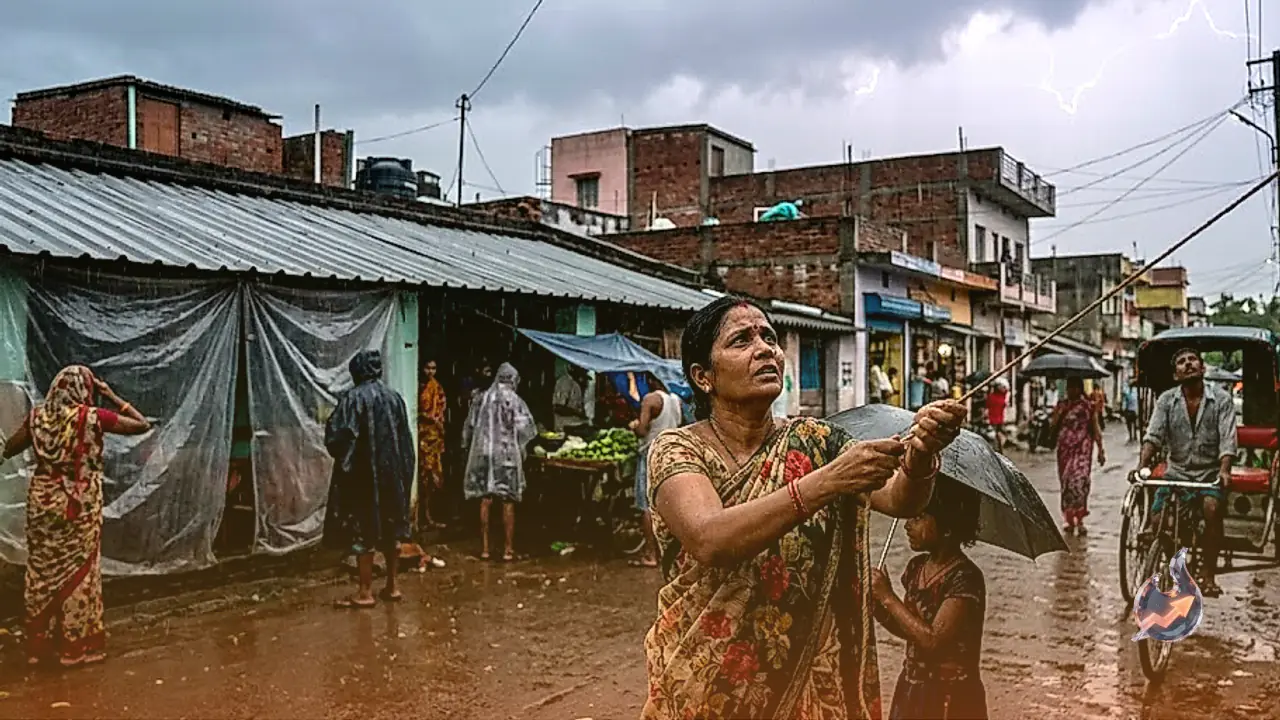
Local homemaker Annu Nayak shares that this special preparation holds a highly significant place in the cultural and gastronomic fabric of Chhattisgarh. While it is considered a mandatory addition to the menu during special occasions and festivals, it is also savored with immense enthusiasm on regular rainy days. The secret behind its enduring popularity lies in the precise method of its preparation. When cooked following the authentic regional steps, the flavors strongly appeal to everyone who tries it. The monsoon season is particularly associated with this dish because the primary ingredient, fresh colocasia leaves, grows abundantly and is easily available during these wet months.
Mastering The Lentil Foundation
The foundation of a perfect Idhar lies in the careful preparation of the lentil paste. The process begins by taking good quality urad dal and soaking it in clean water for a period of 4 to 6 hours. This extended soaking time is absolutely crucial for softening the lentils. Once properly hydrated, the water is drained, and the dal is ground into a thick, fine paste using traditional or modern grinders. The most critical step follows the grinding process. The thick paste must be whipped and beaten vigorously by hand. This continuous whisking incorporates air into the mixture, making it exceptionally light, airy, and soft. Achieving this fluffy consistency is vital, as it directly determines the final texture and taste of the dish.
The Craft Of Rolling And Searing
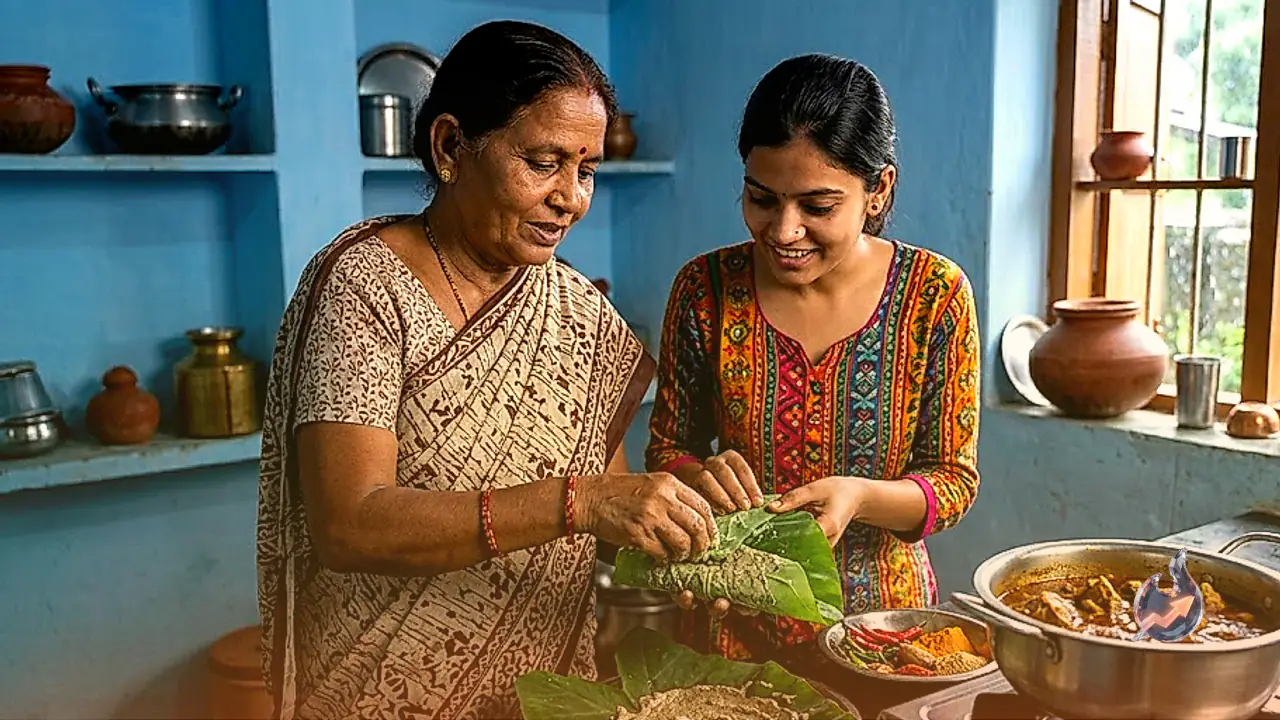
With the lentil paste ready, attention turns to the colocasia leaves. Large, unblemished leaves are thoroughly washed to remove any dirt and then left to dry completely. The preparation involves laying the leaf flat and applying a generous, even layer of the whipped urad dal paste across the entire back surface, ensuring no part is left empty. Once coated, the leaf is carefully rolled into a tight, secure cylindrical shape. A griddle or tawa is then heated on the stove with a small amount of oil. The rolled leaf is placed on the hot surface and gently roasted or shallow fried. It is turned continuously on a low flame until all sides develop a beautiful, light golden color. After the roll has cooled down completely, a sharp knife is used to slice it into small, neat round pieces.
Creating The Signature Tangy Gravy
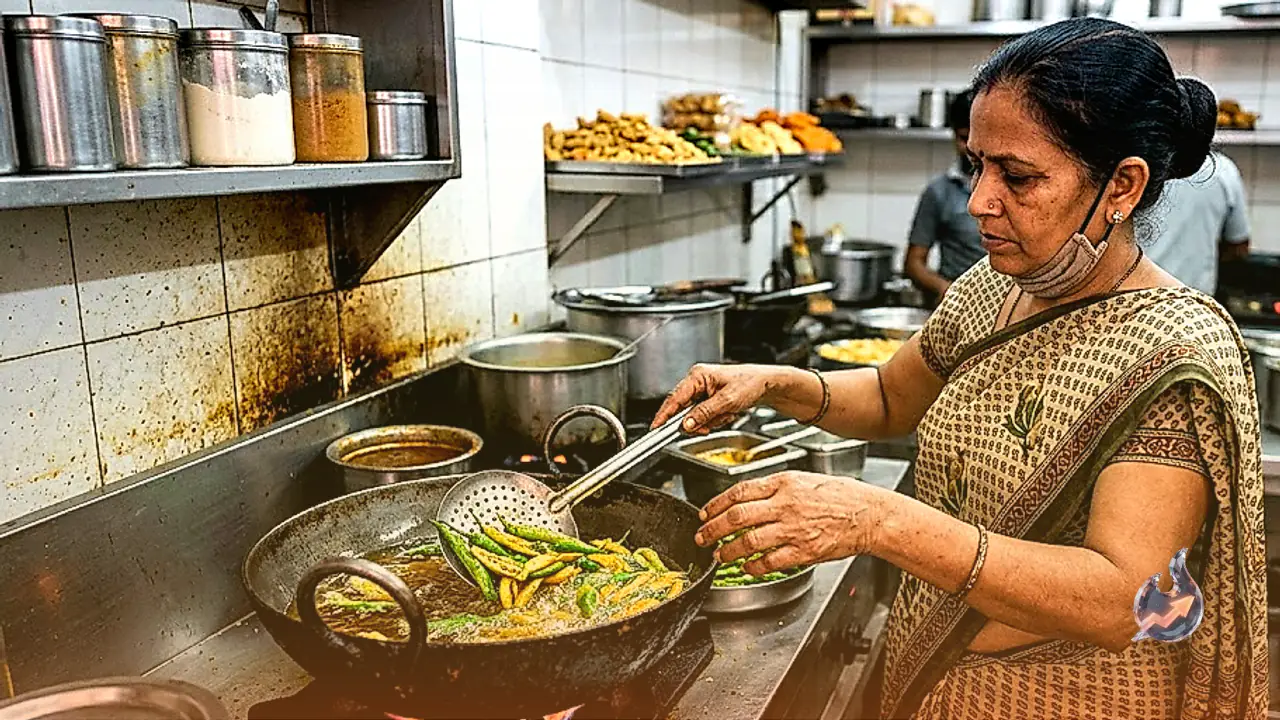
The true magic of the dish emerges when crafting the rich, flavorful gravy. The cooking process starts by heating oil in a heavy-bottomed wok or kadhai. A crackling temper of mustard seeds is added first, instantly releasing a strong traditional aroma. This is quickly followed by the addition of finely chopped garlic, fresh green chilies, and a smooth peanut paste. This aromatic mixture is sautéed perfectly until the raw smell disappears. Following this, turmeric, salt according to personal taste, and an array of standard household spices are blended into the wok. To build the gravy's thick body, 3 to 4 chopped tomatoes are introduced. To elevate the flavor profile and introduce a distinctive tartness, a piece of dried mango is also tossed into the pan.
Simmering To Perfection
The gravy base requires patience and slow cooking. The tomatoes must be cooked until they completely melt and merge with the spices, forming a homogenous masala base. Once the oil begins to separate, hot water is poured into the wok according to the desired thickness of the final curry. The liquid is brought to a gentle boil. At this crucial stage, the previously prepared and sliced Idhar rounds are gently dropped into the bubbling gravy. The wok is covered, and the heat is reduced. The dish is left to simmer undisturbed for about 10 minutes on a low flame. This slow simmering process allows the spicy, tangy notes of the gravy to penetrate deeply into the lentil and leaf rounds.
A Meal That Connects Generations
After the final simmer, the traditional and highly delectable Chhattisgarhi curry is ready to be served. It is best enjoyed steaming hot, accompanied by a simple plate of plain rice or standard wheat rotis. For a truly rustic and authentic village-style meal, it pairs exceptionally well with flatbreads made from jowar or bajra. Despite the heavy influx of modern fast food, this traditional preparation remains incredibly popular among the local populace in Balod and beyond. Interestingly, the younger generation is also eagerly embracing these heritage flavors instead of dining out. For anyone looking to experiment with traditional regional cooking during the rainy season, this unique colocasia leaf preparation promises to elevate the dining experience significantly.