


















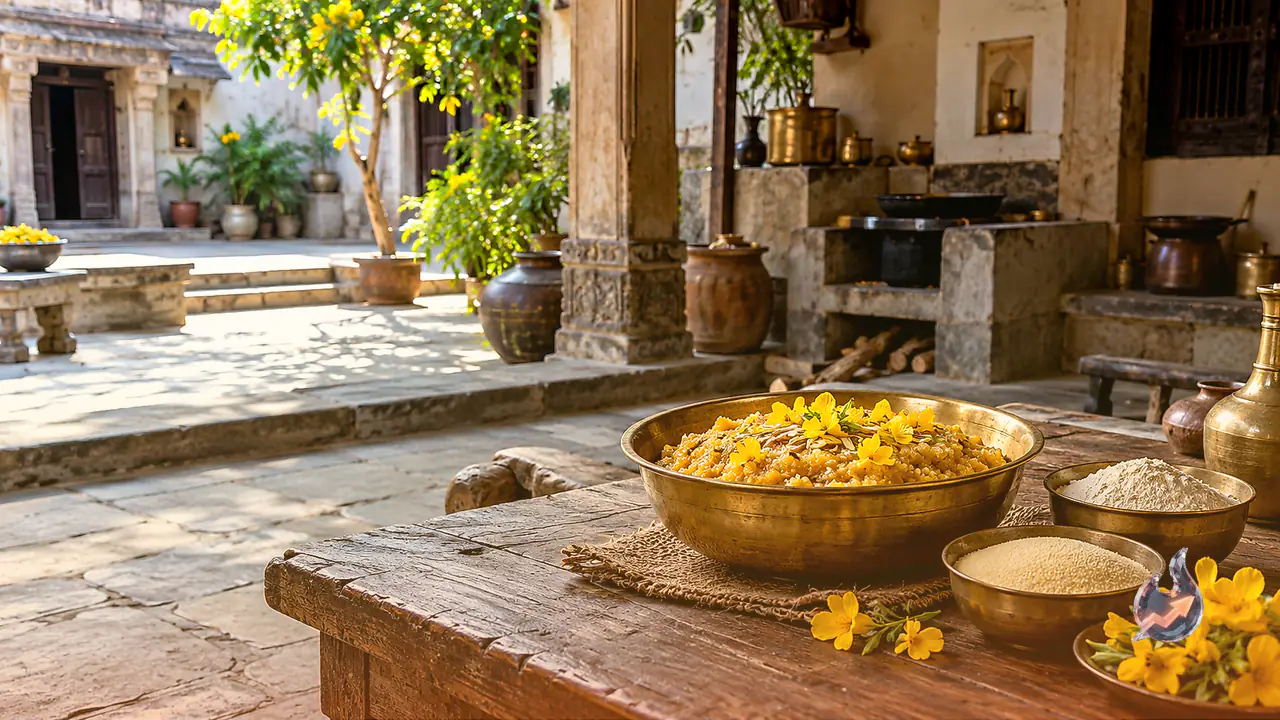

Indian culinary heritage hides countless traditional recipes that remain unfamiliar to most food enthusiasts. Sunn Hemp flower halwa stands out as one such rare and unique dish. While the Sunn Hemp plant is primarily recognized in agriculture for enhancing soil fertility, its delicate blossoms are utilized in cooking across select regions. The defining characteristic of this floral dessert lies in its traditional preparation style, although specific methods and regional consumption customs can vary considerably.
Essential Ingredients For The Halwa
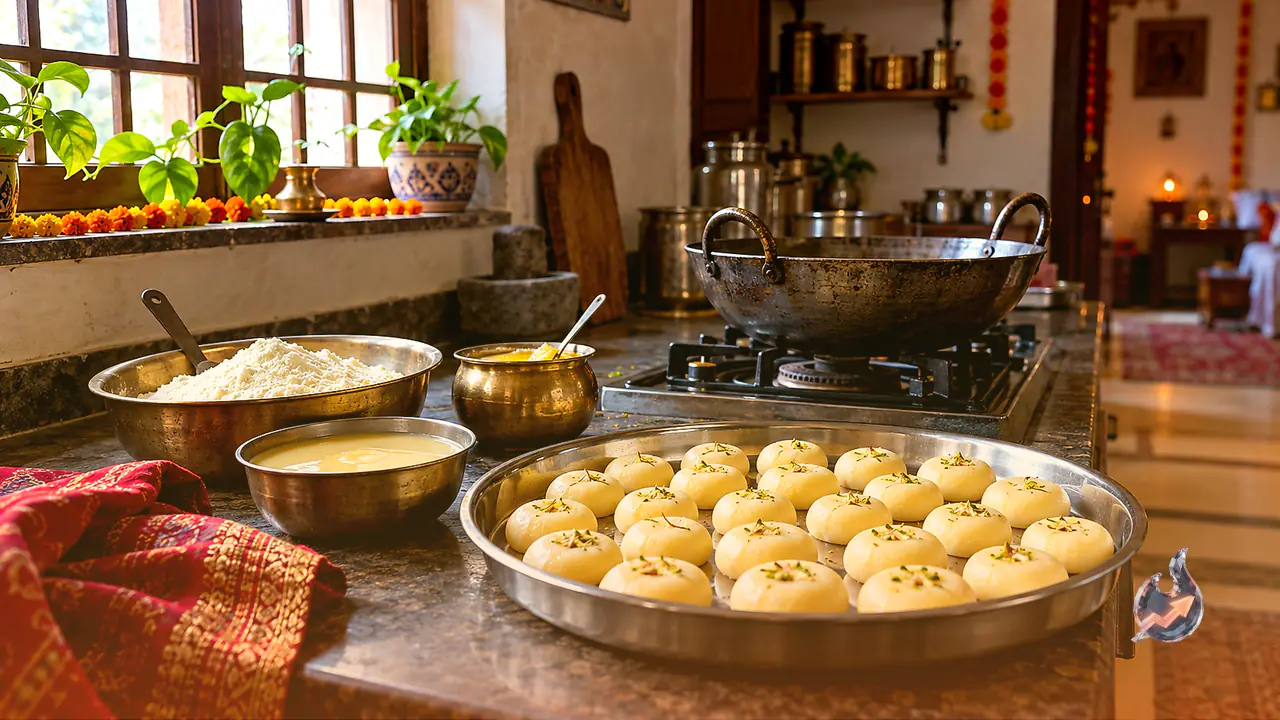
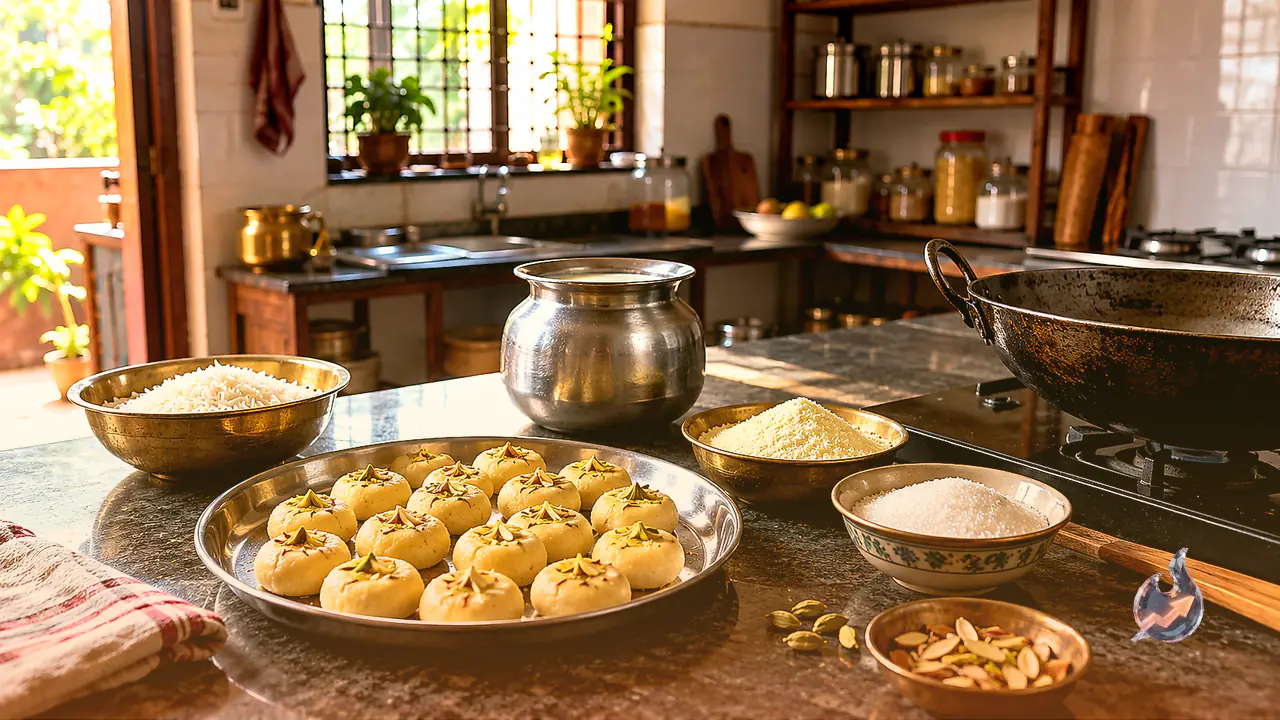
Creating this unusual dessert requires fresh Sunn Hemp flowers, pure ghee, sugar or jaggery, milk or water, and cardamom for flavoring. Cooks may also incorporate dry fruits such as cashews, almonds, and raisins according to personal preference. The most critical requirement is ensuring proper identification of the blossoms to confirm they are safe for consumption. Individuals should never harvest and cook wild flowers based solely on a plant name without verifying their edible nature.
Step-By-Step Preparation Method
The cooking process begins by thoroughly cleaning the blossoms to eliminate any accumulated dust, dirt, or foreign particles. Following this initial cleaning, the flowers must be washed carefully in clean water. Before applying heat, cooks must verify that the ingredients are entirely safe and that the preparation steps are well understood. A small amount of ghee is heated in a pan, and the prepared blossoms are added to cook over a gentle flame. The exact cooking duration and whether the ingredients require straining or grinding depend entirely on the traditional recipe being followed.
Finalizing Texture And Flavor
Once the blossoms soften, milk or water is added along with sugar or jaggery adjusted to taste. The mixture requires continuous stirring to prevent it from sticking to the bottom of the cooking vessel. As the dessert begins to thicken in consistency, powdered cardamom and chopped dry fruits are stirred in thoroughly. This floral halwa differs significantly from standard semolina, whole wheat, or chickpea flour preparations because flowers serve as the primary ingredient, making it particularly appealing to those who appreciate local culinary traditions.