






















Biryani has transcended being a mere meal to become an integral component of the culinary identity across the Indian subcontinent. From the fiery spices of Hyderabadi dum biryani to the subtle, comforting addition of potatoes in Kolkata biryani, numerous regional variations are savored by millions globally. However, despite being widely recognized as a cornerstone of Indian cuisine, the dish did not originate in India. Historical accounts indicate that biryani traces its roots back to ancient Persia (modern-day Iran), traveling through the trade routes and military expeditions of Central Asia before settling in the Indian subcontinent.
Persian Etymology and Early Origins
Linguists and historians attribute the name 'Biryani' to two distinct words from the Persian language: 'Birian' (or 'Biryan') and 'Birinj'. In Persian, 'Birian' translates to 'to fry' or 'to roast', whereas 'Birinj' is the word for rice. The culinary tradition in ancient Persia involved frying or roasting meat and vegetables before layering and cooking them slowly with rice. This Persian technique of combining grain and meat in a sealed vessel eventually evolved into the complex and aromatic culinary creation known today as biryani.
Arrival in India and the Legend of Mumtaz Mahal
Historical records suggest that biryani arrived in the Indian subcontinent during the medieval period, accompanying Mughal rulers, Persian scholars, and traders. Royal kitchens in the Mughal courts adopted the dish and began incorporating local ingredients and spice blends. A widely cited folklore associates the origin of Indian biryani with Mumtaz Mahal, the queen of Mughal Emperor Shah Jahan. According to legend, Mumtaz Mahal visited army barracks and observed that the soldiers appeared undernourished. She instructed the royal chefs to create a single, wholesome meal containing both rice and protein enriched with spices to nourish the troops. While this narrative remains a popular legend, historians note that direct documentary evidence supporting this specific origin story is limited.
Regional Adaptation and Diverse Indian Styles
Upon integrating into Indian culinary traditions, biryani underwent a significant transformation influenced by regional produce, local rice varieties, and indigenous cooking styles. Different regions in India developed their own distinct variations
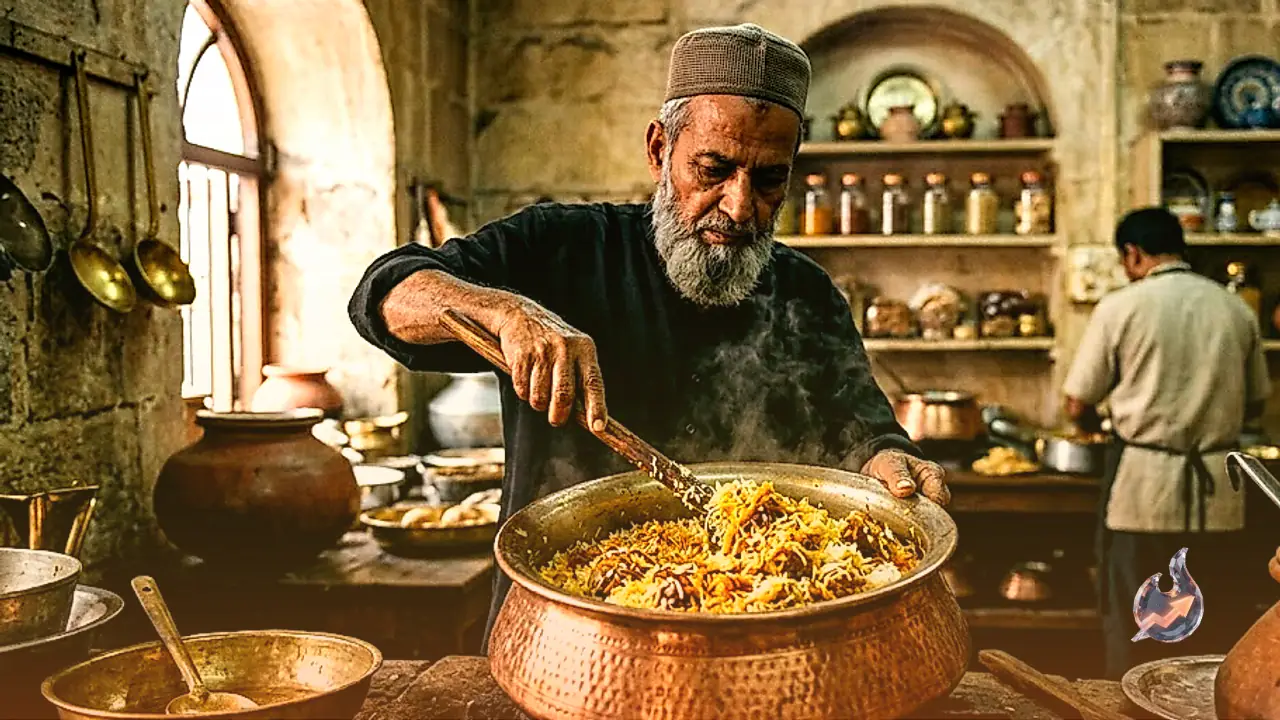
- Hyderabadi Biryani: Globally renowned for its 'Dum' cooking method, where raw marinated meat and parboiled rice are sealed together and cooked slowly over direct heat with bold spices.
- Lucknowi (Awadhi) Biryani: Characteristics include subtle spice profiles and delicate aromas. Meat is typically cooked separately before being layered with rice for a gentle dum finish.
- Kolkata Biryani: Notable for the inclusion of tender potatoes and boiled eggs alongside aromatic rice, a tradition originating during the era of Nawab Wajid Ali Shah.
- Malabar Biryani: Originating from the Malabar coast of Kerala, this style utilizes short-grain Kaima rice cooked with ghee and distinct South Indian spices.
Why Biryani Remains a Global Culinary Favorite
The lasting appeal of biryani lies in its harmonious blend of fragrant long-grain rice, aromatic whole spices, and rich layers of meat or vegetables. The slow-cooking process allows the savory juices and spices to permeate every single grain of rice. To cater to diverse dietary preferences, contemporary menus feature mutton, chicken, fish, vegetable, and paneer variations. Although its historical voyage began in Persia, the mastery of Indian cooks and regional spice dynamics transformed biryani into a world-famous Indian staple.