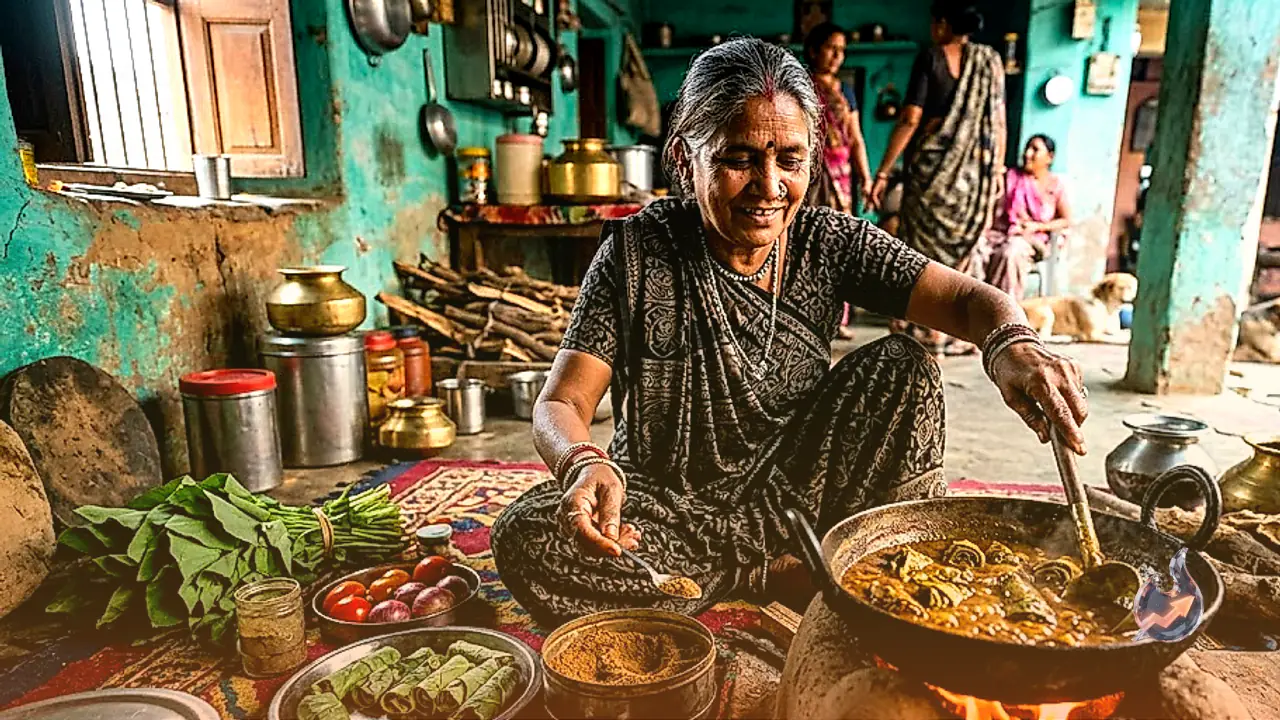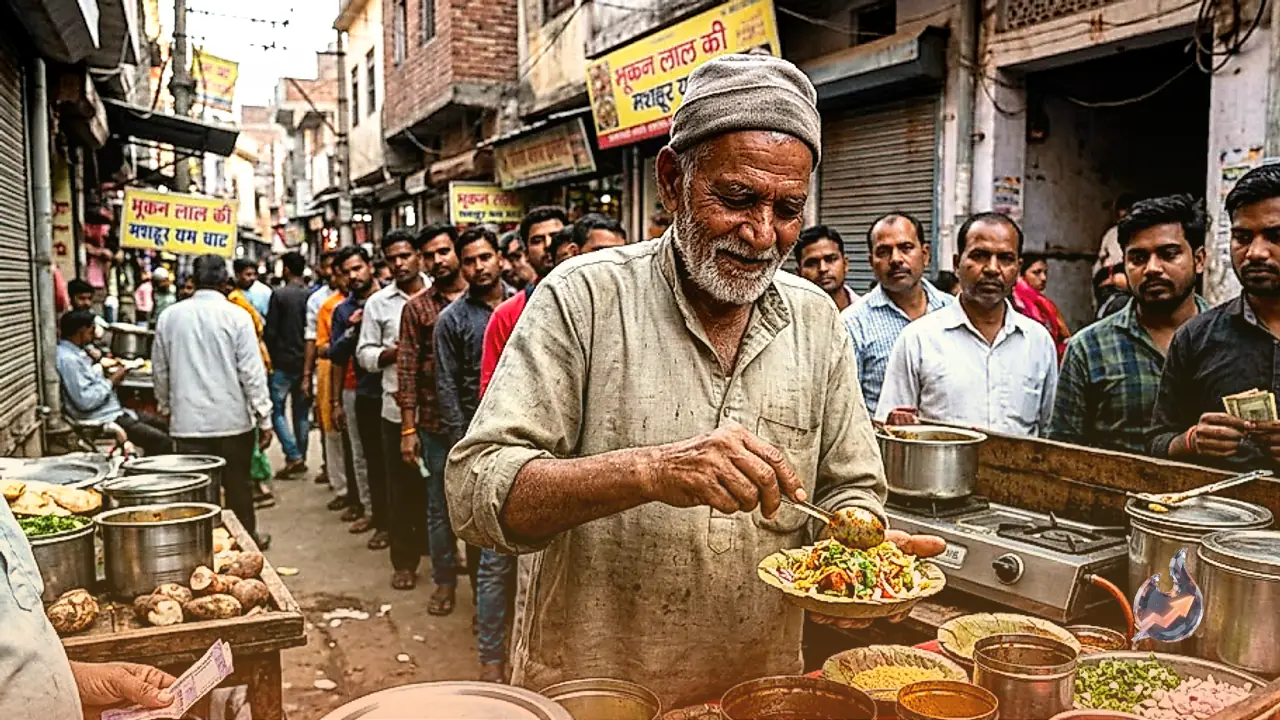




















Traditional community feasts, widely known as bhoj, remain a deeply integrated cultural and social practice across rural India. Whether it is a wedding, a religious ceremony, or a family gathering, seating guests and serving them with personal attention is a long-standing tradition. Although urban regions have heavily transitioned to modern catering services operating on a strict per-plate pricing model, rural and semi-urban communities still prefer inviting traditional cooks to prepare meals at home. Designing a food estimate for such large gatherings is a highly specialized task requiring years of observation, as it demands a delicate balance between budget control and absolute guest satisfaction.
The Core Ratio of Wheat Flour to Guests
A seasoned traditional cook operating in the Jamui region of Bihar, Sonu Kumar Gupta, explains the calculations behind these grand scale meals. According to him, the very first step before purchasing ingredients is establishing a realistic head count. Every single item is then bought based on this target figure. The standard calculation used by local cooks dictates that to feed a gathering of 100 individuals, approximately 12 kilograms of wheat flour is required to roll out pooris. Scaling this formula upward, a gathering of 500 guests will require exactly 60 kilograms of flour. This mathematical progression ensures that there is enough dough to provide an average of five pooris per attendee, which has historically proven to be the ideal serving size.
The Law of Averages and Preparing for Unexpected Visitors
In any public feast, individual food consumption varies dramatically from person to person. While some lighter eaters might feel completely satisfied with just four pooris, others with a larger appetite might easily consume six or more. Sonu Gupta points out that this natural variation is balanced out by the law of averages, keeping the total consumption stable at five pooris per person. In addition to this consumption average, hosting a community feast always requires a robust safety buffer. If an event is organized for a registered guest list of 500 people, professional cooks will intentionally prepare food calculated for 550 individuals. This minor surplus acts as a shield against the sudden arrival of uninvited guests, preventing panic and saving the host from social embarrassment.
Batch Kneading: The Culinary Secret to Crispiness and Conservation
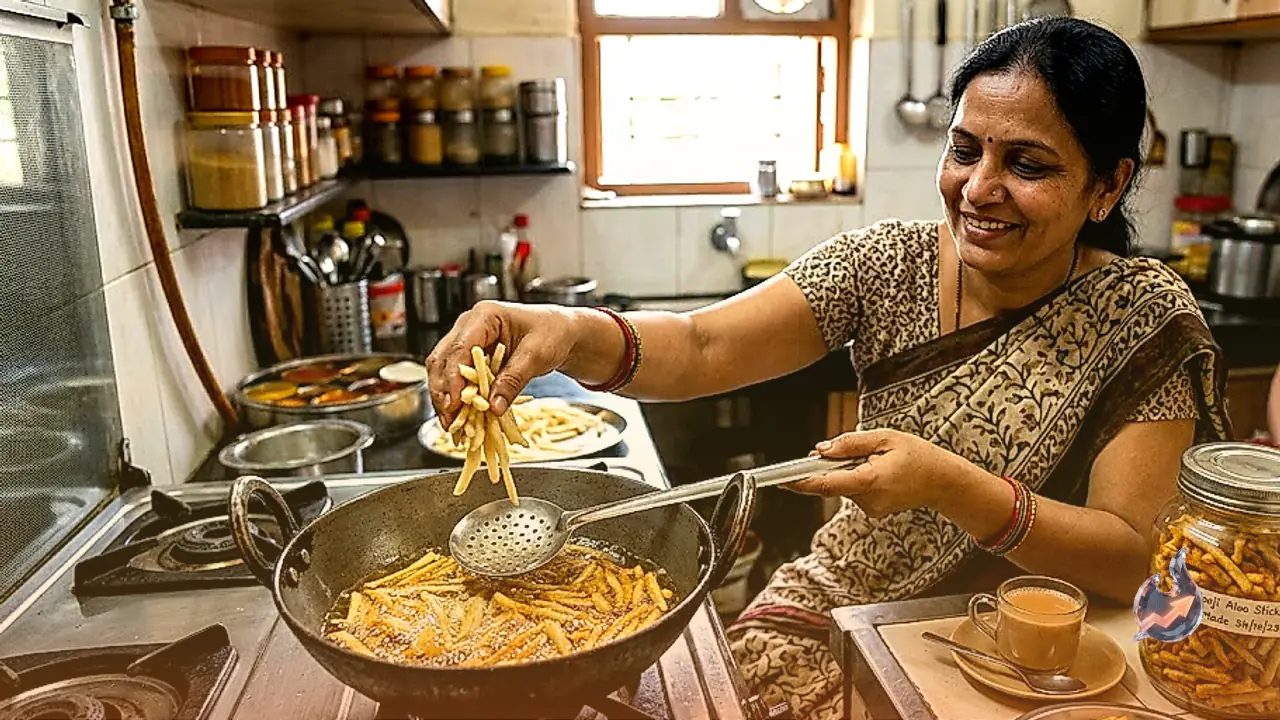
The operational dynamics of frying pooris differ fundamentally from cooking curries, lentils, or traditional sweets. While side dishes and desserts can be cooked in large pots all at once and stored, pooris must be fried fresh and served piping hot throughout the event. Sonu Gupta explains that kneading the entire stock of flour at the beginning is a critical mistake. Dough that sits idle for hours absorbs excess moisture, loses its texture, and starts consuming too much oil during frying. Moreover, if fewer guests turn up, the leftover dough is completely ruined. To bypass this risk, cooks employ a batch-processing technique. They prepare small portions of dough progressively as guests arrive, keeping the frying pan active while ensuring that no excess flour is mixed unnecessarily. This systematic approach guarantees fresh food and zero waste of valuable ingredients.
The Economics and Cultural Heritage of Traditional Catering
Traditional seated dining is not just a culinary preference but also an economically viable option for rural families. Compared to modern buffet systems, this style of catering drastically reduces overhead costs and gives the family full control over the quality of raw ingredients. Master chefs like Sonu Gupta utilize their ancestral knowledge to help hosts execute flawless events without burning a hole in their pockets. Minimizing resource wastage while maintaining top-notch hospitality remains the gold standard of traditional Indian catering, passed down through generations of local cooks.