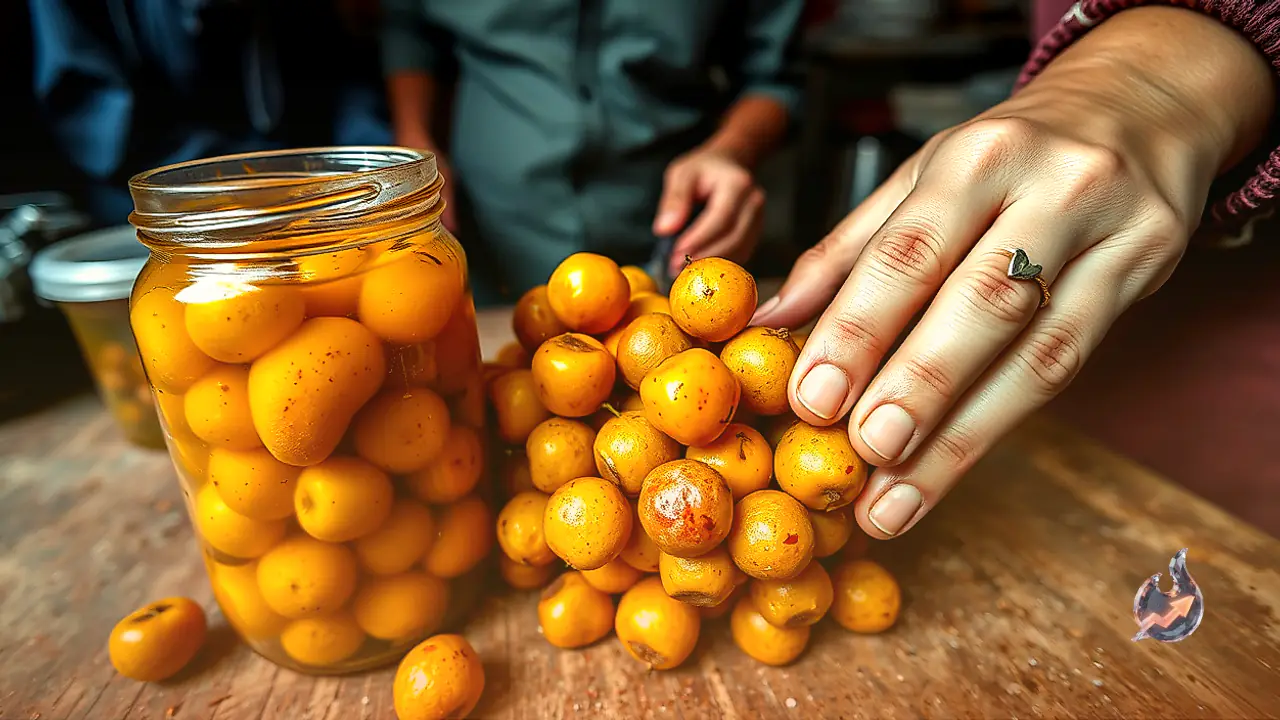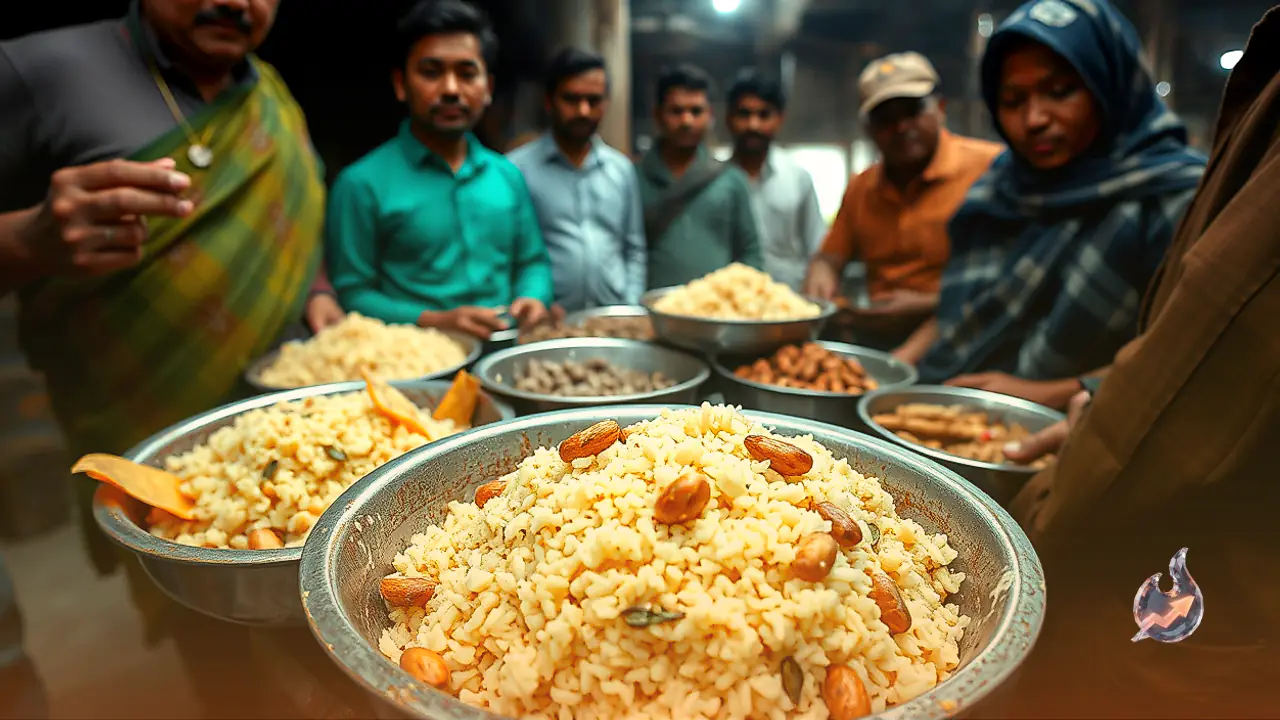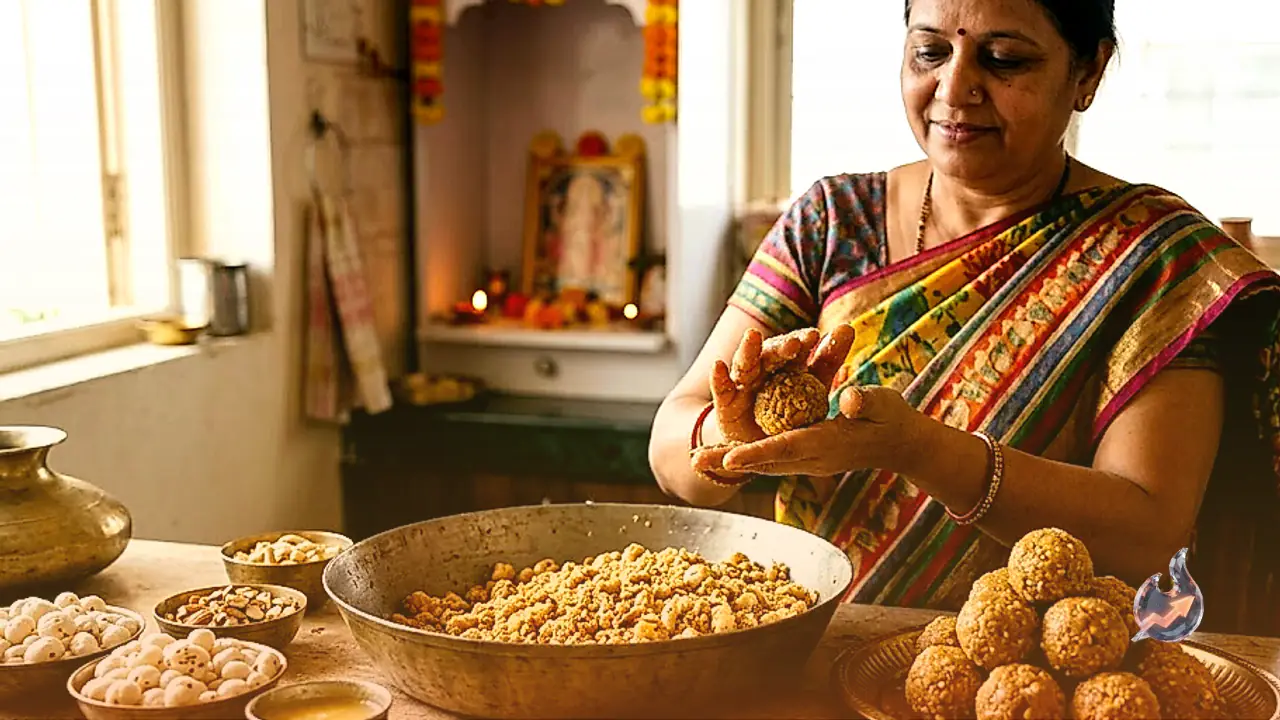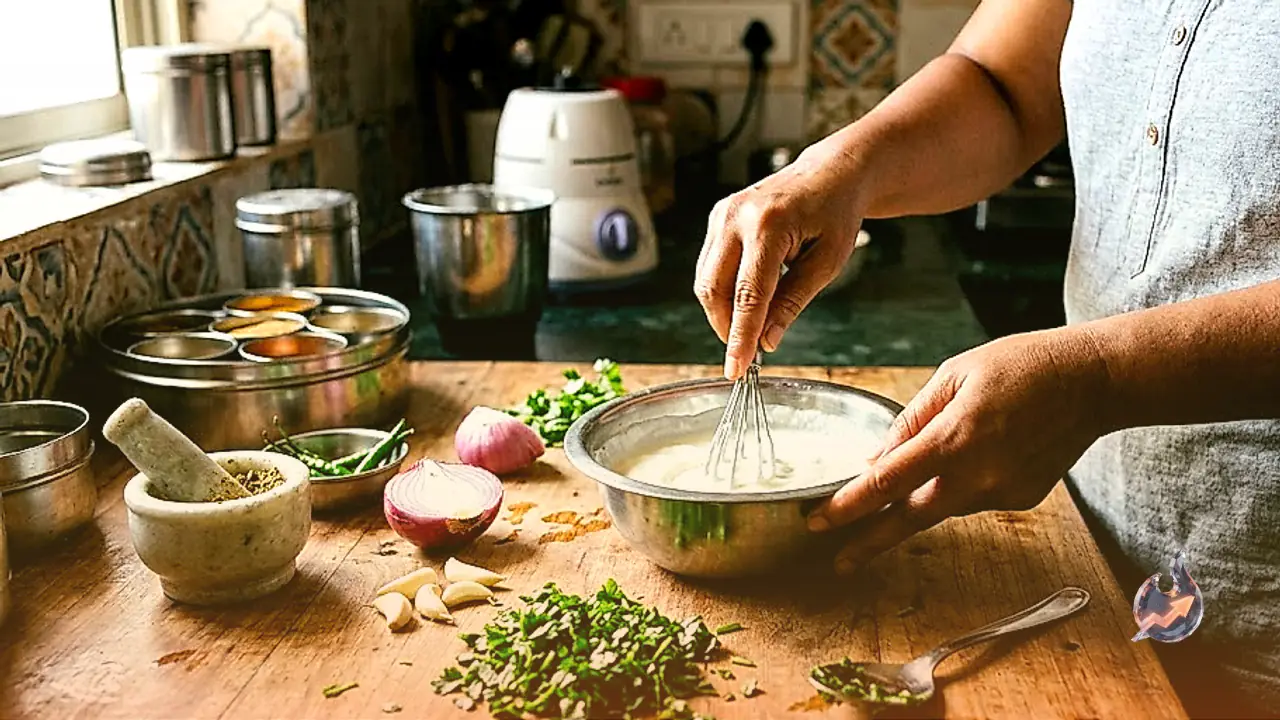


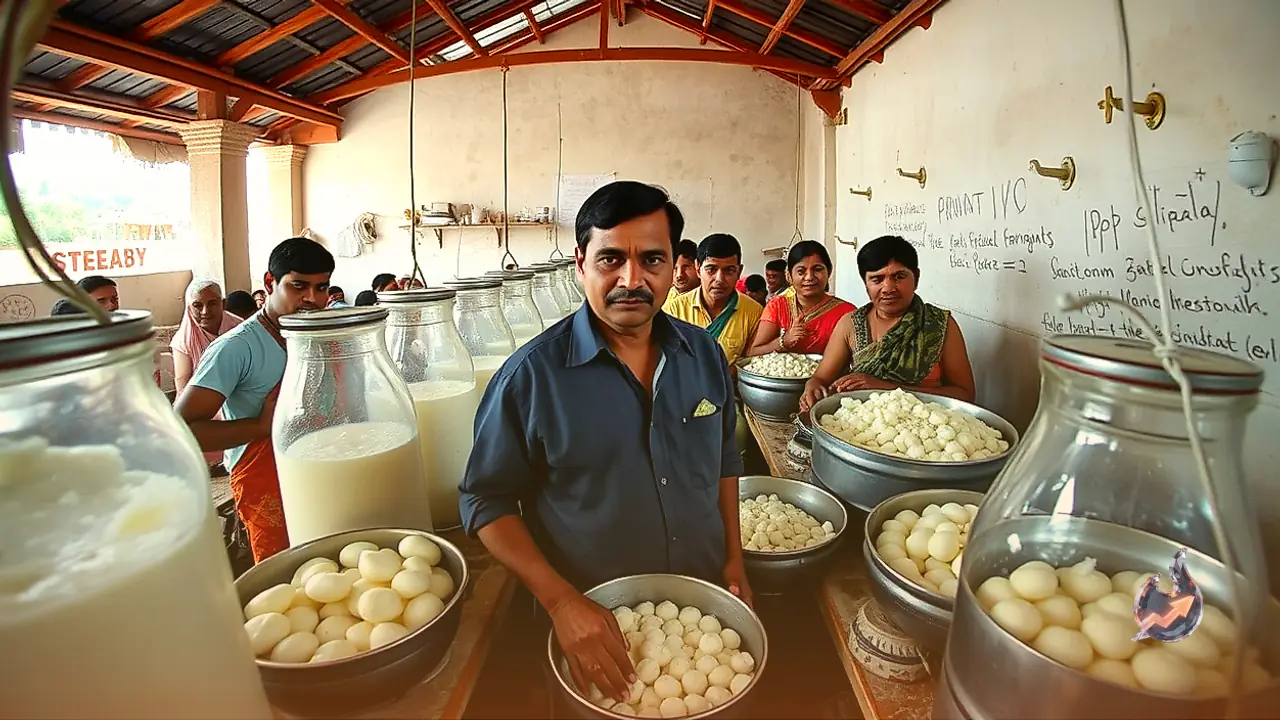




















Traditional Indian dietary staples such as curd, idli and kanji have long been integral to everyday meals. Their distinctive appeal lies not merely in their taste, but equally in the unique methods used to prepare them. These food items are crafted through fermentation, a biological process in which microscopic organisms interact with sugars and other compounds present in the ingredients. This chemical transformation can substantially alter the flavor profile, physical texture and nutritional value of the food. Yet, an important question remains whether fermentation universally renders every food choice healthier. Examining the underlying science helps clarify these effects.
The natural mechanism behind fermentation
Fermentation functions primarily as a natural biological process wherein microorganisms such as bacteria and yeast actively modify specific nutrients, particularly sugars, within food matrices. This activity generates substances like lactic acid, which alter the overall taste and acidity of the dish. In various food items, this transformation also assists in extending shelf life. The ultimate impact of fermentation is determined by several variables, including the base food material utilized, the specific strains of microorganisms present, and the precise temperature and duration maintained throughout the process.
The role of fermentation in curd preparation
Producing curd involves introducing specific strains of bacteria into milk. These beneficial microorganisms convert a portion of the natural milk sugar, known as lactose, into lactic acid. This precise biochemical shift causes the milk to thicken and imparts a mild tartness characteristic of curd. Recognized as a rich source of protein and calcium, curd is often easier for certain individuals to digest than fluid milk because a portion of the lactose breaks down during the fermentation stage. While curd can contain live and active bacteria, their precise presence and population depend heavily on production techniques and the specific product.
Changes in idli batter through fermentation
Idli is prepared from a blended batter of rice and black gram dal that undergoes a resting period to ferment prior to cooking. During this phase, microorganisms produce acids and carbon dioxide gas, causing the batter to rise and resulting in soft, spongy idlis after steaming. Research indicates that the fermentation of idli batter can modify certain B-vitamins and properties related to protein digestibility. Furthermore, levels of anti-nutritional factors like phytates found naturally in grains and pulses may decrease, which can help improve mineral bioavailability. Nonetheless, the steaming process applied to cook idli ultimately destroys many of the live microorganisms that thrived during the active fermentation stage.
Traditional kanji and its unique properties
Kanji represents a traditional North Indian fermented beverage crafted from black carrots or beetroots, fresh water, salt and spices. Lactic acid-producing bacteria play a central role in its fermentation cycle, introducing a tart flavor and altering the structural makeup of the microscopic organisms within the drink. Black carrots naturally contain antioxidant compounds such as anthocyanins. Selected studies conducted on kanji have pointed toward the presence of beneficial bacteria and active antioxidant properties. At the same time, the exact concentration and variety of bacteria can vary significantly across different batches of home-prepared kanji.
Does fermented food always guarantee better health
The assumption that fermented food is invariably superior for health is not entirely accurate. While fermentation can enhance the digestibility of certain foods and improve nutrient availability, its tangible benefits differ widely from one dish to another. Claiming that every single fermented product contains robust probiotics or serves as a cure for specific ailments lacks scientific backing.