


















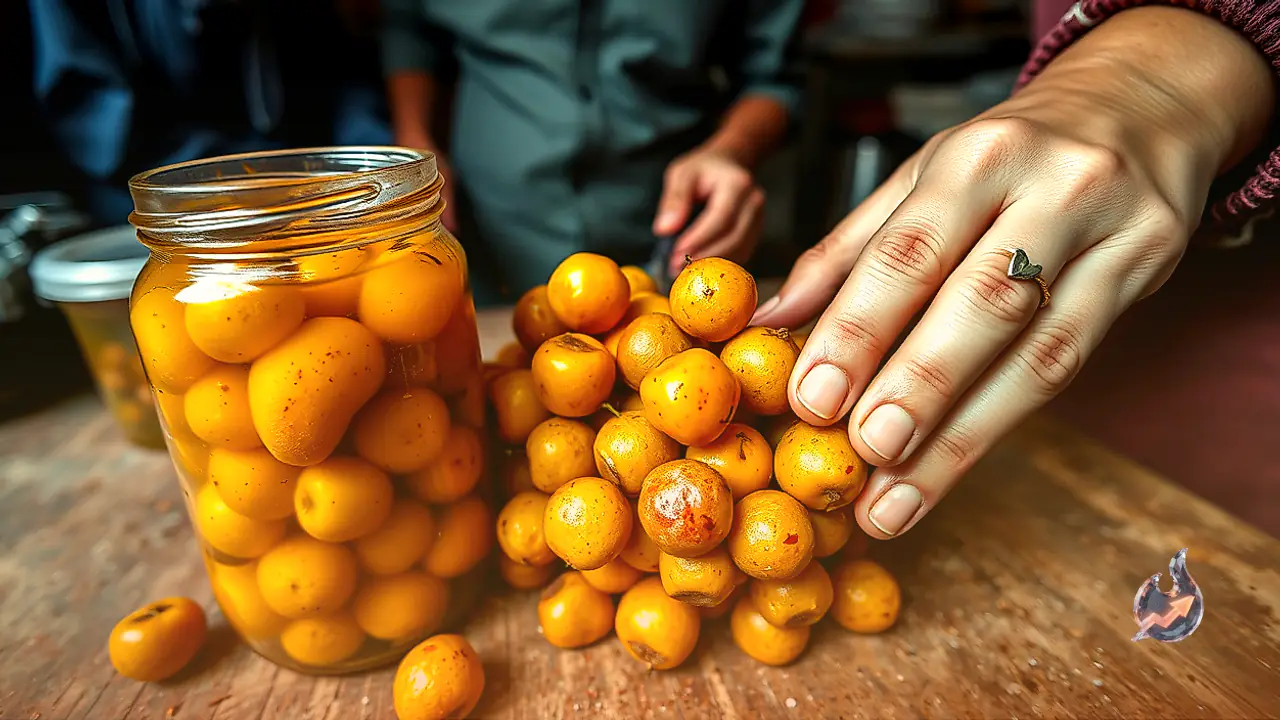

Fresh amla, or Indian gooseberry, becomes widely available in vegetable markets with the arrival of the winter season. Known for its dense nutritional profile, this fruit serves as a rich source of vitamin C alongside several vital micronutrients. While its natural tartness and astringency are distinctive, pairing it with spices makes it a favourite accompaniment on dining tables. Preparing a batch of spicy and tangy amla pickle at home offers a simple way to elevate everyday meals, whether served alongside dal and rice, stuffed parathas, or hot puris. The preparation requires minimal effort, relying on standard pantry staples to deliver a rich, traditional flavour profile without complicated culinary techniques.
Key Ingredients for the Preparation
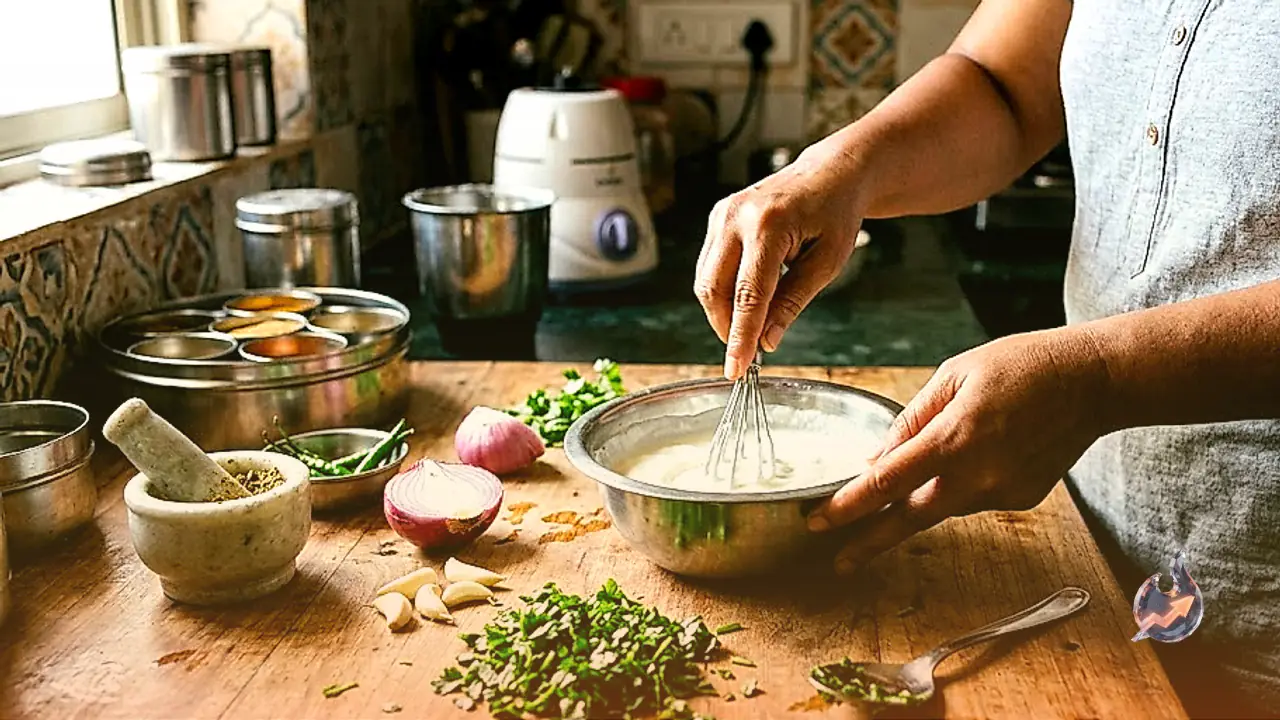
To prepare a batch using 500 grams of fresh amla, several standard spices and seasonings are required. Gather mustard oil along with whole spices including cumin seeds, whole red chillies, mustard seeds or yellow mustard seeds, fennel seeds, and fenugreek seeds. Ground spices necessary for seasoning include turmeric powder, red chilli powder, asafoetida, and salt according to preference. In addition, keep a small quantity of fresh lemon juice ready to add balance and an extra punch of acidity to the overall blend. Having each component measured and arranged beforehand ensures a smooth cooking process.
Steaming the Gooseberries and Removing Seeds
Hygiene is essential before beginning the process. Wash the amlas thoroughly under clean water and wipe them completely dry with a clean cloth. The next stage involves softening the fruit. You can either steam the amlas or boil them in a minimal amount of water until they become tender to the touch. It is crucial not to overcook or mash them, as overboiled pieces lose their structure during mixing. Once adequately softened, remove them from the heat and allow them to cool down completely. After cooling, gently press each amla to separate the individual segments and discard the hard inner seeds.
Roasting and Coarsely Grinding the Spices
The distinctive aroma of homemade pickle comes from gently toasted spices. Place a pan on the stove over low heat and add the cumin seeds, mustard seeds, fennel seeds, and fenugreek seeds. Introduce the whole dried red chillies into the pan shortly afterwards. Stir continuously over low flame until the ingredients release a warm, toasted fragrance. Turn off the heat immediately to prevent the spices from scorching. Once cooled, grind the toasted mixture into a coarse texture rather than a fine powder, as the textured grind ensures the spices coat the fruit slices evenly.
Heating the Mustard Oil and Incorporating Spices
Pour the mustard oil into a pan and heat it until light smoke begins to rise from the surface. Extinguish the flame at this point and allow the oil to cool down moderately so that delicate aromatics do not burn upon contact. Transfer this cooled oil into a separate clean mixing vessel. Stir in the asafoetida to release its characteristic pungent note, followed by the coarsely ground roasted spice blend. Mix thoroughly before incorporating the turmeric powder and salt, stirring until the base seasoning becomes evenly distributed throughout the oil.
Final Assembly and Proper Storage Guidelines
Add the separated amla segments into the seasoned spice oil mixture. Stir carefully using a dry spoon until every piece is uniformly coated with the spiced oil. If desired, incorporate a small measure of fresh lemon juice at this stage to enhance the overall tanginess. Transfer the prepared pickle into a thoroughly cleaned and dry glass jar. Keep the jar in a clean spot for one to two days, stirring the contents periodically with a completely dry spoon to help the seasonings settle evenly. Because this recipe uses cooked amla that retains internal moisture, store the finished pickle inside a refrigerator to preserve its freshness and extend its shelf life over time.