






















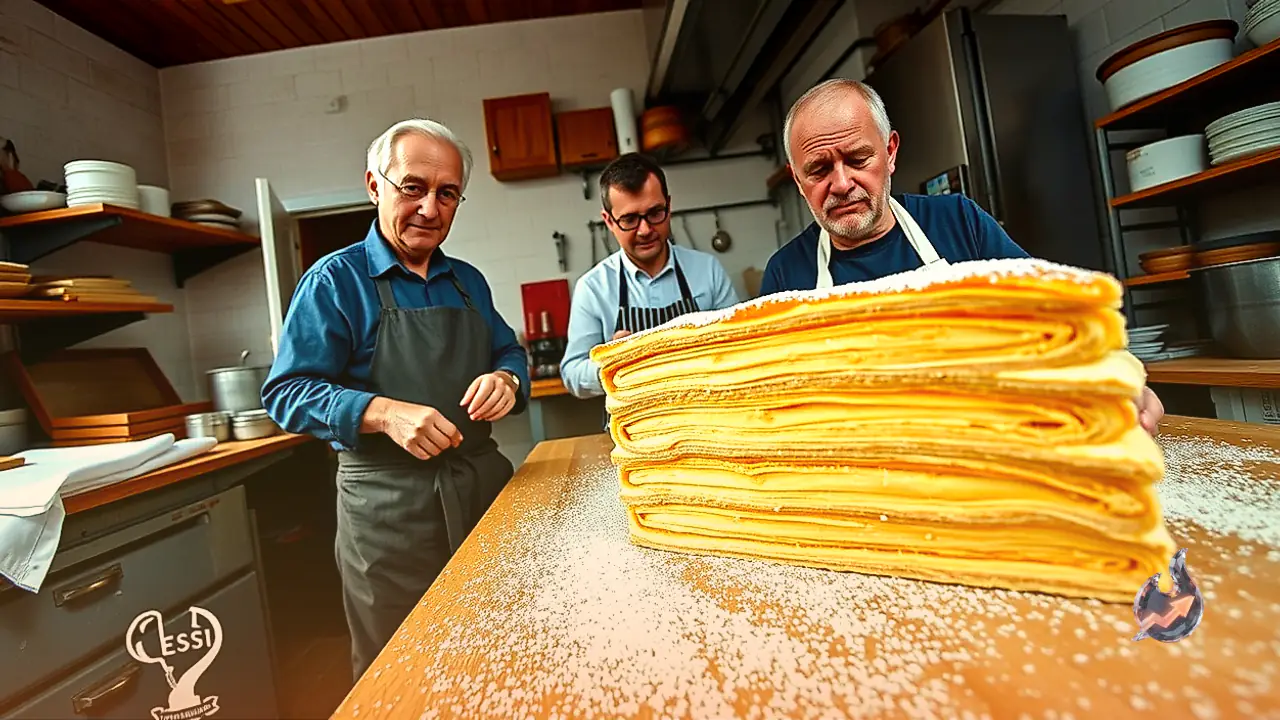

Creating an authentic French Mille-Feuille at home is a rewarding culinary project that brings true Parisian patisserie craftsmanship right to your kitchen. Known in French as a name translating literally to a thousand leaves, this iconic pastry relies on delicate, shatteringly crisp layers of puff pastry interlayered with a rich, velvety custard. While countless shortcut recipes online rely on piping small blobs of soft custard between baked pastry sheets, achieving the proper patisserie standard requires a structured approach. True pastry chef Jean-Baptiste Alexandre developed this definitive version by drawing from classic culinary references like Escoffier and Ferrandi, ensuring home cooks can replicate a bakery-quality masterpiece without specialized commercial equipment.
The secret to an exceptional Mille-Feuille lies in the balance between the crisp, buttery pastry and a diplomate cream filling that is firm enough to hold clean slices yet melts instantly on the tongue. In commercial bakeries, rising ingredient costs often lead to shortcuts involving watery custards and oil-based pastry substitutes. By making it from scratch with real butter puff pastry, premium vanilla, and precise setting agents, you achieve the gold standard of French baking. While the process demands patience and several cooling intervals, the step-by-step methodology makes the endeavor entirely achievable for dedicated home bakers.
Essential Ingredients and Proper Measurements
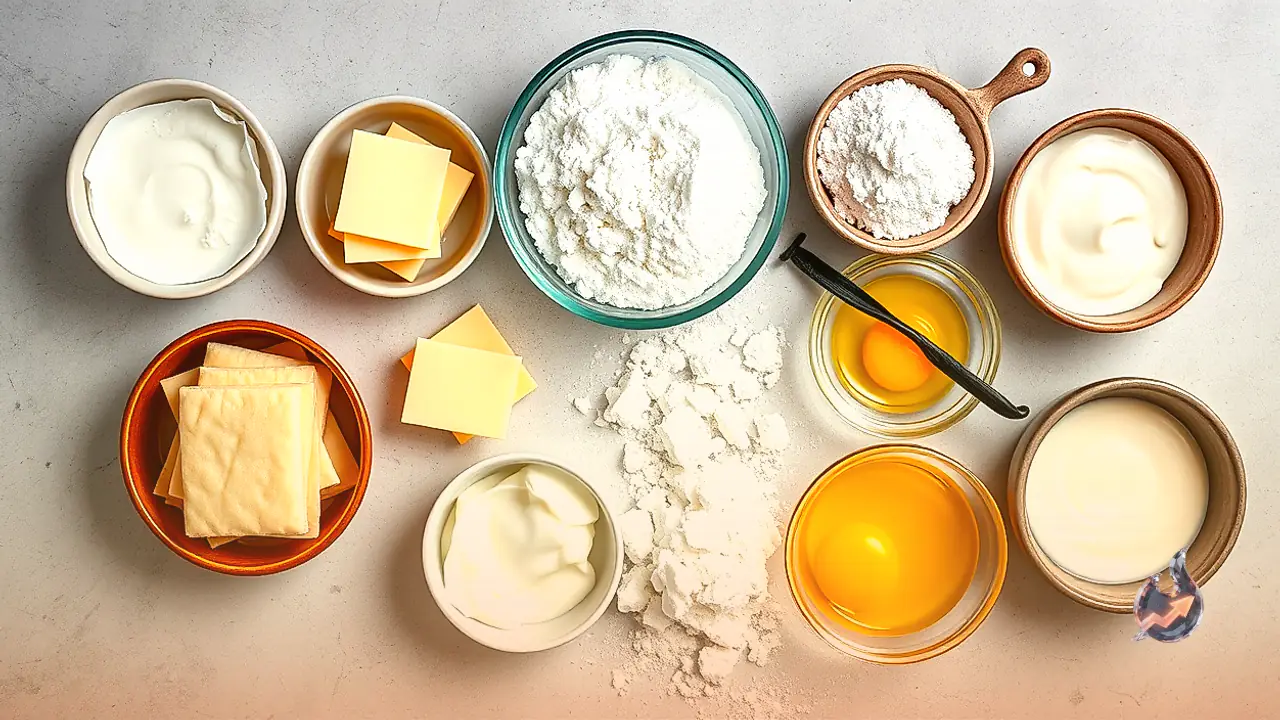
Authentic French baking relies on simple, high-quality supermarket staples rather than obscure specialty items. For the pastry layers, you will need two sheets of frozen butter puff pastry, each measuring 25 cm or 10 inches square and weighing approximately 185 g or 6 oz. Always verify that the packaging specifies butter rather than vegetable oil, as real butter provides the essential flakiness and rich flavor. Additionally, you will need one and a half tablespoons of soft icing sugar or powdered sugar to dust the pastry before baking.
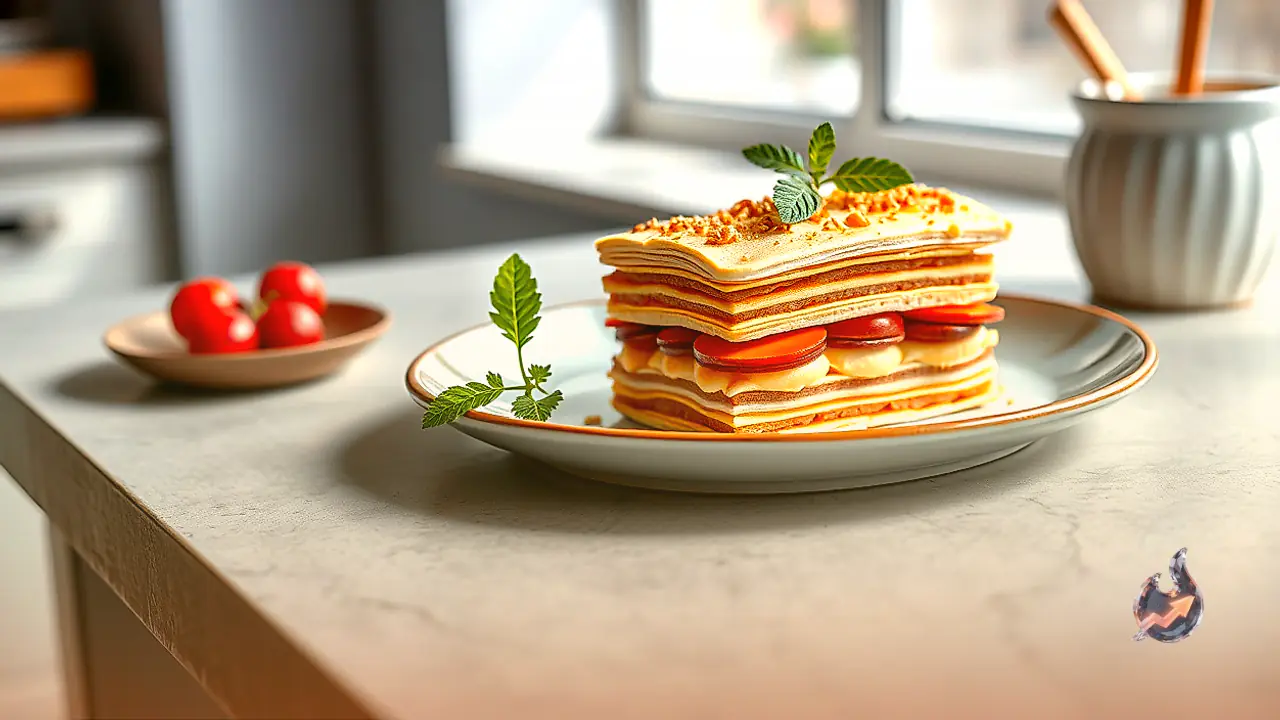
The diplomate cream filling combines a rich vanilla pastry cream with freshly whipped cream and gelatin. For the base custard, gather one cup of full-fat milk, half a cup of heavy or thickened cream, one whole vanilla bean split and scraped (or one teaspoon of vanilla bean paste), three large egg yolks weighing 50 to 55 g each, half a cup of caster or superfine sugar, one-third of a cup of cornflour or cornstarch, one tablespoon of plain all-purpose flour, and 15 g of cold unsalted butter cut into tiny cubes. To stabilize the final cream, you will need an additional three-quarters of a cup of heavy cream, one tablespoon of gelatin powder, and three tablespoons of cold tap water.
For the classic decorative icing finish, prepare one cup of sifted soft icing sugar, four teaspoons of full-fat milk, three-quarters of a teaspoon of vanilla extract, and two tablespoons of dark chocolate chips or semi-sweet baking chips. The gelatin is an indispensable component here, as cornflour alone cannot provide the structural integrity required to slice neat, clean bars without the filling collapsing.
Workflow Overview and Time Management
Because this recipe involves multiple resting and chilling phases, planning your schedule in advance ensures a smooth baking experience. You can easily spread the preparation across two days if desired. Baking the puff pastry layers takes about 30 minutes in the oven followed by 30 minutes of cooling; these can be stored safely in an airtight container for up to two days before assembly.
Preparing the vanilla pastry cream requires 15 minutes of active cooking, 10 minutes of steeping, and roughly 75 minutes of total chilling time. While the custard cools, you can whip up the vanilla-chocolate icing in 5 minutes, which takes about 30 minutes to set. Once the custard is chilled, converting it into diplomate cream takes minimal effort, requiring just a 20-minute rest in the refrigerator before piping. Finally, the assembled Mille-Feuille needs at least 6 hours, preferably overnight, in the refrigerator to set completely before slicing into individual portions.
Baking the Compressed Puff Pastry Layers
Begin by preheating your oven to 180°C or 390°F (160°C for fan-forced ovens). Allow your frozen butter puff pastry sheets to thaw partially so they remain easy to handle without becoming overly floppy. Cut each pastry sheet in half, utilizing three halves for the recipe and saving the fourth in the freezer for future use. Take four baking trays and invert two of them, lining each with parchment paper. Place one pastry sheet on the first prepared tray and two on the second, spacing them as far apart as possible.
Prick each pastry sheet approximately 30 times with a fork to prevent excessive ballooning during baking. Dust the surface evenly with icing sugar using a sifter, cover the pastry with another sheet of parchment paper, and place a second baking tray directly on top to weigh it down gently. Bake for 30 minutes, swapping and rotating the tray positions halfway through the baking time until the pastry is deep golden brown and thoroughly crisp. Transfer the baked sheets to a wire rack to cool completely before using a sharp serrated knife to trim them to uniform dimensions.
Crafting the Vanilla Custard and Diplomate Cream
Combine the milk, cream, scraped vanilla bean seeds, and the spent vanilla bean pod in a medium saucepan over medium heat until it reaches just below a boil. Remove from heat, cover, and let steep for 10 minutes to infuse the dairy with robust vanilla flavor. In a separate bowl, whisk together the egg yolks and caster sugar until smooth, then whisk in the cornflour and plain flour to form a thick paste. Remove the vanilla bean from the warm milk, squeezing out any excess liquid.
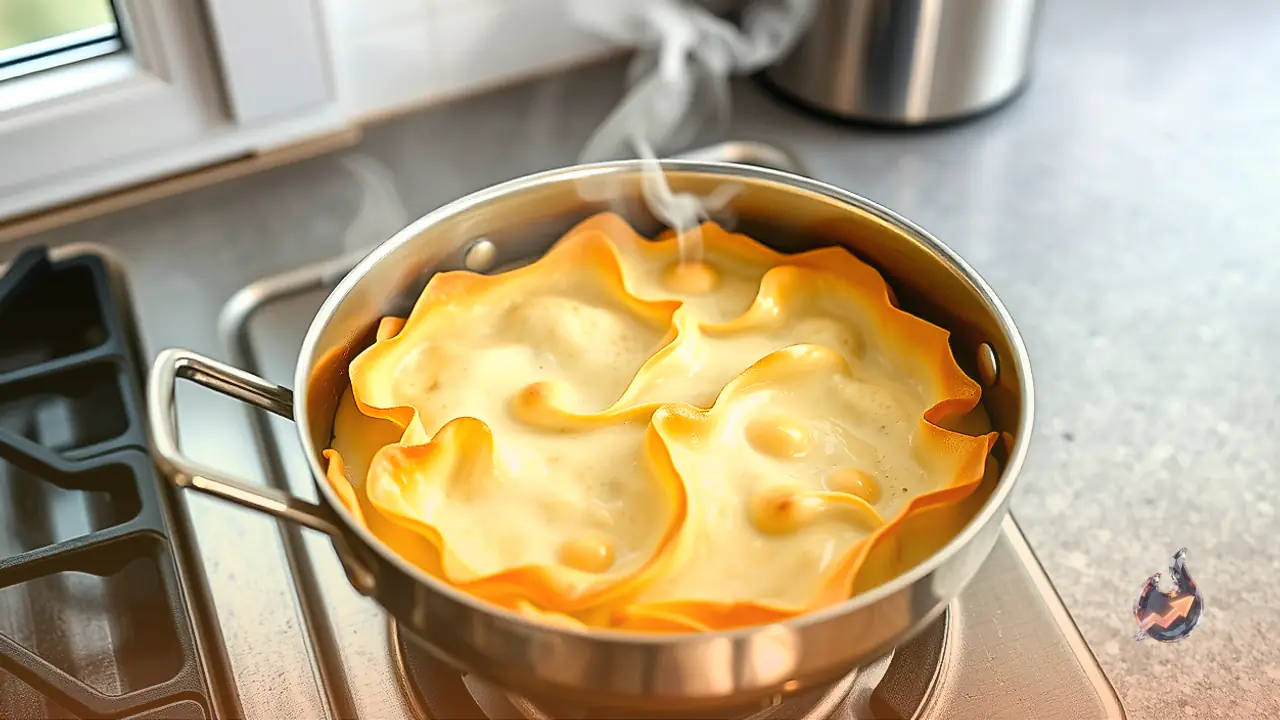
Temper the eggs by slowly pouring half of the warm vanilla milk into the yolk mixture while whisking constantly. Pour this combined mixture back into the saucepan with the remaining milk and return to medium heat. Whisk continuously for 7 to 10 minutes as the mixture thickens into a dense custard. If any lumps form due to heat, remove from the pan immediately and whisk vigorously until smooth. Stir in the cold butter cubes until fully incorporated, transfer to a bowl, cover with plastic wrap touching the surface, and chill in the refrigerator until firm.
To transform the chilled pastry cream into diplomate cream, bloom the gelatin in cold water and melt it gently in the microwave. Soften the chilled custard with a spatula, incorporate the warm gelatin mixture in stages, and fold in separately whipped stiff cream using an electric beater. Chill the resulting diplomate cream for precisely 20 minutes before transferring it to a piping bag.
Creating the Icing Pattern and Assembling the Pastry
Whisk together the icing sugar, milk, and vanilla extract in a small bowl to create the smooth vanilla base icing. Melt the chocolate chips in short microwave bursts and transfer to a piping bag fitted with a tiny 2 mm opening. Place the final top pastry sheet on a wire rack, spread the vanilla icing evenly across the surface, and immediately pipe parallel lines of melted chocolate spaced 1 cm apart. Drag a toothpick back and forth across the chocolate lines to create the iconic feathered patisserie pattern, then chill for 30 minutes to set.
Assemble the dessert by placing the first baked pastry sheet on a cutting board, piping neat rows of diplomate cream across the surface until covered, and smoothing with an offset spatula. Add the second pastry sheet, repeat the piping process, and top with the iced pastry layer, ensuring the decorated side faces upward. Pipe any remaining cream along the edges to seal gaps and refrigerate the entire assembly for at least 6 hours, or preferably overnight. Slice into 6 portions using a serrated knife, wiping the blade clean between cuts, and serve according to the traditional sideways orientation to enjoy every layer without squeezing out the filling.